Food and Wine Tours in Médoc
In Médoc, in the heart of Aquitaine-Limousin-Poitou-Charentes, food and wine tours are one of the most natural ways to discover wineries, local flavors, and authentic pairings. On Winedering you'll find 16 food and wine experiences, with food and wine itineraries ranging from 4 hours to 9 hours, including guided tastings and regional specialties. Prices start from €90 and go up to €750. Choose your pace and book your food and wine tour in Médoc in just a few clicks.
The best food and wine tours in the Médoc that you can't miss
The first thing you notice here is the light reflecting off the wide estuary, followed closely by the crunch of gravel under your feet. The Médoc is not just a list of famous names; it is a narrow peninsula of stones, water, and sky that defines the world’s most structured red wines. Stretching north from Bordeaux along the left bank of the Gironde, this region covers roughly 16,000 hectares of vines and includes eight distinct appellations.
While the châteaux here can seem imposing behind their iron gates, a guided food and wine tour changes the dynamic completely. The distances between the famous villages—Margaux, Pauillac, Saint-Julien, Saint-Estèphe—are short, but the estates are vast. A tour format grants you access to cellars that might otherwise require complex appointments, and more importantly, it puts a glass in your hand alongside the local cuisine that was designed to tame these powerful wines.
In the Médoc, wine and food belong at the same table
In this region, wine is rarely drunk in isolation. The local rhythm is built around the "casse-croûte" (a mid-morning snack) or a long lunch where bottles are opened to accompany substantial dishes. It is a culture of hospitality that exists behind the stone walls of the estates, where winemakers share older vintages that have finally reached their drinking peak.
Authenticity here means eating grilled meats cooked over dried vine shoots, known locally as sarments. When you book a pairing experience on Winedering, you aren't just getting cheese cubes on a plastic tray. You are engaging in a deliberate tasting where the structure of a Cabernet Sauvignon is softened by the fat and protein of local produce, often served in a renovated estate kitchen or a nearby brasserie frequented by the vineyard workers.
How the landscape of the Médoc shapes what ends up in your glass and on your plate
The landscape here is deceptively flat, defined by the Gironde estuary on one side and the Atlantic Ocean on the other. This position creates a temperate maritime climate that protects the vines from extreme cold. The ground is the true storyteller: deep mounds of gravel brought by the river thousands of years ago.
This gravel drains water away quickly and retains the sun's heat, reflecting it back onto the vines at night. This is crucial for ripening Cabernet Sauvignon, the dominant grape here. The soil forces the roots to dig deep for nutrients, resulting in wines with firm tannins, deep color, and exceptional aging potential. This same estuary environment supports the raising of salt-meadow lambs, whose meat has a distinct, delicate flavor that pairs naturally with the savory notes of the local wine. The ecosystem is a closed loop: the river shapes the soil, the soil shapes the wine, and the marshlands provide the food.
The pairings you'll remember long after you leave the Médoc
The best pairings here are a study in balance: the grip of the wine meets the richness of the food. You will find that the tannins in a young Pauillac or Saint-Estèphe act almost like a palate cleanser, cutting through fatty textures to refresh your mouth for the next bite.
Because the wines are predominantly Cabernet Sauvignon-based blends (often with Merlot and Petit Verdot), they possess high structure and acidity. This makes them difficult to drink alone but brilliant with food. A typical pairing might involve a glass of Haut-Médoc served with duck confit, where the wine's acidity lifts the heaviness of the dish.
Look for tours that explicitly mention "lunch," "gourmet tasting," or "food pairing" to experience this harmony firsthand.
Cheese, cured meats, and artisan specialties you'll find in the Médoc
- Grenier Médocain: This is the signature cold cut of the region. It is a spicy, localized sausage made from pork stomach, seasoned heavily with pepper and garlic. It has a chewy texture and a peppery kick that stands up well to robust red wines.
- Entonnoir: A specialty dried sausage often found in local markets. It is dense, savory, and usually served in thick slices.
- Sheep Cheese (Tomme de Brebis): While not strictly made in the vineyards, firm sheep cheeses from the nearby Pyrenees are a staple on tasting boards here. The nutty, oily texture of the cheese coats the palate, smoothing out the tannins of a young vintage.
- Mimolette: You will often see this hard, orange cheese. Its salty, caramel-like notes contrast beautifully with the cedar and black fruit aromas of an aged Médoc wine.
Regional classics in the Médoc that shine even more with the right glass alongside
If you sit down for a full meal, there is one dish you must order: Agneau de Pauillac. This is suckling lamb raised in the region, holding a Protected Geographical Indication (IGP). The meat is incredibly tender and pale, usually roasted simply with garlic and thyme. The localized pairing logic is flawless: the elegant fat of the lamb softens the tannins of a Pauillac wine, while the wine’s savory herbal notes echo the thyme.
Another staple is Entrecôte à la Bordelaise. This is a rib steak grilled over vine shoots (giving a specific smoky aroma) and served with a sauce made from red wine, bone marrow, and shallots. The marrow provides a rich, buttery texture that requires a structured, acidic red wine to cut through it. For a more rustic, acquired taste, you might encounter Lamprey à la Bordelaise, an eel-like fish from the estuary stewed in red wine and its own blood—a dish with a deep, dark flavor profile that demands a powerful wine.
Shape your food and wine tour itinerary around the table in the Médoc
When planning your day, it is smart to build the itinerary from the meal outward. The region is linear, following the D2 road (often called the Route des Châteaux), so backtracking can waste time. Decide if you want a long, leisurely lunch at a winery or a quick, high-quality bite in a village like Pauillac or Saint-Julien between visits.
Consider your driving comfort. The roads are flat and well-marked, but strict alcohol laws mean a driver is essential if you plan to swallow the samples. Organized tours solve this instantly. Most full-day experiences run from 9:30 AM to 5:30 PM, while half-day options usually target either the morning or afternoon block.
Use the filters to select tours by "lunch included" or "private driver" to streamline your day.
The kind of meal you're dreaming about in the Médoc, from rustic to refined
The dining landscape here ranges from casual to ultra-luxurious. On one end, you have "guinguettes" along the river—casual, open-air spots perfect for simple grilled fish and a glass of local white or rosé. On the other end, several Grand Cru châteaux host private lunches in their dining rooms, complete with white glove service, crystal glassware, and vertical tastings of back vintages.
Most winery lunches fall comfortably in the middle: a set menu of three courses served in a renovated stable or tasting room, featuring seasonal ingredients like cèpes (porcini mushrooms) in autumn or fresh asparagus in spring. Vegetarians and those with gluten intolerance can almost always be accommodated, provided you mention it at the time of booking.
The wine styles to explore in the Médoc: from icons to small producers
The Médoc is famous for the 1855 Classification, which ranked the top estates from First to Fifth Growths. These wines are powerful, complex, and built to age for decades, marked by notes of blackcurrant, graphite, and cedar. Visiting one of these "Grand Cru Classé" estates is a bucket-list experience for many.
However, do not overlook the Cru Bourgeois estates. These are often family-run, offering exceptional quality at a fraction of the price and a warmer, more personal welcome. While the icons deliver prestige, the smaller producers often deliver discovery. You might also find small amounts of white wine (Bordeaux Blanc) produced in the Médoc, which is crisp, citrusy, and rarely exported.
Small additions in the Médoc that elevate everything, like a cooking class or walking among the vines
- Blending Workshops: Many châteaux offer "winemaker for a day" sessions where you create your own blend of Cabernet and Merlot to take home. It is the best way to understand the concept of assemblage.
- Vertical Tastings: Instead of tasting three different wines, ask for a vertical—tasting the same wine across three different years. It reveals how the weather shapes the vintage.
- Architecture Tours: The châteaux range from medieval fortresses to modern glass structures. A tour focused on architecture adds a visual layer to the sensory experience.
- Vineyard Picnics: Some estates offer baskets filled with local cheese, bread, and wine to enjoy in the parklands surrounding the château.
What a food and wine tour in the Médoc looks like, step by step
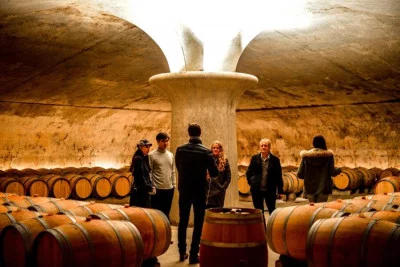
A typical day starts with a drive north from Bordeaux, passing the "city limits" signs and entering a sea of vines. The first stop is usually a mid-morning visit to a château. You will meet your host, walk through the fermentation room to smell the yeast and fruit, and descend into the barrel cellar where the air is cool and smells of oak and wine.
After the first tasting, the pace slows down for lunch. This is not a rushed sandwich; it is a sit-down affair, often lasting 90 minutes. Following the meal, you might visit a second winery with a different style—perhaps contrasting a modern, corporate-owned estate with a traditional family property. The drive back is scenic, often passing famous facades like Château Margaux or the turreted Château Pichon Baron.
Tours are generally available year-round, with transparent pricing that covers tasting fees and transport.
Winery visits in the Médoc, with guided pairings and storytelling
The welcome at a Médoc winery is professional and organized. You are rarely wandering alone; visits are guided. You will learn about the gravel soils, the decision of when to harvest, and why they use French oak barrels.
Tastings usually include 2 to 3 wines. In a food-focused tour, these aren't just poured and left. The host will bring out a plate of local bites—perhaps a square of dark chocolate to match an older vintage, or a slice of Comté cheese to balance a tannic young wine. The goal is education through flavor.
A meal in the Médoc that goes beyond a simple stop
Dining here is an extension of the terroir. Whether you are at a winery table or a village restaurant, the ingredients are likely sourced from within a 50-kilometer radius. The service is attentive but not stiff. Expect a starter, a main course involving meat or hearty vegetables, and a dessert or cheese course.
The wine service is precise. Glasses are proper crystal, temperatures are correct (reds served at 16-18°C, not room temperature if the room is hot), and the staff can explain exactly why that specific bottle matches your dish.
Time to breathe in the Médoc, with scenic routes and village strolls
Between the tastings and the food, there is a quiet beauty to the region. The D2 road offers endless photo opportunities of grand architecture. Tours often include a brief stop at the riverfront in Pauillac or a drive through the village of Margaux.
This "buffer time" is essential. It allows your palate to rest and lets you absorb the atmosphere of the region. It is a chance to grab a coffee in a town square or simply watch the light change over the estuary. Look for itineraries that don't pack the schedule too tightly.
Choose the right food and wine tour in the Médoc for your pace
Your choice depends largely on how deep you want to dive. If you are a casual enthusiast, a half-day tour with one visit and a light tasting plate is perfect. If you are a collector or a serious foodie, a full-day private tour allows you to customize the châteaux list and book a specific high-end restaurant.
Small group tours are excellent for meeting people and keeping costs down, while private tours offer flexibility and the undivided attention of your guide. Check the inclusions carefully: does the price cover lunch? Are the tasting fees included? Most listings on Winedering offer live availability and clear policies.
Compare the durations and inclusions, then book in a couple of clicks to secure your spot.
Short food and wine experiences in the Médoc that still feel rich and complete
A "short" experience here typically lasts 3 to 4 hours. This usually involves a visit to a single prestigious estate followed by an extended tasting with gourmet appetizers. It is ideal for travelers who have other plans in Bordeaux city for the evening or for those with limited attention spans for technical wine talk.
These tours focus on the highlights: the history of the château, a look at the barrels, and the sensory pleasure of the pairing. It is a concentrated dose of the Médoc without the fatigue of a full day.
Food and wine weekends in the Médoc for couples and friends
Spending two days in the region changes the experience. You can dedicate one day to the southern appellations like Margaux and the next to the northern powerhouses like Saint-Estèphe. The mood is relaxed, allowing for a long dinner in the evening without the worry of driving back to the city.
Weekends allow you to visit smaller, off-the-beaten-path producers who might have more time to chat on a quiet Saturday morning. It creates a shareable memory that feels less like a tour and more like a getaway.
Overnight stays in the Médoc that make the atmosphere part of the memory
Staying overnight in the vineyards is magical. The tourists leave, the tractors stop, and the silence of the countryside takes over. Many châteaux now offer bed and breakfast accommodations (Chambre d'Hôtes) ranging from rustic farmhouses to luxury suites in the castle towers.
Waking up and opening the shutters to a view of the vines in the morning mist is unforgettable. Look for tours that offer multi-day packages or pair your day tour with a stay at a local "Chartreuse" (traditional manor house).
Gift a food and wine tour in the Médoc that feels personal
This is a gift for the red wine lover in your life. Sending someone to the Médoc is sending them to the spiritual home of Cabernet Sauvignon. It works for the novice who wants to see a real castle and for the expert who wants to taste a 2010 vintage.
A voucher for a guided tasting with lunch is a safe and generous choice. It removes the stress of planning and guarantees a high-quality experience. The redemption process is simple, and the memories of the gravel and the glass last a lifetime.
When to book a food and wine tour in the Médoc?
The region is active all year, but the experience shifts with the seasons. The maritime climate keeps winters mild and summers warm but rarely scorching. Availability is tighter during the harvest and the prime summer months, so booking ahead is smart.
Check live availability for your dates to see what fits your schedule.
Harvest season in the Médoc, when the region comes alive
September and early October are electric. The roads are filled with tractors hauling trailers of grapes. The air around the wineries smells of fermenting juice—a thick, yeasty, fruity aroma. It is the most exciting time to visit, but also the busiest.
Visits might be modified because the cellars are active workspaces. You might see sorting tables in action or pumps running. It is a raw, real look at winemaking. Be prepared for higher demand and book well in advance.
Autumn and winter in the Médoc, for deeper dishes and comforting wines
Late October through March is quiet and atmospheric. The vines turn gold and red before losing their leaves. The food shifts to hearty stews, game, and mushrooms. It is the perfect time to drink powerful, aged red wines by a fireplace.
While the landscape is starker, the welcome is often warmer because the winemakers are less rushed. It is a great season for serious tasters who want to avoid the crowds.
Spring and summer in the Médoc, for outdoor meals and lighter pairings
From April to August, the vines are green and the region is in bloom. This is the season for picnics, walking in the vineyards, and lunch on the terrace. The days are long, allowing for late afternoon tastings.
The "En Primeur" week in spring brings the wine world to Bordeaux, creating a buzz in the air. Summer heat is tempered by the ocean breeze, making it pleasant to explore. Filter for tours with outdoor components to maximize the sunshine.
Food and wine events in the Médoc, when the calendar adds extra magic
- Weekend des Grands Crus (June): A massive event where top châteaux open their doors for tastings. It is a rare opportunity to taste many classified growths in one weekend.
- Marathon du Médoc (September): Known as the longest marathon in the world because runners stop for wine and oyster tastings along the route. It is festive, costumed, and chaotic in the best way.
- Portes Ouvertes (Open Doors): Various appellations hold open weekends throughout the year (e.g., Margaux in November, Pauillac in spring) where small estates welcome visitors without appointments.
Médoc: Good to know
Here are the top wineries to visit in Médoc:
See all the wineries to visit in Médoc
Continue with a social account