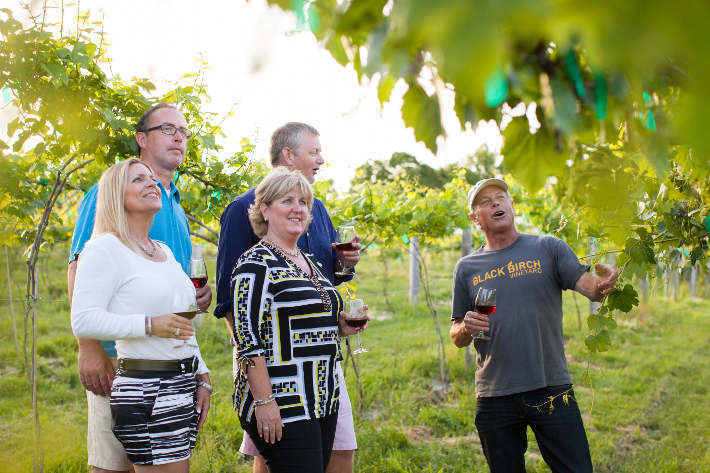
Wine Tours in Côtes du Rhône
In Côtes du Rhône, in the heart of Auvergne-Rhone-Alpes, wine tours are one of the most natural ways to discover wineries, local flavors, and authentic pairings. On Winedering you'll find 29 wine experiences, with wine itineraries ranging from 2 hours to 10 hours, including guided tastings and regional specialties. Prices start from €35 and go up to €1,635. The main departure points are Marseille, Nimes and Lyon. Choose your pace and book your wine tour in Côtes du Rhône in just a few clicks.
The best food and wine tours in Côtes du Rhône that you can't miss
The first thing you notice in the Côtes du Rhône is often the wind or the heat radiating from the ground. Whether you are standing on the steep granite terraces of the north or walking among the smooth, sun-baked stones of the south, the landscape commands attention. This massive region, the second largest wine-growing area in France covering roughly 70,000 hectares, stretches along the river from Vienne to Avignon. It is a place where history feels tangible, from Roman ruins to vines that have been tended for centuries.
Exploring this region requires more than just a map.
Because the valley spans nearly 200 kilometers, the wine styles and local dishes shift dramatically from one village to the next. A tour format works best here because it bridges the gap between the structured, single-varietal wines of the north and the warm, complex blends of the south. Local experts navigate the intricate system of Crus and Côtes du Rhône Villages, taking you directly to family-run estates where hospitality is a matter of pride. You taste the difference between Syrah grown on a slope and Grenache grown on a plateau, all while sitting down to meals that define French country cooking.
In Côtes du Rhône, wine and food belong at the same table
There is no pretense here.
In the Rhône Valley, wine is rarely consumed in silence or isolation; it is the natural partner to a meal. The rhythm of life revolves around the table, whether it is a quick "mâchon" (a traditional hearty morning meal) in the northern reaches or a long, leisurely lunch in the southern sunshine. Winemakers often open their cellars and then invite you to their dining room, or suggest the village bistro where their bottles are the house pour. It is a culture of generosity, where shared boards of charcuterie and large platters of slow-cooked meat are the norm.
Authenticity here means eating what is grown within a few kilometers of the vineyard. You might find yourself pairing a structured red with lamb raised on the nearby plateau, or enjoying a white Viognier with river fish, served right in a farmhouse kitchen or a shaded courtyard. On Winedering, "pairing" isn't just about putting food next to wine. It is a guided experience where you learn why the fat in a sausage balances the tannins in a young red, creating a combination that is better than the sum of its parts.
How the landscape of Côtes du Rhône shapes what ends up in your glass and on your plate
The Rhône River acts as a spine, but the terrain changes drastically from top to bottom.
In the north, the vines cling to steep granite slopes, battling for sunlight and rooting into hard rock. In the south, the land flattens and widens, covered in scrubland herbs (garrigue), limestone, and the famous galets roulés—large, smooth stones that absorb the day's heat and radiate it back to the vines at night. A critical element here is the Mistral, a fierce, cold wind that sweeps down the valley. It keeps the vines free of disease and concentrates the flavors in the grapes, resulting in wines with notable intensity and structure.
This distinct geography dictates the menu. The rocky, scrubby hills of the south are perfect for grazing sheep, making lamb a staple ingredient seasoned with thyme, rosemary, and savory that grow wild near the vines. In the north, the proximity to Lyon influences a cuisine rich in pâtés and sausages. When you taste a wine here, you are tasting the soil type—granite bringing tension and minerality, clay and limestone offering breadth and power—matched with food that evolved to survive and thrive in the same conditions.
The pairings you'll remember long after you leave Côtes du Rhône
A bite of sharp goat cheese with a sip of white Rhône wine creates a snap of acidity that wakes up the palate instantly.
Pairings in the Côtes du Rhône are built on robust flavors. The wines here generally have enough body and alcohol to stand up to rich, savory dishes. You aren't dealing with delicate whispers; you are dealing with bold statements. The dominance of Syrah in the north brings peppery, meaty notes that align perfectly with game, while the Grenache-based blends of the south offer jammed red fruit and spice that complement Mediterranean stews. With distinct appellations ranging from the prestigious Côte-Rôtie to the accessible Côtes du Rhône, the versatility is immense.
Look for tours that specifically mention "lunch included" or "food pairings" to ensure you experience this dynamic firsthand.
Cheese, cured meats, and artisan specialties you'll find in Côtes du Rhône
- Picodon: A small, firm goat cheese with a distinct tang. It is often served marinated in olive oil and herbs. Its acidity cuts through the richness of white Rhône blends (Marsanne/Roussanne).
- Saucisson of Lyon: Found in the northern valley, this cured sausage is fatty and flavorful. It demands a young, vibrant red wine with enough tannin to cleanse the palate.
- Nyons Olives: Small, black, and wrinkled, these olives from the south have a sweet, meaty flesh. They are a staple on every aperitivo board and pair effortlessly with a dry Rosé.
- Caillette: A pork meatball mixed with spinach or chard and wrapped in caul fat. It is savory and herbaceous, an ideal match for a spicy southern red blend.
Regional classics in Côtes du Rhône that shine even more with the right glass alongside
If you see Daube Provençale on a menu, order it. This beef stew is slow-cooked with red wine, vegetables, and garlic until the meat falls apart. The intensity of the sauce requires a wine with equal weight, such as a Châteauneuf-du-Pape or a Gigondas, where the structure of the wine mirrors the richness of the dish.
In the truffle season, specifically in the Tricastin area, Truffle Omelets are a revelation. The earthy, pungent aroma of black truffles bonds with the eggs, creating a savory depth that pairs unexpectedly well with an aged white Rhône wine, which develops nutty, oxidative notes over time. For a lighter option, Asparagus with Mousseline Sauce is a spring favorite, best served with a crisp Condrieu or a Viognier that echoes the vegetable's fresh profile without being overpowered.
Shape your food and wine tour itinerary around the table in Côtes du Rhône
Planning a trip here means respecting the geography.
Because the region is long, it is best to build your itinerary from the meal outward. Decide if you want the bouchon-style cuisine of the north near Lyon or the Provençal flavors of the south near Avignon. If you only have one day, stick to one sector. Trying to cover Côte-Rôtie and Châteauneuf-du-Pape in a single afternoon results in too much driving and not enough tasting.
Most full-day tours last about 7 to 8 hours and include pickup, ensuring you don't have to navigate the winding roads after a few glasses. Half-day options are perfect if you want a focused introduction to a specific appellation. Always check the inclusions: does the tour offer a full sit-down lunch or a lighter picnic? Filter by "lunch included" to find the most comprehensive experiences.
The kind of meal you're dreaming about in Côtes du Rhône, from rustic to refined
Dining settings here range from Michelin-starred precision to wooden tables in a vineyard shed.
Many prestigious wineries, especially in the south, have on-site restaurants where the menu is designed specifically to showcase their vintages. These meals are paced slowly, often involving three or four courses. Alternatively, you might find tours that offer a "pique-nique" in the vines—baskets filled with baguettes, terrines, and local cheese, eaten while sitting on the stone walls of the vineyard. Dietary requirements like vegetarian or gluten-free are increasingly easy to accommodate, provided you mention them at the time of booking.
The wine styles to explore in Côtes du Rhône: from icons to small producers
The red wines of this region are legendary, but the whites and rosés deserve equal attention.
In the north, Syrah is the king. It produces dark, tannic wines with notes of black pepper, violet, and smoked meat. In the south, the "GSM" blend (Grenache, Syrah, Mourvèdre) rules, offering warmer, fruit-forward profiles with higher alcohol and softer tannins. White wines often feature Viognier, known for its apricot and floral aromas, or blends of Marsanne and Roussanne which are fuller-bodied and waxy.
A good tour mixes the icons with the discoveries. You might visit a historic estate in Châteauneuf-du-Pape, one of the first appellations created in France, to see large oak foudres and learn about the 13 allowed grape varieties. Then, you might move to a smaller family producer in a village like Cairanne or Vacqueyras, where the winemaker might use concrete vats or amphorae to ferment their wines. These contrasts highlight the diversity of the region.
Small additions in Côtes du Rhône that elevate everything, like a cooking class or walking among the vines
- Truffle Hunting: In winter, join a guide and a dog in the Tricastin or Ventoux area to find "black diamonds." It usually ends with a truffle-focused tasting.
- Cooking Classes: Avignon and Lyon are culinary hubs. A morning market tour followed by a cooking session gives you the skills to recreate regional dishes at home.
- Vineyard Hikes: Walking the "Dentelles de Montmirail" offers jagged limestone peaks and stunning views of the vineyards below. It connects the geology to the wine physically.
- Chocolate Tasting: The famous Valrhona chocolate city is located in Tain-l'Hermitage. Pairing local red wines with high-quality chocolate is an intense sensory exercise.
What a food and wine tour in Côtes du Rhône looks like, step by step
A typical day starts with a drive through a landscape that looks like a painting.
After being picked up, usually around 9:00 or 10:00 AM, you head straight into the vineyards. Your guide will likely stop at a panoramic viewpoint to explain the lay of the land—the river, the slopes, and the wind. The first winery visit involves a tour of the production area, smelling the fermenting grapes or the damp oak of the cellar, followed by a guided tasting of 3 to 5 wines.
Lunch is the anchor of the day. It is rarely a rushed sandwich; expect a sit-down meal at a local bistro or winery restaurant lasting at least 90 minutes. The afternoon usually includes a second winery visit, focusing on a different style or terroir to provide contrast. Between stops, there is time to walk through a medieval village or snap photos of the vines. You return in the late afternoon, usually around 5:00 or 6:00 PM. Pricing is transparent, and most tours cover all tasting fees and transportation, leaving you free to relax.
Winery visits in Côtes du Rhône, with guided pairings and storytelling
The welcome at a Rhône winery is warm and direct.
You meet the people who make the wine or dedicated hosts who know the history of the estate intimately. Tastings are educational but accessible. You won't just drink; you will compare. You might taste a wine aged in concrete against one aged in oak to understand the textural difference. Hosts often bring out local bites—a cube of Comté cheese or a slice of sausage—to demonstrate how food alters the perception of tannins and acidity. It is practical knowledge you can use forever.
A meal in Côtes du Rhône that goes beyond a simple stop
Lunch is not just fuel; it is a cultural immersion.
Whether you are at a "Bouchon Lyonnais" with its checkered tablecloths or a sun-drenched terrace in Provence, the ingredients tell the story of the season. You might be served white asparagus in April or game stew in November. The service is attentive but relaxed. Wine is served by the glass or bottle to match the courses, often selected by the chef or guide. Expect two to three courses, coffee, and perhaps a small splash of local eau-de-vie to finish.
Time to breathe in Côtes du Rhône, with scenic routes and village strolls
The spaces between the wineries are just as important as the cellars.
The Rhône Valley is dotted with Roman heritage and medieval architecture. Tours often include brief stops at landmarks like the Pont du Gard, the Roman theatre in Orange, or the castle ruins in Châteauneuf-du-Pape. These pauses allow your palate to rest and give you a sense of place. You might have 30 minutes to wander the cobblestone streets of Vaison-la-Romaine, grab a gelato, or browse a pottery shop. It ensures the day feels like a journey, not just a drinking session.
Choose the right food and wine tour in Côtes du Rhône for your pace
Your choice depends largely on your base and your energy level.
If you are staying in Lyon, focus on the Northern Rhône (Côte-Rôtie, Hermitage). If you are in Avignon or Aix-en-Provence, the Southern Rhône (Châteauneuf-du-Pape, Gigondas) is much more accessible. Consider whether you want a private driver for a customized pace or a small-group tour to meet other travelers. Private tours offer the most flexibility with pick-up times and restaurant choices.
Check the "Inclusions" section carefully. Live availability means you can secure your spot instantly. If you are unsure, look for tours with flexible cancellation policies, allowing you to book with confidence.
Short food and wine experiences in Côtes du Rhône that still feel rich and complete
You don't need a full day to understand the region.
Short experiences, lasting 2 to 4 hours, are ideal for those passing through on a river cruise or with limited time. These often focus on a single prestigious estate or a specific village. You will get a tour of the facilities, a guided tasting of the flagship wines, and perhaps a platter of local nibbles. It is a concentrated dose of culture that fits easily into a morning or late afternoon.
Food and wine weekends in Côtes du Rhône for couples and friends
A weekend allows you to see the duality of the valley.
You might spend Saturday exploring the bold reds of the south and Sunday discovering the aromatic whites of the north. This pace is perfect for couples or groups of friends celebrating a milestone. The evenings are yours to explore the dining scene in towns like Avignon or Valence. Booking a multi-day package or stacking two different day tours gives you a comprehensive view without the fatigue of driving.
Overnight stays in Côtes du Rhône that make the atmosphere part of the memory
Staying among the vines changes the experience entirely.
When the day-trippers leave, the vineyards go quiet and the light turns golden. Many estates offer "chambres d'hôtes" (guest rooms) ranging from rustic farmhouses to luxury châteaux. Waking up to the view of the Dentelles de Montmirail or the Rhône river is unforgettable. Look for tours that include accommodation or pair a day tour with a stay at a partner winery to extend the magic.
Gift a food and wine tour in Côtes du Rhône that feel personal
This is a gift that appeals to the senses.
For the collector, a tour of the iconic appellations like Hermitage or Châteauneuf-du-Pape is a dream. For the foodie, a truffle hunting experience or a market-to-table cooking class is perfect. Winedering vouchers are easy to redeem, offering the recipient the freedom to choose their dates. It is a gesture that says you understand their taste.
When to book a food and wine tour in Côtes du Rhône?
The valley is a year-round destination, but each season tastes different.
Spring and autumn offer the most comfortable temperatures for vineyard walks. Summer brings heat and festivals, while winter is quiet, cozy, and truffle-focused. Tours in prestigious areas like Châteauneuf-du-Pape can fill up weeks in advance, especially on weekends and during harvest. It is wise to book as soon as your travel dates are set.
Harvest season in Côtes du Rhône, when the region comes alive
September is electric.
The roads are filled with tractors, and the air smells of crushed grapes. Wineries are busy, so visits might be slightly shorter or different in format, often allowing you to see the fruit arriving at the crush pad. It is the best time to see the sheer physical work behind every bottle. Booking well in advance is essential as this is the peak time for industry professionals and enthusiasts alike.
Autumn and winter in Côtes du Rhône, for deeper dishes and comforting wines
From November to March, the pace slows down.
The landscape turns russet and gold, then quiet and misty. This is the season for black truffles, hearty stews, and drinking the most robust red wines by a fireplace. It is an intimate time to visit; winemakers have more time to chat, and the crowds are gone. Just be aware of shorter daylight hours and check that smaller family restaurants are open.
Spring and summer in Côtes du Rhône, for outdoor meals and lighter pairings
From April to August, life moves outside.
The vines burst into green, and the markets overflow with strawberries, asparagus, and melons. Rosé wines become the star of lunch, and tastings often happen on terraces. July can be hot, so morning tours are often more comfortable. Don't forget a hat and sunscreen. This is the time for picnics and sunset tastings that stretch late into the evening.
Food and wine events in Côtes du Rhône, when the calendar adds extra magic
- Découvertes en Vallée du Rhône: A major professional fair that occurs every two years, bringing energy and events to the whole valley.
- Fête de la Véraison: Held in Châteauneuf-du-Pape in August, this medieval festival celebrates the ripening of the grapes with parades and tastings.
- Truffle Markets: Weekly markets in Richerenches and Carpentras during winter are a spectacle of scent and commerce.
Côtes du Rhône: Good to know
The average price of a wine tasting with winery visit in Côtes du Rhône is around €40. Depending on the experience, prices range from €10 to €70. Booking in advance ensures availability and the best prices.
Here are the top wineries to visit in Côtes du Rhône:
- Domaine de la Bouvaude
- Mas des Escarades
- Vins laurent bellion
- Domaine de la Croix Blanche
- Domaine de la Chapelle
- Château Saint Nabor
- Domaine Piallat
- Domaine Saint-Laurent
Here are the best wine tastings to book in Côtes du Rhône:
- Discover Domaine Tour Paradis: Wine Tasting in Aiguèze, Côtes du Rhône
- Domaine Tour Paradis: Winery Visit & Wine Tasting in Aiguèze, Côtes du Rhône
- Sunset Aperitif in the Châteauneuf-du-Pape Vineyard at Mas de BoisLauzon
- Wine tasting experience at Domaine de la Chapelle
- Vines and Lights Sensory Journey & Wine tasting experience at Domaine de la Bouvaude
- Châteauneuf-du-Pape Wine Tasting & Winery Tour at Domaine Bois de Boursan
- Châteauneuf & Vacqueyras Wine Tasting, Cellar Tour with the winemaker and Olive Oil tasting
- Gourmet Wine Tasting Experience at Château Saint Nabor
Most wine tours in Côtes du Rhône depart from these cities:
Continue with a social account