

Wine Tastings, Winery Visits and Wine Tours in Azores
Explore wine tastings and winery visits in Azores, a standout area within Azores, Portugal. With 9 options available, 5 of them at the winery itself, you'll find experiences from 40 minutes up to 8 hours, priced between €20 and €269. Visit local wineries, discover the terroir, and savor the wines that make Azores worth the trip.
If you are looking for a wine tour, with cellar visits and tastings at one or more wineries, this page also lists 4 wine tours, departing mainly from Madalena and Angra do Heroísmo.
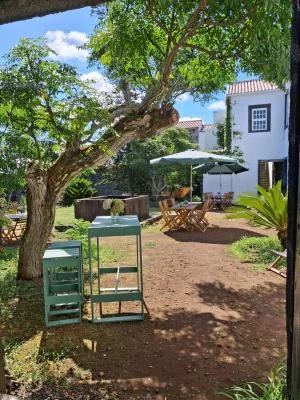
Azores, Madalena, Madalena -
(Azores, Pico)
1 Hour
Min 1, Max 40
From €30
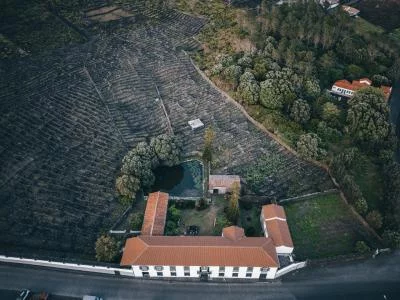
Azores, Madalena, Madalena -
(Azores, Pico)
1 Hour 30 Minutes
Min 1, Max 40
From €65

Azores, Angra do Heroísmo, Angra (Nossa Senhora da Conceicao) -
(Azores)
8 Hours
Min 2, Max 32
From €184
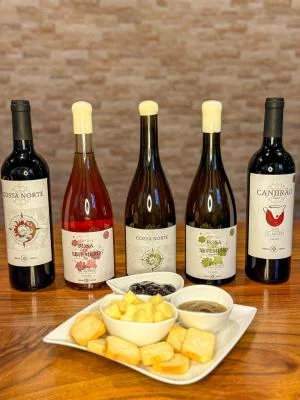
Azores, Praia da Vitória, Biscoitos -
(Azores)
2 Hours
Min 2, Max 10
From €55

Azores, Madalena, Madalena -
(Azores, Pico)
45 Minutes
Min 1, Max 14
From €25

Azores, Madalena, Madalena -
(Azores, Pico)
40 Minutes
Min 1, Max 14
From €20

Azores, Madalena, Madalena -
(Azores, Pico)
5 Hours
Min 2, Max 6
From €140
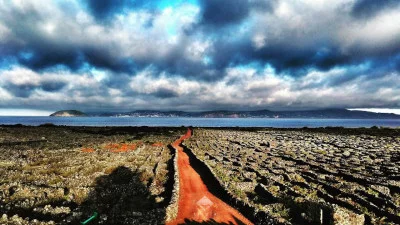
Azores, Madalena, Madalena -
(Azores, Pico, Oporto)
8 Hours
Min 2, Max 8
From €140

Azores, Madalena, Madalena -
(Azores, Pico)
4 Hours
Min 2, Max 10
From €80
The best wine tastings in the Azores
There is perhaps no wine region in the world more visually striking than the Azores. Here, vines do not grow in neat, trellised rows, but sprawl across black volcanic rock, protected from the Atlantic salt spray by intricate labyrinths of stone walls known as currais. This is heroic viticulture in its purest form, resulting in wines that taste distinctly of the ocean—saline, mineral, and electrifyingly fresh. With three specific DOP appellations (Pico, Biscoitos, and Graciosa) and a total vineyard area recovering to over 1,000 hectares, the archipelago is experiencing a renaissance. Tastings here are not just about sipping wine; they are about understanding how agriculture survives on the edge of the Atlantic. You can expect intimate cellar visits, walking tours through UNESCO-listed vineyards, and curated flights that highlight the incredible acidity and texture of volcanic grapes. We offer a selection of these authentic experiences, ensuring your booking is secure and your encounter with Azorean wine is unforgettable.
Wine tastings in the Azores, among local flavors and aromas
Tasting wine in the Azores is a sensory immersion into the landscape. The dominant aroma family is mineral—think wet basalt, sea breeze, and crushed rock—often layered with citrus zest and tropical hints from the Verdelho grape. The terroir is defined by the soil, which is almost entirely volcanic rock, and the proximity to the ocean; in some places, the vineyards are mere meters from the crashing waves. A typical tasting sequence focuses on dry whites, showcasing the evolution from crisp, young vintages to complex, texture-rich reserves aged on lees. You will learn to identify the "volcanic signature" on the palate: a vibrating acidity and a salty finish that lingers. Most experiences last between 60 and 90 minutes and are conducted in English, catering to both casual enthusiasts and serious collectors. Whether you are looking for a quick introduction or a deep dive into island viticulture, browse our list to find the perfect match.
Great classics and iconic wines of the Azores, tastings you can't miss
The reputation of Azorean wine is built on its indigenous white grapes and historic fortified wines. The classics revolve around the Pico DOP, where the struggle between vine and volcano produces wines of rare concentration. The key varieties are Arinto dos Açores, Verdelho, and the rare Terrantez do Pico. These wines are typically vinified in stainless steel or neutral oak to preserve their pristine salinity, often with alcohol levels ranging from 12% to 13.5%. A crucial fact to know is that the currais system on Pico Island is a UNESCO World Heritage site, a testament to the cultural significance of this production method. In the glass, expect a sharp, structural acidity and a texture that feels almost oily or waxy, balanced by fresh fruit. The best way to understand these wines is through a comparative tasting that pits different elevations or proximities to the sea against one another. We encourage you to book a vertical tasting or a premium flight to truly grasp the potential of these island icons.
Azores wine tasting map: plan your tour in a couple of clicks
Exploring the Azores requires some logistical planning, as the wine regions are spread across different islands, though the majority of production is concentrated on Pico. A practical approach is to treat Pico as the hub for wine tourism, with day trips or ferries to nearby Faial and São Jorge.
- Half-day route: Focus on the area around Madalena on Pico Island. Visit the Wine Museum and one nearby winery for a tasting within the stone-walled vineyards.
- Full-day route: Expand your circle to the northern coast of Pico (Cachorro and Lajido). Include two distinct winery visits and a lunch pairing featuring local seafood.
- Island-hopping route: If time allows, take a flight or ferry to Terceira Island to explore the Biscoitos DOP, known for its unique "lava-flow" vineyards and fortified wines.
Use our interactive map to check real-time availability, filter by island, and secure your tastings before you travel.
Winery tours in the Azores, a complete experience from grape to glass
A winery tour in the Azores is a tactile experience. It often begins not in the cellar, but with a walk over the jagged black basalt, feeling the heat radiating from the stones that helps ripen the grapes. You will see firsthand how vines are pruned low to the ground to hide from the fierce Atlantic winds. Inside the winery, the tour shifts to the technical side, explaining how winemakers manage the naturally high acidity and potential oxidation issues inherent to the climate. Many producers are now using a mix of modern temperature-controlled tanks and traditional wooden vats to create balance. One fascinating detail you might learn is how the "spray" of salt water during storms actually deposits salt on the grapes, directly influencing the flavor profile. These tours cater to all levels of interest, from scenic walks for beginners to technical masterclasses for geeks.
The best wineries and wine producers in the Azores to visit
We define the "best" producers as those who combine exceptional wine quality with warm, professional hospitality. In the Azores, this ranges from historic cooperatives that have kept viticulture alive for decades to dynamic new private estates pushing the boundaries of quality. Key signals of a top-tier producer include a focus on single-varietal bottlings of indigenous grapes (especially Terrantez do Pico) and a commitment to recovering abandoned vineyards. Currently, there are less than 20 commercial producers across the archipelago, making the scene intimate and accessible, but capacity is limited. We strongly recommend booking your visits in advance to ensure you meet the people behind the labels.
Wine experience Azores: worth doing, worth sharing
There is a singular magic to sitting on a terrace, a glass of Verdelho in hand, watching the silhouette of Mount Pico pierce the clouds while the ocean stretches to the horizon. Wine experiences here go beyond the tasting counter; they are about connecting with a resilient culture that has turned volcanic rock into fertile ground. Our platform ensures that every experience listed offers transparent pricing, verified reviews from fellow travelers, and the flexibility of free cancellation on many options. Whether you are looking for a simple flight of three wines or a comprehensive vineyard tour, you can book with confidence and look forward to a moment worth sharing.
Azores tastings with local menus, plus lunch or dinner at the winery
The cuisine of the Azores is rustic, fresh, and deeply connected to the sea, making it the perfect partner for the local wines. When you book a tasting with a meal, you aren't just getting generic snacks; you are getting a lesson in regional gastronomy.
- Local ingredients: Expect fresh queijo fresco (fresh cheese) with pepper paste, crusty corn bread, and local seafood like limpets or tuna.
- Pairing logic: The high acidity of Azorean whites cuts through the richness of the cheeses and buttery sauces, while the salinity complements the brine of the shellfish.
- Format: Most lunch pairings are seated, relaxed affairs lasting about two hours, featuring 3-4 wines matched with specific courses.
- Dietary needs: While seafood is dominant, many wineries can accommodate vegetarian requests if notified in advance.
Check the menu details on our listings and reserve your table early, especially during the summer months.
Vineyard picnics and sunset aperitifs in the Azores
As the sun sets over the Atlantic, the black rocks of the vineyards turn a deep charcoal and the light softens, creating a stunning atmosphere for an outdoor aperitif. Our picnic packages typically include a hamper filled with Azorean specialties—cured meats, São Jorge cheese, and artisanal bread—along with a bottle of chilled white wine. These experiences usually run from late afternoon into the evening, capitalizing on the golden hour. Because the weather can change quickly in the middle of the Atlantic, we suggest booking for the beginning of your trip so you have flexibility to reschedule if rain rolls in.
Guided tasting experiences in the Azores: wineries, hikes, and weekend getaways with an overnight stay
For those who prefer a slower pace, guided experiences offer a deeper connection to the islands. A popular format involves a guided hike through the UNESCO heritage vineyards, where a local expert explains the architecture of the walls and the history of the region, followed by a rewarding tasting session. These tours allow you to understand the sheer physical effort required to maintain these vines. Multi-day options might include island hopping to compare the subtle terroir differences between Pico and Terceira. Advanced tastings often include vertical flights, allowing you to see how these white wines develop nutty, honeyed complexity over time.
Azores wine tastings with moments for couples and experiences for the whole family
The Azores is a welcoming destination for all types of travelers. Couples can find secluded spots for private tastings, often with breathtaking views of the ocean or the volcano, perfect for a romantic evening. Families are also well-catered for; while the adults taste, children can often explore the safe, walled vineyard paths or enjoy local fruit juices. Most experiences are ground-level and accessible, though the vineyard terrain can be uneven. If you are traveling with children, look for wineries that offer garden spaces or simplified tours that focus on the nature aspect. Browse our family-friendly filters to find the right fit for your group.
Vouchers, bundles, and wine tastings to gift in the Azores
Gifting a wine experience in the Azores is gifting a memory of one of the most unique landscapes on earth. Our vouchers are flexible, allowing the recipient to choose their preferred date and winery. You might select a bundle that includes a vineyard tour and a premium tasting for a serious wine lover, or a sunset picnic voucher for a couple on their honeymoon. All vouchers come with instant confirmation and a long validity period, making them a stress-free gift option. For the undecided, the "open value" voucher is the safest bet, letting the traveler build their own itinerary.
Beyond Azores: more tastings to try nearby
While the Azores are an archipelago, the concept of "nearby" usually involves a ferry or a short flight. If you are based on Pico, you are uniquely positioned to explore a cluster of islands known as the "Triangle." Extending your trip to include Faial or São Jorge can add a different dimension to your understanding of Atlantic life. These islands are less focused on wine production but offer incredible food and scenery. For wine specifically, a flight to Terceira allows you to explore the Biscoitos region. A multi-island itinerary requires planning, so check the ferry schedules and allow for at least a half-day of travel between destinations.
Surprising wine experiences among provinces and towns around the Azores
Each island has its own character. On Terceira, the town of Biscoitos is famous for its natural swimming pools carved into volcanic rock, which sit right next to the vineyards. Here, the wine style is historically more oxidative and fortified, distinct from the crisp dry whites of Pico. On Graciosa, the "White Island," you will find a smaller, quieter wine scene with lighter, very approachable white wines. Adding a stop in Graciosa or Terceira offers a glimpse into the diversity of the archipelago's terroir. We recommend seeking out the local cooperative cellars in these smaller zones for an authentic and unpretentious tasting.
Azores wine highlights
Before you book, here is a quick primer to help you navigate the local wine scene. The Azores has three main wine appellations: Pico DOP, Biscoitos DOP, and Graciosa DOP. The defining factor here is the soil—basaltic lava—and the climate, which is humid, windy, and temperate with very little temperature variation (low diurnal range). The term you will hear most often is terroir, which here refers specifically to the salty, volcanic influence that makes the wines taste savory rather than just fruity. Sapidity (flavorful salinity) is the hallmark of a great Azorean wine.
Azores grape varieties: heritage, soil, and tradition
The wines of the Azores are defined by three key indigenous white grapes, all of which thrive in the volcanic rock.
- Verdelho: The most planted and famous grape. It produces wines with good body, notes of tropical fruit (pineapple, passion fruit), and a distinct mineral finish.
- Arinto dos Açores: Unique to the islands and not the same as mainland Arinto. It is the backbone of acidity, offering piercing freshness and notes of citrus and green apple.
- Terrantez do Pico: A rare, almost extinct variety that has been recovered. It produces complex, aromatic wines with floral notes and a salty kick.
You may also see "Isabella," a hybrid grape used for local table wine (Vinho de Cheiro), though it is not permitted in DOP wines. Use our grape guide to select tastings that feature these unique native varieties.
Signature wines of the Azores and labels to know
When looking at wine lists, keep an eye out for specific styles that define the region. The "Ilha do Pico Branco" is the standard-bearer: a dry, crisp white usually made from a blend of Arinto and Verdelho. For something more historic, ask about "Lajido" or other fortified wines (Licoroso), which can be semi-dry or sweet, aged for years in barrels. These wines often have notes of spice, dried fruit, and caramel. In tastings, you will likely encounter current releases of dry whites, which should be served cold (8-10°C). Enthusiasts should look for "Garrafeira" or single-vineyard labels, which denote superior aging or specific plot characteristics. Browse our listings to find producers pouring these signature bottles.
Food and wine in the Azores, the perfect pairing
The Azorean table is a celebration of the Atlantic. The cuisine relies heavily on the quality of the raw ingredients, from pasture-raised beef to deep-sea fish. The local wines, with their high acidity and salinity, are built to cleanse the palate and enhance these flavors. A key product to look for is the Queijo São Jorge DOP, a semi-hard cow's milk cheese with a spicy kick that pairs beautifully with the fuller-bodied Verdelho wines. We invite you to choose tastings that include food options to fully appreciate this regional synergy.
Food & wine tours in the Azores to taste the region beyond the glass
For a comprehensive look at the local gastronomy, consider a food and wine tour. These experiences often combine visits to local markets—where you can see the exotic fruits and fresh catch of the day—with a winery lunch. You eliminate the need for driving and get a guided explanation of how the island's isolation has shaped its diet. Tours typically last 4-6 hours and include transport, making them a hassle-free way to indulge.
Azores wines and local dishes with pairings you'll want to try
Here are a few essential pairings to try during your visit:
- Lapas Grelhadas (Grilled Limpets) + Arinto dos Açores: The garlic and butter sauce on the shellfish needs the sharp acidity of the Arinto to cut through the fat, while the wine's salinity matches the sea taste.
- Cracas (Barnacles) + Verdelho: A textural pairing where the body of the Verdelho stands up to the intense ocean flavor of this unique crustacean.
- Alcatra (Pot Roast) + Aged White or Light Red: This spiced beef stew from Terceira is traditionally paired with bread and wine. A structured, aged white wine has enough weight to handle the spices.
Look for tastings that offer "petiscos" (tapas) menus to try these combinations on site.
Make it yours: build a Azores-themed getaway
Building a trip to the Azores requires a balance between exploration and relaxation. We recommend basing yourself in Madalena on Pico Island for at least 3 days to properly explore the wine country. A realistic pace is two winery visits per day, interspersed with coastal walks or a swim in a natural pool. Use our map to cluster your visits geographically to minimize driving time, and remember to book your ferry tickets in advance if you plan to island hop.
Things to do around the Azores to make your trip even more memorable
Beyond the vineyards, the Azores offer world-class nature experiences.
- Whale Watching: The deep waters around Pico and Faial are some of the best in the world for spotting sperm whales.
- Climb Mount Pico: Hiking Portugal's highest peak offers incredible views over the vineyards below.
- Gruta das Torres: Explore one of the world's longest lava tubes on Pico.
- Natural Swimming Pools: Cool off in the ocean pools formed by lava flows in Cachorro or Biscoitos.
Pair a morning whale watching tour with an afternoon tasting for the perfect "sea and soil" day.
Storybook villages, must-see sights, and places to visit around the Azores
The towns in the Azores are characterized by black stone masonry and white facades. Angra do Heroísmo on Terceira is a UNESCO World Heritage city and a must-visit for its colonial architecture. On Pico, the village of Lajes do Pico is the historic center of the whaling industry and offers a charming, slower pace. These stops provide cultural context to the agricultural history you learn about in the wineries. Add a stop in Lajido on Pico to see the old distilleries and cellars right on the coast.
Planning a trip to the Azores? Here's the best time to go
The Azores have a maritime subtropical climate, meaning the weather is changeable. The best time for wine tourism is from June to September, when temperatures are warm (20-25°C) and rain is less frequent. This is also when the vineyards are lush green against the black rock. Harvest usually takes place in late August or early September, a vibrant time to visit, though availability for tours may be tighter. Winter is mild but often rainy and windy, which has its own dramatic beauty, but ferry crossings can be disrupted. Check live availability on our platform and book summer slots well in advance.
Wine festivals and events in and around the Azores you won't want to miss
If your travel dates align, attending a local festival is a highlight. The "Festa das Vindimas" (Harvest Festival) typically happens in September on Pico, featuring music, food, and plenty of wine. Throughout the summer, various "Festas do Espírito Santo" occur in every village, offering free food and wine to the community in a tradition dating back centuries. These events are crowded but offer the most authentic glimpse into Azorean soul.
Azores: Good to know
What visit in Azores?
Scattered across the Atlantic, the Azores comprise an extraordinary wine region shaped by volcanic landscapes and maritime climates. Encompassing islands like Pico, Graciosa, and Terceira, the archipelago delivers wines that echo its dramatic environment—mineral-laced whites, refined reds, and rare varietals, all rooted in centuries-old tradition and the islands' untamed beauty.
Wine tourism in the Azores weaves serenity with legend. Visitors explore terraced vineyards cradled by basalt walls, visit historical cooperatives, and savor wines amid oceanic breezes. On Pico, former volcanically carved plots (currais) form a UNESCO-listed vineyard tapestry. Across islands, hosts invite you into cellar tastings rich in storytelling and tradition.
Which food to taste in Azores?
Azorean wines elevate local cuisine with authenticity. Crisp, saline whites pair beautifully with grilled seafood, limpets, or sashimi-fresh fish, while structured reds complement hearty stews and artisan cheeses. Dishes like octopus stewed in wine, regional pastries, and other island-made specialties come alive when matched with the volcano-born wines of the islands.
Which wines to taste in Azores?
The region’s vines reflect resilience and heritage. Whites such as Verdelho, Arinto dos Açores (or Terrantez), and rare Terrantez do Pico offer bright acidity, minerality, and coastal freshness. Reds like Bastardo (Trousseau) and Castelão deliver light spice and earthiness. With over 30 native varieties, the Azores express an enriching, island-specific wine vocabulary.
Which is the best season to visit Azores?
Life among the vines shifts with seasonal nuances. Spring brings vivid renewal across basalt slopes. Summer, tempered by ocean mist and cool nights, preserves wine’s freshness. Harvest season blooms under golden autumnal light and vineyard activity. Winter invites contemplative cellar visits amid the stillness of volcanic terrain—each season offering a unique sensory layer.
What things to do in Azores?
Begin in Pico with a visit to UNESCO-listed basalt vineyards and a tasting at a historic winery. On Terceira, uncover the wine museum of Biscoitos and sample its signature fortified-style Verdelho. Explore boutique wine estates, pair plates of regional fare, and stroll through rural charm. Each island’s blend of volcanic terrain, wine culture, and hospitality makes for a uniquely moving voyage.
How much does a wine tasting with winery tour in Azores cost?
The average price of a wine tasting with winery visit in Azores is around €88. Depending on the experience, prices range from €20 to €269. Booking in advance ensures availability and the best prices.
Which wineries to visit in Azores?
Here are the top wineries to visit in Azores:
- DimasAdega
- Adega do Vulcão - Solar Terra Brum, Pico
- Pico Island Cooperative - Picowines
- Adega do Vulcão - Adega dos Capelinhos, Faial
Where do wine tours in Azores usually depart from?
The main departure points for wine tours in Azores:
Continue with a social account