Food and Wine Tours in La Mancha
In La Mancha, in the heart of Castille-La Mancha, food and wine tours are one of the most natural ways to discover wineries, local flavors, and authentic pairings. On Winedering you'll find 7 food and wine experiences, with food and wine itineraries ranging from 8 hours to 10 hours, including guided tastings and regional specialties. Prices start from €69 and go up to €530. Choose your pace and book your food and wine tour in La Mancha in just a few clicks.
The best food and wine tours in La Mancha that you can't miss
The first thing you notice in La Mancha is the horizon. It stretches endlessly, broken only by the silhouette of a windmill or the neatly planted rows of vines that seem to go on forever. This is the largest continuous vineyard area in the world, covering a vast plateau that sits roughly 600 to 700 meters above sea level. It is a land of extremes—hot sun, cold winters, and dry winds—that produces flavors of remarkable intensity. A food and wine tour here is essential because the distances are significant and the production scale is massive; you need a guide to navigate past the industrial bulk producers and find the historic caves and family estates that are redefining quality.
Here, the experience is honest and direct.
You aren't just visiting a winery; you are stepping into a culture where bread, cheese, and wine have sustained people through centuries of hard labor on the plains. The hospitality is not rehearsed. It is as solid and grounding as the red clay soil under your feet.
In La Mancha, wine and food belong at the same table
In this region, drinking wine without food is almost unheard of. The rhythm of the day dictates that a glass of Cencibel (the local name for Tempranillo) is accompanied by something substantial to eat. It starts with the mid-morning snack, often a piece of preserved pork or cheese, and continues into long lunches that can last for hours.
The social element is built around shared boards and communal pots.
On Winedering, a "pairing" in La Mancha goes beyond a simple cracker on the side. We select experiences where the connection is deliberate. You might taste a structured red reserve wine in a cellar lined with clay jars (tinajas), matched with game meat prepared in a traditional farmhouse kitchen. It is about understanding that the acidity in the wine is there specifically to cut through the richness of the local cuisine.
How the landscape of La Mancha shapes what ends up in your glass and on your plate
The terrain here is flat, ruddy, and sun-baked, defined by a continental climate with extreme temperature swings. This is the definition of a high plateau environment. The soil is often rich in limestone and clay, which acts like a sponge, retaining the scarce rainwater deep underground so vines can survive the scorching summers without irrigation.
This struggle for water concentrates the sugars and flavors in the grapes.
Consequently, the wines are powerful, with high alcohol potential and robust structures. This landscape also dictates the diet. The dry scrubland is perfect for sheep, which leads to the production of world-famous Manchego cheese. The vast open fields are home to partridge and rabbit, staples of the local hunting cuisine. When you drink a local white made from the Airén grape, its neutrality and subtle crispness are the perfect foil for the intense garlic and saffron flavors that dominate the regional dishes.
The pairings you'll remember long after you leave La Mancha
There is a specific satisfaction in eating a slice of cured sheep's cheese while standing in the vineyard where the wine in your hand was grown. The pairings here are not delicate or fussy; they are bold collisions of flavor that work because they share the same rugged origin.
The local red wines, often aged in oak, have the tannic grip necessary to handle the protein-rich, fatty foods of the region.
When you browse tours, look for those that explicitly mention "tapas tasting" or "traditional lunch." These experiences prioritize the marriage of local ingredients—like the garlic from Las Pedroñeras or saffron from Consuegra—with wines that have been crafted to support them.
Cheese, cured meats, and artisan specialties you'll find in La Mancha
- Manchego Cheese: The undisputed king of the table. Produced from the milk of the Manchega sheep, it varies from semi-cured (creamy, mild) to aged (hard, spicy, piquant). It is almost always served in triangular wedges.
- Lomo de Orza: Pork loin that has been fried and then preserved in olive oil with spices. It has a tender, confit-like texture that melts in the mouth and demands a red wine with good acidity.
- Chorizo and Salchichón: Cured sausages seasoned heavily with paprika (pimentón) and garlic. The fat content here pairs brilliantly with young, fruity reds.
- Eggplant form Almagro: Small eggplants pickled in vinegar, oil, cumin, and paprika. Their sharp acidity and unique texture make them a classic appetizer (aperitivo) to wake up the palate.
Regional classics in La Mancha that shine even more with the right glass alongside
- Pisto Manchego: A slow-cooked fry-up of tomatoes, peppers, onions, and zucchini, similar to ratatouille but cooked with more olive oil. It is sweet and savory, often served with a fried egg. A young Tempranillo or a rosé balances the sweetness of the cooked vegetables.
- Migas del Pastor: Originally a shepherd's dish made from day-old breadcrumbs fried with garlic, chorizo, and bacon. It is incredibly filling and savory. It requires a robust red wine (Crianza or Reserva) to cleanse the palate between bites.
- Duelos y Quebrantos: A scramble of eggs, chorizo, and bacon. The name dates back to "Don Quixote." The saltiness of the cured meats finds a perfect partner in the fruit-forward profile of a Garnacha blend.
- Gazpacho Manchego: Unlike the cold tomato soup of the south, this is a hearty warm stew made with unleavened bread (torta cenceña) and game meat like rabbit or quail. It is a complex, earthy dish that needs an aged, structured wine to stand up to its intensity.
Shape your food and wine tour itinerary around the table in La Mancha
Planning a trip here requires a shift in perspective: build your day around the meal. Because distances between towns can be thirty minutes or more of driving through open plains, it makes sense to choose a specific zone—like the area around Alcázar de San Juan or Valdepeñas—and explore thoroughly rather than trying to cross the whole region.
Most travelers start with a winery visit in the morning when the air is cooler.
This naturally leads into a lunch pairing. When booking, check the duration carefully. A "visit with tasting" might take 90 minutes, but a "gastronomic tour" will likely require four hours. If you want to drink freely, filtering for tours with "hotel pickup" is the smartest logistical move you can make.
The kind of meal you're dreaming about in La Mancha, from rustic to refined
You can find dining experiences ranging from simple country inns to sophisticated winery restaurants. Some historic estates have converted their original 17th-century farmhouses into dining rooms where you eat surrounded by stone walls and wooden beams.
These meals typically follow a leisurely pace.
Expect three courses minimum. Dietary requirements like vegetarianism are manageable, particularly with dishes like Pisto and local cheeses, but this is historically a meat-heavy region. For a special occasion, look for wineries that offer private dining in their barrel rooms; for a casual day out with friends, a "lunch in the vineyard" picnic offers a relaxed way to enjoy the silence of the plains.
The wine styles to explore in La Mancha: from icons to small producers
La Mancha produces a staggering variety of wine, but a few key styles define the region. The white Airén grape is the workhorse here, traditionally used for brandy but now vinified into crisp, neutral white wines. The star red is Cencibel (Tempranillo), which adapts to the heat by developing thicker skins and deeper fruit flavors than its northern cousins.
You will encounter two distinct worlds: massive cooperatives and "Vinos de Pago."
Vinos de Pago are single-estate wines recognized as having unique soils and microclimates, representing the highest tier of quality. While touring, ask about wines aged in tinajas (clay jars). This ancient method is seeing a revival, offering wines that taste purely of fruit and earth without the vanilla notes of oak barrels.
Small additions in La Mancha that elevate everything, like a cooking class or walking among the vines
To truly understand the flavor of the region, step away from the tasting counter for an hour.
- Saffron Farm Visit: La Mancha produces some of the world's best saffron. Visiting a producer during the harvest (October) to see the violet flowers is an unforgettable sensory layer.
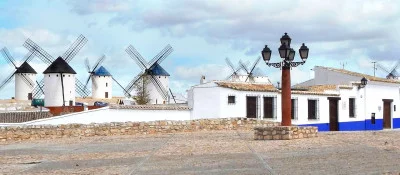
- Windmill Tour: While not edible, the windmills of Consuegra or Campo de Criptana define the landscape. Many tours combine a photo stop here with a wine tasting nearby.
- Cheese Workshops: Some estates offer the chance to see how Manchego is cured. Watching the process gives you a new appreciation for the texture and price of the cheese on your board.
What a food and wine tour in La Mancha looks like, step by step
A typical day begins with a drive through the vast, open countryside. The scale of the agriculture here is humbling. You will likely arrive at the estate around 10:00 or 11:00 AM. The first part of the experience is almost always a walk—either through the vines to touch the chalky soil or through the production halls where the smell of fermenting grapes or aging oak fills the air.
Then comes the tasting.
This is rarely a standing-at-the-bar affair. You will be seated, and the host will pour a flight of 3 to 5 wines. The food appears concurrently or immediately after. If you have booked a lunch tour, the tasting transitions seamlessly into a sit-down meal. The pace is slow; Spanish hospitality does not rush.
You finish with a sense of fullness—both from the food and the sheer breadth of the horizon.
Winery visits in La Mancha, with guided pairings and storytelling
Hosts in La Mancha are eager to change the perception that the region is only about quantity. You will meet winemakers who are passionate about low yields and old vines. They will explain technical details, like how they prune vines in the "vaso" (goblet) shape to shade the grapes from the relentless sun.
The tasting is the proof of their effort.
Guided pairings allow you to test the theory: does the oak-aged Reserva really improve the taste of the cured pork loin? The answer is usually yes. Trust signals like verified reviews on Winedering ensure you are visiting estates that invest in this level of education and service.
A meal in La Mancha that goes beyond a simple stop
Dining here is an immersion in rural Spanish tradition. Ingredients are often sourced from within a few kilometers of the kitchen. A winery lunch is not just fuel; it is a demonstration of the estate's philosophy on a plate.
Expect robust flavors.
Garlic, paprika, and olive oil are the pillars. The meal provides the necessary context for the bold wines. Without the food, the high tannins and alcohol of a local red might feel overpowering; with the food, they feel balanced and necessary. Most experiences include water and coffee, rounding out a complete service.
Time to breathe in La Mancha, with scenic routes and village strolls
Between the winery and the restaurant, there is often time to explore. The villages of La Mancha are painted white and indigo (azul añil) to reflect the heat. A short walk through a town square or a drive up to a ridge of windmills offers a visual break.
Take these moments to slow down.
The heat in the middle of the day can be intense, so these stops are best kept brief or enjoyed from the comfort of a vehicle. We recommend booking tours that explicitly mention "scenic stops" or "free time" if you want to capture those iconic photos of the mills against the blue sky.
Choose the right food and wine tour in La Mancha for your pace
The region is large, so your choice depends on how much driving you want to do. If you are staying in Madrid and taking a day trip, look for full-day tours that handle the transport—it’s a long day but rewarding. If you are already staying in a local town like Toledo or Almagro, you have more flexibility for shorter visits.
Compare the group sizes.
Small group tours offer more access to the winemaker, while private tours allow you to customize the pickup time. Check the live availability on Winedering to secure your slot, as many family-run bodegas do not open every day of the week.
Short food and wine experiences in La Mancha that still feel rich and complete
If you are driving from Madrid to Andalusia, La Mancha is the perfect midway stop. A short experience, lasting about two hours, fits perfectly into a travel day. These visits typically include a tour of the facilities followed by a tasting of three wines with a plate of cheese and ham.
It is efficient but authentic.
You get the flavor of the region without derailing your entire schedule. Look for "express tasting" or "visit & appetizer" options. Even in a short time, the hospitality is warm and the insights into the terroir are valuable.
Food and wine weekends in La Mancha for couples and friends
For a deeper dive, dedicate two days. This allows you to visit a large historic producer on day one and a small, organic boutique winery on day two. The evenings in La Mancha are quiet and atmospheric, perfect for a relaxed dinner in a village plaza.
Weekends here are about decomposing the stress of the city.
Start your tastings around 11:00 AM to allow for a lazy breakfast. Plan your transport ahead of time so everyone in your group can enjoy the wines freely.
Overnight stays in La Mancha that make the atmosphere part of the memory
Staying overnight changes the experience entirely. You see the vineyards at golden hour and hear the profound silence of the plains at night. Accommodation options range from "Casas Rurales" (rural houses) to luxury hotels inside converted convents or wineries.
Waking up among the vines is special.
When booking, check if the accommodation has its own restaurant or is near a town, as rural locations can be isolated. We suggest looking for tour packages that bundle a stay with a tasting dinner for the ultimate convenient getaway.
Gift a food and wine tour in La Mancha that feel personal
A tour here is a fantastic gift for someone who loves history, literature, or bold red wines. It is less crowded than other Spanish wine regions, making it feel like a discovery. You can choose a specific date or opt for a gift card if you are unsure of their travel plans.
It is a gift of time and flavor.
Select an experience that matches their taste—perhaps a cheese-focused tour for a foodie or a technical vineyard tour for a serious wine collector. The pricing is transparent, and the memories of the windmills and wine will last a lifetime.
When to book a food and wine tour in La Mancha?
The climate in La Mancha dictates the calendar. Summers are fiercely hot, and winters are sharp and cold. The best times to visit are spring (April-May) and autumn (September-October), when the temperatures are mild and the landscape is most active.
However, wineries are open year-round.
If you visit in summer, book morning tours to beat the heat. If you visit in winter, the hearty food tastes even better. Check live availability for your dates, especially if you plan to visit during local festivals.
Harvest season in La Mancha, when the region comes alive
Harvest here is a massive operation, usually peaking in September. The roads are filled with tractors hauling trailers of grapes. The smell of crushed fruit hangs in the air around the villages.
It is an exciting, high-energy time.
Wineries are busy, so booking in advance is crucial. You might see the grapes arriving at the crush pad or taste the fresh must (grape juice) before it ferments. It is the most authentic time to see the sheer volume of production that defines La Mancha.
Autumn and winter in La Mancha, for deeper dishes and comforting wines
As the temperatures drop, the menu shifts to comfort. This is the season for hot soups, roasted meats, and game. The vineyards turn shades of gold and rust before losing their leaves.
The wines feel warmer and more necessary.
Tasting rooms are cozy, often heated by wood fires. It is a quiet time for tourism, meaning you will likely have the host's undivided attention. Just be aware that days are shorter, so plan your drives accordingly.
Spring and summer in La Mancha, for outdoor meals and lighter pairings
Spring is brief but beautiful, with green shoots covering the typically brown earth. Summer is the time for survival against the heat—think chilled whites, cold soups, and late dinners on terraces.
Vineyards are in full leaf.
If you visit in July or August, prioritize wineries with thick stone walls or modern climate control. Look for experiences that offer "sunset tastings" to enjoy the cooler evening air.
Food and wine events in La Mancha, when the calendar adds extra magic
The region celebrates its produce with pride. The Saffron Rose Festival in Consuegra (late October) is a highlight, as are the various wine festivals in towns like Valdepeñas and Alcázar de San Juan.
- Planning note: Festival dates change slightly each year.
- Strategy: Book a guided tour in the morning to have a structured tasting, then spend the afternoon enjoying the public festivities.
- Advice: Accommodation fills up fast during these weekends, so lock in your tour dates early if you're traveling for an event.
La Mancha: Good to know
The average price of a wine tasting with winery visit in La Mancha is around €53. Depending on the experience, prices range from €18 to €88. Booking in advance ensures availability and the best prices.
Here are the top wineries to visit in La Mancha:
- Pago de La Jaraba
- EcoBodega La Morenilla
- Mont Reaga
- Bodega Finca El Refugio
- Torres Filoso
- Bodegas Delgado Collado SL
Here are the best wine tastings to book in La Mancha:
- Premium Wine Experience at Finca El Refugio: Vineyard Tour & Tasting
- Premium Wine Tasting & Tour "Landscapes of Flavour" at Pago de la Jaraba
- Bodega Pago de La Jaraba Discovery Tasting: Wine, Artisan Manchego Cheese, and Olive Oil
- Wine & Local Gastronomy Tasting at EcoBodega La Morenilla
- Full Winery Tour and Manchegan Wine & Food Tasting at Bodegas Delgado Collado
- Tour and wine tasting at Bodega Torres Filoso
Continue with a social account