

Wine Tastings, Winery Visits and Wine Tours in Dolenjska
Sorry, no experiences found. Anyway...
Dolenjska: Good to know
Dolenjska is a rolling, vineyard‑draped region in southeastern Slovenia, nestled between the rivers Sava and Krka and stretching toward the Croatian border. It is part of the Posavje wine region and is known for its gentle hills, forested patches, and rich wine heritage. While the region is not as famous as some others in Slovenia, it offers wine travelers a relaxed, authentic experience—where cellar doors are family‑run, vineyard paths twist through hill slopes, and a local wine culture intersects with thermal springs and historic towns.
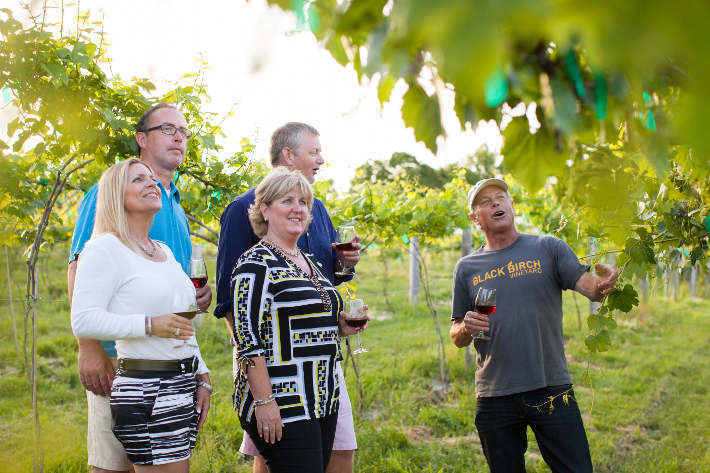
In Dolenjska, wine tourism feels personal and unhurried. Tastings usually occur in wine cottages (called zidanice), underground cellars, or local tasting rooms. Many vineyard roads wind past rural hamlets, inviting visitors to stop by and sample local varietals. A signature experience is visiting a “wine fountain” on a vineyard hillside, where passersby can taste small pours of wine directly from taps installed in hillside walls. The region’s wine trails often overlap with hiking or cycling loops, making wine stops part of a scenic day in nature.
Dolenjska’s cuisine is rooted in comfort, locality, and tradition. Think hearty dishes like sausages, stews, pork with cabbage, freshwater fish, and cured meats. Accompanying these are vegetables from local gardens, rustic breads, and seasonal foraging ingredients. Desserts tend toward fruit‑based sweets and nutty pastries. The food is intended to match wines that are often lighter, fresh, and versatile—so the pairing feels organic, not forced. Meals here often linger, with wine by the table and conversation flowing.
The most renowned wine style of Dolenjska is Cviček, a unique blend of red and white grapes, low in alcohol, and characteristically fresh and tart. Because typical blending rules disallow mixing finished red and white wines, Cviček enjoys a special exemption to preserve tradition. Other grapes in the region include red varieties like Blaufränkisch (Modra Frankinja), Žametovka, Portugalka, and local red grapes. White plantings include Riesling, Sauvignon Blanc, Chardonnay, and local white varieties. The region’s marly and sandstone soils, along with its continental climate, help maintain acidity and character in the wines.
Each season in Dolenjska carries its own wine mood. In spring, buds swell and vineyard walks feel fresh and green. Summer offers long daylight and open‑air tastings along hillside views. Autumn is harvest time—the buzz of picking, cellar work, and wine festivals adds energy to the region. Winter is quieter and introspective, with cozy cellar tasting rooms, warming dishes, and a chance to explore the local culture away from crowds. Because Dolenjska is less trafficked, shoulder seasons often bring more serenity and access to local hosts.
A 3‑ to 4‑night itinerary lets you soak in Dolenjska fully. Base yourself in a central wine town or along the Krka River. Over the days, cycle or drive vineyard lanes, taste in hillside book‑cellars, and walk vineyard terraces. Try to visit a wine fountain and plan wine stops along scenic loops. Combine wine days with visits to thermal baths, riverside paths, hill viewpoints, and cultural stops in old towns. If possible, time your visit to coincide with harvest or a local wine festival to enhance the sensory rhythms of the region.
Here are the top wineries to visit in Dolenjska:
See all the wineries to visit in Dolenjska
Continue with a social account