

Wine Tastings, Winery Visits and Wine Tours in Imereti
Explore wine tastings and winery visits in Imereti, a standout area within Imereti, Georgia. With 2 options available, 1 of them at the winery itself, you'll find experiences from 2 hours up to 4 hours, priced between €51.33 and €581.74. Visit local wineries, discover the terroir, and savor the wines that make Imereti worth the trip.

Imereti -
(Imereti)
4 Hours
Min 1, Max 50
From €188.21 (Groups Discount Available!)
Imereti -
(Imereti)
2 Hours
Min 1, Max 12
From €51.33
Imereti: Good to know
What visit in Imereti?
Imereti lies in western‑central Georgia, folding along the middle and upper reaches of the Rioni River. This region blends mountainous terrain, rolling hills, and valley corridors, offering one of Georgia’s most climatically and geologically varied terroirs. Unlike more famous eastern appellations, Imereti presents a style of winemaking that is subtler, fresher, and often more experimental, making it an appealing destination for travelers curious about the breadth of Georgian wine beyond the classics.
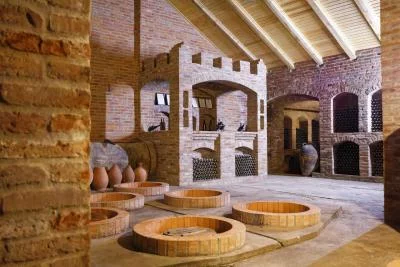
In Imereti, wine tourism is less about grand estates and more about personal encounters with local makers. Visitors can stroll through small vineyards, enter underground clay‑jar cellars (called churi in this region), and taste wines crafted in traditional ways. Some experiences may include attending harvest gatherings, observing the opening of buried vessels, or walking unpaved paths between terraces and woodland edges. Because the region is more compact and less trafficked, days of exploration feel quiet, authentic, and rhythmically tied to land and season.
Which food to taste in Imereti?
Culinary life in Imereti mirrors its wines: lively without excess. Dishes often lean on local produce—fresh vegetables, walnuts, herbs—and simpler preparations. Grilled meats or stews seasoned with wild greens are common. Cornmeal breads, dairy sides, and walnut or herb spreads show up alongside wines. During harvest, seasonal fruit preserves, grape‑must reductions, or jelly‑style sweets complement tastings. Meals are convivial and unhurried, with toasts, stories, and small bites flowing naturally.
Which wines to taste in Imereti?
Imereti is dominated by white varieties, though reds play a supporting role. Tsolikouri is among the most widespread, used across styles—from crisp whites to lightly skin‑contact wines (amber whites). Tsitska and Krakhuna are also prominent, sometimes blended to balance freshness and texture. On the red side, Otskhanuri Sapere is one of the more cultivated red grapes here, contributing deeper color and structure in blends or lighter individual bottlings. In Imereti, winemaking often involves moderate skin contact, with limited use of stems or solids compared with some eastern styles.
Which is the best season to visit Imereti?
The sweet spots for visiting Imereti fall in spring (April to June) and autumn (September to October). Spring brings vine buds, blossoms, and grassy hillsides, while autumn ushers in the rtveli harvest season—grape picking, festivals, color changes, and cellar bustle. Summer is warm and ideal for ripening, though midday heat may nudge you toward indoor cellars. Winter is quiet and introspective, suited for cellar visits, cooking, and rural calm rather than vineyard walks.
What things to do in Imereti?
Base yourself in a regional center such as Kutaisi or a smaller wine‑focused village, from which you can explore by car or guided route through Imereti’s wine roads. Plan itineraries that weave vineyards, ancient monasteries, viewpoints, and local markets into your days. Walk between terraces, visit underground churi cellars, linger over tastings, and pause for village meals. Aim for 3 to 4 nights (or more) so that you absorb both wine and place without haste—and remember: the charm of Imereti is often found in its smaller, quieter corners.
How much does a wine tasting with winery tour in Imereti cost?
The average price of a wine tasting with winery visit in Imereti is around €191. Depending on the experience, prices range from €51.33 to €581.74. Booking in advance ensures availability and the best prices.
Which wineries to visit in Imereti?
Continue with a social account