Sorry, no experiences found. Anyway...

Irouléguy: Good to know

What visit in Irouléguy?

Irouléguy is a historic wine appellation nestled in the Lower Navarre area of the Northern Basque Country, on the foothills of the western Pyrenees. As the only AOC in the French Basque region, it is the smallest vineyard in France with AOC status, characterized by steep terraced slopes and dramatic elevation changes reaching up to 800 meters. This remote yet vibrant landscape, shaped by centuries of viticultural tradition, offers resolute terroir expression—from red‑stained sandstone soils to lush mountain microclimates. Irouléguy stands as a unique intersection of identity, nature, and winemaking heritage.

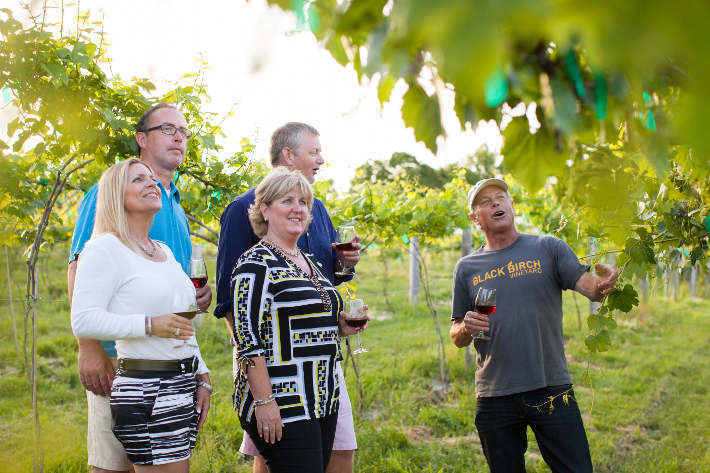
Wine tourism in Irouléguy is an experience of intimacy and raw beauty. Vineyard trails traverse steep, terraced hillsides with sweeping views of valleys and mountain ridges. Guided tastings often take place in cooperative cellars or small village tasting rooms, offering insights into local grape traditions and winemaking practices. Visitors can explore nearby historic pilgrimage routes, such as the Way of St. James, and combine walks through oak‑fringed forests or riverside paths with stops to sample expressive reds, aromatic whites, or vibrant rosés crafted from mountain vines.

Which food to taste in Irouléguy?

Bearn and Basque cuisine shape the gastronomy of Irouléguy. Rich, flavorful dishes like charcuterie, grilled meats, and garbure stew pair well with the region’s structured red wines. White wines bring freshness to seafood, river fish, and dishes prepared with local cheeses like Ossau‑Iraty. Tartiffs and mild goat cheeses complement rosés and whites, enhancing their fruity spice and floral notes. Rustic breads, walnuts, and local mushrooms also feature in hearty seasonal meals, creating a true Basque culinary‑wine connection.

Which wines to taste in Irouléguy?

Irouléguy’s red and rosé wines are built primarily on Tannat and Cabernet Franc, often with a small portion of Cabernet Sauvignon. Whites originate from local southwestern grape varieties: Courbu Blanc, Petit Manseng, and Gros Manseng. These combinations—especially Tannat—create powerful, tannic reds that can age, aromatic whites with crisp acidity, and rosés notable for their fruit-forward intensity. The grape mix reflects regional history and adaptation to mountainous terrain.

Which is the best season to visit Irouléguy?

Seasons in Irouléguy carry dynamic impact on both vineyard and visitor experience. In spring, the slopes awaken with buds and wildflowers under the warming mountain air. Summer brings intense sunlight and warmth, allowing grapes to ripen on steep terraces. Autumn marks harvest season, when vineyard activity peaks with hand‑picking and cellar work. Winter grants a quieter landscape—mist in the valleys, dormant vines, and cosy cellar tastings offering space to reflect on the wines’ structure and character.

What things to do in Irouléguy?

Begin your journey in one of the small Basque villages around Irouléguy—Saint‑Étienne‑de‑Baïgorry or Ascarat for instance. From there, follow vineyard paths that climb terraced slopes, offering views over valleys and mountain ridges. Include visits to tasting points where locals explain grape traditions and fermentation. Plan your trip during harvest to witness cellar bustle. Pair wine with Basque food markets, stays in rural guesthouses, hikes in neighboring mountain ranges, and cultural experiences such as local festivals or architectural heritage. The combination of wine, nature, and Basque culture here creates a deeply rewarding rural experience.

Which wineries to visit in Irouléguy?

Here are the top wineries to visit in Irouléguy:

See all the wineries to visit in Irouléguy
Where to do wine tastings in Irouléguy?