

Wine Tastings, Winery Visits and Wine Tours in Beaujolais
Explore wine tastings and winery visits in Beaujolais, a standout area within Auvergne-Rhone-Alpes, France. With 26 options available, 21 of them at the winery itself, you'll find experiences from 30 minutes up to 9 hours, priced between €5 and €980. Visit local wineries, discover the terroir, and savor the wines that make Beaujolais worth the trip.
If you are looking for a wine tour, with cellar visits and tastings at one or more wineries, this page also lists 5 wine tours, departing mainly from Lyon, Villeurbanne and Caluire-et-Cuire.

Auvergne-Rhone-Alpes, Rhône, Villefranche-sur-Saone -
(Beaujolais, The Golden Stones)
1 Hour 30 Minutes
Min 2, Max 15
From €15
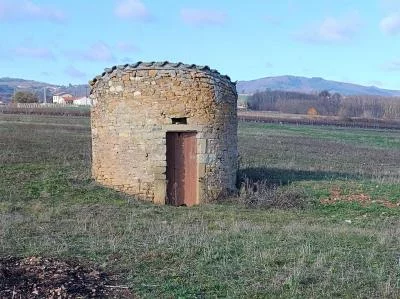
Auvergne-Rhone-Alpes, Rhône, Villefranche-sur-Saone -
(Beaujolais, The Golden Stones)
2 Hours
Min 2, Max 12
From €30

Auvergne-Rhone-Alpes, Rhône, Villefranche-sur-Saone -
(Beaujolais)
1 Hour
Min 2, Max 16
From €30

Auvergne-Rhone-Alpes, Rhône, Lyon -
(Beaujolais, Fleurie, Julienas)
8 Hours
Min 1, Max 18
From €980 (Groups Discount Available!)
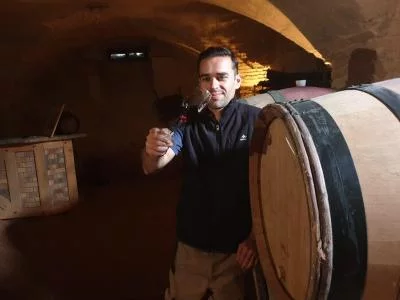
Auvergne-Rhone-Alpes, Rhône, Villefranche-sur-Saone -
(Beaujolais, Morgon)
1 Hour
Min 2, Max 12
From €12

Auvergne-Rhone-Alpes, Rhône, Villefranche-sur-Saone -
(Beaujolais, Chiroubles, Fleurie)
30 Minutes
Min 1, Max 10
From €5

Auvergne-Rhone-Alpes, Rhône, Villefranche-sur-Saone -
(Beaujolais, Fleurie)
1 Hour 30 Minutes
Min 2, Max 20
From €20

Auvergne-Rhone-Alpes, Rhône, Lyon -
(Beaujolais)
8 Hours
Min 1, Max 8
From €484 (Groups Discount Available!)

Auvergne-Rhone-Alpes, Rhône, Villefranche-sur-Saone -
(Beaujolais, Brouilly, Côte-de-Brouilly)
2 Hours 30 Minutes
Min 2, Max 20
From €50

Auvergne-Rhone-Alpes, Rhône, Lyon -
(Beaujolais)
4 Hours
Min 2, Max 8
From €330 (Groups Discount Available!)

Auvergne-Rhone-Alpes, Rhône, Villefranche-sur-Saone -
(Beaujolais, The Golden Stones)
45 Minutes
Min 2, Max 14
From €12

Auvergne-Rhone-Alpes, Rhône, Villefranche-sur-Saone -
(Beaujolais, Fleurie)
45 Minutes
Min 2, Max 10
From €10
The best wine tastings in Beaujolais
Beaujolais offers a sensory landscape that defies the simplicity of its most famous export, the Nouveau. Here, just north of Lyon, rolling hills of granite and schist nurture approximately 14,500 hectares of vines, overwhelmingly dedicated to the Gamay grape. A wine tasting in Beaujolais is a journey through subtle variations in terroir, where a shift of a few kilometers changes a wine from a light, fruity vin de soif to a structured, age-worthy Cru. Visitors can expect intimate cellar doors, often family-run, where the focus is on the conviviality of the "mâchon" (a traditional mid-morning meal) and the serious craft of gamay vinification. We have curated a selection of tastings that highlight the region's true depth, offering instant booking for authentic experiences that move beyond the clichés.
Wine tastings in Beaujolais, among local flavors and aromas
The sensory signature of Beaujolais is unmistakable: a vibrant explosion of red fruits like strawberry, raspberry, and cherry, often underscored by floral notes of violet and peony. In the northern Crus, where the soils are rich in pink granite and volcanic schist, you will find a distinct mineral backbone and a texture that can rival fine Burgundy. A typical tasting flight introduces you to the hierarchy of the region, starting with a fresh Beaujolais-Villages and progressing to three or four distinct Crus to showcase the impact of altitude and soil composition. You will learn to identify the "crunchy" fruit of a carbonically macerated wine versus the silky tannins of traditional vinification. Most tastings last between 60 and 90 minutes and are accessible to English speakers, ranging from casual introductions to deep dives into specific single-vineyard plots (lieux-dits).
Great classics and iconic wines of Beaujolais, tastings you can't miss
To truly understand this region, one must explore its 12 appellations, particularly the ten distinct Crus that represent the pinnacle of production. Key names like Morgon, Moulin-à-Vent, and Fleurie offer wines with structure and longevity, produced almost exclusively from the Gamay Noir à Jus Blanc grape. These wines defy the reputation of being merely "early drinking," with top examples aging gracefully for a decade or more. In the glass, expect a spectrum ranging from the feminine, floral elegance of Fleurie to the robust, spicy, and earthy power of Morgon. The best way to appreciate these nuances is through a comparative flight or a vertical tasting, where producers open older vintages to demonstrate the wine's evolution. We encourage you to book these iconic experiences to witness the serious side of Gamay.
Beaujolais wine tasting map: plan your tour in a couple of clicks
- Regional Layout: The region stretches 55km from north to south. The granite-rich Crus are in the north, while the clay-limestone soils of the south produce classic Beaujolais and Golden Stones wines.
- Logistics: Most wineries are within a 45-minute drive from Lyon. Villefranche-sur-Saône serves as a central hub.
- Half-Day Route: Focus on one or two adjacent Crus, such as Fleurie and Moulin-à-Vent, visiting two wineries for a contrast in styles.
- Full-Day Route: Start in the southern "Pierres Dorées" area for a morning tasting, enjoy a vineyard lunch, and head north to the Crus for the afternoon.
- Weekend Route: Spend two nights near Belleville, allowing time to explore 4-5 estates across the different terroir bands, including a hike up Mont Brouilly.
- Book Now: Use our interactive map to filter by date and reserve your tastings instantly.
Winery tours in Beaujolais, a complete experience from grape to glass
Stepping into a Beaujolais winery often means descending into cool, vaulted cellars or walking among "gobelet" (bush) trained vines that have stood for decades. A full tour provides context that the glass alone cannot; you will see the iconic cement tanks used for semi-carbonic maceration and the large oak foudres favored for aging the Crus without overpowering the fruit. Guides explain the critical decision-making process, from the timing of the harvest to the choice between whole-cluster fermentation or destemming. With vineyard altitudes ranging from 200 to 500 meters, you will learn how slope and exposure dictate the harvest date and final alcohol levels. Whether you are a novice curious about the "banana" note myth or an expert seeking insight into soil microbiology, there is a tour level to match.
The best wineries and wine producers in Beaujolais to visit
We define the "best" producers not by size, but by their commitment to expressing their specific terroir. Our selection ranges from historic châteaux with centuries of lineage to dynamic young winemakers championing organic and biodynamic farming. Look for estates that bottle their own wines and highlight specific climats (named vineyards) on the label, a sign of quality zoning. While there are over 2,000 growers in the region, the most compelling visits are often with those who practice low-intervention winemaking, allowing the granite soils to speak clearly. We invite you to browse our real-time availability and book directly with these guardians of the Gamay grape.
Wine experience Beaujolais: worth doing, worth sharing
The spirit of Beaujolais is defined by "convivialité"—shared tables, sweeping views of the Saône valley, and unhurried afternoons. Experiences here extend well beyond the tasting counter; you can enjoy picnics among the vines, guided electric bike tours through the rolling hills, or workshops on food and wine pairing. Trust is paramount, which is why our platform offers transparent pricing, verified user reviews, and clear cancellation policies. Whether you are looking for a quick stop on the way to the Alps or a dedicated wine holiday, you can secure your spot in minutes.
Beaujolais tastings with local menus, plus lunch or dinner at the winery
Food is inseparable from wine in this region, which serves as the pantry for the gastronomic capital of Lyon. A tasting with a local menu typically features artisanal charcuterie, the famous "Rosette de Lyon," and regional cheeses like Saint-Marcellin or Côme. The pairing logic is intuitive: the high natural acidity of Gamay cuts through the richness of fats and cream, while its low tannins refrain from clashing with salty cured meats. Practical options range from simple cold platters to seated, multi-course hot meals prepared by local chefs. We recommend checking the specific menu inclusions in our listings and reserving early, especially for lunchtime slots.
Vineyard picnics and sunset aperitifs in Beaujolais
As the sun lowers over the Monts du Beaujolais, the vineyards take on a golden hue that makes for an unforgettable setting. Many estates offer curated picnic baskets filled with terrines, fresh baguettes, and a bottle of chilled Beaujolais Blanc or a light red. These experiences are best enjoyed from May through September, allowing you to relax in the open air with no time pressure. It is a fantastic way to soak in the atmosphere of the terroir physically. We suggest booking a sunset slot to watch the light change over the valley.
Guided tasting experiences in Beaujolais: wineries, hikes, and weekend getaways with an overnight stay
For those who prefer a slower pace, guided experiences offer a deeper connection to the land. You might embark on a "geo-sensory" walk where a guide explains the difference between blue volcanic rock and pink granite before you taste the resulting wines. Multi-winery days allow for a structured education, training your palate to recognize the floral notes of Fleurie versus the mineral edge of Côte de Brouilly. Weekend packages often include overnight stays in renovated winery guesthouses, providing the rare opportunity to wake up surrounded by vines and enjoy a vertical tasting of the estate's library vintages.
Beaujolais wine tastings with moments for couples and experiences for the whole family
Beaujolais is a welcoming destination for all types of travelers. Couples can find romantic privacy in boutique estates offering private tastings in historic vaulted cellars or scenic terrace aperitifs. For families, the region is surprisingly accessible; many producers offer grape juice tastings for children, and the vineyard environment provides ample outdoor space. Some experiences include visits to wine museums or scavenger hunts in the vines, ensuring that parents can focus on the wine while the kids are entertained. Check the "family-friendly" tag on our listings to find suitable venues.
Vouchers, bundles, and wine tastings to gift in Beaujolais
Gifting a wine experience is far more memorable than a simple bottle; it is the gift of a memory in the French countryside. Our vouchers and bundles offer flexibility, allowing recipients to choose dates that suit their travel plans. Options range from introductory tastings perfect for beginners to premium bundles that include food pairings or private tours for the enthusiast. All vouchers come with instant confirmation and a long validity period, making them a safe and thoughtful choice for weddings, birthdays, or corporate gifts.
Beyond Beaujolais: more tastings to try nearby
If you have extra time, extending your wine journey beyond Beaujolais offers fascinating contrasts within a short drive. Just to the north lies the Mâconnais, where Chardonnay reigns supreme on limestone soils, offering a white wine counterpart to Beaujolais' reds. To the south, the Northern Rhône valley begins, introducing Syrah and Viognier into the mix. Most of these neighboring regions are accessible within a 30 to 60-minute drive, making it easy to build a diverse itinerary that covers multiple French wine styles.
Surprising wine experiences among provinces and towns around Beaujolais
Exploring the sub-areas around the main appellations reveals hidden gems. The "Pierres Dorées" (Golden Stones) area in the south is often called the "Little Tuscany" of France due to its golden limestone villages and rolling light. Here, you can find excellent Chardonnay and Pinot Noir that rival their northern neighbors at a fraction of the price. We recommend seeking out small producers in villages like Oingt or Ternand, where the hospitality is personal and the wines reflect a sunnier, limestone-driven terroir.
Beaujolais wine highlights
Before you book, here is a quick primer to orient your palate. Beaujolais is dominated by the Gamay grape, which covers 98% of the region's 14,500 hectares. The climate is semi-continental, with influences from the Mediterranean that ensure good ripeness. The key concept here is the difference between the granite soils of the north (producing structured Crus) and the clay-limestone of the south (producing fruity, accessible wines). Understanding this soil divide is the key to predicting what will be in your glass.
Beaujolais grape varieties: heritage, soil, and tradition
- Gamay Noir: The absolute monarch of the region. It thrives on acidic granite soils, producing wines with red fruit aromas, high acidity, and low tannins.
- Chardonnay: Though rare (about 2% of plantings), it is growing in popularity. Planted on limestone soils in the north and south, it produces the mineral-driven Beaujolais Blanc.
- Aligoté: Permitted but very rare, mostly found in older vineyards.
- Usage: Gamay is almost always vinified as a single varietal. The specific clone and rootstock are chosen to suit the density of planting, which is traditionally high (up to 10,000 vines per hectare).
Signature wines of Beaujolais and labels to know
- Beaujolais Nouveau: Released on the third Thursday of November. Vinified quickly for maximum fruit and freshness. Best drunk within months.
- Beaujolais-Villages: A step up in quality, sourced from steeper sites with granite soils. Offers more structure and dark fruit notes.
- Cru Beaujolais: The 10 distinct appellations (e.g., Morgon, Moulin-à-Vent). These are serious wines, often aged in oak, with the capacity to evolve for 5-15 years.
- Beaujolais Blanc: Crisp, floral, and mineral white wines made from Chardonnay, often indistinguishable from entry-level white Burgundy.
Food and wine in Beaujolais, the perfect pairing
The cuisine of Beaujolais is hearty, generous, and designed to accompany the region's wines. It draws heavily from the bouchon tradition of Lyon, featuring rich meats, cream sauces, and savory pastries. The natural acidity of Gamay acts as a palate cleanser, cutting through the fat of dishes like sausage in brioche or liver pâté. With several PDO (Protected Designation of Origin) cheeses and high-quality charcuterie produced locally, the synergy between plate and glass is effortless. We highly recommend choosing a tasting that includes these local specialties for the full experience.
Food & wine tours in Beaujolais to taste the region beyond the glass
Food tours in Beaujolais often combine market visits in towns like Villefranche-sur-Saône with winery lunches. These experiences provide a comprehensive look at the local gastronomy, explaining how the agricultural landscape shapes both the food and the wine. You can expect transport to be included, allowing you to indulge safely in multiple tastings. It is a curated way to enjoy the "art de vivre" without the hassle of driving or restaurant planning.
Beaujolais wines and local dishes with pairings you'll want to try
- Saucisson Brioché with Beaujolais-Villages: The garlic and fat of the sausage are balanced by the wine's crisp acidity and fruitiness.
- Coq au Vin with Juliénas: Traditionally made with the local wine; the earthiness of Juliénas complements the rich, slow-cooked sauce.
- Andouillette (Tripe Sausage) with Morgon: The powerful structure and spice of a Morgon can stand up to the intense flavor of the sausage.
- Saint-Marcellin Cheese with Fleurie: The creamy, nutty cheese pairs beautifully with the floral and delicate red fruit notes of the wine.
- Pears Poached in Wine with Brouilly: A classic dessert where the fruitiness of the wine mirrors the sweetness of the pears.
Make it yours: build a Beaujolais-themed getaway
Planning a trip to Beaujolais is about finding the right rhythm. The distances are short, but the winding roads invite a slower pace. We recommend basing yourself in one of the central towns or a vineyard guesthouse to minimize driving. A realistic itinerary includes two wineries in the morning, a leisurely lunch, and one or two visits in the afternoon. Use our map to group your visits by village—spending a day in the northern Crus and another in the southern Golden Stones area creates a balanced and relaxing flow.
Things to do around Beaujolais to make your trip even more memorable
- Hike the Rock of Solutré: Just north of the region, offering panoramic views over the Saône valley (approx. 493m altitude).
- Visit the Hameau Duboeuf: A unique wine theme park in Romanèche-Thorins, great for families and history buffs.
- Cycle the Greenways: The "Voie Verte" offers safe, flat cycling paths through the vineyards.
- Explore the Golden Stones: Drive through the southern villages built from ochre limestone that glows at sunset.
- River Cruise: Take a boat trip on the Saône river for a different perspective of the landscape.
Storybook villages, must-see sights, and places to visit around Beaujolais
- Oingt: Ranked among the "Most Beautiful Villages in France," famous for its golden stone fortifications and artisan shops.
- Beaujeu: The historic capital of the region, home to the hospices and a charming center.
- Villié-Morgon: The heart of the Cru production, bustling with wine activity and weekly markets.
- Clochemerle (Vaux-en-Beaujolais): A picturesque village famous for the satirical novel, offering great views and character.
Planning a trip to Beaujolais? Here's the best time to go
- Spring (April-June): Mild temperatures (15-20°C) and the vines are vibrant green. A quiet and beautiful time to visit.
- Summer (July-August): Warm and sunny, perfect for outdoor tastings, though popular with tourists.
- Autumn (September-October): The most exciting time. Harvest energy is palpable, and the vineyards turn stunning shades of red and gold.
- Winter (November-March): Cool and quiet. Ideal for serious tasters who want more time with winemakers, plus the Nouveau festivities in November.
Wine festivals and events in and around Beaujolais you won't want to miss
- Les Sarmentelles (November): The massive festival in Beaujeu celebrating the release of Beaujolais Nouveau.
- Bien Boire en Beaujolais (Spring): A major professional tasting that often has satellite events for the public.
- Fête des Crus (April/May): A traveling festival hosted by a different Cru village each year, celebrating the top appellations.
- Marathon du Beaujolais (November): A festive race through the vineyards where runners often wear costumes and taste wine along the route.
Beaujolais: Good to know
What visit in Beaujolais?
Beaujolais is a famous wine-producing region located in eastern France. It is situated north of Lyon and south of Macon, within the larger Burgundy region. Beaujolais' wineries are known for producing light-bodied, fruity red wines, made primarily from the Gamay grape. The region has a long history of winemaking dating back to the Roman era. Today, Beaujolais is home to over 3,000 winegrowers and 12 appellations, each with its unique terroir and winemaking traditions.
Beaujolais is a paradise for wine lovers, offering a variety of experiences for visitors. Wine tours and wine tastings are the main attraction, with many wineries open to the public. Visitors can enjoy a guided tour of the vineyards, learn about the winemaking process, and sample different wines. Beaujolais is also known for its "Bistrot de Pays," a traditional restaurant that serves local cuisine and wine. The region has a rich cultural heritage and is home to many charming villages and historic sites, making it an ideal destination for wine and food lovers.
Which food to taste in Beaujolais?
Beaujolais is known for its rustic, hearty cuisine that pairs perfectly with the region's wines. Local specialties include "coq au vin," a chicken stew cooked in red wine, and "boeuf bourguignon," a beef stew flavored with red wine and vegetables. Another must-try dish is "andouillette," a sausage made from pork chitterlings and flavored with onions and mustard. The region is also famous for its cheese, including "Bleu de Bresse," "Comté," and "Saint-Marcellin", which are often served during wine tastings. Visitors can enjoy traditional cuisine at the many Bistrot de Pays throughout the region.
Which wines to taste in Beaujolais?
The Gamay grape is the star of Beaujolais, producing light-bodied, fruity red wines with flavors of raspberry, cherry, and blackcurrant. Other grapes grown in the region include Chardonnay and Aligoté, used to produce white wines. During wine tastings, visitors will learn that the region's wineries use a unique winemaking process called "carbonic maceration," which involves fermenting the grapes whole rather than crushing them. This technique produces wines with low tannins and a fruity character.
Which is the best season to visit Beaujolais?
The best time to visit Beaujolais' wineries for wine tours and wine tastings is during the fall, when the grape harvest takes place. This is a busy time of year for the winemakers, and visitors can participate in the grape picking and crushing process. The region also hosts many wine festivals during this time, including the famous "Beaujolais Nouveau" festival held on the third Thursday in November. In the summer, visitors can enjoy the region's many outdoor activities, including hiking, cycling, and horseback riding.
What things to do in Beaujolais?
Beaujolais has much to offer visitors beyond wine tours, wine tastings and food. The region is home to many historic sites, including the medieval village of Oingt and the 12th-century Abbey of Cluny. Visitors can also explore the many vineyards and wineries, such as the Château de Corcelles or the Château de la Chaize. Outdoor enthusiasts will enjoy hiking in the Beaujolais hills, cycling along the Saône River, or visiting the Parc des Oiseaux, a bird park and zoo located in Villars-les-Dombes.
How much does a wine tasting with winery tour in Beaujolais cost?
The average price of a wine tasting with winery visit in Beaujolais is around €79. Depending on the experience, prices range from €5 to €980. Booking in advance ensures availability and the best prices.
Which wineries to visit in Beaujolais?
Where do wine tours in Beaujolais usually depart from?
The main departure points for wine tours in Beaujolais:
Where to find wine tastings to gift in Beaujolais?
Gifting a wine tasting in Beaujolais is easy with Winedering’s wine experience vouchers. You can choose from curated tastings in the area and receive an instant PDF voucher to print or share later. It's a thoughtful gift, ideal for birthdays, anniversaries, or any special occasion.
Gift now!
Continue with a social account