

Wine Tours in Bay of Biscay
In Bay of Biscay, in the heart of Basque Country, wine tours are one of the most natural ways to discover wineries, local flavors, and authentic pairings. On Winedering you'll find 36 wine experiences, with wine itineraries ranging from 3 hours to 10 hours, including guided tastings and regional specialties. Prices start from €75 and go up to €2,190. The main departure points are Bilbao and San Sebastián. Choose your pace and book your wine tour in Bay of Biscay in just a few clicks.
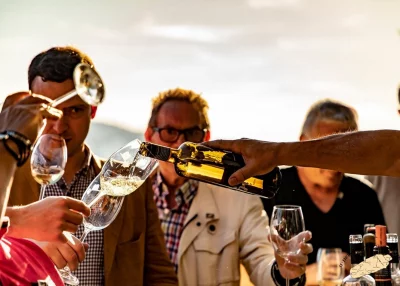
Basque Country, Biscay, Bilbao -
(Txakoli, Biscay, Bay of Biscay, Bizkaiko Txakolina)
6 Hours
Min 1, Max Not Specified
From €250 (Groups Discount Available!)
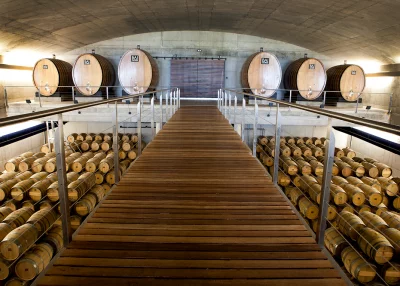
Basque Country, Biscay, Bilbao -
(Rioja, Rioja Alavesa, Txakoli, Álava, Biscay, Bay of Biscay, Bizkaiko Txakolina)
7 Hours 30 Minutes
Min 4, Max 30
From €90
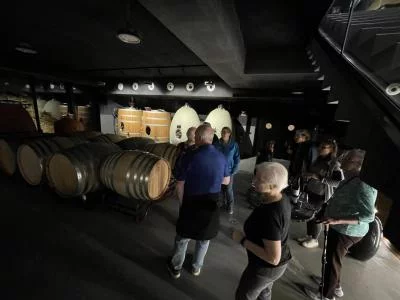
Basque Country, Biscay, Bilbao -
(Txakoli, Biscay, Bay of Biscay, Bizkaiko Txakolina)
8 Hours
Min 1, Max 6
From €2,190 (Groups Discount Available!)

Basque Country, Biscay, Bilbao -
(Rioja, Rioja Alavesa, Txakoli, Álava, Biscay, Bay of Biscay, Bizkaiko Txakolina)
9 Hours
Min 2, Max 24
From €75
The best food and wine tours in the Bay of Biscay that you can't miss
The smell of salt air and charcoal grills hits you before you even see the ocean. This rugged coastline, curving from the French Basque Country across Northern Spain, offers a distinct culinary identity defined by the Atlantic. Here, the vineyards often cling to steep slopes overlooking the water, and the cuisine relies on the immediate catch of local fishermen. It is a place where rain is frequent, resulting in lush green hills and wines with piercing acidity and low alcohol, perfect for cutting through the richness of the region's famous grilled fish.
A tour format is essential here because the geography is challenging. The roads are narrow, winding through mountain passes and coastal cliffs, making self-driving stressful if you want to visit multiple estates.
Furthermore, many of the best producers—especially in the Txakoli appellations or the cider houses of Astigarraga—are small, family-run operations that do not always keep regular open hours for walk-ins. With approximately 1,000 hectares of vineyards dedicated just to the coastal Txakoli DOs alone, having a guide allows you to access the most authentic cellars and understand a culture where the language and traditions are as distinct as the soil.
In the Bay of Biscay, wine and food belong at the same table
In this region, drinking wine without food is almost unheard of. The rhythm of the day revolves around the plate. It begins with a mid-morning savory snack, flows into a late lunch that can last three hours, and often ends with pintxos—small bites spiked onto bread—enjoyed while standing in a crowded bar. The social element is paramount. You will see groups of friends sharing large T-bone steaks or whole grilled turbots, passing bottles across the table in a way that feels communal rather than formal.
Authenticity here means eating what is grown or caught within a few kilometers. A visit to a traditional sagardotegi (cider house) involves eating omelets and steak in a large, unheated dining hall while catching cider directly from giant wooden barrels. On Winedering, "pairing" does not mean simply having a glass next to your plate. It means a guided experience where the host explains why the natural effervescence of the local white wine works to cleanse the palate after a bite of oily, salt-cured anchovy.
How the landscape of the Bay of Biscay shapes what ends up in your glass and on your plate
The landscape here is dramatic: vertical limestone cliffs drop into a churning grey-blue ocean, backed by verdant mountains. The soil is often rich in clay and marl, retaining the moisture from the frequent Atlantic rains. This combination of cool temperatures, wind, and humidity creates a high-acid structure in the grapes.
This "Atlantic climate" means grapes struggle to ripen fully, preserving fresh citrus notes and lower sugar levels.
The cuisine mirrors this rugged environment. The sheep that graze the misty hills provide the milk for smoked Idiazabal cheese. The cold, oxygen-rich waters produce shellfish and tuna with firm texture and intense flavor. Because the wines are naturally crisp and saline, they are the functional opposite of the rich, fatty foods of the region. A glass of local white wine acts like a squeeze of lemon on grilled squid—it is an agricultural necessity, not just a beverage.
The pairings you'll remember long after you leave the Bay of Biscay
Memory-making combinations here are based on contrast: salt and fat meeting sharp acidity.
The pairings are distinct because the ingredients are rarely traveled. You are eating tuna caught that morning with wine bottled five kilometers away. The local white grapes, primarily Hondarrabi Zuri, have a metallic, mineral edge that you cannot replicate in warmer climates. When you choose a tour, look for those that include a sit-down lunch or a substantial tasting of local products, as the wine is built to support the food.
Cheese, cured meats, and artisan specialties you'll find in the Bay of Biscay
- Idiazabal Cheese: A pressed sheep's milk cheese, often smoked over beechwood. It is firm, oily, and has a distinct smoky flavor that lingers.
- Cantabrian Anchovies: These are not the salty, dry anchovies found elsewhere. They are hand-filleted, preserved in olive oil, and have a meaty, buttery texture.
- Gernika Peppers: Small green peppers, usually fried and salted. They are sweet and herbaceous, rarely spicy, and act as a fresh counterpoint to cured meats.
When tasting these items, you will find that sparkling cider or young white wines cut through the oiliness of the anchovies and cheese perfectly. The carbonation lifts the fat from the tongue, preparing you for the next bite. Most tours will serve these as a shared platter, allowing you to experiment with different combinations.
Regional classics in the Bay of Biscay that shine even more with the right glass alongside
There are a few dishes that define the region. Marmitako is a tuna and potato stew that is hearty and comforting; it requires a white wine with a bit more body or lees aging to stand up to the dense potatoes.
Txuleta is the iconic aged beef steak, grilled over coals. While red wine is the standard pairing, the locals often drink distinct, structured ciders with it. The sourness of the cider cuts through the marbled fat of the beef effectively. Another staple is Bacalao al Pil-Pil, salt cod emulsion with garlic and olive oil. The gelatinous texture of the sauce needs a wine with high acidity to prevent the dish from feeling too heavy. These are practical, rustic pairings that have evolved over centuries of local eating.
Shape your food and wine tour itinerary around the table in the Bay of Biscay
Build your itinerary from the meal outward. In this region, lunch is the most important part of the day and usually starts around 1:30 PM or 2:00 PM. If you plan a winery visit, schedule it for the morning (around 11:00 AM) so that it naturally concludes just as you are ready to eat. If you prefer a lighter day, focus on a morning market tour followed by a pintxos tasting.
Consider your driving comfort. The coastal roads are spectacular but can be tiring to navigate. Booking a tour with transport allows you to enjoy the views and the wines without monitoring your intake. Durations vary, but a full experience typically runs from 10:00 AM to 4:00 PM.
Filter your search by "lunch included" or "private driver" to find the most relaxing options.
The kind of meal you're dreaming about in the Bay of Biscay, from rustic to refined
You can choose between two very different dining worlds here.
On one end, you have the traditional grill houses and cider houses. These are often large, noisy, and welcoming, serving family-style platters of omelets, cod, and steak. The setting is usually a stone farmhouse or a wooden hall. On the other end, the region has one of the highest concentrations of Michelin stars per capita in the world. Many wineries now partner with high-end chefs to offer refined tasting menus with ocean views. Vegetarian and gluten-free options are widely available, though the traditional menu leans heavily on fish and meat. For a casual day with friends, the rustic grill is best; for a romantic occasion, the refined winery restaurant is unbeatable.
The wine styles to explore in the Bay of Biscay: from icons to small producers
The primary style is crisp, low-alcohol white wine with high acidity, often with a slight spritz (carbonation) in the glass. The main grape is Hondarrabi Zuri. You should also ask about "Hondarrabi Beltza," the red variant which produces light, herbal red wines that are rare outside the region.
Icons in the region include the historic estates in Getaria, some of which have been producing since the 17th century. These producers often have modern facilities and offer polished, consistent wines. Small producers, often located in the hills of Bizkaia or Álava, may produce as few as 10,000 bottles a year. Visiting these smaller estates often means tasting distinct, single-vineyard wines or experiments with clay amphorae. Some producers are now aging their whites on lees (spent yeast cells) to add creaminess and longevity, proving that these are serious wines, not just simple aperitifs.
Small additions in the Bay of Biscay that elevate everything, like a cooking class or walking among the vines
- Vineyard Trellis Walk: Unlike many regions, vines here are often trained high on pergolas to allow airflow underneath. Walking under this canopy is a unique visual experience.
- Anchovy Canning Workshop: Some tours offer a visit to an artisan cannery where you can see the meticulous hand-cleaning of the fish.
- Port Visits: A stop at a fishing port like Getaria or Bermeo adds context, letting you smell the sea and see the boats that bring in the lunch you just ate.
These additions usually add 30 to 60 minutes to a tour but provide deep context. They are excellent for families or those who want to understand the "why" behind the flavors.
What a food and wine tour in the Bay of Biscay looks like, step by step
A typical day starts with a pickup from your hotel, usually in a main city like San Sebastian or Bilbao. The drive to the wine region takes about 20 to 40 minutes, winding through green valleys or along the coastal corniche.
Upon arrival at the winery, you will meet the host, often a family member. You will walk the vineyards first to understand the challenge of the terrain. Next comes the tasting, which is almost always seated and accompanied by local tuna, peppers, or chorizo. After the tasting, you will proceed to lunch—either at the winery itself or a nearby traditional restaurant. The return drive often includes a scenic stop for photos at a viewpoint overlooking the Bay.
Tours are generally available year-round, though winter schedules may be reduced. Pricing is transparent, and cancellation policies are usually flexible up to a few days before.
Winery visits in the Bay of Biscay, with guided pairings and storytelling
The welcome is warm but efficient. Basques are known for being reserved initially but incredibly hospitable once you are a guest.
The tasting format usually involves a flight of 3 to 4 wines. You will compare the current vintage with perhaps a special selection or a sparkling version. The host will explain the struggle against the rain and the importance of the wind in keeping the grapes healthy. You will learn technical details in plain language, such as how they use indigenous yeasts to keep the flavor true to the land. These are verified producers who take pride in showing their specific patch of soil.
A meal in the Bay of Biscay that goes beyond a simple stop
The meal is the anchor of the experience.
It is not a quick sandwich on the go. Whether you are at a winery restaurant or a village tavern, expect tablecloths and multiple courses. You will likely start with a warm broth or salad, move to a fish course, then perhaps a meat course, followed by dessert. The pacing is slow, allowing for conversation. Wines are poured generously to match each course. You should expect this part of the day to take at least 90 minutes.
Time to breathe in the Bay of Biscay, with scenic routes and village strolls
Between the winery and lunch, there is time to absorb the atmosphere. The coast is dotted with medieval fishing villages with cobbled streets and stone arches.
Your guide might stop at a lighthouse or a specific bend in the road where the cliffs look particularly dramatic. This is "slow travel"—there is no rush to get to the next checkpoint. It is a good time to buy a jar of local honey or just watch the waves crash against the sea wall. When booking, check if the tour mentions "free time" or "scenic stops" to ensure you get these breathing moments.
Choose the right food and wine tour in the Bay of Biscay for your pace
If you are short on time, a half-day morning tour gets you back to the city by 2:00 PM, leaving your afternoon free. If you are a serious food lover, commit to the full-day option with the extended lunch—it is the only way to truly understand the culture.
Small group tours are great for meeting people and keeping costs down, while private tours offer the flexibility to linger at a viewpoint or request a specific restaurant. Look for tours with instant confirmation and clear inclusions regarding the menu.
Compare durations and inclusions—then book in a couple of clicks.
Short food and wine experiences in the Bay of Biscay that still feel rich and complete
A short tour typically focuses on one winery visit followed by a substantial snack pairing. It is perfect for travelers who have other plans in the afternoon or those who just want an introduction to the local wine style.
Even in three hours, you will get a guided walk in the vines, a tour of the production facility, and a tasting of the estate's top wines. The focus is on quality over quantity. You will leave with a clear understanding of the region without losing your entire day.
Food and wine weekends in the Bay of Biscay for couples and friends
For a two-day trip, dedicate the first day to the coastal vineyards and a grilled fish lunch. On the second day, head slightly inland or visit a cider house for a completely different flavor profile.
This region is ideal for celebration. The atmosphere is naturally festive due to the communal dining style. Practical advice: book your evening pintxos tours or restaurant reservations weeks in advance, as the best spots in the cities fill up quickly. Choose tour operators who can offer flexible start times to accommodate a late night out.
Overnight stays in the Bay of Biscay that make the atmosphere part of the memory
Staying overnight in the vineyards changes the experience entirely. The coast is quiet in the evening, and the light on the water at sunset is beautiful.
You can find agroturismos—working farms that offer guest rooms. These are often renovated stone houses with modern comforts. Waking up to the sound of cowbells and the sight of the ocean is very different from staying in a city hotel. Check if the property serves dinner, as rural taxis can be scarce late at night.
Gift a food and wine tour in the Bay of Biscay that feel personal
This is an excellent gift for seafood lovers or those who appreciate white wines. It is less about heavy reds and cellars, and more about fresh air and gastronomy.
A guided tasting with lunch is a safe and generous choice. For a more active recipient, choose a tour that includes a walk to a hermitage or a visit to a market. Gift options usually come with flexible dating, allowing the recipient to choose when to travel. Pricing is transparent, so you know exactly what value you are giving.
Pick a date now—or choose a gift option if available.
When to book a food and wine tour in the Bay of Biscay?
The region is green for a reason: it rains. Summer (June to September) offers the best chance of sun and warm days, perfect for terrace dining. However, the weather changes fast, and clouds can roll in quickly.
Late spring and early autumn are excellent for food, as the produce changes. Tours should be booked at least two weeks in advance for summer weekends, as small wineries have limited capacity for visitors.
Check live availability for your dates.
Harvest season in the Bay of Biscay, when the region comes alive
Harvest usually happens in late September or early October. It is a frantic time because producers often have to pick quickly before the autumn rains arrive.
If you visit during this time, you might see tractors hauling trailers of grapes and smell the fermenting juice in the air. Tastings might be conducted by extended family members as the winemakers are busy in the fields. The energy is high, and you get a real sense of the agricultural risk involved in making these wines.
Autumn and winter in the Bay of Biscay, for deeper dishes and comforting wines
From January to April, the focus shifts to the cider houses. This is a distinct season where locals flock to the sagardotegis to taste the new cider.
The menu is fixed: cod omelet, fried cod with peppers, steak, cheese, and walnuts. It is a loud, happy, indoor experience that defies the cold, grey weather outside. Wineries are quieter, offering a more intimate visit. The fireplace will likely be roaring in the restaurant. Tours that include transport are essential in winter due to shorter daylight hours and wet roads.
Spring and summer in the Bay of Biscay, for outdoor meals and lighter pairings
Spring brings flowers to the hillsides and the first catch of anchovies and tuna.
This is the time for white wines served cool on a terrace. The acidity of the wine feels refreshing in the humidity. Picnics in the vineyards become possible. The demand is higher, so expect more people at the popular wineries. If you struggle with heat, book a morning tour, though the Atlantic breeze usually keeps temperatures comfortable.
Food and wine events in the Bay of Biscay, when the calendar adds extra magic
There are specific days that transform the region. The Txotx season opening in January kicks off the cider year. In December, the Santo Tomas fair sees cities turn into large farmers' markets with talo (corn tortillas) and chorizo.
Traveling during these times offers deep immersion, but logistics can be tricky due to crowds. Booking a guided tour helps you navigate the chaos and guarantees you a spot at the table. If you plan to visit during a major local festival, lock in your tour dates early.
Bay of Biscay: Good to know
Where to do wine tastings in Bay of Biscay?
Here are the best wine tastings to book in Bay of Biscay:
See all the wine tastings in Bay of Biscay
Where do wine tours in Bay of Biscay usually depart from?
Most wine tours in Bay of Biscay depart from these cities:
Continue with a social account