
Other Experiences Jurançon
Find the best other experiences in Jurançon, to book online or give as a gift.
Sorry, no experiences found. Anyway...
Jurançon: Good to know
Jurançon, nestled in the foothills of the Pyrenees near Pau in southwestern France, boasts a wine story that stretches back to medieval times. As one of the first French AOCs—recognised in 1936 for its sweet wines and later in 1975 for its dry whites—this appellation blends deep historical roots with distinctive terroir. The rolling hillsides, flinty slopes and Atlantic‑influenced climate create a unique setting for wines that reflect both freshness and elegance. Jurançon’s combination of heritage and flavor makes it a hidden gem in France’s southwestern vineyards.
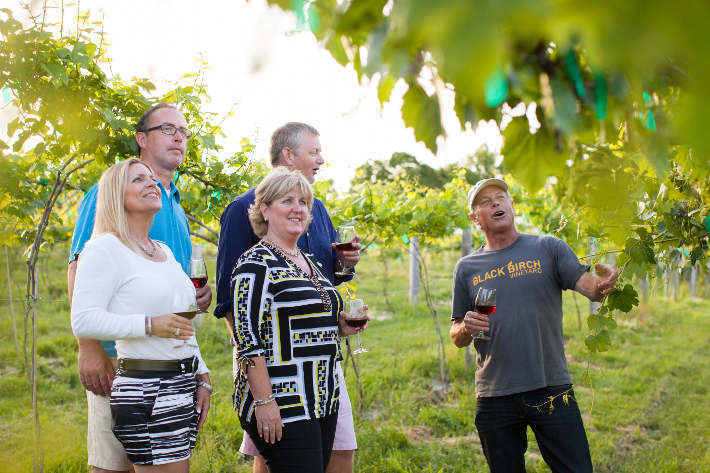
Wine tourism in Jurançon feels inviting and authentic, centred on boutique domaines and cooperative cellars where you can explore vineyard slopes, cellar galleries, and taste both sweet and dry versions of Petit and Gros Manseng. Visitors often enjoy informal tastings that convey the region's identity—its mountain breezes, local personality, and dedication to indigenous varieties. Small producers welcome guests for personal tours, sharing stories about heritage vines and the philosophy behind preserving Jurançon’s unique style.
The cuisine of Jurançon is rooted in Gascon tradition, featuring hearty flavors that complement its wines. Local dishes such as duck confit, garbure (a rich vegetable and ham soup), and creamy sheep’s milk cheeses bring out the best in the region’s dry whites. Sweet Jurançon wines pair beautifully with desserts like gâteau basque or canelé, balancing sugar and acidity with grace. Meals here are soulful, generous and grounded in both tradition and terroir expression.
Jurançon’s wines are dominated by two indigenous white varieties: Petit Manseng and Gros Manseng. Petit Manseng often produces luscious, honeyed sweet wines with citrus and tropical aromas, while Gros Manseng is more often used for dry styles with crisp acidity and aromatic lift. A lesser-used grape, Courbu (sometimes called Corbu), may appear in small blends, adding texture and subtle spice. Together, these vines create wines that are vibrant, nuanced, and richly expressive.
The cycle in Jurançon is shaped by oceanic influences and Pyrenean elevation. Budbreak typically starts in spring, with flowering in late May or June. Harvest begins early, often starting in late August for dry wines, while later picking of Petit Manseng for sweet styles can extend into October under optimal conditions. This staggered harvest allows producers to balance aromatic freshness in the dry cuvées and richness in the moelleux wines, capturing vintage variation from one appellation to the next
To experience Jurançon fully, begin your journey in Pau—wander its historic castle and enjoy views of the Pyrenees—then head into the vineyards of Jurançon itself. Visit domaines producing both sec and moelleux wines, where you can taste across styles made from Petit and Gros Manseng. Plan a tasting paired with local Basque‑style cuisine, then drive scenic lanes through hillside slopes and woodlands. A side trip to the cooperative cellars of Gan offers insights into cooperative wine‑making traditions, followed by relaxed afternoons discovering regional cheeses and markets.
Here are the top wineries to visit in Jurançon:
See all the wineries to visit in JurançonHere are the best wine tastings to book in Jurançon:
See all the wine tastings in Jurançon
Continue with a social account