Food and Wine Tours in Dao
In Dao, in the heart of Viseu, food and wine tours are one of the most natural ways to discover wineries, local flavors, and authentic pairings. On Winedering you'll find 11 food and wine experiences, with food and wine itineraries ranging from 4 hours to 10 hours, including guided tastings and regional specialties. Prices start from €79 and go up to €2,123.50. Choose your pace and book your food and wine tour in Dao in just a few clicks.
The best food and wine tours in Dão that you can't miss
The first thing you notice in the Dão is the silence, broken only by the wind moving through pine forests and the crunch of granite gravel underfoot. Located in central Portugal, protected on three sides by the Serra da Estrela, Caramulo, and Buçaco mountain ranges, this region produces wines of remarkable elegance and longevity. It is not a place for mass tourism or hurried stops.
Here, vineyards sit at altitudes ranging from 400 to 800 meters, rooted in poor granitic soils that force vines to struggle, resulting in concentrated, structured fruit. A food and wine tour in the Dão is essential because the estates (Quintas) are often historic manor houses hidden down winding roads, where the gate is only opened for guests with an appointment. You need the connection of a local host to access the old cellars and family dining rooms where the region's best stories are told.
In Dão, wine and food belong at the same table
Wine here is rarely consumed in isolation. The culture of the Dão is built around the table, where bottles are opened to accompany hearty, slow-cooked meals that counter the region's cool winters and hot, dry summers.
Visits often revolve around a "Solar" (manor house) or a family-run estate where the winemaker might sit with you for lunch. Authenticity here means eating dishes prepared in the estate’s kitchen, often using olive oil pressed from trees bordering the vines and vegetables grown in the garden out back. On Winedering, a "pairing" is not a casual snack; it is a deliberate tasting where the structure of the wine is tested against the richness of local cheeses and roasted meats.
How the landscape of Dão shapes what ends up in your glass and on your plate
The geography of the Dão is defined by granite. Huge boulders dot the landscape, and the soil is sandy and decomposed rock. This geology, combined with the protection from Atlantic rains by the surrounding mountains, creates a specific terroir: warm days for ripening and cool nights that preserve acidity.
This natural acidity is the backbone of Dão wines. In the glass, it translates to freshness and aging potential, distinct from the riper styles of the southern Alentejo or the sheer power of the Douro. The cuisine mirrors this landscape. The rocky terrain is better for grazing sheep and goats than for vast agriculture, leading to a cuisine dominated by roasted kid, lamb, and sheep’s milk cheeses. The sharp acidity of the local red wines cuts through the fat of these dishes, cleaning the palate after every bite.
The pairings you'll remember long after you leave Dão
The memory of a meal in the Dão is usually tied to the balance between elegant wine and rustic, flavorful food. It is a study in contrast: the sophistication of the liquid against the simplicity of the ingredients.
The region’s flagship white grape, Encruzado, offers a texture and mineral depth that can stand up to heavy dishes almost like a red wine. Meanwhile, the reds, led by Touriga Nacional, provide floral aromatics and firm tannins. When you book a tour, look for those that explicitly mention "lunch" or "regional tasting," as these experiences unlock the true potential of these combinations.
Cheese, cured meats, and artisan specialties you'll find in Dão
- Queijo Serra da Estrela: A protected designation (DOP) cheese made from sheep's milk. It is soft, buttery, and often spoonable when ripe, with a distinct intensity that demands a structured white wine or a lighter red.
- Presunto and Chouriço: Smoked cured ham and sausages are staples. The smokiness pairs directly with the earthier notes found in older Dão reds.
- Broa de Milho: Dense, yellow cornbread with a thick crust. It is the mandatory vehicle for olive oil and cheese in any tasting.
- Requeijão: A fresh ricotta-style cheese often served with pumpkin jam or honey, pairing well with younger, fruit-forward wines.
Regional classics in Dão that shine even more with the right glass alongside
- Chanfana: Goat meat slowly braised in red wine, garlic, and bay leaves, traditionally cooked in black clay pots. The tannins of a Dão Reserve red bind with the protein, softening the wine while the acidity cuts the richness.
- Vitela de Lafões: Tender veal from the northern part of the region, roasted simply to highlight the meat's quality. It requires an elegant, medium-bodied red that won't overpower the delicate flavor.
- Arroz de Pato: Duck rice, baked until the top is crispy (with slices of chouriço). The fat from the duck finds a perfect partner in the structured acidity of the Touriga Nacional grape.
Shape your food and wine tour itinerary around the table in Dão
Planning a trip to the Dão requires a shift in mindset: prioritize quality over quantity. Distances between Quintas can be deceptively long due to winding mountain roads, so it is wise to build your day around a central lunch experience.
Decide early if you want to drive yourself or hire a driver—the latter is highly recommended if you plan to enjoy the wines fully. Tours here typically last between 4 and 8 hours. Start with a morning tasting at a smaller producer, enjoy a long, relaxed lunch at a historic estate, and perhaps finish with a scenic stop or a lighter tasting in the afternoon. Always check the inclusions: does the tour provide a full meal or just snacks?
The kind of meal you're dreaming about in Dão, from rustic to refined
Dining settings in the Dão vary from stone-walled cellars to elegant dining rooms with views of the Serra da Estrela.
At an Agriturismo or family Quinta, expect a rustic, generous service style where platters are placed in the center of the table. In more modern wineries, you might find plated courses designed by a chef to match specific vintages. Dietary restrictions such as gluten-free or vegetarian needs can be accommodated, but because the traditional cuisine is meat-heavy, it is crucial to request this at the time of booking.
The wine styles to explore in Dão: from icons to small producers
The Dão is the birthplace of Touriga Nacional, Portugal's most famous red grape, known here for its notes of bergamot, violet, and dark fruit. However, the true insider's gem is Encruzado, a white grape that ages beautifully, gaining nutty, resinous complexity over time.
You will find two main categories of producers: the historic families who have made wine for generations in traditional granite lagares (tanks), and a new wave of winemakers focusing on organic farming and minimal intervention. Most tastings will pour a "Colheita" (standard harvest), a "Reserva," and often a "Garrafeira" (a designation requiring longer aging). Look for single-varietal tastings to truly understand the individual character of Alfrocheiro, Jaen, or Tinta Roriz.
Small additions in Dão that elevate everything, like a cooking class or walking among the vines
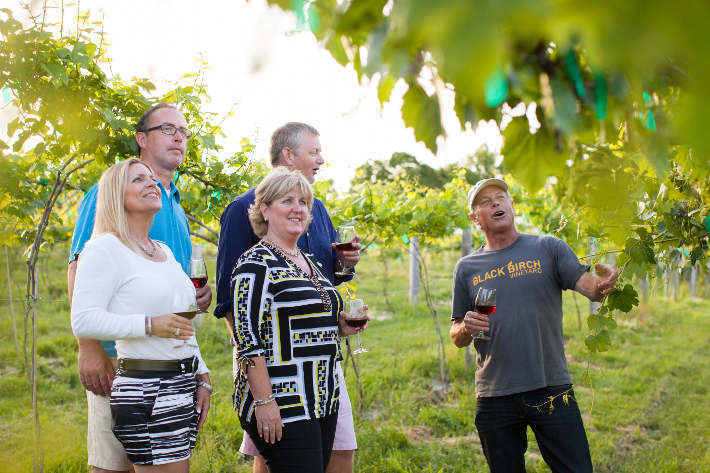
- Vineyard Walks: Walking through the vines allows you to see the granite soil up close and understand the struggle of the plants. It’s a peaceful, sensory addition to any visit.
- Olive Oil Tasting: Many Dão estates also produce high-quality olive oil. Asking to taste it teaches you to detect pepperiness and fruitiness distinct from supermarket blends.
- Heritage Tours: Some Quintas are centuries old, with chapels and gardens on-site. A guided tour of the property adds historical context to the wine in your glass.
What a food and wine tour in Dão looks like, step by step
Your day typically begins with a pickup or arrival at the estate around 10:00 or 11:00 AM. The pace is unhurried. You will likely start with a walk—either in the vineyards or through the barrel rooms—where the host explains the specific microclimate of their plot.
After the tour, you move to the tasting room or dining area. This is not a "standing at the bar" experience; you sit down. The wines are poured and explained one by one, usually followed by the arrival of petiscos (snacks) or the main meal. The experience concludes with a chance to purchase bottles, often at prices significantly lower than export markets. Availability is generally good, but booking is essential as many estates do not have full-time tourism staff.
Winery visits in Dão, with guided pairings and storytelling
The welcome in the Dão is personal. It is not uncommon for the winemaker or the owner to lead the visit themselves.
Tastings focus on the "why" behind the wine—why they chose concrete tanks over oak, or why they blended certain plots. You will learn to identify the "granite signature"—a sensation of freshness and mineral grip on the tongue. Verified hosts on Winedering ensure that these visits are conducted in clear English and include specific educational elements.
A meal in Dão that goes beyond a simple stop
A winery lunch is a deep dive into Portuguese hospitality. It is not just fuel; it is a cultural demonstration.
Expect a three-course structure: soup or appetizers (cheese/sausage), a main roasted dish with potatoes and greens, and a dessert often based on eggs or almonds. The wines are paired to evolve with the meal, starting with a white or rosé and moving to structured reds. Plan for this to take at least 90 minutes to two hours.
Time to breathe in Dão, with scenic routes and village strolls
Between tastings, the Dão offers serene landscapes. The roads wind through pine and eucalyptus forests, opening up to views of vine-covered valleys.
Use the buffer time between appointments to stop in Viseu, the region's capital, to see its cathedral or simply walk the stone streets. Do not overpack the itinerary; the beauty of the Dão is in its calmness. Leaving 30 minutes of free time allows for a coffee break or a photo stop at a scenic lookout (miradouro).
Choose the right food and wine tour in Dão for your pace
Your choice of tour depends on how deep you want to go. Casual drinkers may prefer a half-day tour with one major visit and lunch, while serious enthusiasts should look for full-day itineraries that compare different sub-regions.
Consider your transport. If you want to taste freely, a tour with a driver is the safest and most relaxing option. Shared tours are cost-effective and social, while private tours offer the flexibility to linger over a specific wine or ask detailed technical questions. Check the listings for "instant confirmation" to secure your spot without back-and-forth emails.
Short food and wine experiences in Dão that still feel rich and complete
If you have limited time, a "short" experience usually involves a single estate visit lasting about 90 minutes to two hours. This includes a tour of the facilities and a guided tasting of 3 to 5 wines.
These are perfect for travelers passing through between Porto and the Algarve. Even in a short format, the focus remains on education and context. You will leave knowing the difference between Encruzado and Chardonnay, and why Dão reds are considered the most elegant in Portugal.
Food and wine weekends in Dão for couples and friends
A weekend allows you to explore the diversity of the region. You might spend Saturday in the Silgueiros sub-region exploring historic estates, and Sunday closer to the Serra da Estrela tasting higher-altitude wines.
This pace is ideal for couples or small groups of friends. It allows for leisurely dinners in local taverns (tascas) in the evenings, where you can try wines from producers you didn't visit during the day. Look for tours with flexible start times to align with your travel schedule.
Overnight stays in Dão that make the atmosphere part of the memory
Staying at a wine estate changes the experience entirely. You wake up to the mist over the vineyards and enjoy breakfast with local jams and breads.
Many Quintas in the Dão have converted stable blocks or manor rooms into boutique accommodation. This removes the pressure of driving and allows you to enjoy a glass of wine on the terrace at sunset. When browsing, look for experiences that bundle a tour, dinner, and an overnight stay for a seamless immersion.
Gift a food and wine tour in Dão that feel personal
Gifting a tour in the Dão is perfect for someone who appreciates history and understated luxury. It is less about the "flash" of famous labels and more about discovery.
A guided tasting with a premium lunch is a safe and generous choice. For the wine geek, a masterclass with the winemaker is an unforgettable gesture. Winedering vouchers offer flexibility, allowing the recipient to choose the date that suits their travel plans.
When to book a food and wine tour in Dão?
The Dão has a continental climate, meaning seasons are distinct. The best time to visit depends on what you want to see in the vineyard and on the table.
Spring and autumn are the sweet spots for weather. Summer can be intense, but the evenings are delightful. Winter is quiet and cozy, perfect for red wine lovers. Availability is generally tighter on weekends and during the harvest season in September.
Harvest season in Dão, when the region comes alive
Occurring roughly from mid-September to early October, harvest (vindima) is the most energetic time of year. You will see tractors on the road and pickers in the fields.
Wineries are busy, and the air in the cellars smells of yeast and fresh grape juice. Some estates offer harvest experiences where you can participate in picking or foot-treading (lagarada). Because this is peak season, booking several weeks in advance is highly recommended.
Autumn and winter in Dão, for deeper dishes and comforting wines
As the leaves turn gold and red, the menu shifts to mushrooms, chestnuts, and game. This is the best time to taste the region's complex, aged red wines.
The cold weather invites long lunches by the fireplace. While the vines are dormant, the hospitality is warm. It is a quieter time for tourism, meaning you often get more personal attention from your hosts.
Spring and summer in Dão, for outdoor meals and lighter pairings
From April to June, the region is green and blooming. Temperatures are mild, making it ideal for vineyard walks. Summer brings the heat, often reaching 30°C (86°F) or more.
During these months, tastings often move to shaded terraces. White wines and rosés take center stage, paired with lighter salads or grilled fish. If visiting in summer, book morning tours to avoid the midday heat.
Food and wine events in Dão, when the calendar adds extra magic
The main event is the Feira do Vinho do Dão (Dão Wine Fair), usually held in Nelas in September. It gathers dozens of producers in one place.
Local festivals celebrating cheese or seasonal produce also occur throughout the year. If you travel during these times, combine the public festival with a private estate tour to get both the crowd energy and the intimate understanding of the wine. Lock in your tour dates early, as accommodation in the region fills up quickly during fair weekends.
Dao: Good to know
The average price of a wine tasting with winery visit in Dao is around €62.50. Depending on the experience, prices range from €25 to €100. Booking in advance ensures availability and the best prices.
Here are the best wine tastings to book in Dao:
- Wine and Cheese Tasting at Quinta Madre de Água in Dão
- Classic Wine Tour and Tasting at Soito Wines in Dão
- Premium Wine Tour and Tasting Experience at Soito Wines in Dão
- Pic Nic Experience in the Vineyard of Soito Wines in Dão Region
- Wine Tasting at Quinta Madre de Água in Dão
- Superior Wine Tasting at Quinta Madre de Água in Dão
- Porto Cooking Class with Jorge and Isabel
- Quinta da Giesta Tour & Wine Tasting at Boas Quintas
Continue with a social account