Wine Tours in Côtes de Provence
In Côtes de Provence, in the heart of Provence-Alpes-Côte d'Azur Region, wine tours are one of the most natural ways to discover wineries, local flavors, and authentic pairings. On Winedering you'll find 10 wine experiences, with wine itineraries ranging from 3 hours to 9 hours, including guided tastings and regional specialties. Prices start from €90.40 and go up to €1,599. The main departure points are Marseille and Nice. Choose your pace and book your wine tour in Côtes de Provence in just a few clicks.
The best food and wine tours in Côtes de Provence that you can't miss
The first thing you notice is the light. It hits the limestone ridges and reflects off the pale, rocky soil, intensifying the colors of the scrubland. This luminosity is not just scenery; it is the primary ingredient in the region’s wines.
Côtes de Provence covers roughly 20,000 hectares of vines, stretching from the Mediterranean coast to the inland hills. While it is the largest appellation in Provence, known globally for producing nearly 90% rosé, the reality on the ground is far more diverse. You will find complex reds and aromatic whites that rarely leave the region because the locals drink them first.
A food and wine tour here solves the logistical challenge of a sprawling landscape. Vineyards are often hidden down long, unpaved roads or tucked behind private gates of historic bastides. Guided experiences connect these dots. They provide access to winemakers who prioritize agricultural integrity over mass production and offer a seat at tables where the menu changes based on what was harvested that morning.
In Côtes de Provence, wine and food belong at the same table
Wine here is rarely consumed in isolation. It is part of a daily rhythm that begins with the mid-day meal and extends into the long, golden evenings. The culture is built around the apéro, but even this casual ritual almost always involves substantial bites—tapenade on crusty bread, cured sausages, or fresh radishes with butter.
On Winedering, a "pairing" is not a technical exercise. It is a reflection of how the locals eat. You might sit in a family-run kitchen or a shaded courtyard, sharing platters of regional specialties while the winemaker explains why a specific vintage works with the dish. Authenticity means eating ingredients grown within a few kilometers of where you sit, often seasoned with herbs picked from the garden outside.
How the landscape of Côtes de Provence shapes what ends up in your glass and on your plate
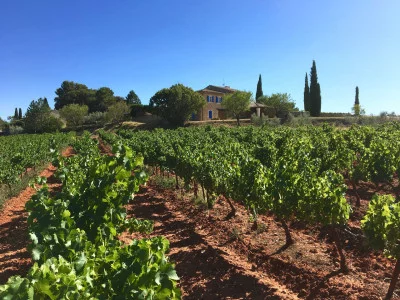
The terrain is defined by two main geological features: limestone in the west and north, and crystalline schist near the coast. This duality creates distinct textures in the wine. Limestone tends to produce wines with higher acidity and tension, while the schist soils often yield rounder, more generous profiles.
The wind is the other invisible hand at work.
The Mistral acts as a natural sanitizer. It blows down from the north, drying the vines after rain and preventing disease, which allows many producers to farm organically with less intervention. This constant ventilation concentrates the flavors in the grapes—Grenache, Syrah, Cinsault, and the white grape Rolle (Vermentino)—resulting in wines that are pristine and aromatic. This rugged, sun-drenched environment also supports the wild herbs, or garrigue (thyme, rosemary, savory), that define the local cuisine. The sheep and goats that graze on this scrubland produce milk with distinct herbal notes, linking the cheese directly to the soil.
The pairings you'll remember long after you leave Côtes de Provence
The best matches in this region rely on a simple principle: fresh wines cut through rich, oily, and garlicky flavors. The cuisine is heavy on olive oil, garlic, and vegetables, requiring wines with enough acidity to cleanse the palate.
A chilled Côtes de Provence Rosé, with its dry finish and notes of citrus and red berries, is the structural opposite of the region’s famous garlic mayonnaise, aioli. The wine refreshes the mouth, preparing you for the next bite. Structured reds from the warmer inland sub-appellations like Sainte-Victoire hold their own against braised meats, while the coastal whites have a saline quality that mirrors the seafood dishes of the Mediterranean.
Look for tours that explicitly mention "lunch" or "food pairing." These experiences move beyond simple tasting flights and demonstrate how the wine transforms when served with the right dish.
Cheese, cured meats, and artisan specialties you'll find in Côtes de Provence
The charcuterie and cheese boards here are savory and intense.
- Banon cheese: A goat cheese wrapped in chestnut leaves and bound with raffia. It is creamy, nutty, and slightly tangy.
- Tapenade: A paste made from black olives, capers, and anchovies. It is salty and rich, demanding a wine with good acidity.
- Saucisson d'Arles: A dry-cured sausage made from pork and beef, often seasoned with peppercorns and Provençal herbs.
- Anchoïade: An anchovy-based dip served with raw vegetables. It is intensely savory and pairs exceptionally well with crisp whites or dry rosé.
Regional classics in Côtes de Provence that shine even more with the right glass alongside
These dishes are staples of the Provençal table and appear frequently on tour menus.
- Soupe au Pistou: A vegetable soup finished with a basil, garlic, and olive oil paste. The herbal aromatics echo the notes in a Rolle-based white wine.
- Daube Provençale: Beef slowly stewed in red wine with carrots, onions, and orange zest. This dish requires a spicy, full-bodied red blend of Syrah and Cabernet Sauvignon to match the richness of the sauce.
- Ratatouille: A stew of summer vegetables—eggplant, zucchini, peppers, and tomatoes. It is versatile, pairing equally well with a structured rosé or a light red served slightly cool.
- Bouillabaisse: The iconic fish stew of the coast. While traditionally from Marseille, it is found throughout the region. It calls for a dry, mineral white or a robust rosé that can handle the saffron and garlic broth.
Shape your food and wine tour itinerary around the table in Côtes de Provence
An itinerary here works best when you build it around the midday meal. Lunch in Provence is not a quick pit stop; it is a two-hour affair that serves as the anchor of the day.
Start with a morning tasting at a winery to waken your palate, followed by a leisurely lunch, and perhaps a second visit or a village walk in the afternoon. Distances can be deceptive due to winding roads, so it is wise to focus on one sub-region per day—perhaps the coastal vineyards of La Londe in the morning and the hills of Pierrefeu later on.
Booking a tour with transportation is practical. Alcohol laws are strict, and having a driver allows you to enjoy the pairings without counting glasses. Use the filters on Winedering to find options that include "pickup" or "private driver."
The kind of meal you're dreaming about in Côtes de Provence, from rustic to refined
Dining options on wine tours generally fall into three categories.
The most common is the winery lunch. This might be a picnic basket filled with local terrines and baguettes enjoyed among the vines, or a seated meal in a converted stone barn. These are informal and focus on simple, high-quality ingredients.
For a more elevated experience, some historic estates, classified as Cru Classé, have on-site restaurants with chef-designed menus. Here, the service is more formal, the courses are plated with precision, and the wines are often served in specific glassware to highlight their evolution. Vegetarian and gluten-free options are widely available, as the local diet is naturally vegetable-forward, but it is always best to mention dietary restrictions at the time of booking.
The wine styles to explore in Côtes de Provence: from icons to small producers
Rosé is the headline act. It is typically pale, dry, and made from a blend of Grenache, Cinsault, and Syrah. However, the region also produces serious reds and whites that are worth your attention.
The reds, often containing Mourvèdre, are dark, tannic, and age-worthy, with notes of black fruit and spices. The whites are generally made from Rolle (Vermentino) and are characterized by aromas of pear, citrus, and fennel. While the famous brands are impressive for their consistency and scale, the smaller family-run estates often offer more distinct, terroir-driven wines. You might taste a "single-vineyard" bottling or a wine aged in amphora—clay vessels that allow micro-oxygenation without adding oak flavors.
Look for tours that visit a mix of producers. Seeing a large, modern gravity-fed cellar contrasts interestingly with a small estate where the owner still hand-labels the bottles.
Small additions in Côtes de Provence that elevate everything, like a cooking class or walking among the vines
To deepen your understanding of the region, consider adding an activity to your tasting.
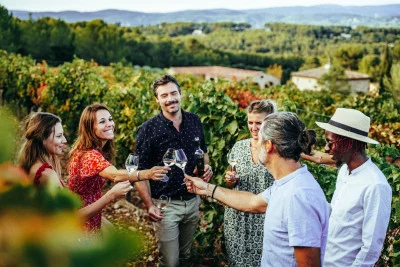
- Vineyard Walks: A guided walk through the vines explains the soil composition and the impact of the Mistral wind far better than a lecture in a tasting room.
- Cooking Classes: Learn to make tapenade or stuff zucchini flowers. This is ideal for those who want to take the flavor of Provence home with them.
- Olive Oil Tasting: Many wineries also produce olive oil. Tasting different oils side-by-side reveals nuances of grass, almond, and pepper similar to wine tasting.
What a food and wine tour in Côtes de Provence looks like, step by step
Your day typically begins with a pickup from your hotel or a central meeting point. As you leave the coast or the city, the landscape shifts to rolling hills covered in pine forests and orderly rows of vines.
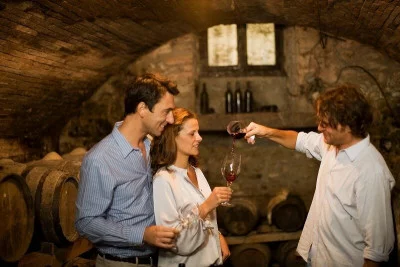
The first stop is usually a winery visit. You will tour the production area, see the stainless steel tanks where temperature-controlled fermentation preserves fresh fruit aromas, and perhaps see the barrel room for the reds. A tasting follows, usually consisting of 3 to 5 wines.
Lunch is next, often located at the winery or a nearby village bistro. The afternoon pace slows down. You might visit a second producer with a different style or stop at a scenic viewpoint to see the Sainte-Victoire mountain.
Tours generally last between 6 and 8 hours. Pricing is transparent and typically includes all tasting fees and transportation. Confirm the inclusion of lunch before booking, as some half-day options may only include snacks.
Winery visits in Côtes de Provence, with guided pairings and storytelling
Hosts in this region are proud of their heritage. You will likely be greeted by a family member or a knowledgeable staff member who speaks English.
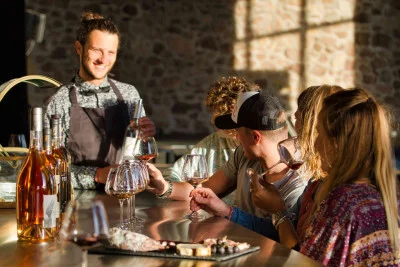
The tasting is a structured experience. You won't just be poured a glass; you will be guided through the color, nose, and palate of each wine. You will learn why the color of the rosé is so pale (often due to direct pressing and minimal skin contact) and how the proximity to the sea influences the salinity in the whites. Expect verified insights into the winemaking process without unnecessary jargon.
A meal in Côtes de Provence that goes beyond a simple stop
The meal is an extension of the tasting. If you are eating at a winery, the chef works in tandem with the winemaker.
Dishes are seasonal. In spring, you might have asparagus and fresh goat cheese; in autumn, wild mushrooms and game. The service is relaxed but attentive. You aren't rushed. The goal is to show how the texture of the food interacts with the wine. A typical lunch includes a starter, a main course, and dessert, accompanied by the estate's wines.
Time to breathe in Côtes de Provence, with scenic routes and village strolls
Between tastings, the drive itself is an experience. The roads wind through forests of cork oak and Aleppo pine.
Tours often include short stops at medieval perched villages like Gassin or Ramatuelle. These interludes allow you to stretch your legs, buy a bag of dried herbs, or simply admire the view of the Mediterranean in the distance. It is a chance to reset your palate and absorb the slow pace of Provençal life.
Choose the right food and wine tour in Côtes de Provence for your pace
The right tour depends on how much time you have and how deep you want to dive.
For a quick introduction, a half-day tour focusing on two wineries is sufficient. If you are a serious enthusiast or want to explore a specific sub-appellation like Sainte-Victoire or Fréjus, a full-day private tour is the better choice. Check the group size; small groups of 8 or fewer offer a more personal interaction with the hosts.
Live availability and instant booking confirmation make planning easy. Compare the durations and inclusions to find the match for your schedule.
Short food and wine experiences in Côtes de Provence that still feel rich and complete
Short experiences are perfect for those with limited time or those on a cruise stopover.
These typically last 3 to 4 hours. They focus on a single estate or two nearby producers. You will still get a tour of the cellar and a guided tasting, often accompanied by a platter of local cheeses and charcuterie. It is a concentrated dose of the region’s culture without taking up your entire day.
Food and wine weekends in Côtes de Provence for couples and friends
A weekend allows for a relaxed exploration.
Dedicate one day to the classic rosés near the coast, enjoying a seaside lunch. Spend the second day inland, exploring the red wines of the cooler hills. This approach gives you a complete picture of the region's diversity. Evenings are free for dining in local village squares, where the atmosphere is lively and communal.
Overnight stays in Côtes de Provence that make the atmosphere part of the memory
Staying at a wine estate changes the experience entirely. The tourists leave, and the vineyards become quiet.
Many estates offer accommodation ranging from simple bed and breakfasts to luxury suites. You wake up to the view of vines and often enjoy a breakfast featuring local jams and fruits. It eliminates the need for driving and allows you to enjoy a bottle of wine on your private terrace as the sun sets.
Gift a food and wine tour in Côtes de Provence that feel personal
A tour is a thoughtful gift for anyone traveling to the South of France.
For newlyweds, a private tour with a gourmet lunch is a romantic choice. For a group of friends, a cooking class combined with a tasting offers a fun, interactive day. Gift options are flexible, allowing the recipient to choose the date that suits them best.
When to book a food and wine tour in Côtes de Provence?
The region is a year-round destination, but the experience shifts with the seasons. Most wineries are open all year, though hours may be reduced in winter.
Summer is vibrant but hot and busy. Spring and autumn offer milder temperatures and fewer crowds. Booking in advance is essential, especially for weekends and during the peak months of July and August.
Harvest season in Côtes de Provence, when the region comes alive
Harvest usually takes place from late August to September.
This is the most dynamic time to visit. You might see tractors hauling trailers full of grapes and smell the fermentation beginning in the cellars. Because harvest often happens at night or very early morning to keep the grapes cool, you will see the results of the work during the day. Wineries are busy, but the energy is infectious. Be prepared for some estates to be closed to visitors during critical processing times, so check availability.
Autumn and winter in Côtes de Provence, for deeper dishes and comforting wines
As the temperatures drop, the food becomes heartier.
This is the season for truffles, mushrooms, and stews. The red wines of the region really shine in this context. The crowds disappear, and the interactions with winemakers can be more leisurely. It is a quiet, introspective time to visit, perfect for those who want to avoid the summer rush.
Spring and summer in Côtes de Provence, for outdoor meals and lighter pairings
From May onwards, life moves outside.
Markets are full of strawberries, asparagus, and artichokes. Lunch on a terrace is the highlight of the day. The new vintage of rosé is usually released in spring, making it the perfect time to taste the freshest wines. Ensure you book tours that include air-conditioned transport, as midday heat can be intense.
Food and wine events in Côtes de Provence, when the calendar adds extra magic
The region hosts numerous festivals celebrating local produce.
- Fête de la Vigne et du Vin: Held in spring, wineries open their doors for special tastings and events.
- Chestnut Festivals: Occurring in October in the village of Collobrières, celebrating the harvest with roasted chestnuts and wine.
- Truffle Markets: In winter, markets in villages like Aups specialize in black truffles.
Visiting during an event adds a layer of celebration to your trip. Secure your tour dates early, as accommodation and guides book up quickly during these periods.
Côtes de Provence: Good to know
The average price of a wine tasting with winery visit in Côtes de Provence is around €52.50. Depending on the experience, prices range from €10 to €95. Booking in advance ensures availability and the best prices.
Here are the top wineries to visit in Côtes de Provence:
- Château Mouresse
- Domaine Rabiega
- Domaines Bunan
- Jas des Oliviers
- Château Margüi Skywalker Vineyards
- Domaine Sainte Marie
- Chateau de la Galiniere
- SCA CHATEAU DE MAUVANNE
Here are the best wine tastings to book in Côtes de Provence:
- Domaines Bunan Self-guided Cellar and Vineyard Visit & Wine tasting in Bandol
- Enchanting Provencal Experience: Wine Tasting, Cellar Tour & Lunch at Domaine Rabiega
- Mountain Bike Tour Through the Vineyards & Wine Tasting at Domaine Sainte Marie
- Sea-Aged vs. Cellar-Aged Wines at Domaine Sainte Marie
- Rosé, White & Red Wine Tasting Experience at Domaine Sainte Marie
- Guided Visit & Vineyard Discovery and Wine tasting at Domaines Bunan in Bandol
- Wine Tasting & Gourmet Salad at Domaine Sainte Marie
- Discovery Visit and Wine Tasting in the Heart of Provence at Château Mouresse
Continue with a social account