

Degustazioni Vini e Visite in Cantina in Mosella
Esplora le degustazioni di vini e le visite alle cantine in Mosella, un'area di spicco in Renania-Palatinato, Germania. Con 10 opzioni disponibili, di cui 9 direttamente in cantina, troverai esperienze da 1 ora fino a 7 ore, con prezzi compresi tra €17.50 e €89. Visita le cantine locali, scopri il terroir e assapora i vini che rendono Mosella davvero interessante.
Oltre alle degustazioni di questa pagina trovi anche Tour delle Cantine in Mosella: viaggi guidati che toccano più cantine in una volta sola.

Renania-Palatinato, Landkreis Trier-Saarburg -
(Mosella, Bernkastel)
1 Ora 30 Minuti
Min 1, Max 6
Da €23.50
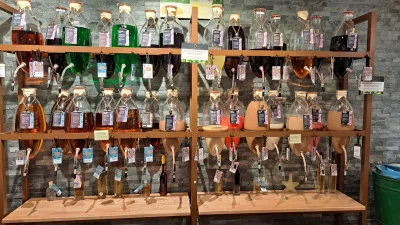
Renania-Palatinato, Landkreis Cochem-Zell -
(Mosella, Burg Cochem)
6 Ore 30 Minuti
Min 2, Max 50
Da €89

Renania-Palatinato, Treviri -
(Mosella, Ruwer)
1 Ora
Min 1, Max 10
Da €17.50

Renania-Palatinato, Landkreis Bernkastel-Wittlich -
(Mosella)
2 Ore
Min 2, Max 12
Da €25
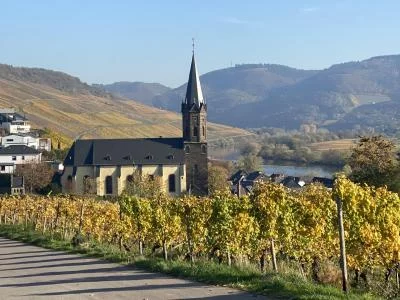
Renania-Palatinato, Landkreis Bernkastel-Wittlich -
(Mosella)
2 Ore 30 Minuti
Min 2, Max 20
Da €40

Renania-Palatinato, Landkreis Bernkastel-Wittlich -
(Mosella)
2 Ore
Min 2, Max 20
Da €25
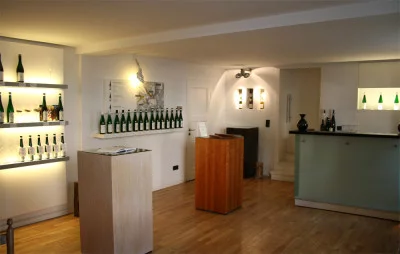
Renania-Palatinato, Landkreis Trier-Saarburg -
(Mosella, Obermosel, Saar)
1 Ora 45 Minuti
Min 2, Max Non specificato
Da €20

Renania-Palatinato, Landkreis Bernkastel-Wittlich -
(Mosella)
2 Ore
Min 2, Max 20
Da €30

Renania-Palatinato, Landkreis Cochem-Zell -
(Mosella)
1 Ora 30 Minuti
Min 2, Max 19
Da €25
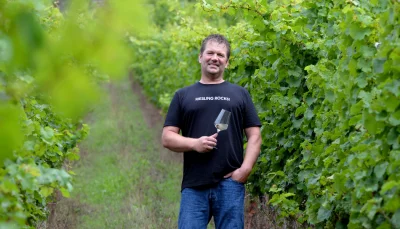
Renania-Palatinato, Landkreis Cochem-Zell -
(Mosella)
2 Ore
Min 2, Max 18
Da €34
Le migliori degustazioni di vini nella Mosella
La Mosella non è solo una regione vinicola, è un paesaggio verticale dove la viticoltura sfida la gravità. Qui, il fiume riflette la luce solare sui vigneti più ripidi del mondo, creando un microclima unico che permette al Riesling di maturare lentamente, sviluppando un equilibrio irripetibile tra acidità tagliente e dolcezza fruttata. Con oltre 8.700 ettari vitati e una tradizione che risale ai Romani, questa zona offre vini di una precisione cristallina. Le degustazioni qui non sono semplici assaggi, ma lezioni di terroir: scoprirete come il colore dell'ardesia (blu, grigia o rossa) cambia il sapore nel bicchiere. Winedering vi guida tra cantine storiche e produttori emergenti, offrendo esperienze prenotabili in pochi click, garantite e autentiche.
Degustazioni di vini nella Mosella, tra sapori e profumi locali
Avvicinare il naso a un calice di Riesling della Mosella significa immergersi in un bouquet di mela verde, fiori bianchi, agrumi e quella inconfondibile nota minerale di pietra bagnata. Al palato, la firma sensoriale è la tensione: una "lama" acida vibrante che sostiene il corpo del vino, spesso leggero e danzante. Questo profilo è figlio diretto del suolo ricco di ardesia devoniana e delle pendenze estreme che catturano ogni raggio di sole. Una tipica degustazione prevede una progressione di 4-5 vini, partendo dai secchi (Trocken) fino ai dolci naturali (Kabinett o Spätlese), per capire l'evoluzione dello zucchero residuo. Imparerete a valutare la persistenza e l'eleganza più che la potenza alcolica. Le sessioni durano solitamente dai 60 ai 90 minuti, spesso disponibili in inglese o tedesco, ideali sia per chi inizia sia per chi cerca conferme tecniche.
Grandi classici e vini iconici della Mosella, le degustazioni da non perdere
I protagonisti indiscussi qui sono i Riesling classificati secondo il sistema dei Prädikat, che premia la maturazione dell'uva piuttosto che il grado alcolico. Aspettatevi di degustare etichette iconiche come il Riesling Kabinett, leggero e scattante, o un complesso Spätlese che può invecchiare per decenni. Circa il 60% della superficie vitata è dedicata al Riesling, ma non mancano sorprese come il Müller-Thurgau o l'antico Elbling. Un dato di autorità da cercare è l'aquila del VDP (Verband Deutscher Prädikatsweingüter) sul collo della bottiglia, simbolo dei produttori di massima qualità e dei vigneti classificati come Grosse Lage (Grand Cru). Nel bicchiere troverete strutture affilate, gradazioni alcoliche spesso contenute (tra il 7% e l'11% per i vini con residuo zuccherino) e finali lunghissimi. Il modo migliore per comprenderli è attraverso una verticale, assaggiando la stessa etichetta in annate diverse per sentire come il tempo leviga l'acidità.
Mappa delle degustazioni nella Mosella: pianifica il tuo tour in un paio di click
La geografia della Mosella è definita dalle sue anse sinuose. Esplorare per "cluster" è la strategia migliore per ottimizzare i tempi.
- Logistica intelligente: Bernkastel-Kues e Cochem sono ottimi punti base; le strade lungo il fiume sono panoramiche ma lente, calcolate i tempi con margine.
- Itinerario mezza giornata: 1 o 2 cantine concentrate in una singola ansa del fiume (es. intorno a Traben-Trarbach).
- Itinerario giornata intera: 2 degustazioni più un pranzo in una Straußwirtschaft (taverna stagionale) con vista vigneti.
- Weekend: 3-5 visite con pernottamento, spostandosi dalla Terrassenmosel (terrazzamenti bassi) alla Mittelmosel (cuore classico).
- Aprite la mappa interattiva, filtrate per data e prenotate subito la vostra esperienza.
Visite in cantina nella Mosella, un'esperienza completa dalla vite al calice
Una visita completa in Mosella inizia spesso con il fiato corto e una vista spettacolare: camminare tra i filari su pendenze che raggiungono i 68 gradi fa capire il significato di "viticoltura eroica". Entrare poi nelle cantine fresche e umide, spesso scavate direttamente nella roccia di ardesia, offre un contrasto tattile immediato. Qui vedrete le tradizionali botti Fuder da 1.000 litri, usate per micro-ossigenare il Riesling senza cedere troppo sapore di legno. Scoprirete come la scelta dei lieviti (spesso indigeni) e la fermentazione lenta a bassa temperatura preservino gli aromi primari dell'uva. È un'immersione tecnica ma accessibile: capirete perché l'esposizione sud-sudovest è la valuta più preziosa della regione. Scegliete il vostro livello: dal tour introduttivo alla visita tecnica con l'enologo.
Le migliori cantine e produttori di vino della Mosella da visitare
Definire i "migliori" in Mosella significa cercare chi rispetta l'identità dell'ardesia. La nostra selezione spazia dalle storiche tenute nobiliari con secoli di storia ai giovani vignaioli che stanno riscoprendo tecniche naturali. Segnali di qualità da osservare includono la vinificazione di singole particelle (Einzellagen), l'uso di vecchie vigne (Alte Reben) e lunghe soste sui lieviti per dare cremosità al vino. Con oltre 3.000 aziende vinicole nella regione, Winedering vi aiuta a filtrare: cercate produttori che offrono ospitalità diretta e intima, spesso gestita dalla famiglia stessa. Controllate la disponibilità in tempo reale e prenotate per assicurarvi un posto, specialmente durante la stagione della vendemmia.
Esperienza vino Mosella: da vivere, da raccontare
Immaginate un pomeriggio lento, seduti su una terrazza a picco sul fiume, mentre le chiatte scivolano silenziose sull'acqua e il sole scalda la pietra. L'esperienza vino in Mosella va oltre la semplice degustazione tecnica: è convivialità, storia e natura. Offriamo trasparenza totale sui prezzi e cancellazione flessibile, perché il vostro viaggio deve essere senza pensieri. Le recensioni verificate vi guideranno verso le esperienze più amate, dalle degustazioni informali ai pacchetti esclusivi. Non lasciate al caso i vostri ricordi: scegliete il formato che fa per voi e bloccate la vostra data in pochi minuti.
Degustazioni nella Mosella con menu locali, pranzi e cene in cantina
La cucina della Mosella è sostanziosa e sapida, nata per bilanciare l'acidità tagliente dei suoi vini. I menu locali offrono pane nero croccante, formaggi a pasta molle marinati e piatti a base di maiale o pesce di fiume.
- Cosa aspettarsi: Ingredienti regionali come la trota della Mosella o patate coltivate nei pianori sopra la valle.
- Logica dell'abbinamento: L'acidità del Riesling "pulisce" il palato dai grassi, mentre i vini con residuo zuccherino (Kabinett/Spätlese) sono perfetti con piatti speziati o formaggi erborinati.
- Dettagli pratici: Le esperienze con pranzo durano circa 2-3 ore. Segnalate sempre allergie in anticipo.
- Consultate i menu nelle schede e prenotate il vostro tavolo in cantina.
Picnic in vigna e aperitivi al tramonto nella Mosella
Niente cattura la magia della Mosella come un aperitivo mentre il sole scende dietro le colline, tingendo il fiume di oro e viola. I picnic organizzati includono cestini con pretzel freschi, salumi locali e, naturalmente, una bottiglia di vino refrigerata, da gustare seduti sui muretti a secco o in aree panoramiche dedicate. È un'attività ideale da maggio a ottobre, quando le temperature sono miti e le giornate lunghe. Prenotate il vostro slot al tramonto con anticipo: i punti panoramici migliori sono molto richiesti.
Esperienze di degustazione guidata nella Mosella: cantine, trekking e weekend con pernottamento
Per chi ama il viaggio lento, la Mosella offre la combinazione perfetta tra trekking e vino. Percorrere tratti del Moselsteig e fermarsi in cantina è il modo migliore per capire la fatica e la bellezza di questi luoghi. Le esperienze guidate possono includere passeggiate tra i vigneti (alcune richiedono scarpe robuste!) seguite da degustazioni strutturate che allenano il palato a riconoscere le differenze tra un suolo di ardesia blu e uno di ardesia rossa. Per un'immersione totale, optate per un pacchetto weekend con pernottamento in azienda vinicola: svegliarsi con la vista sulle vigne è un privilegio raro.
Degustazioni nella Mosella con momenti per coppie ed esperienze per tutta la famiglia
La Mosella è una destinazione accogliente e versatile. Per le coppie, proponiamo degustazioni private in salette storiche o romantici brindisi in barca lungo il fiume. Le famiglie troveranno un ambiente rilassato: molte cantine offrono succhi d'uva di produzione propria per i bambini e spazi all'aperto sicuri. Le visite durano in media un'ora e mezza, tempo perfetto per mantenere l'attenzione di tutti. Verificate i filtri "family friendly" e prenotate l'orario più comodo per le vostre esigenze.
Voucher, pacchetti e degustazioni di vino da regalare nella Mosella
Regalare un'esperienza in Mosella significa donare un pezzo di storia vinicola. I nostri voucher e pacchetti sono il regalo perfetto per appassionati e neofiti: validità lunga, cambio data flessibile e conferma immediata. Potete scegliere tra un'introduzione ai classici per chi inizia, o una degustazione di Grand Cru per l'intenditore. Se siete indecisi sulla data, il voucher aperto è la scelta più sicura e apprezzata, permettendo al destinatario di pianificare il proprio viaggio in libertà.
Oltre la Mosella: altre degustazioni da provare nei dintorni
Se avete mezza giornata in più, vale la pena estendere il raggio d'azione. A meno di un'ora di auto, il paesaggio e i vini cambiano drasticamente. La vicina regione dell'Ahr, ad esempio, è famosa per i suoi Pinot Nero (Spätburgunder) coltivati su ripide pareti di roccia vulcanica, offrendo un perfetto contrappunto rosso ai bianchi della Mosella. Esplorate le opzioni limitrofe per costruire un itinerario vario e completo.
Esperienze vinicole sorprendenti tra province e borghi intorno alla Mosella
Non limitatevi al corso principale del fiume. Gli affluenti Saar e Ruwer offrono un microclima ancora più fresco, producendo Riesling dal carattere tagliente, elettrico e speziato che molti puristi adorano. Cittadine come Saarburg, con la sua cascata urbana, ospitano cantine boutique dove l'accoglienza è intima e personale. Aggiungere una tappa in queste sotto-zone vi permetterà di confrontare stili diversi e scoprire gemme nascoste lontano dalla folla principale.
Highlights dei vini della Mosella
Prima di prenotare, ecco cosa dovete sapere per orientarvi come un esperto. La Mosella conta circa 8.700 ettari di vigneti, la maggior parte dei quali su pendenze vertiginose. Il fattore chiave è il suolo di ardesia (Schiefer), che immagazzina il calore del giorno e lo rilascia la notte, permettendo alle uve di maturare a latitudini settentrionali (50° parallelo). Questa lenta maturazione preserva un'acidità elevata e sviluppa aromi complessi. Termini da ricordare: Steillage (vigneto ripido) e sapidità minerale, il vero marchio di fabbrica della regione.
Vitigni della Mosella: eredità, suolo e tradizione
- Riesling: Il re assoluto, copre oltre il 60% della superficie. Versatile, longevo, riflette il terroir come nessun altro.
- Müller-Thurgau (Rivaner): Spesso usato per vini quotidiani, freschi e meno complessi, ideali per un pranzo leggero.
- Elbling: Un vitigno antico (oltre 2000 anni), coltivato soprattutto nella parte alta della Mosella, noto per la sua acidità e usato spesso per gli spumanti.
- Spätburgunder (Pinot Nero): In crescita, offre rossi eleganti e fruttati, specialmente su suoli di ardesia.
- Consultate la nostra guida ai vitigni per scegliere la degustazione più adatta al vostro palato.
Vini simbolo della Mosella ed etichette da conoscere
- Riesling Kabinett: Leggero, basso contenuto alcolico, perfetto equilibrio dolce-acido. Da bere fresco (8-10°C).
- Riesling Spätlese: "Vendemmia tardiva", più corpo, frutta più matura, straordinario potenziale di invecchiamento.
- Riesling Trocken (GG - Grosses Gewächs): I grandi secchi da vigneti classificati, potenti e minerali.
- Nelle degustazioni, chiedete spesso di confrontare un secco con un fruttato per capire la versatilità dell'uva.
- Cercate queste denominazioni nelle liste dei vini e prenotate i produttori che le rappresentano al meglio.
Cibo e vino nella Mosella, l'abbinamento perfetto
La tavola della Mosella è un inno alla concretezza. Immaginate piatti fumanti serviti in locande accoglienti: la cucina qui non cerca di stupire con artifici, ma di sostenere e accompagnare il vino. L'acidità del Riesling è una "lama" gastronomica eccezionale, capace di sgrassare piatti di maiale o accompagnare pesci d'acqua dolce affumicati. Prodotti DOP e IGP locali garantiscono la qualità della materia prima. Scegliete degustazioni con opzioni gastronomiche per vivere l'esperienza regionale completa.
Tour enogastronomici nella Mosella per assaporare la regione oltre il calice
I tour enogastronomici vi portano nel cuore della tradizione conviviale tedesca. Oltre alle visite in cantina, questi tour possono includere soste nei mercati locali o pranzi nelle Straußwirtschaften, taverne temporanee gestite dai vignaioli aperte solo pochi mesi l'anno. Durano solitamente mezza giornata e includono il trasporto, permettendovi di godere del vino senza preoccupazioni di guida. È il modo più autentico per capire come il vino si intrecci con la vita quotidiana locale.
Vini della Mosella e piatti locali con abbinamenti da provare
- Riesling Trocken + Trota alla mugnaia: L'acidità del vino taglia il burro e esalta la delicatezza del pesce.
- Riesling Kabinett + Zwiebelkuchen (Torta di cipolle): La leggera dolcezza del vino bilancia il sapore deciso della cipolla e la sapidità della pancetta.
- Riesling Auslese + Formaggi erborinati: Un classico contrasto dolce-salato che crea un'armonia perfetta al palato.
- Winzersekt (Spumante) + Pretzel e prosciutto: L'effervescenza pulisce la bocca dalla sapidità dei salumi.
- Cercate degustazioni con menu tipici per provare direttamente in loco questi abbinamenti vincenti.
Falla tua: costruisci una fuga a tema Mosella
Pianificare un viaggio in Mosella richiede ritmo, non fretta. Immaginate il vostro itinerario come il corso del fiume: fluido e ricco di curve da scoprire. Bernkastel-Kues, Cochem e Treviri sono basi ideali per pernottare. Considerate che le visite in cantina qui sono spesso conversazioni approfondite con i produttori: pianificate realisticamente 2 o 3 cantine al massimo per giorno per godervela davvero. Usate la nostra mappa per impostare il vostro ritmo e prenotate le tappe in sequenza logica.
Cose da fare nei dintorni della Mosella per rendere il viaggio ancora più memorabile
- Visitare il Burg Eltz, uno dei castelli più belli e intatti della Germania, nascosto in una valle laterale.
- Esplorare la Porta Nigra e le rovine romane a Treviri (Trier), la città più antica della Germania.
- Attraversare il ponte sospeso Geierlay nell'Hunsrück per un brivido ad alta quota (circa 30 min dal fiume).
- Fare una crociera fluviale per ammirare i vigneti Ürziger Würzgarten o Calmont dall'acqua.
- Abbinate una mattinata di cultura o natura a una degustazione pomeridiana per una giornata perfetta.
Borghi da fiaba, luoghi imperdibili e posti da visitare intorno alla Mosella
- Beilstein: Conosciuta come la "Bella Addormentata della Mosella", un minuscolo borgo medievale incredibilmente scenografico.
- Bernkastel-Kues: Famosa per la sua piazza del mercato con case a graticcio del 1600 e il vigneto Doctor sopra la città.
- Traben-Trarbach: Nota per la sua architettura Jugendstil (Art Nouveau) e le vaste cantine sotterranee visitabili.
- Aggiungete una sosta in uno di questi villaggi tra una degustazione e l'altra per un caffè o una passeggiata.
Pianificare un viaggio nella Mosella? Ecco il momento migliore per andare
- Primavera (Aprile-Maggio): Il risveglio della vite (germogliamento), temperature fresche, meno turisti.
- Estate (Giugno-Agosto): Giornate lunghe, festival del vino, clima caldo ideale per picnic e gite in barca.
- Autunno (Settembre-Ottobre): Il momento magico della vendemmia. Colori dorati, grande energia, ma prenotazione obbligatoria con largo anticipo.
- Inverno (Novembre-Dicembre): Mercatini di Natale suggestivi (specialmente a Bernkastel e Treviri), degustazioni intime al caldo.
- Controllate la disponibilità in tempo reale su Winedering e prenotate prima possibile per le date di alta stagione.
Festival del vino ed eventi nella Mosella e dintorni da non perdere
La Mosella celebra il vino con una passione contagiosa. Tra gli eventi più noti ci sono il Mosel Wein Festival a Traben-Trarbach e la grande Weinfest der Mittelmosel a Bernkastel-Kues (settembre), con fuochi d'artificio e sfilate. Quasi ogni villaggio ha la sua festa del vino ("Weinfest") tra la primavera e l'autunno, dove si mangia, si beve e si balla in piazza. Considerate che durante questi weekend gli alloggi si riempiono rapidamente e i trasporti pubblici sono più affollati.
Mosella: Buono a sapersi
Cosa visitare in Mosella?
La Valle della Mosella, nella Germania occidentale, è una destinazione vinicola da cartolina, famosa per i suoi vigneti scoscesi, i castelli medievali e gli incantevoli villaggi lungo il fiume. Seguendo il tortuoso fiume Mosella, questa regione offre ai visitatori un mix unico di natura, storia e vini bianchi di prima qualità. È una fuga ideale per i viaggiatori in cerca di autenticità e di eccezionali wine experiences.
La Mosella è famosa in tutto il mondo per i suoi vini Riesling eleganti e aromatici. Le degustazioni di vino qui si tengono spesso in cantine a graticcio o in cantine scavate nelle scogliere di ardesia, offrendo un'immersione nella vinificazione tradizionale. Molti produttori accolgono i visitatori per visite guidate, degustazioni e persino passeggiate nei vigneti sui ripidi pendii che dominano il fiume.
Quali cibi assaggiare in Mosella?
La cucina della Mosella riflette sia la cordialità tedesca che la finezza francese. I piatti più popolari includono Flammkuchen, carne di maiale infusa di Riesling e formaggi regionali. Molte aziende vinicole offrono menù stagionali o cene con abbinamento di vini, perfetti per scoprire l'armonia tra il cibo e i vitigni locali.
Quali vini si producono in Mosella?
Il protagonista indiscusso della Mosella è il Riesling, apprezzato per il suo equilibrio tra dolcezza, acidità e mineralità. Altri vitigni includono l'Elbling e il Pinot Bianco, ma il Riesling domina le categorie dei vini secchi e dolci e prospera nei terreni ricchi di ardesia della regione.
Qual'è la stagione migliore per andare in Mosella?
La primavera e l'autunno sono i periodi migliori per visitarla. La vendemmia, a settembre e ottobre, è un momento clou: molti villaggi ospitano festival del vino, giornate di apertura delle cantine e celebrazioni locali. Anche l'estate offre splendide viste sui vigneti e degustazioni all'aperto lungo il fiume.
Cosa fare in Mosella?
Oltre al vino, esplora città storiche come Cochem, Bernkastel-Kues e Treviri, la città più antica della Germania. Crociere sul fiume, gite in bicicletta tra i vigneti e punti panoramici come Calmont (il vigneto più ripido d'Europa) arricchiscono il tuo viaggio enologico lungo la Mosella.
Quanto costa una degustazione di vini con visita alla cantina in Mosella?
Il prezzo medio di una degustazione di vini con visita alla cantina in Mosella è di circa €33. A seconda dell'esperienza, i prezzi variano da €17.50 a €89. Prenotare in anticipo garantisce la disponibilità e i prezzi migliori.
Quali cantine visitare in Mosella?
Ecco le migliori cantine da visitare in Mosella:
- Weingut Hoffmann
- Weingut Arns
- Vereinigte Hospitien
- Wine Estate Peter Lauer KG . Ayl
- Weingut Gindorf
- SCHNEIDERS Die Weinmanufaktur
Ci sono tour delle cantine guidati in Mosella?
Sì — 15 esperienze di tour delle cantine sono disponibili in Mosella. Vedi tutte Tour delle Cantine in Mosella.
Dove trovare degustazioni di vini da regalare in Mosella?
Regalare una degustazione di vino in Mosella è facile con i voucher wine experience di Winedering. Puoi scegliere tra le degustazioni selezionate nella zona e ricevere immediatamente un voucher in formato PDF da stampare o condividere in seguito. Si tratta di un regalo premuroso, ideale per compleanni, anniversari o qualsiasi altra occasione speciale.
Regala ora!
Continua con un account social