

Wine Tastings, Winery Visits and Wine Tours in Luberon
Explore wine tastings and winery visits in Luberon, a standout area within Provence-Alpes-Côte d'Azur Region, France. With 10 options available, 1 of them at the winery itself, you'll find experiences from 2 hours up to 10 hours, priced between €8 and €1,200. Visit local wineries, discover the terroir, and savor the wines that make Luberon worth the trip.
If you are looking for a wine tour, with cellar visits and tastings at one or more wineries, this page also lists 9 wine tours, departing mainly from Marseille, Beaumettes, Avignon and Villeneuve-les-Avignon.

Provence-Alpes-Côte d'Azur Region, Bouches-du-Rhône, Marseille -
(Provence, Marseille, Crozes-Hermitage, Luberon)
7 Hours
Min 2, Max 6
From €495
Provence-Alpes-Côte d'Azur Region, Vaucluse, Arrondissement d'Apt -
(Southern Rhône, Luberon, Ventoux)
6 Hours
Min 2, Max 8
From €89

Provence-Alpes-Côte d'Azur Region, Bouches-du-Rhône, Marseille -
(Provence, Marseille, Southern Rhône, Crozes-Hermitage, Luberon, Ventoux)
7 Hours
Min 4, Max 14
From €200

Provence-Alpes-Côte d'Azur Region, Bouches-du-Rhône, Marseille -
(Provence, Coteaux d'Aix-en-Provence, Marseille, Southern Rhône, Aix en provence, Luberon, Ventoux, Baux-de-Provence)
8 Hours
Min 1, Max 8
From €850 (Groups Discount Available!)

Provence-Alpes-Côte d'Azur Region, Bouches-du-Rhône, Marseille -
(Provence, Marseille, Southern Rhône, Luberon, Ventoux)
8 Hours
Min 1, Max 8
From €1,100 (Groups Discount Available!)

Provence-Alpes-Côte d'Azur Region, Bouches-du-Rhône, Marseille -
(Provence, Coteaux d'Aix-en-Provence, Marseille, Southern Rhône, Luberon, Ventoux)
6 Hours
Min 1, Max 8
From €1,200 (Groups Discount Available!)

Provence-Alpes-Côte d'Azur Region, Bouches-du-Rhône, Marseille -
(Provence, Marseille, Southern Rhône, Luberon, Ventoux)
8 Hours
Min 4, Max 8
From €235

Languedoc-Roussillon-Midi-Pyrenees, Gard, Nimes -
(Rhône, Southern Rhône, Côtes du Rhône, Luberon, Ventoux)
8 Hours
Min 1, Max 8
From €600 (Groups Discount Available!)

Provence-Alpes-Côte d'Azur Region, Vaucluse, Arrondissement d'Apt -
(Rhône, Southern Rhône, Luberon, Ventoux)
2 Hours
Min 4, Max 50
From €8

Provence-Alpes-Côte d'Azur Region, Vaucluse, Arrondissement d'Avignon -
(Rhône, Southern Rhône, Crozes-Hermitage, Châteauneuf du Pape, Avignon, Côtes du Rhône, Luberon, Ventoux)
9 Hours 30 Minutes
Min 1, Max 8
From €169
Luberon: Good to know
What visit in Luberon?
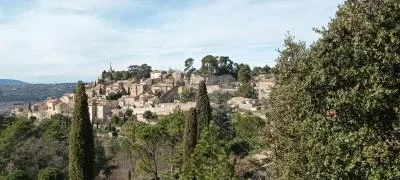
Nestled in southeastern Provence within the Parc Naturel Régional du Luberon, this area offers a breathtaking blend of sun-drenched vineyards, rolling limestone hills, and perched hilltop villages framed by garrigue landscapes. Officially recognized in 1988 (formerly Côtes du Luberon), its 36 communes span valley floors and mid-altitude slopes between the Calavon and the Durance valleys. The vines flourish on argillo-calcaire soils and benefit from Mediterranean warmth, cooling night breezes, and the purifying Mistral wind—creating wines that reflect both terroir and Provençal heritage
Wine tourism in Luberon is casual yet immersive. Visitors discover independent domaines and cooperative cellars scattered across villages like Ménerbes, Lourmarin, Bonnieux and Cucuron, each offering tastings in rustic cellars or vineyard terraces. Map‑guided trails and cellar‑door experiences bring you close to growers sharing stories, wine styles, and local terroir. The region’s vineyards are considered among the most scenic in Provence, and many wine tourism services adhere to quality standards ensuring clean welcoming tasting spaces.
Which food to taste in Luberon?
In villages around the Luberon like Apt, Lourmarin and Saint‑Saturnin‑les‑Apt, local tables serve Provencal fare where fresh ingredients meet hearty traditions. Think grilled lamb, terrines, goat cheese, olive oil‑dressed salads, and Cavaillon melon. Whites with floral citrus notes pair beautifully with seafood or soft cheeses; rosés complement charcuterie, vegetables or light lunches; reds—fruity yet structured—stand up to game, grilled meats or slow-cooked stews. A new generation of locavore chefs is revitalizing this scene, crafting menus rooted in local produce and regional wines.
Which wines to taste in Luberon?
Luberon red and rosé wines are rooted in Grenache Noir and Syrah (minimum 60% of blends), with Cinsault and Carignan permitted up to 20%, alongside minor varieties like Counoise, Mourvèdre or Gamay. White wines include Ugni Blanc (up to 50%), Clairette, Grenache Blanc, Bourboulenc, Roussanne and Marsanne. The result is a spectrum: reds with blackberry and spice character, rosés bursting with red fruit freshness, and whites offering floral, citrus and herbal complexity.
Which is the best season to visit Luberon?
The climate follows a “four‑time rhythm”: two dry seasons (winter and long summer) and two rainy seasons (spring and autumn), with abrupt showers in autumn. Spring brings blooming vines and garrigue-scented breezes—ideal for vineyard strolls. Hot dry summers ripen grapes and make chilled rosés and whites inviting. Harvest peaks in late August to September, when estates open cellars for visitors. As autumn colours saturate hillsides and markets hum, winter offers off-season calm and the chance to wander heritage villages and artisan sites.
What things to do in Luberon?
Begin in hilltop villages like Ménerbes or Lourmarin, whose cobbled lanes and local markets capture Provençal atmosphere. Visit wineries such as Château Val Joanis near Pertuis, where historic gardens rise amid vines, and stop at small domaines in Cucuron, Bonnieux or Cabrières‑d’Aigues for approachable tastings. Combine wine with hiking through lavender fields or exploring natural heritage of the Luberon massif. For dining, choose market-fresh menus paired with local wines under shaded terraces in Apt or Lourmarin.
How much does a wine tasting with winery tour in Luberon cost?
The average price of a wine tasting with winery visit in Luberon is around €272. Depending on the experience, prices range from €8 to €1,200. Booking in advance ensures availability and the best prices.
Which wineries to visit in Luberon?
Where do wine tours in Luberon usually depart from?
The main departure points for wine tours in Luberon:
Continue with a social account