

Catas de Vino, Visitas a Bodegas y Tours Enoturísticos en Côte d'Or
Explora las catas de vinos y las visitas a bodegas en Côte d'Or, una zona destacada dentro de Bourgogne-Franche-Comte, Francia. Con 18 opciones disponibles, encontrarás experiencias desde 1 hora hasta 10 horas, con precios entre €14.50 y €500. Visita bodegas locales, descubre el terruño y saborea los vinos que hacen que Côte d'Or merezca la pena el viaje.
Si buscas un tour enoturístico, con visitas a bodegas y catas en uno o más productores, en esta página también encontrarás 12 tours enoturísticos, con salida principalmente desde Beaune, Dijon, Meursault y Allerey.

Bourgogne-Franche-Comte, Cote D'Or, Beaune -
(Côte d'Or, Côte de Beaune, Beaune, Borgoña, Ruta de Gran Crus)
7 Horas 30 Minutos
Mín 2, Máx 16
Desde €250

Bourgogne-Franche-Comte, Cote D'Or, Dijon -
(Côte d'Or, Côte de Nuits, Jura, Borgoña, Ruta de Gran Crus, Ruta del Crémant)
1 Hora 30 Minutos
Mín 1, Máx 15
Desde €49

Bourgogne-Franche-Comte, Cote D'Or, Beaune -
(Côte d'Or, Côte de Beaune, Beaune, Côte de Nuits, Borgoña, Ruta de Gran Crus)
7 Horas 30 Minutos
Mín 2, Máx 16
Desde €250

Bourgogne-Franche-Comte, Cote D'Or, Beaune -
(Côte d'Or, Côte de Nuits, Borgoña, Ruta de Gran Crus)
1 Hora 30 Minutos
Mín 2, Máx 9
Desde €230

Bourgogne-Franche-Comte, Cote D'Or, Beaune -
(Côte d'Or, Côte de Beaune, Beaune, Côte de Nuits, Borgoña, Ruta de Gran Crus)
8 Horas 15 Minutos
Mín 1, Máx 8
Desde €260

Bourgogne-Franche-Comte, Cote D'Or, Beaune -
(Côte d'Or, Côte de Beaune, Auxey-Duresses, Meursault, Borgoña, Ruta de Gran Crus)
1 Hora
Mín 2, Máx 10
Desde €18

Bourgogne-Franche-Comte, Cote D'Or, Dijon -
(Côte d'Or, Beaune, Côte de Nuits, Jura, Borgoña, Ruta de Gran Crus, Ruta del Crémant)
7 Horas
Mín 2, Máx 8
Desde €500
Bourgogne-Franche-Comte, Cote D'Or, Dijon -
(Côte d'Or, Beaune, Côte de Nuits, Jura, Borgoña, Ruta de Gran Crus, Ruta del Crémant)
8 Horas
Mín 1, Máx 16
Desde €149

Bourgogne-Franche-Comte, Cote D'Or, Beaune -
(Côte d'Or, Côte de Beaune, Aloxe-Corton, Beaune, Meursault, Côte de Nuits, Borgoña, Ruta de Gran Crus)
8 Horas
Mín 2, Máx 3
Desde €345

Bourgogne-Franche-Comte, Cote D'Or, Beaune -
(Côte d'Or, Côte de Beaune, Beaune, Chassagne-Montrachet, Borgoña, Ruta de Gran Crus)
7 Horas
Mín 2, Máx 16
Desde €210

Bourgogne-Franche-Comte, Cote D'Or, Dijon -
(Côte d'Or, Côte de Nuits, Jura, Borgoña, Ruta de Gran Crus, Ruta del Crémant)
1 Hora
Mín 1, Máx 8
Desde €59

Bourgogne-Franche-Comte, Cote D'Or, Beaune -
(Côte d'Or, Côte de Beaune, Borgoña, Ruta de Gran Crus)
10 Horas
Mín 1, Máx 1
Desde €320

Bourgogne-Franche-Comte, Cote D'Or, Beaune -
(Côte d'Or, Côte de Beaune, Beaune, Borgoña, Ruta de Gran Crus)
1 Hora 30 Minutos
Mín 1, Máx 20
Desde €14.50

Bourgogne-Franche-Comte, Cote D'Or, Dijon -
(Côte d'Or, Côte de Beaune, Beaune, Meursault, Côte de Nuits, Jura, Borgoña, Ruta de Gran Crus, Ruta del Crémant)
7 Horas 15 Minutos
Mín 1, Máx 8
Desde €220

Bourgogne-Franche-Comte, Cote D'Or, Beaune -
(Côte d'Or, Côte de Beaune, Beaune, Meursault, Borgoña, Ruta de Gran Crus)
5 Horas 30 Minutos
Mín 1, Máx 8
Desde €220

Bourgogne-Franche-Comte, Cote D'Or, Beaune -
(Côte d'Or, Côte de Beaune, Beaune, Meursault, Côte de Nuits, Borgoña, Ruta de Gran Crus)
1 Hora
Mín 1, Máx 2
Desde €58
Las mejores catas de vinos en Côte d'Or
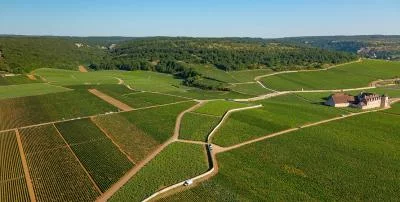
Bienvenidos a la ladera dorada, el epicentro mundial del Pinot Noir y el Chardonnay. Visitar la Côte d'Or no es solo beber vino; es un ejercicio de geografía sensorial donde unos pocos metros de distancia pueden cambiar por completo el perfil de una copa. Esta estrecha franja de viñedos, que se extiende a lo largo de unos 60 kilómetros desde Dijon hasta Santenay, alberga los famosos "Climats" de Borgoña, parcelas de viñedo delimitadas con precisión durante siglos e inscritas como Patrimonio Mundial de la UNESCO. Aquí, la cata es un acto de comparación y descubrimiento.
En Winedering, hemos seleccionado experiencias que van más allá de la simple degustación. Encontrarás desde bodegas familiares en pueblos legendarios como Vosne-Romanée o Meursault, hasta casas históricas con cavas subterráneas centenarias. La autenticidad aquí es norma: espera productores que hablan de suelos de marga y caliza, añadas caprichosas y una devoción absoluta por el terroir. Nuestras opciones son fáciles de reservar y están diseñadas para garantizarte acceso a una de las regiones vitivinícolas más prestigiosas y complejas del mundo.
Catas de vino en Côte d'Or, entre sabores y aromas locales
El perfil sensorial de la Côte d'Or es inconfundible y varía drásticamente de norte a sur. En la Côte de Nuits, al norte, el Pinot Noir reina con notas de cereza negra, tierra húmeda, especias y una estructura tánica firme pero sedosa. Al sur, en la Côte de Beaune, el Chardonnay alcanza su máxima expresión con aromas de flores blancas, avellana, mantequilla fresca y una mineralidad vibrante, fruto de los suelos calcáreos. El clima continental, con inviernos fríos y veranos cálidos, junto con la exposición sureste de las laderas, permite una maduración lenta que preserva una acidez tensa y elegante.
Una cata típica en esta región suele estructurarse de forma jerárquica: comenzarás con vinos de apelación regional, pasarás a las apelaciones Village, subirás a los Premier Cru y, en las experiencias más exclusivas, culminarás con un Grand Cru. Al probar, busca el equilibrio entre la acidez "nerviosa" y la fruta, la textura en el paladar y la persistencia del final. La mayoría de las visitas duran entre 60 y 90 minutos y se ofrecen tanto en francés como en inglés, adaptándose desde el principiante curioso hasta el coleccionista experto.
Grandes clásicos y vinos icónicos de Côte d'Or, catas imprescindibles
Para entender la Côte d'Or, hay que probar sus leyendas. Los tintos de Gevrey-Chambertin ofrecen potencia y estructura, mientras que los de Chambolle-Musigny son conocidos por su delicadeza y perfume de violetas. En blancos, Puligny-Montrachet y Meursault definen el estándar mundial del Chardonnay con su untuosidad y longevidad. La producción aquí es meticulosa y limitada; de hecho, los Grand Crus representan menos del 2% de la producción total de Borgoña, lo que convierte cada sorbo en un privilegio.
Estos vinos suelen envejecer en barricas de roble francés de 228 litros (la pièce borgoñona), lo que aporta sutiles notas tostadas sin opacar la fruta. En la copa, espera vinos con una acidez vertical que promete décadas de guarda. La mejor manera de apreciar estos clásicos es a través de catas comparativas o verticales (misma etiqueta, diferentes años), donde se revela la influencia crucial de la añada. Te animamos a buscar experiencias que incluyan al menos un Premier Cru para comprender el salto de calidad que otorga la clasificación del suelo.
Mapa de catas en Côte d'Or: planifica tu ruta en un par de clics
- La ruta: La famosa Route des Grands Crus es el eje central. Recorrerla de norte a sur te permite visualizar el cambio del paisaje y los suelos.
- Logística clave: Beaune es el centro neurálgico ideal. Desde allí, la mayoría de los viñedos están a menos de 20 minutos en coche.
- Ruta de medio día: Concéntrate en una subzona. Por ejemplo, visita dos bodegas en la Côte de Beaune (Pommard y Volnay) por la mañana.
- Ruta de día completo: Combina la Côte de Nuits por la mañana (Gevrey-Chambertin) con un almuerzo en Nuits-Saint-Georges y termina con blancos en Meursault por la tarde.
- Fin de semana: Dedica un día a cada "Côte", permitiéndote explorar pueblos más pequeños como Saint-Aubin o Fixin, y pernocta en una casa rural entre viñedos.
- Reserva inteligente: Usa nuestro mapa para filtrar por disponibilidad y asegurar tu plaza, especialmente durante el otoño.
Visitas a bodegas en Côte d'Or, una experiencia completa de la uva a la copa
Entrar en una bodega de la Côte d'Or es descender a la historia. Sentirás el aire fresco y húmedo de las cavas subterráneas, a menudo construidas siglos atrás, donde el moho noble recubre las paredes de piedra y las barricas descansan en silencio. Una visita completa no solo te lleva a la sala de catas; comienza a menudo a pie de viña, tocando la tierra pedregosa que drena el agua y obliga a las raíces a profundizar, y continúa en la sala de fermentación, donde verás los tradicionales tinos de madera o los modernos depósitos de acero inoxidable.
Durante el recorrido, los productores te explicarán decisiones técnicas clave: el uso de levaduras autóctonas para mantener la identidad del lugar, el porcentaje de racimo entero en la fermentación de los tintos o la técnica del bâtonnage (removido de lías) en los blancos para ganar textura. Un dato fascinante es la alta densidad de plantación típica de aquí, a menudo superando las 10,000 cepas por hectárea, lo que fomenta la competencia entre plantas y mejora la calidad de la uva. Elige tu visita según tu nivel de interés: desde introducciones amigables hasta inmersiones técnicas para connaisseurs.
Las mejores bodegas y productores de vino en Côte d'Or para visitar
En Winedering, definimos a los "mejores" no solo por sus puntuaciones, sino por su hospitalidad y consistencia. La región alberga desde prestigiosos Domaines familiares que han pasado de generación en generación, hasta Maisons de negociantes que compran uva y elaboran vinos de alta gama. Busca productores que practiquen la viticultura orgánica o biodinámica, una tendencia creciente en la zona para expresar el terroir con mayor pureza.
Un sello de calidad a observar en la etiqueta es "Mis en bouteille au domaine", que garantiza que el vino fue producido y embotellado por el propietario del viñedo. Presta atención a productores en denominaciones emergentes como Marsannay o Saint-Romain, donde a menudo se encuentra una relación calidad-precio excepcional y un trato muy cercano. Explora nuestra lista de productores verificados, consulta su disponibilidad en tiempo real y reserva directamente para garantizar una bienvenida cálida.
Experiencias de vino en Côte d'Or: vale la pena vivirlas y compartirlas
Imagina una tarde tranquila con vistas a las colinas doradas, una copa de Chardonnay fresco en la mano y el sonido del viento entre las hojas. Las experiencias en Côte d'Or van mucho más allá de la cata técnica; son momentos de conexión. Aquí puedes disfrutar de almuerzos maridados en castillos privados, recorridos en bicicleta eléctrica por los caminos de viñedos o talleres de cata para educar el paladar.
Nos aseguramos de que cada experiencia listada ofrezca transparencia total en precios y condiciones de cancelación flexibles, algo vital en una región donde los costos pueden variar significativamente. Las reseñas verificadas de otros viajeros te ayudarán a elegir la actividad perfecta. No lo dejes al azar; asegura tu momento memorable reservando con antelación.
Catas en Côte d'Or con menús locales, almuerzos o cenas en la bodega
La gastronomía de Borgoña es rica, reconfortante y está diseñada para el vino. Imagina tablas de quesos locales como el Epoisses o el Cîteaux, terrinas caseras, pan de especias y platos estofados a fuego lento. Un "menú local" en una bodega no es comida turística; es una inmersión en recetas tradicionales elaboradas con ingredientes de la zona.
El maridaje aquí sigue una lógica de equilibrio y contraste. La acidez cortante de un Aligoté o un Chablis limpia la grasa de los embutidos o los caracoles, mientras que los taninos finos del Pinot Noir se entrelazan con la proteína de un Boeuf Bourguignon o un Coq au Vin. Estas experiencias suelen durar entre 2 y 3 horas e incluyen la degustación de 3 a 5 vinos acompañando la comida. Es una opción excelente para descansar y disfrutar sin prisas. Revisa los menús disponibles en nuestros listados y reserva tu mesa.
Picnics en los viñedos y aperitivos al atardecer en Côte d'Or
Cuando la luz de la tarde baña las laderas orientadas al este, el paisaje de la Côte d'Or cobra una magia especial. Los picnics y aperitivos al atardecer son la forma más relajada de disfrutar del entorno. Estas experiencias suelen incluir una cesta con productos regionales —quesos, baguettes crujientes, jambon persillé— y una botella de vino seleccionada, para disfrutar entre las filas de vides o en terrazas panorámicas.
La mejor época para estas actividades es desde finales de mayo hasta septiembre, cuando las temperaturas son agradables hasta el anochecer. Es el momento perfecto para desconectar y ver cómo el sol se oculta tras la colina, dejando el cielo en tonos violetas. Reserva tu franja horaria al atardecer con antelación, ya que son las horas más solicitadas.
Experiencias de cata guiadas en Côte d'Or: bodegas, caminatas y fines de semana
El "slow travel" parece haberse inventado para Borgoña. En lugar de correr de una bodega a otra, te proponemos experiencias que profundizan en el contexto. Las caminatas guiadas por los viñedos son reveladoras: entenderás por qué un vino Grand Cru crece a solo unos metros de un Village al observar la pendiente y el suelo bajo tus botas. Estas rutas a menudo culminan con una cata comentada que cobra mucho más sentido tras el paseo.
Para quienes buscan una inmersión total, los fines de semana con estancia en châteaux o casas de huéspedes vitivinícolas permiten comparar subzonas con calma (por ejemplo, la robustez de Nuits frente a la elegancia de Beaune) y participar en catas estructuradas que entrenan tu paladar para detectar matices de crianza y añada. Algunas bodegas ofrecen incluso catas verticales de sus vinos más emblemáticos para huéspedes que pernoctan.
Catas de vino en Côte d'Or con momentos para parejas y familias
La Côte d'Or acoge a todo tipo de viajeros. Para las parejas, la región ofrece un romanticismo sobrio y elegante: catas privadas en cavas iluminadas por velas, paseos al atardecer y cenas íntimas en Beaune o Dijon. Es el destino ideal para celebrar aniversarios o escapadas románticas con un toque de lujo discreto.
Para las familias, aunque el vino es el protagonista, hay muchas bodegas "family-friendly". Busca experiencias que incluyan paseos por los viñedos (ideales para que los niños corran), visitas a antiguas prensas de vino o la posibilidad de probar jugos de uva y gougeres (bollos de queso) mientras los adultos catan. Las visitas suelen durar alrededor de una hora, un tiempo manejable para los más pequeños. Consulta los filtros de "apto para familias" y reserva una experiencia cómoda para todos.
Vales, paquetes y catas de vino para regalar en Côte d'Or
Regalar una experiencia en Côte d'Or es ofrecer un pedazo de historia y cultura. No estás regalando solo una cata, sino el acceso a un lugar mítico. Nuestros vales y paquetes son regalos flexibles y sofisticados, perfectos para bodas, jubilaciones o cumpleaños importantes. Tienen una validez amplia y permiten al destinatario elegir la fecha que mejor le convenga.
Puedes optar por paquetes de iniciación para novatos, que incluyen visitas didácticas, o por catas de prestigio con vinos Premier y Grand Cru para los entusiastas más exigentes. El vale abierto es la opción más segura, permitiendo que el beneficiario diseñe su propia ruta del vino cuando esté listo para viajar. Compra online y recibe la confirmación al instante.
Más allá de Côte d'Or: más catas para probar cerca
Si dispones de tiempo extra, extender tu viaje más allá de la Côte d'Or enriquecerá tu comprensión de Borgoña. A solo 30-45 minutos al sur comienza la Côte Chalonnaise, una extensión natural con suelos similares pero altitudes y microclimas ligeramente diferentes, donde los vinos suelen ser más accesibles y listos para beber antes. Hacia el noroeste, a una hora y media, se encuentra Chablis, famoso por sus suelos de Kimmeridgien y sus blancos de acidez afilada.
Explorar estas áreas vecinas te permite contrastar estilos y descubrir joyas ocultas sin las multitudes de la ruta principal. Te sugerimos dedicar al menos medio día para explorar una de estas zonas vecinas y completar tu visión del mosaico borgoñón.
Experiencias de vino sorprendentes entre provincias y pueblos alrededor de Côte d'Or
Pueblos como Mercurey, Rully o Givry, en la vecina Saona y Loira, ofrecen una atmósfera más rural y relajada. Aquí, el Pinot Noir tiende a ser más frutal y rústico, y los blancos de Rully rivalizan en calidad con algunos de la Côte de Beaune a una fracción del precio. La altitud y la exposición varían, creando vinos con una personalidad distinta.
Buscar bodegas en estas subzonas es ideal para encontrar productores pequeños, apasionados y con más tiempo para dedicar a las visitas. Es una oportunidad excelente para descubrir la uva Aligoté en Bouzeron, la única apelación village dedicada exclusivamente a esta variedad. Añade una parada "fuera de ruta" a tu itinerario y déjate sorprender.
Lo esencial de los vinos de Côte d'Or
Antes de reservar, es útil conocer lo básico. La Côte d'Or abarca unas 9,000 hectáreas de viñedo plantadas principalmente en suelos de caliza y marga del Jurásico. El clima es continental, con riesgo de heladas en primavera y granizo en verano, lo que hace que cada cosecha sea una historia de supervivencia y adaptación. El concepto clave aquí es el "Climat": una parcela de tierra con condiciones geológicas y climáticas específicas que da un carácter único al vino.
Entenderás términos como terroir (la suma de suelo, clima y mano del hombre) y saborearás la diferencia entre un vino de "ladera media" (donde suelen estar los Grand Crus) y uno de la llanura. Aquí, el productor es un intérprete del suelo.
Variedades de uva de Côte d'Or: herencia, suelo y tradición
- Pinot Noir: El rey indiscutible de los tintos. En los suelos calizos de Côte d'Or, expresa una elegancia inigualable, con notas de frutos rojos, flores y tierra. Es una uva de piel fina, muy sensible al entorno, lo que la convierte en el vehículo perfecto para el terroir.
- Chardonnay: La reina de los blancos. Capaz de producir desde vinos minerales y tensos hasta blancos opulentos y mantecosos, dependiendo de la ubicación de la viña y la crianza. Ocupa casi el 50% del viñedo en la Côte de Beaune.
- Aligoté: La variedad histórica blanca, a menudo plantada en zonas más altas o llanas. Produce vinos frescos, vibrantes y con alta acidez, ideales para el aperitivo o mezclados con Crème de Cassis para el tradicional Kir.
Usa esta guía para elegir tus catas: si amas los tintos complejos, enfócate en la Côte de Nuits; si prefieres blancos sublimes, la Côte de Beaune es tu lugar.
Vinos de autor de Côte d'Or y etiquetas que debes conocer
- Gevrey-Chambertin: Tintos potentes, estructurados y con notas de caza y regaliz. Son vinos masculinos y de larga guarda.
- Vosne-Romanée: A menudo descritos como los tintos más elegantes y especiados, con una textura de terciopelo.
- Meursault: Blancos famosos por su riqueza, notas de almendra tostada, mantequilla y un final mineral muy largo.
- Pommard: Tintos sólidos y tánicos, conocidos por su color intenso y aromas de frutos negros, que requieren tiempo para abrirse.
- Corton-Charlemagne: Un Grand Cru blanco excepcional, situado en una colina icónica, que ofrece una acidez acerada y un potencial de envejecimiento enorme.
En las catas, estos vinos se sirven idealmente a 14-16°C los tintos y 10-12°C los blancos. Busca experiencias que ofrezcan catas de barrica o comparativas de añadas para apreciar su evolución. Reserva visitas en productores que elaboren estas apelaciones para probar la esencia de la región.
Comida y vino en Côte d'Or, el maridaje perfecto
La mesa borgoñona es generosa. Platos con salsas ricas, carnes de cocción lenta y quesos de carácter fuerte dominan el menú. Esta cocina no es casualidad; ha evolucionado para acompañar vinos con alta acidez y estructura. Ingredientes icónicos como la mostaza de Dijon, el cassis y las trufas de Borgoña son omnipresentes.
Al visitar la región, no solo bebes vino; participas en una cultura gastronómica donde el producto local con Denominación de Origen Protegida (DOP) es sagrado. Elige catas que incluyan opciones de comida para experimentar esta simbiosis en primera persona.
Tours gastronómicos y de vino en Côte d'Or para saborear la región
Para los gourmets, un tour gastronómico es imprescindible. Estas experiencias pueden incluir visitas al famoso mercado de Beaune los sábados por la mañana, clases de cocina donde aprenderás a hacer gougères, o búsquedas de trufas en otoño seguidas de un almuerzo temático. Los tours suelen incluir transporte, lo que te libera de conducir y te permite disfrutar de los vinos con tranquilidad. Es la mejor manera de entender el contexto cultural del vino a través del paladar.
Vinos de Côte d'Or y platos locales con maridajes que querrás probar
- Huevos en Meurette + Pinot Noir de Borgoña: La salsa de vino tinto, tocino y cebollas de este plato clásico pide un tinto joven y frutal que complemente los sabores terrosos sin dominarlos.
- Escargots de Bourgogne + Chardonnay (Village o Chablis): La mantequilla de ajo y perejil de los caracoles necesita la acidez cortante y el cuerpo medio de un Chardonnay sin demasiada madera para limpiar el paladar.
- Queso Epoisses + Marc de Bourgogne o un Blanco con cuerpo: Este queso de corteza lavada es muy potente. Un blanco estructurado o incluso un aguardiente local pueden hacer frente a su intensidad cremosa y picante.
- Boeuf Bourguignon + Gevrey-Chambertin o Pommard: La riqueza de la carne estofada requiere un vino con taninos presentes y buena estructura para sostener el maridaje.
Busca catas con "menú maridaje" para probar estas combinaciones clásicas in situ.
Hazlo tuyo: crea una escapada temática a Côte d'Or
Diseñar tu viaje a la Côte d'Or requiere equilibrio. Alterna las visitas técnicas a bodegas con paseos escénicos y buena gastronomía. Beaune es la base perfecta por su ubicación central y encanto, mientras que Dijon ofrece una experiencia más urbana y cultural. Recuerda que catar Borgoña exige concentración; planifica un máximo de dos o tres visitas a bodegas por día para mantener el paladar fresco. Usa nuestro mapa interactivo para agrupar tus paradas y optimizar los tiempos de conducción.
Cosas que hacer cerca de Côte d'Or para hacer tu viaje aún más memorable
- Hospices de Beaune: Con su famoso tejado de tejas vidriadas, es el símbolo de la región y una visita histórica obligada.
- Château du Clos de Vougeot: Sede de la cofradía de los Caballeros del Tastevin, situado en medio de los viñedos Grand Cru. Impresionante arquitectura cisterciense.
- Mostacería Fallot en Beaune: Descubre cómo se hace la auténtica mostaza de Dijon en una visita interactiva y sensorial.
- Ruta en bicicleta por la Vía de las Viñas: Un camino seguro y señalizado que serpentea entre los pueblos vinícolas más famosos.
Combina una visita cultural por la mañana con una cata por la tarde para un día perfecto.
Pueblos de cuento, visitas obligadas y lugares para visitar alrededor de Côte d'Or
- Châteauneuf-en-Auxois: Un pueblo medieval fortificado en lo alto de una colina, clasificado como uno de los más bellos de Francia.
- Nolay: Un encantador pueblo con un mercado cubierto del siglo XIV y calles de piedra, ideal para pasear.
- La Abadía de Fontenay: Un sitio UNESCO un poco más al norte, ejemplo perfecto de arquitectura cisterciense y tranquilidad.
Estos pueblos ofrecen una pausa visual y cultural entre tanta viña, ideal para añadir variedad a tu itinerario.
¿Planeando un viaje a Côte d'Or? Este es el mejor momento para ir
- Otoño (Septiembre-Octubre): La época de la vendimia (Vendanges). La energía es contagiosa y los viñedos se tiñen de oro y rojo. Reserva con mucha antelación.
- Primavera (Mayo-Junio): Clima agradable, viñedos verdes y menos multitudes. Ideal para ciclismo y caminatas.
- Verano (Julio-Agosto): Días largos y cálidos, pero puede haber bastante turismo. Muchas bodegas cierran en agosto, así que verifica disponibilidad.
- Invierno: Frío y tranquilo. Es el momento de la poda y de festivales locales como la Saint-Vincent Tournante.
Consulta la disponibilidad en tiempo real en nuestra plataforma para asegurar tu visita en la temporada que elijas.
Festivales de vino y eventos en y alrededor de Côte d'Or que no querrás perderte
- Venta de Vinos de los Hospices de Beaune (Tercer domingo de noviembre): La subasta de vinos benéfica más famosa del mundo, rodeada de festividades callejeras.
- Saint-Vincent Tournante (Finales de enero): Un festival rotativo que celebra al patrón de los viticultores en un pueblo diferente cada año, con desfiles y catas abiertas.
- Mois des Climats (Junio-Julio): Un mes de eventos culturales y catas para celebrar la inscripción de los viñedos en la UNESCO.
Ten en cuenta que durante estos eventos el alojamiento y las catas se agotan rápidamente; la planificación anticipada es esencial.
Côte d'Or: Cosas que saber
¿Qué visitar en Côte d'Or?
Côte d'Or es una región vinícola francesa situada al este del país, en el corazón de la región vinícola de Borgoña. La región debe su nombre al color dorado de las hojas de vid en otoño y sus bodegas son conocidas por producir algunos de los vinos más prestigiosos del mundo, que los amantes del vino tendrán la oportunidad de probar durante las catas. La historia de la elaboración del vino en la región se remonta a la época romana y los monjes desempeñaron un papel importante en su desarrollo. Hoy en día, la Côte d'Or es un destino popular para los amantes del vino y la gastronomía de todo el mundo, que vienen a disfrutar de su rica historia, sus pintorescos paisajes y, por supuesto, sus vinos de categoría mundial.
La Côte d'Or alberga algunos de los viñedos y bodegas más famosos del mundo, como el Domaine de la Romanée-Conti, uno de los vinos más caros y exclusivos del mundo. La región es conocida por producir uvas Pinot Noir y Chardonnay de gran calidad, con las que se elaboran algunos de los vinos más prestigiosos del mundo. Los visitantes pueden explorar los viñedos y las bodegas mediante visitas guiadas, catas y cenas maridaje. Muchas bodegas ofrecen también la posibilidad de comprar y enviar vinos directamente a casa.
¿Qué comida probar en Côte d'Or?
Côte d'Or también es conocida por su cocina de primera clase, muy influida por la producción vinícola de la región. Algunas de las delicias locales son el coq au vin, la ternera bourguignon, los escargots de Bourgogne (caracoles de Borgoña) y varios platos de queso. Los visitantes pueden disfrutar de la cocina local en restaurantes con estrellas Michelin, acogedores bistrós y mercados locales.
¿Qué vinos probar en Côte d'Or?
Las dos principales variedades de uva que cultivan las bodegas de Côte d'Or son la Pinot Noir y la Chardonnay. La Pinot Noir se utiliza para elaborar vinos tintos, mientras que la Chardonnay se utiliza para elaborar vinos blancos. Durante las catas de vino, los visitantes aprenderán que el terruño único de la región, que incluye suelos calizos y un clima continental, produce vinos con un perfil de sabor distinto, caracterizados por su elegancia, finura y complejidad. Algunas de las denominaciones más famosas de la región son Gevrey-Chambertin, Meursault y Puligny-Montrachet.
¿Cuál es la mejor temporada para visitar Côte d'Or?
La mejor época para visitar Côte d'Or es el otoño, cuando los viñedos se vuelven dorados y la vendimia está en pleno apogeo. Es el momento perfecto para experimentar las tradiciones vinícolas de la región, ya que muchas bodegas ofrecen eventos y actividades especiales, como pisadas de uva, visitas enológicas, catas de vino y degustaciones de barriles. El tiempo también es suave y agradable durante esta época, lo que la convierte en un momento ideal para explorar los encantadores pueblos y lugares históricos de la región.
¿Qué hacer en Côte d'Or?
Además de las catas de vino y las rutas del vino que ofrecen las bodegas locales, los visitantes de Côte d'Or también pueden explorar las encantadoras ciudades y los monumentos históricos de la región. Algunas de las atracciones de visita obligada son los Hospices de Beaune, un hermoso hospital del siglo XV que ahora alberga un museo, y el Château de Clos de Vougeot, un castillo medieval que sirve de museo de la elaboración del vino. Los visitantes también pueden hacer un recorrido panorámico por la Route des Grands Crus, que pasa por algunos de los viñedos y pueblos más pintorescos de la región. Para los amantes del aire libre, la región ofrece rutas de senderismo y ciclismo, así como paseos en globo aerostático sobre los viñedos.
En conclusión, la Côte d'Or es un destino de visita obligada para los amantes del vino y la gastronomía. Con su rica historia, sus pintorescos paisajes, sus vinos de categoría mundial y su deliciosa cocina, ofrece una experiencia única e inolvidable.
¿Cuánto cuesta una cata de vinos con visita a bodegas en Côte d'Or?
El precio medio de una cata de vinos con visita a bodega en Côte d'Or es de alrededor de €189. Según la experiencia, los precios oscilan entre €14.50 y €500. Reservar con antelación garantiza la disponibilidad y los mejores precios.
¿Hay escapadas con alojamiento en wine resorts, bodegas o wine relais en Côte d'Or?
Sí — 2 escapadas en Côte d'Or incluyen el alojamiento en la propia finca, en bodegas, wine resorts, wine relais o castillos, con catas y comidas. Descubre Escapadas enoturísticas en Côte d'Or.
Continuar con una cuenta social