

Wine Tastings, Winery Visits and Wine Tours in San Colombano al Lambro
Sorry, no experiences found. Anyway...
San Colombano al Lambro: Good to know
San Colombano al Lambro is a small hill and municipality in Lombardy, uniquely positioned as an exclave of the Metropolitan City of Milan, yet surrounded by the provinces of Lodi and Pavia. Its vineyard area sits on gentle slopes rising modestly above the Po Valley floor, forming an island of elevation in an otherwise flat landscape. The locale is home to the San Colombano DOC, the only DOC wine of Milan’s province, giving this seemingly quiet place a distinct viticultural identity.
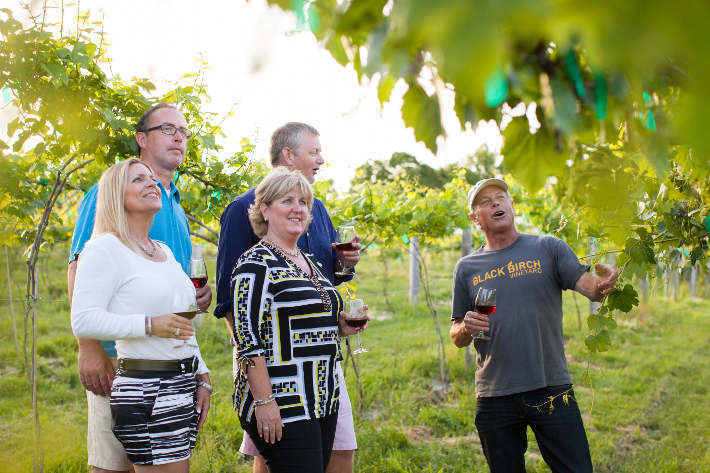
Wine tourism in San Colombano al Lambro tends to be small-scale, intimate, and tied to local tradition. Wineries may offer private tastings, vineyard walks, and visits to historic cellars, often by appointment. Some tours highlight the collina (hill) as a distinctive geographic feature, exploring how it interrupts the surrounding plain. The relative proximity to Milan (about 40 km) allows for day‑trip possibilities, combining urban escape with rural wine experiences.
The cuisine around San Colombano blends Lombard and Po Valley influences. Expect dishes of hearty northern Italy: risottos, polenta, meats (roasts, stews), as well as local salumi and cheeses. The red wines of San Colombano are well suited to rich sauces, grilled or braised meats, and dishes with umami depth. The white or frizzante versions pair well with lighter fare—vegetables, fresh cheeses, simpler first courses. Seasonal produce from the plain—corn, legumes, local vegetables—often appears on menus.
The San Colombano DOC permits both red and white wines. For the Rosso (red), the blend must include Croatina (30–50 %), Barbera (25–50 %), and Uva Rara (up to 15 %), with allowance for other local red varieties up to 15 %. Red wines may be still (tranquillo), vivace (slightly sparkling) or frizzante. For white wines, Chardonnay is a principal variety; Pinot Nero is also authorized, along with additional white grapes (excluding aromatic ones) up to 15 %. Wines may carry the “vigna” (single vineyard) designation if stricter conditions are met.
The best time to visit is late spring through early autumn, when vineyards are green, the weather is mild, and wineries are active. The harvest period (late summer into early autumn) offers a chance to observe harvest operations and heightened winery activity. Winters are quiet and cooler; given the plain & low elevation context, extremes are moderated, but some winter closures may occur. The hill’s modest altitude and exposure help mitigate frost risk compared to lower-lying areas.
Start from Milan and head southeast through the Lombard plain toward the hill of San Colombano. Tour vineyards and cellars, ideally by appointment, asking for vertical tastings and comparisons among rosso, vivace, and “vigna” wines. Combine wine visits with historical and cultural stops: the small medieval center, local churches or the castle ruins, and walks on vineyards overlooking the plain. Participate in local festivals—the Grape Festival (Sagra dell’Uva) in September is a celebration of wine, local food, parades, and community. Stay in agritourisms or small guesthouses in the surrounding area. Because the region is small and lightly visited, this destination rewards a slow, immersive pace.
Here are the top wineries to visit in San Colombano al Lambro:
See all the wineries to visit in San Colombano al Lambro
Continue with a social account