

Wine Tastings, Winery Visits and Wine Tours in Arrábida
Explore wine tastings and winery visits in Arrábida, a standout area within Setúbal, Portugal. With 26 options available, 3 of them at the winery itself, you'll find experiences from 1 hour up to 10 hours, priced between €30 and €632. Visit local wineries, discover the terroir, and savor the wines that make Arrábida worth the trip.
If you are looking for a wine tour, with cellar visits and tastings at one or more wineries, this page also lists 23 wine tours, departing mainly from Lisbon, Palmela and Setúbal.

Lisbon District, Lisbon, Misericordia -
(Setúbal, Lisboa, Arrábida)
8 Hours
Min 1, Max Not Specified
From €200 (Groups Discount Available!)

Lisbon District, Lisbon, Misericordia -
(Setúbal, Lisboa, Arrábida)
8 Hours
Min 2, Max 8
From €165 (Groups Discount Available!)

Lisbon District, Lisbon, Misericordia -
(Setúbal, Lisboa, Arrábida)
8 Hours
Min 1, Max Not Specified
From €400 (Groups Discount Available!)

Lisbon District, Lisbon, Campolide -
(Setúbal, Carcavelos, Colares, Lisboa, Arrábida)
7 Hours
Min 2, Max 4
From €160

Lisbon District, Lisbon -
(Setúbal, Arrábida)
8 Hours
Min 2, Max 8
From €215 (Groups Discount Available!)

Lisbon District, Lisbon, Misericordia -
(Setúbal, Lisboa, Arrábida)
8 Hours
Min 1, Max 8
From €72
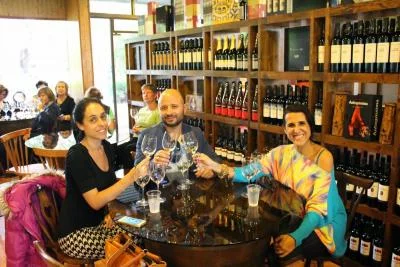
Lisbon District, Lisbon, Campolide -
(Setúbal, Lisboa, Arrábida)
8 Hours
Min 2, Max 8
From €137 (Groups Discount Available!)

Setúbal, Palmela, Palmela -
(Setúbal, Arrábida)
7 Hours
Min 2, Max 8
From €110

Lisbon District, Lisbon, Avenidas Novas -
(Setúbal, Lisboa, Arrábida)
8 Hours
Min 1, Max 20
From €90

Lisbon District, Lisbon, Avenidas Novas -
(Setúbal, Lisboa, Arrábida)
8 Hours
Min 1, Max 10
From €85

Lisbon District, Lisbon -
(Setúbal, Arrábida)
8 Hours
Min 2, Max 8
From €225

Lisbon District, Lisbon, Avenidas Novas -
(Setúbal, Lisboa, Arrábida)
8 Hours
Min 1, Max 10
From €120

Lisbon District, Lisbon, Misericordia -
(Setúbal, Lisboa, Arrábida)
8 Hours 30 Minutes
Min 2, Max 8
From €110

Lisbon District, Lisbon, Misericordia -
(Setúbal, Lisboa, Arrábida)
8 Hours
Min 2, Max 40
From €155

Lisbon District, Lisbon, Campolide -
(Setúbal, Lisboa, Arrábida)
8 Hours
Min 2, Max 4
From €145 (Groups Discount Available!)

Setúbal, Grândola, Grandola e Santa Margarida da Serra -
(Alentejo, Setúbal, Arrábida)
1 Hour 30 Minutes
Min 1, Max 50
From €40
The best wine tastings in Arrábida
Just south of Lisbon, where the Atlantic Ocean meets the limestone cliffs of the Serra da Arrábida, wine is not just a product; it is a historical constant shaped by sea breezes and mountain soils. A wine tasting in Arrábida offers a sensory journey through two distinct worlds: the intense, fortified sweetness of the legendary Moscatel de Setúbal and the structured, savory character of Castelão reds grown in the sandy plains of Palmela. This region, encompassing the DOC Setúbal and DOC Palmela appellations, benefits from a unique microclimate that preserves acidity even in the warmest summers. Whether you are looking for a quick introduction to these indigenous varietals or a deep dive into aged fortified wines, Winedering offers a curated selection of authentic experiences that are easy to browse and book instantly.
Wine tastings in Arrábida, among local flavors and aromas
In the glass, Arrábida reflects its dual terroir. The whites often carry a saline minerality and crisp citrus notes, driven by the cooling Atlantic winds, while the reds offer a rustic warmth with aromas of wild berries and herbs. The star of the region, Moscatel, delivers a complex bouquet of orange peel, dried apricot, and honey, often with a texture that is silky yet balanced by vibrant acidity. A typical tasting flight here introduces you to this diversity, usually starting with a fresh white (Fernão Pires or Arinto), moving to a structured red Castelão, and finishing with a fortified Moscatel de Setúbal.
The experience is often guided by the texture on the palate: notice the chalky tannins in the reds derived from the clay-limestone soils of the mountain foothills, or the refreshing salinity in the whites. Most tastings last between 60 to 90 minutes and are conducted in English by knowledgeable local hosts who explain the production methods without overcomplicating the joy of the drink. From historic estates to modern boutique cellars, you can find the perfect setting to train your palate.
Great classics and iconic wines of Arrábida, tastings you can't miss
To truly understand this region, you must taste its icons. The DOC Setúbal governs the production of the famous fortified wines, which must contain at least 67% Moscatel de Setúbal (Muscat of Alexandria) or Moscatel Roxo. These wines are aged in wood, developing a mahogany color and intense nutty aromas over time. The other pillar is the DOC Palmela, primarily known for reds made from the Castelão grape (often locally called Periquita), which thrives in the region's sandy soils, producing wines that are full-bodied and capable of significant aging. With over 9,000 hectares of vineyards across the peninsula, the volume and quality are substantial.
When tasting these classics, expect the Moscatel to offer a long, persistent finish that lingers with notes of tea leaf and spice. The reds will present a firm structure with a core of red fruit that softens beautifully with bottle age. The best way to appreciate these wines is through a comparative flight—tasting a young, fruit-forward Moscatel alongside a 10 or 20-year-old vintage to see how oxidation transforms the wine into liquid amber. We recommend looking for vertical tastings to fully grasp the aging potential of these historic appellations.
Arrábida wine tasting map: plan your tour in a couple of clicks
Exploring Arrábida is best done by clustering your visits, as the region packs a high density of wineries into a relatively small area, mostly within a 45-minute drive from Lisbon. The main wine routes center around the towns of Azeitão and Palmela.
- Half-day route: Focus on Azeitão. Visit two historic manor houses to compare their distinct styles of Moscatel. This loop can easily be done in 3-4 hours.
- Full-day route: Start in Palmela to taste the reds, move to Azeitão for lunch and fortified wines, and end with a visit near the Serra for scenic vineyard views. This allows for 3 tastings and a relaxed lunch.
- Weekend route: Dedicate two days to explore the Setúbal Peninsula fully, including an overnight stay in a wine hotel or a local "Quinta," allowing you to visit 4-5 producers at a leisurely pace.
Use our interactive map to filter wineries by availability and book your route in advance to ensure your spot, especially during the harvest season.
Winery tours in Arrábida, a complete experience from grape to glass
Walking into a cellar in Arrábida is a tactile experience. You feel the temperature drop as you enter the thick-walled aging rooms, where the air is heavy with the scent of old oak barrels and the "angel's share" of evaporating alcohol. A full winery tour here goes beyond the tasting room; it typically includes a walk through the vineyards where you can touch the limestone and sandy soils that define the terroir. You will learn about the crucial timing of the harvest to retain acidity and the specific technique of halting fermentation with brandy to create the region's famous fortified wines.
Guides often highlight the difference between wines aged in large wooden vats versus stainless steel, explaining how oxygen exposure shapes the nutty profile of the Moscatel. You might also learn about the "tornaviagem" history, where barrels were once shipped across the equator to age, a practice that modern heating techniques in the cellar (estufagem) now replicate to a degree. Whether you are a novice wanting to see a fermentation tank for the first time or an enthusiast interested in skin-contact times, these tours offer layers of depth suited to your interest level.
The best wineries and wine producers in Arrábida to visit
The "best" producer in Arrábida depends on the experience you seek, but quality and authenticity remain the common threads. The region is home to grand, historic families that have been producing wine for generations, often housed in museum-like estates filled with traditional Portuguese tiles (azulejos). Alongside these giants are smaller, artisanal producers focusing on organic viticulture and recovering rare grape clones like the Moscatel Roxo.
When browsing listings, look for producers who offer access to their private cellars or those who focus on single-vineyard wines, a growing trend in the Peninsula de Setúbal. Some estates also feature distinct architectural styles, ranging from Renaissance palaces to modern, minimalist designs. We verify our partners to ensure they offer consistent hospitality and easy booking, so you can focus on the wine rather than the logistics.
Wine experience Arrábida: worth doing, worth sharing
Wine experiences in Arrábida are about slowing down. Imagine sitting at a shared table in a sun-drenched courtyard, surrounded by the chatter of locals and the distant sound of cicadas. It is not just about analyzing the liquid in the glass; it is about the context—the warmth of the hosts and the history in the walls. Beyond standard tastings, the region offers rich culinary pairings, vineyard picnics, and workshops that make for unforgettable memories.
We prioritize trust and transparency. All experiences listed feature clear pricing with no hidden fees, flexible cancellation policies, and verified reviews from fellow travelers. You can see real-time availability and secure your spot in minutes, giving you more time to enjoy the anticipation of your trip.
Arrábida tastings with local menus, plus lunch or dinner at the winery
The food of the Setúbal Peninsula is as expressive as its wine. A "local menu" here implies ingredients sourced from within a few kilometers: creamy Azeitão sheep cheese (DOP), rustic wheat bread, and fresh seafood from the nearby coast. When you book a tasting with lunch, you aren't just eating; you are learning the logic of regional pairing.
The high acidity of a white Arinto cuts through the richness of the buttery sheep cheese, while the tannins of a Castelão bind perfectly with savory meat dishes or grilled sardines. These seated experiences usually last around 2 to 3 hours and offer a relaxed pace. Dietary requirements can generally be accommodated if noted during booking. We recommend reserving these culinary experiences early, as intimate winery lunches are highly sought after.
Vineyard picnics and sunset aperitifs in Arrábida
As the sun lowers over the Serra da Arrábida, the light turns the vineyard rows into gold, creating a magical atmosphere for an evening drink. Sunset experiences and vineyard picnics are perfect for those who prefer a more private, unstructured connection with nature. These packages typically include a basket filled with regional delicacies—charcuterie, cheese, olives, and bread—along with a bottle of the estate's wine.
The best time for these outdoor experiences is from May to early October, when the Atlantic breeze keeps the evenings pleasant but not cold. Start times usually align with the "golden hour" for photography. Check the specific meeting points on our map to find the best viewpoints.
Guided tasting experiences in Arrábida: wineries, hikes, and weekend getaways with an overnight stay
For those who want to immerse themselves fully, slow travel is the key. Instead of rushing from one stop to another, consider experiences that combine physical activity with oenology. Guided hikes through the Arrábida Natural Park often culminate in a rewarding tasting, connecting the wild aromas of the hillside herbs to the notes found in the wine. Weekend getaways allow you to compare the coastal subzones with the inland plains, offering a comprehensive education in the region’s diversity.
Structured tastings in this format are often more technical, designed to train your palate to identify specific traits like the "iodine" character of coastal whites or the different aging stages of Moscatel. Vertical flights—tasting the same wine across different years—are a common highlight of these extended visits.
Arrábida wine tastings with moments for couples and experiences for the whole family
Arrábida is a welcoming destination for all types of travelers. Couples can find romantic seclusion in private tastings held in dimly lit barrel rooms or on terraces with sweeping ocean views. These premium flights often include reserve wines not available to the general public.
For families, many estates are surprisingly accommodating. While the adults taste, children can explore expansive gardens, visit on-site farm animals, or enjoy non-alcoholic grape juices. The relaxed culture of Portuguese hospitality means that minors are generally welcome on the premises, though they cannot consume alcohol. Check the experience details for specific age policies and duration to ensure it fits your family's pace.
Vouchers, bundles, and wine tastings to gift in Arrábida
Gifting a wine experience is far more memorable than handing over a bottle. It is the gift of a memory—a sunny afternoon in Azeitão or a discovery of a new favorite vintage. Our vouchers and bundles offer flexibility, allowing the recipient to choose the date that suits them best.
Options range from introductory tastings for beginners to premium food and wine pairings for serious enthusiasts. If you aren't sure which winery they would prefer, an open value voucher is the safest choice, valid for a generous period and instantly delivered. It is the perfect way to share the magic of Portuguese wine country.
Beyond Arrábida: more tastings to try nearby
If you have an extra day or even just an afternoon, the central location of the Setúbal Peninsula makes it easy to extend your wine journey. To the north lies the Lisboa wine region, known for high-acid, light-bodied whites influenced by the Atlantic. To the east, the vast plains of Alentejo offer a complete contrast with their hot climate and bold, jammy red wines.
A drive to Évora in Alentejo takes about 60 minutes, while the distinct wines of Colares or Carcavelos near Lisbon are roughly an hour away. Exploring these neighbors highlights just how unique the Arrábida terroir is. We suggest adding a nearby region to your itinerary to compare the "Atlantic" style of Arrábida with the "Continental" heat of Alentejo.
Surprising wine experiences among provinces and towns around Arrábida
Surrounding the main wine hubs are smaller pockets of viticulture worth exploring. The town of Setúbal itself offers urban tasting rooms and a vibrant market culture. Nearby Palmela provides a medieval backdrop with its hilltop castle, where the wines reflect the sandy soils of the plains.
Further west, towards Sesimbra and Cabo Espichel, the maritime influence becomes extreme, producing wines with intense salinity. Seeking out tastings in these specific sub-zones reveals the subtle nuances of the peninsula. We encourage you to step off the main route and book a tasting in one of these character-filled towns.
Arrábida wine highlights
Before you book, here is a quick primer to orient you. The Peninsula de Setúbal covers approximately 9,500 hectares of vineyards. The region is defined by two main appellations: DOC Setúbal (strictly for fortified wines) and DOC Palmela (for still wines). The climate is Mediterranean with a strong maritime influence, creating a significant diurnal range—warm days and cool, humid nights—which is crucial for maintaining freshness in the grapes.
The soils are a mix of limestone and clay in the Arrábida mountains and sandy plains in the Palmela area. This distinction is vital: limestone yields elegance and structure, while sand produces aromatic, concentrated reds. Understanding these basics will help you appreciate why two wines from the same peninsula can taste so different.
Arrábida grape varieties: heritage, soil, and tradition
The identity of Arrábida is forged by its indigenous grapes. While international varieties exist, the soul of the region lies in its native vines.
- Moscatel de Setúbal (Muscat of Alexandria): The king of the region. Grown primarily on the clay-limestone slopes of the Arrábida hills, it produces highly aromatic fortified wines with notes of orange blossom and honey.
- Moscatel Roxo: A rare, pink-skinned mutation of Moscatel. It produces smaller yields and wines that are more complex, dry, and spicy than the standard Moscatel.
- Castelão (Periquita): The dominant red grape. It loves the hot, sandy soils of Palmela, where it ripens perfectly to produce wines with raspberry notes and firm tannins.
- Fernão Pires: The most planted white grape, offering versatility from sparkling wines to aromatic, floral still whites.
Use our grape guide to filter tastings based on your preference, whether you lean towards the sweetness of Moscatel or the savory grip of Castelão.
Signature wines of Arrábida and labels to know
When visiting, keep an eye out for specific wine styles that define the region's excellence. The Moscatel de Setúbal Superior is a label to look for; it indicates a wine aged for a minimum of 5 years, offering greater complexity. For reds, a DOC Palmela Reserva will typically show the best of the Castelão grape, often with oak aging that adds spice to the fruit profile.
Another treat is the Moscatel Roxo, often sold as a vintage dated wine. These are darker, more intense, and rarer than the white Moscatel. In tastings, you will often find these served as the grand finale. We recommend booking experiences that explicitly mention "Reserve" or "Superior" tastings if you want to sample these top-tier labels.
Food and wine in Arrábida, the perfect pairing
The table in Arrábida is a celebration of land and sea. The proximity to the port of Setúbal ensures a steady supply of fresh fish and shellfish, while the pastures of Azeitão produce one of Portugal's most famous cheeses. The local cuisine is not overly complex; it relies on the quality of ingredients, which makes it an ideal partner for the region's honest, structured wines.
One key product to look for is the Queijo de Azeitão DOP, a buttery, unpasteurized sheep's milk cheese with a slightly sour and salty kick. Choosing a tasting that includes food pairings allows you to experience how the local wine styles have evolved specifically to complement these regional staples.
Food & wine tours in Arrábida to taste the region beyond the glass
For a comprehensive view of the local gastronomy, food and wine tours are the best option. These often combine a visit to the vibrant Livramento Market in Setúbal—considered one of the best fish markets in the world—with a winery visit and a seated lunch. You get the context of where the ingredients come from before seeing how they interact with the wine.
These tours typically include transport, making for a stress-free day of indulgence. They are perfect for travelers who want to understand the cultural connection between the fisherman's catch and the winemaker's barrel.
Arrábida wines and local dishes with pairings you'll want to try
To eat like a local, try these classic combinations during your visit:
- Choco Frito (Fried Cuttlefish) with Fernão Pires: The crisp acidity and citrus notes of the white wine cut through the batter and texture of this Setúbal staple.
- Queijo de Azeitão with Moscatel de Setúbal: A contrast pairing. The intense sweetness and apricot notes of the wine balance the salty, tart creaminess of the cheese.
- Grilled Sardines with Young Castelão: The smoky char of the fish pairs surprisingly well with the fruit-forward, slightly rustic character of a young red served slightly chilled.
- Tortas de Azeitão with Moscatel Roxo: This rich, egg-yolk-based soft roll needs the complex spice and acidity of the rare purple Moscatel to cleanse the palate.
Look for tastings that offer "Petiscos" (Portuguese tapas) to try these pairings on site.
Make it yours: build a Arrábida-themed getaway
Designing a trip to Arrábida is about finding the right rhythm. We recommend starting your day with nature—perhaps a view from the mountains or a walk on the coast—before moving to a winery for a late morning tasting. Follow this with a leisurely lunch in Azeitão or Setúbal, and perhaps a second, lighter tasting in the afternoon. The distances are short, so you won't spend all day in the car.
The best base towns are Setúbal (for city amenities and restaurants) or Azeitão (for a village feel and proximity to wineries). A realistic pace is two wineries per day if you want to truly enjoy the experience. Use our map to visualize the distances and book your appointments to create a seamless flow.
Things to do around Arrábida to make your trip even more memorable
While wine is the highlight, the region offers much more.
- Relax at Galapinhos Beach: Often voted one of Europe's best beaches, with crystal clear water.
- Drive the N379-1: A scenic road along the ridge of the Serra da Arrábida offering breathtaking views of the ocean.
- Dolphin Watching in the Sado Estuary: Take a boat trip from Setúbal to see the resident pod of dolphins.
- Visit the Bacalhôa Buddha Eden: An impressive oriental garden filled with sculptures (located a bit further north but often combined).
- Explore the Convent of Arrábida: A 16th-century monastery tucked into the hillside.
Pairing a morning boat trip or hike with an afternoon wine tasting creates the perfect balance of adventure and relaxation.
Storybook villages, must-see sights, and places to visit around Arrábida
The region is dotted with charming stops that add cultural depth to your wine trip.
- Palmela: Famous for its hilltop castle (Castelo de Palmela) which offers panoramic views over the vineyards and the estuary.
- Sesimbra: A traditional fishing village with a medieval fortress and excellent seafood restaurants on the waterfront.
- Cabo Espichel: A dramatic headland with a lighthouse and an abandoned sanctuary, offering wild, windswept views of the Atlantic.
Adding a stop at Palmela Castle or a coffee in Sesimbra between tastings breaks up the day and offers great photo opportunities.
Planning a trip to Arrábida? Here's the best time to go
Arrábida is a year-round destination, but the experience changes with the seasons.
- Spring (April-June): Ideal for hiking and vineyard visits. The vines are green, flowers are blooming, and temperatures are mild (18-25°C).
- Summer (July-August): Hot and busy. Perfect for combining beach mornings with cool cellar afternoons. Book well in advance.
- Autumn (September-October): Harvest season. The energy is high, the weather is still warm, and you might see the grape crush in action.
- Winter (November-March): Quiet and authentic. Ideal for serious wine lovers who want more time with the winemakers.
Check live availability on our platform, especially if you plan to visit during the September harvest.
Wine festivals and events in and around Arrábida you won't want to miss
Immersing yourself in a local festival is a fantastic way to experience the culture.
- Festa das Vindimas (Palmela, early September): The Grape Harvest Festival features parades, grape treading, and extensive tastings of local wines.
- Feira de Sant'Iago (Setúbal, late July/early August): A massive fair with food, music, and a strong presence of local wine producers.
- Moscatel de Setúbal Day (Various locations): Often celebrated with special tastings and releases.
These events can impact traffic and accommodation, so plan accordingly if your dates coincide.
Arrábida: Good to know
What visit in Arrábida?
Arrábida unfolds along Portugal’s sun-drenched Atlantic coast, where limestone-clad hills rise from cerulean waters. Formerly recognized as its own IPR, this area now lies within the Palmela DOC, weaving wine tradition into its rugged beauty. Vineyards cling to the slopes of Serra da Arrábida, producing wines rooted in coastal air, mineral-rich soils, and centuries of oenological heritage.
A visit to Arrábida invites you into a world where viniculture meets untamed nature. Journey through olive groves, cork oaks, and vineyards, stopping at family-run cellars to taste wines amid lush greenery. Taste fortified Muscatel and structured Castelão reds, all while embraced by soaring cliffs and sweeping ocean vistas. The experience is as much about place as it is about wine.
Which food to taste in Arrábida?
Arrábida’s wines harmonize beautifully with its coastal cuisine. Try seafood plucked fresh from the Atlantic, olive-forward salads, and creamy regional cheeses. Fortified Moscatel complements the sweet local pastries, while the red wines lift the flavors of grilled fish, pork dishes, and rustic breads. Here, each sip underscores the region’s generosity of land and sea.
Which wines to taste in Arrábida?
In Arrábida, the red star is Castelão, yielding structured wines rich in red fruit, chestnut nuances, and aging potential in oak, along with vibrant aromatics and acidity. Fortified Muscatel wines showcase lush sweetness and complexity, carrying a soft Mediterranean warmth. These grapes express both the terroir’s coastal serenity and its geological depth.
Which is the best season to visit Arrábida?
The microclimate of Arrábida offers mild weather year-round. Spring unveils lush hills dotted with wildflowers; summer brings sun-drenched beach days paired with coastal breezes through the vines; autumn ushers in harvest rhythm and golden vineyard hues; winter’s tranquility invites leisurely tastings in peaceful cellars overlooking lush hills and serene waters.
What things to do in Arrábida?
Set out from Lisbon and cross the river to explore Arrábida’s blend of coastal beauty and wine culture. Visit vineyards nestled within the hills of Azeitão and Palmela, and sample fortified Moscatel or structured reds. Combine these experiences with a stroll through the fishing village of Sesimbra, time at the cliffs of Serra da Arrábida, or views from the Cristo Rei monument. This region blends sensory delight with natural calm in a seamlessly memorable way.
How much does a wine tasting with winery tour in Arrábida cost?
The average price of a wine tasting with winery visit in Arrábida is around €143. Depending on the experience, prices range from €30 to €632. Booking in advance ensures availability and the best prices.
Which wineries to visit in Arrábida?
Here are the top wineries to visit in Arrábida:
See all the wineries to visit in Arrábida
Continue with a social account