

Wine Tastings, Winery Visits and Wine Tours in Canary Islands
Explore wine tastings and winery visits in Canary Islands, a standout area within Canary Islands, Spain. With 9 options available, 5 of them at the winery itself, you'll find experiences from 1 hour up to 8 hours, priced between €26.70 and €300. Visit local wineries, discover the terroir, and savor the wines that make Canary Islands worth the trip.
If you are looking for a wine tour, with cellar visits and tastings at one or more wineries, this page also lists 3 wine tours, departing mainly from San Bartolome, Adeje and Orotava, La.

Canary Islands, Las Palmas, San Bartolome -
(Canary Islands, Lanzarote)
5 Hours
Min 1, Max 6
From €250

Canary Islands, Santa Cruz de Tenerife, Orotava, La -
(Canary Islands, Orotava Valley, Valle de la Orotava, Tenerife)
2 Hours
Min 1, Max 6
From €40

Canary Islands, Santa Cruz de Tenerife, Arafo -
(Canary Islands, Güímar Valley, Valle de Güimar, Tenerife)
4 Hours 15 Minutes
Min 1, Max 16
From €78
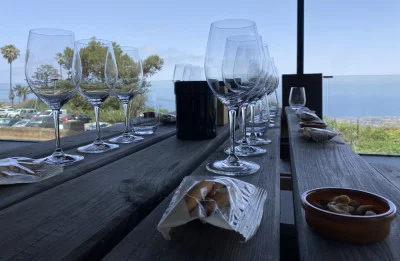
Canary Islands, Santa Cruz de Tenerife, Orotava, La -
(Ribera del Guadiana, Canary Islands, Orotava Valley, Valle de la Orotava, Tacoronte-Acentejo, Tenerife)
4 Hours
Min 1, Max 8
From €300 (Groups Discount Available!)
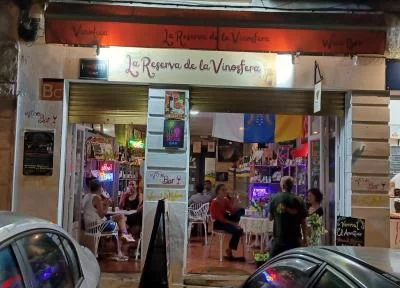
Canary Islands, Santa Cruz de Tenerife, Santa Cruz de Tenerife -
(Canary Islands, Tacoronte-Acentejo)
1 Hour
Min 1, Max 8
From €26.70

Canary Islands, Santa Cruz de Tenerife, Tacoronte -
(Canary Islands, Tacoronte-Acentejo, Tenerife)
1 Hour
Min 2, Max 20
From €38

Canary Islands, Santa Cruz de Tenerife, Sauzal, El -
(Canary Islands, Tacoronte-Acentejo, Tenerife)
1 Hour 30 Minutes
Min 1, Max 6
From €35

Canary Islands, Santa Cruz de Tenerife, Adeje -
(Canary Islands, Abona, Tacoronte-Acentejo, Tenerife)
8 Hours
Min 1, Max 50
From €82

Canary Islands, Santa Cruz de Tenerife, Sauzal, El -
(Canary Islands, Tacoronte-Acentejo, Tenerife)
3 Hours
Min 1, Max 6
From €46
The best wine tastings in the Canary Islands
There is a distinct energy to wine in the Canary Islands, born from black volcanic earth and the ceaseless rhythm of the Atlantic trade winds. This is a landscape where vines are often planted in craters or braided into intricate sculptures to survive, resulting in wines that taste vividly of their origin—saline, mineral, and intensely fresh. The archipelago is home to 10 distinct Denominations of Origin (DOs) and holds a rare status in the wine world: its vines are largely ungrafted, having escaped the phylloxera plague that devastated Europe in the 19th century. A tasting here is an encounter with pre-phylloxera history. You can expect intimate visits to small family bodegas, walking tours across solidified lava fields, and flights of wines that range from crisp, high-altitude whites to the aromatic reds of local heritage. Winedering curates these experiences to ensure you bypass the tourist traps and connect directly with the authentic producers defining this heroic viticulture.
Wine tastings in the Canary Islands, among local flavors and aromas
When you lift a glass in the Canary Islands, the first sensation is often a striking minerality, reminiscent of wet stone, sulfur, and sea spray, followed by bursts of red berries or tropical fruit depending on the island. The terroir here is dramatic and varied; vineyards range from sea level to over 1,600 meters in altitude, creating microclimates that shift from humid and subtropical to arid and volcanic within a few kilometers. A typical tasting flight introduces you to 3 to 5 wines, usually anchoring the experience with a fresh Listán Blanco or a peppery Listán Negro, before moving to a complex single-vineyard bottling. When tasting, look for the "Atlantic character"—a sharp, cleansing acidity and a savory finish that speaks of the proximity to the ocean. Most experiences last between 60 and 90 minutes and are available in English and Spanish. Whether you are a casual enthusiast or a serious collector, the welcoming nature of Canarian hospitality makes every session accessible and engaging.
Great classics and iconic wines of the Canary Islands, tastings you can't miss
To understand the viticultural soul of this region, you must explore its classics, particularly the wines from the Valle de la Orotava in Tenerife and the ash-covered vineyards of La Geria in Lanzarote. The backbone of Canarian wine is built on indigenous varieties like Listán Negro for reds, which produces wines with low tannins, medium alcohol (typically 12.5-13.5%), and vibrant notes of black pepper and violet. For whites, the Malvasía Volcánica is iconic, ranging from bone-dry and saline to the historically famous sweet wines that were once poured in European royal courts. With over 8,000 hectares of vineyards across the islands, production is significant yet artisanal. In the glass, these classics offer a lean structure and a lingering, smoky finish that is impossible to replicate elsewhere. The best way to appreciate these differences is through a comparative tasting, where you can taste a dry white alongside an aged sweet varietal to see the incredible versatility of the volcanic soil. We recommend booking experiences that offer vertical flights to see how these unique wines evolve over time.
Canary Islands wine tasting map: plan your tour in a couple of clicks
Navigating the wine routes of the Canary Islands requires a bit of strategy, as the terrain is rugged and the wineries are often tucked away in distinct clusters. A rental car is generally the best way to explore, with key wine loops on Tenerife taking about 45 minutes to drive end-to-end.
- Half-day route: Focus on one region, such as the surreal La Geria in Lanzarote or Tacoronte-Acentejo in Tenerife, visiting two wineries with a guided tasting.
- Full-day route: Combine a morning vineyard walk in high-altitude plots with a seafood lunch, followed by two afternoon tastings in a different microclimate.
- Weekend route: Dedicate two days to exploring specific DOs, such as Ycoden-Daute-Isora and Valle de Güímar, staying overnight in a rural hotel or finca.
- Next step: Open our interactive map, filter by your travel dates, and book your tastings instantly to secure your spot.
Winery tours in the Canary Islands, a complete experience from grape to glass
Step past the tasting room and you will find yourself walking on crunching volcanic picón (ash) or navigating steep terraces reinforced with basalt stone. A full winery tour here is a tactile immersion into "heroic viticulture," a term officially recognized for regions where harvest demands extreme physical effort due to steep slopes or difficult terrain. You will see firsthand how winemakers use unique training systems, such as the cordón trenzado (braided cord), where vines are woven into long strands to maximize airflow and sun exposure. In the cellar, or bodega, guides explain the shift toward concrete eggs and large oak foudres, vessels that preserve the delicate fruit profile without overpowering it with wood flavors. Many vineyards here sit above the cloud line, benefiting from the intense UV radiation at high altitudes which thickens grape skins and increases color concentration. Whether you want a simple introduction or a technical deep dive into volcanic soil composition, there is a tour level suited to your curiosity.
The best wineries and wine producers in the Canary Islands to visit
The "best" producers in the Canary Islands are those that respect the stark reality of their environment while producing wines of elegance and clarity. Our listings range from historic family estates that have been farming the same plots for generations to avant-garde projects focusing on recovering near-extinct varieties like Baboso Negro or Vijariego. When browsing options, look for producers who emphasize single-parcel (finca) wines or those utilizing wild yeast fermentation, as these are strong indicators of quality and terroir focus. The islands boast a high density of small producers—Tenerife alone has well over 100 registered wineries—meaning experiences are often personal, sometimes hosted by the winemakers themselves. We encourage you to check real-time availability on Winedering and book directly to support these guardians of agricultural heritage.
Wine experience Canary Islands: worth doing, worth sharing
There is a specific joy in sitting on a terrace overlooking the Atlantic, a glass of cool white wine in hand, as the sun dips below the horizon. Wine experiences here go beyond the technical; they are about slowing down and absorbing the island lifestyle. Winedering offers more than just standard tastings; you can find options for vineyard lunches, sunset aperitifs, and even workshops on local gastronomy. We prioritize trust and transparency, offering clear pricing, verified user reviews, and flexible cancellation policies so you can book with confidence. It takes just a few minutes to secure an experience that will become the highlight of your trip.
Canary Islands tastings with local menus, plus lunch or dinner at the winery
Food in the Canary Islands is robust, flavorful, and inextricably linked to the wine. A "local menu" experience implies ingredients sourced from the island's own soil and sea—think fresh wreckfish, goat meat, and the ubiquitous papas arrugadas (wrinkled potatoes). Pairing logic here is intuitive: the high acidity of the white wines cuts perfectly through the spicy richness of mojo picón sauces, while the light tannins of the reds complement tender goat stews without overwhelming them. Most lunch experiences last between 2 to 3 hours and include a seated meal with 3 or more wines. We recommend checking the dietary options in our listings and reserving these popular culinary sessions well in advance, especially during the summer and winter high seasons.
Vineyard picnics and sunset aperitifs in the Canary Islands
As the trade winds soften in the late afternoon, the vineyards turn golden, creating a magical atmosphere for outdoor dining. Picnic experiences typically provide a basket filled with local artisanal cheeses (especially the renowned goat cheese), cured meats, crusty bread, and a bottle of wine chosen to match the setting. These experiences are particularly popular in Lanzarote, where the contrast between the black earth and green vines is visually arresting, and in the high vineyards of Tenerife with views of Mount Teide. These slots are weather-dependent but offer flexible rescheduling; we advise booking your sunset moment early in your trip to ensure the best weather window.
Guided tasting experiences in the Canary Islands: wineries, hikes, and weekend getaways with an overnight stay
For those who prefer a slower pace, guided experiences that combine physical activity with oenology offer a deeper connection to the land. You might hike through the ancient laurel forests or along volcanic craters before ending the trek at a winery for a well-earned tasting. These multi-winery days allow you to compare how altitude affects the same grape variety within a few miles. Structured tastings often focus on training your palate to identify the specific salinity and mineral notes that define the region. For the ultimate immersion, look for packages that include an overnight stay at a vineyard cottage, allowing you to wake up among the vines and witness the cloud sea, or panza de burro, roll in at dawn.
Canary Islands wine tastings with moments for couples and experiences for the whole family
The Canary Islands are a welcoming destination for all types of travelers, and the wine culture reflects this inclusivity. For couples, private tastings in secluded corners of a bodega or sunset toasts on a private terrace offer romance and privacy. Families are not left out; many estates are working farms with gardens or animals that children can explore while adults taste, and juice or local snacks are often provided for younger guests. Most experiences are stroller-accessible, though it is worth checking the specific terrain notes for vineyard walks. Durations are flexible, ensuring that a wine stop fits easily into a family vacation schedule.
Vouchers, bundles, and wine tastings to gift in the Canary Islands
Gifting a wine experience in the Canary Islands is offering a memory of sun, sea, and unique flavor, far more impactful than a simple bottle. Our vouchers and bundles allow the recipient to choose their preferred date and experience type, from casual introductory tastings to premium food and wine pairings. These gifts come with long validity periods and instant confirmation, making them a stress-free option for weddings, birthdays, or thank-you gestures. For the undecided, an open-value voucher is the safest choice, giving your loved ones the freedom to design their own volcanic wine adventure when they are ready to travel.
Beyond Canary Islands: more tastings to try nearby
While the archipelago is a destination in itself, hopping between islands adds a rich layer of diversity to your trip. A short 30-minute flight or a ferry ride can transport you to a completely different terroir. For instance, the wines of Lanzarote, grown in deep ash pits, offer a different mineral profile compared to the high-altitude, trellis-grown wines of Tenerife. Extending your exploration allows you to build a comprehensive picture of Macaronesian viticulture.
Surprising wine experiences among provinces and towns around Canary Islands
Beyond the main hubs, smaller islands and sub-zones offer incredible discoveries. La Palma, known as "La Isla Bonita," produces exquisite sweet Malvasías and tea wines aged in Canarian pine barrels, a rarity in the wine world. El Hierro, the smallest and most remote, offers fascinating diverse white blends from steep, windy slopes. We suggest seeking out boutique wineries in these quieter locales where you can taste native grapes like Vijariego Blanco or Negramoll in their purest form. Adding a day trip to a neighboring island provides a comparative context that enriches your understanding of the entire archipelago.
Canary Islands wine highlights
Before you book, it helps to understand the basics of this fascinating region. The Canary Islands comprise over 8,000 hectares of vineyards across seven main islands, protected by 10 distinct Denominations of Origin. The defining climate factor is the trade wind system (alisios), which brings moisture and moderates the subtropical heat, preserving acidity in the grapes. Soils are almost exclusively volcanic but vary wildly from ash and sand to solid basalt rock. Here, terroir is not just a buzzword; it is the taste of the volcano in your glass, defined by sapidity—a savory, saline quality that makes you salivate.
Canary Islands grape varieties: heritage, soil, and tradition
The isolation of the islands has preserved a genetic treasure trove of grape varieties that have disappeared from mainland Europe.
- Listán Blanco (Palomino Fino): The workhorse white grape, thriving in lower altitudes. It produces fresh, herbal wines with notes of fennel and almond.
- Listán Negro: The dominant red variety, known for its distinct aroma of black pepper, volcanic earth, and bright red fruit. It is usually drunk young and fresh.
- Malvasía Volcánica: The jewel of Lanzarote, producing aromatic whites that can be dry and crisp or lusciously sweet and complex.
- Baboso Negro: A fickle, difficult grape that yields deeply structured, complex reds with high acidity and aging potential.
- Vijariego Blanco: A high-acidity white grape found at higher altitudes, offering intense notes of green apple and citrus.
Signature wines of the Canary Islands and labels to know
When looking at a wine list, there are a few signature styles that define the region. The "Tinto Tradicional" is a young red blend, usually Listán Negro-based, that is fruity, peppery, and served slightly chilled—perfect for lunch. For white wine lovers, a dry Malvasía Volcánica from Lanzarote is essential, offering a texture that is almost oily yet pierced by high acidity. The "Vinos de Tea" from La Palma are a unique curiosity, aged in resinous pine barrels that impart a distinct eucalyptus and resin flavor. Serious enthusiasts should look for single-vineyard (Parcela) reds from the Taganana or Orotava areas, often made in limited quantities of less than 2,000 bottles. These wines are often presented in comparative flights to showcase the nuance of different soil types.
Food and wine in the Canary Islands, the perfect pairing
The table in the Canary Islands is a celebration of simple, high-quality ingredients enhanced by the volcanic terroir. The cuisine relies heavily on freshness—fish caught that morning, goat cheese cured locally, and tropical fruits like bananas and avocados. Canarian wines, with their trademark acidity and salinity, are designed to cleanse the palate, making them the ideal partner for the bold, savory flavors of the local gastronomy. The archipelago boasts several products with Protected Designation of Origin (DOP) status, including the majorero cheese from Fuerteventura and the sweet honey from Tenerife.
Food & wine tours in the Canary Islands to taste the region beyond the glass
Food tours here offer a holistic view of the culture, often combining market visits with cooking demonstrations and wine pairings. You might start by selecting fresh fish at a local cofradía (fishermen's guild) before heading to a winery to cook it alongside a winemaker. These tours typically last 4 to 5 hours and include transport, ensuring a relaxed experience where the only focus is flavor. It is an excellent way to understand why specific wines have evolved alongside traditional dishes over centuries.
Canary Islands wines and local dishes with pairings you'll want to try
- Papas Arrugadas con Mojo and Listán Blanco: The salt-crusted potatoes and spicy pepper sauce need a crisp, herbal white wine to cut through the heat and starch.
- Grilled Goat Cheese (Queso Asado) and Malvasía Semidulce: The caramelization of the grilled cheese pairs beautifully with the slight sweetness and stone fruit notes of a semi-sweet Malvasía.
- Rabbit in Salmorejo (Conejo en Salmorejo) and Listán Negro: A traditional, herbaceous stew that demands a red wine with low tannins and peppery spice to match the marinade.
- Fresh Wreckfish (Cherne) and Vidueño Whites: The firm texture of this local fish stands up well to the complex, structured white blends (Vidueños) typical of the islands.
Make it yours: build a Canary Islands-themed getaway
Designing a trip to the Canary Islands requires finding a rhythm between exploration and relaxation. We suggest basing yourself in a town that offers easy access to wine routes, such as La Orotava in Tenerife or Teguise in Lanzarote. A balanced itinerary might include one major winery visit per day, leaving the afternoons free for beaches or hiking. Be realistic about driving times; mountain roads can be winding and slow. Use our map to cluster your visits geographically, setting a pace that allows you to savor the views as much as the wine.
Things to do around Canary Islands to make your trip even more memorable
While wine is a highlight, the islands offer a wealth of experiences to complement your tastings.
- Stargazing on Mount Teide: One of the best places in the world for astronomy, located just a short drive from the highest vineyards.
- César Manrique's Art in Lanzarote: Visit the Jameos del Agua to see how art and volcanic nature blend seamlessly.
- Whale Watching: The waters between Tenerife and La Gomera are a sanctuary for pilot whales and dolphins.
- Hiking the Anaga Rural Park: Ancient laurel forests that feel like a prehistoric world, offering a lush contrast to the volcanic south.
- Garajonay National Park (La Gomera): A UNESCO World Heritage site perfect for nature lovers.
Storybook villages, must-see sights, and places to visit around Canary Islands
- Garachico (Tenerife): A stunning coastal town rebuilt on lava, famous for its natural rock pools and historic charm.
- San Cristóbal de La Laguna (Tenerife): A UNESCO World Heritage city with vibrant streets, tapas bars, and historic architecture.
- Betancuria (Fuerteventura): A historic capital nestled in a valley, offering a glimpse into the colonial past.
- Yaiza (Lanzarote): Often voted one of the prettiest villages in Spain, immaculate with its white houses against black lava.
Planning a trip to the Canary Islands? Here's the best time to go
The Canary Islands are known as the "Islands of Eternal Spring," but the wine calendar brings its own seasons. Harvest here is the earliest in Europe, often beginning in late July or early August, making late summer a vibrant, energetic time to visit. Winters are mild with average temperatures around 20°C (68°F), perfect for hiking vineyards without the intense heat. Spring offers the spectacular sight of vines budding against the dark soil. Rainfall is generally low, especially in the southern parts of the islands, but the northern slopes can be misty and cool, which is vital for the grapes. Book early if you plan to travel during the harvest season or the winter holidays.
Wine festivals and events in and around Canary Islands you won't want to miss
- San Andrés (Late November): A massive celebration across Tenerife where the new wine is traditionally opened and tasted, accompanied by roasting chestnuts and sliding down streets on wooden boards.
- Saborea Lanzarote (November): A major food and wine festival in Teguise showcasing the best of the island's gastronomy.
- Fiesta de la Vendimia (August/September): Various harvest festivals occur across the islands, featuring grape stomping and religious blessings of the vines.
Canary Islands: Good to know
What visit in Canary Islands?
The Canary Islands, an archipelago off the coast of Africa, is a unique and exciting destination for wine lovers and foodies alike. The islands’ volcanic soil, high altitude vineyards, and unique grape varieties result in wines that are unlike anything else in the world. Additionally, the Canaries’ cuisine is heavily influenced by its proximity to Africa and the Americas, making for a diverse and flavorful culinary scene. In this article, we’ll explore the best of what the Canary Islands have to offer for wine and food enthusiasts.
The Canaries are home to ten distinct wine regions, each with its own unique terroir and grape varieties. The most notable of these regions is Lanzarote, where vineyards are grown in volcanic soil covered with a layer of ash, a practice known as “enarenado.” The island of Tenerife is also home to some of the oldest vineyards in the Canaries, with some dating back to the 15th century. Visitors can take wine tours and wine tastings at wineries such as Bodegas Monje, which has been producing wine for over 200 years.
Which food to taste in Canary Islands?
The Canaries’ cuisine is a fusion of Spanish, African, and Latin American flavors. Seafood is a staple, with dishes like caldo de pescado (fish soup) and viejas sancochadas (stewed parrotfish) being popular among locals and visitors alike. Another must-try dish is papas arrugadas, a side dish of small, salt-crusted potatoes served with mojo, a sauce made from peppers, garlic, and oil. Additionally, the Canaries are known for their cheeses, particularly queso de flor, a soft cheese wrapped in the petals of the local flower, which wineries often offer during their wine tastings.
Which wines to taste in Canary Islands?
The Canaries are home to a variety of unique grape varieties, many of which are indigenous to the islands. The most famous of these is malvasia, a white grape used by wineries to produce both dry and sweet wines. Another notable variety is listan negro, a red grape used to produce full-bodied red wines with spicy notes, which wine enthusiasts will fully discover during wine tastings. Other grape varieties include negramoll, tintilla, and verdello.
Which is the best season to visit Canary Islands?
The best time to visit the Canary Islands for wine and food tourism is in the fall and winter months, as this is when the grape harvest takes place and many wine-related events are held. However, the islands have a mild climate year-round, so visitors can enjoy wine tours and wine tastings at local wineries any time of the year.
What things to do in Canary Islands?
In addition to visiting wineries and participating in wine tastings, visitors to the Canary Islands can also enjoy a variety of other activities. The islands are known for their stunning beaches, and outdoor enthusiasts can explore the numerous national parks and nature reserves. Additionally, visitors can take a ferry to nearby islands, such as La Gomera or El Hierro, to experience even more of the region’s unique culture and landscapes.
In conclusion, the Canary Islands are a truly special destination for wine and food enthusiasts. With its unique wines, flavorful cuisine, and stunning landscapes, the Canaries have something for everyone.
How much does a wine tasting with winery tour in Canary Islands cost?
The average price of a wine tasting with winery visit in Canary Islands is around €82. Depending on the experience, prices range from €26.70 to €300. Booking in advance ensures availability and the best prices.
Which wineries to visit in Canary Islands?
Here are the top wineries to visit in Canary Islands:
See all the wineries to visit in Canary Islands
Where do wine tours in Canary Islands usually depart from?
The main departure points for wine tours in Canary Islands:
Continue with a social account