

Wine Tastings, Winery Visits and Wine Tours in Route de Gran Crus
Explore wine tastings and winery visits in Route de Gran Crus, a standout area within Bourgogne-Franche-Comte, France. With 18 options available, you'll find experiences from 1 hour up to 10 hours, priced between €14.50 and €500. Visit local wineries, discover the terroir, and savor the wines that make Route de Gran Crus worth the trip.
If you are looking for a wine tour, with cellar visits and tastings at one or more wineries, this page also lists 12 wine tours, departing mainly from Beaune, Dijon, Meursault and Allerey.

Bourgogne-Franche-Comte, Cote d'Or, Beaune -
(Côte d'Or, Côte de Beaune, Beaune, Burgundy, Route de Gran Crus)
7 Hours 30 Minutes
Min 2, Max 16
From €250

Bourgogne-Franche-Comte, Cote d'Or, Beaune -
(Côte d'Or, Côte de Beaune, Beaune, Côte de Nuits, Burgundy, Route de Gran Crus)
7 Hours 30 Minutes
Min 2, Max 16
From €250

Bourgogne-Franche-Comte, Cote d'Or, Dijon -
(Côte d'Or, Côte de Nuits, Jura, Burgundy, Route de Gran Crus, Route du Crémant)
1 Hour 30 Minutes
Min 1, Max 15
From €49

Bourgogne-Franche-Comte, Cote d'Or, Beaune -
(Côte d'Or, Côte de Nuits, Burgundy, Route de Gran Crus)
1 Hour 30 Minutes
Min 2, Max 9
From €230

Bourgogne-Franche-Comte, Cote d'Or, Beaune -
(Côte d'Or, Côte de Beaune, Beaune, Côte de Nuits, Burgundy, Route de Gran Crus)
8 Hours 15 Minutes
Min 1, Max 8
From €260

Bourgogne-Franche-Comte, Cote d'Or, Dijon -
(Côte d'Or, Beaune, Côte de Nuits, Jura, Burgundy, Route de Gran Crus, Route du Crémant)
7 Hours
Min 2, Max 8
From €500
Bourgogne-Franche-Comte, Cote d'Or, Dijon -
(Côte d'Or, Beaune, Côte de Nuits, Jura, Burgundy, Route de Gran Crus, Route du Crémant)
8 Hours
Min 1, Max 16
From €149

Bourgogne-Franche-Comte, Cote d'Or, Beaune -
(Côte d'Or, Côte de Beaune, Beaune, Burgundy, Route de Gran Crus)
1 Hour 30 Minutes
Min 1, Max 20
From €14.50

Bourgogne-Franche-Comte, Cote d'Or, Beaune -
(Côte d'Or, Côte de Beaune, Aloxe-Corton, Beaune, Meursault, Côte de Nuits, Burgundy, Route de Gran Crus)
8 Hours
Min 2, Max 3
From €345

Bourgogne-Franche-Comte, Cote d'Or, Beaune -
(Côte d'Or, Côte de Beaune, Auxey-Duresses, Meursault, Burgundy, Route de Gran Crus)
1 Hour
Min 2, Max 10
From €18

Bourgogne-Franche-Comte, Cote d'Or, Beaune -
(Côte d'Or, Côte de Beaune, Beaune, Chassagne-Montrachet, Burgundy, Route de Gran Crus)
7 Hours
Min 2, Max 16
From €210

Bourgogne-Franche-Comte, Cote d'Or, Dijon -
(Côte d'Or, Côte de Nuits, Jura, Burgundy, Route de Gran Crus, Route du Crémant)
1 Hour
Min 1, Max 8
From €59
The best wine tastings on the Route des Grands Crus
This legendary sixty-kilometer strip of vines, stretching from Dijon to Santenay, is often called the "Champs-Élysées of Burgundy." Here, the experience begins with the soil under your feet—a complex mosaic of limestone and marl that dates back to the Jurassic period, giving the wines their distinct mineral backbone. The Route des Grands Crus is home to 33 of Burgundy's Grand Crus, the highest tier of classification, representing less than 2% of the region's total production. Visiting here isn't just about drinking; it is a study in terroir, where moving just a few meters to a different plot, or "Climat," changes the profile of the Pinot Noir or Chardonnay in your glass. You can expect intimate tastings in damp, cool cellars, often guided by family members who have worked these rows for generations. We have curated a selection of these producers to ensure your visit is welcoming, educational, and fully verified.
Wine tastings on the Route des Grands Crus, among local flavors and aromas
A tasting along this route is a sensory journey through red fruits, wet stone, and subtle spices. In the Côte de Nuits to the north, the Pinot Noir often reveals aromas of black cherry, truffle, and violet, supported by a firm tannic structure that speaks of the iron-rich soils. Further south in the Côte de Beaune, the air fills with the scent of toasted hazelnut, white flowers, and fresh butter typical of the world’s finest Chardonnays. A standard flight usually includes 3 to 5 wines, allowing you to compare a Village appellation against a Premier Cru to understand the leap in complexity and length. When tasting, focus on the tension—the vibrant line of acidity that balances the fruit and promises longevity. Most experiences last between 60 and 90 minutes and are conducted in English, catering to both casual enthusiasts and serious collectors looking to secure rare bottles.
Great classics and iconic wines of the Route des Grands Crus, tastings you can't miss
The classics here are the benchmarks against which all other Pinot Noirs and Chardonnays are measured. You will encounter the hierarchy of Burgundy wines: Regional, Village, Premier Cru, and the iconic Grand Cru. Key appellations to look for include Gevrey-Chambertin, known for its power and structure, and Meursault, famous for its rich, unctuous whites. These wines are strictly regulated, with Grand Crus usually requiring lower yields (often around 35-40 hectoliters per hectare) to concentrate flavor. In the glass, expect the reds to show evolution from fresh berries to earthy forest floor notes as they age, while the whites develop profound minerality and notes of honey. The best way to understand these nuances is through a comparative tasting, or "horizontal," where you taste wines from the same vintage but different villages to isolate the influence of the soil.
Route des Grands Crus wine tasting map: plan your tour in a couple of clicks
Navigating the Route des Grands Crus is straightforward as it follows the D974 road, but planning your stops requires a strategy to maximize your time. The route is compact, taking only about an hour to drive without stops, but the density of wineries is high. A balanced half-day itinerary typically involves two winery visits, perhaps focusing on one village like Vosne-Romanée or Puligny-Montrachet. For a full-day experience, plan for three tastings interspersed with a traditional lunch in Beaune or Nuits-Saint-Georges. If you have a weekend, consider staying overnight in the vineyards to enjoy the quiet serenity of the vines after the day-trippers have left. Use our map to filter wineries by real-time availability and book your tastings instantly.
Winery tours on the Route des Grands Crus, a complete experience from grape to glass
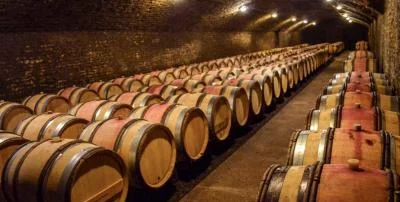
Stepping into a winery here often means descending into history, quite literally. You will feel the cool, humid air of centuries-old cellars where mold nurtures the wines as they rest in French oak barrels. A complete tour goes beyond the tasting room; it often starts with a walk in the vineyard to touch the limestone-rich soil and see the low-trained vines, usually pruned in the Guyot Simple method to limit yields. Inside the production facility, you will learn about the winemaker's choices, such as the use of whole-cluster fermentation for added freshness and spice in reds, or the practice of bâtonnage (stirring the lees) to add texture to whites. This region has a high planting density, often 10,000 vines per hectare, which forces roots deep into the bedrock. Whether you want a simple introduction or a technical deep dive into barrel variations, you can choose the tour level that suits your interest.
The best wineries and wine producers on the Route des Grands Crus to visit
Defining the "best" producers on this route is about finding those who balance exceptional wine quality with genuine hospitality. We feature a range of estates, from historic houses with labyrinthine cellars to smaller, artisanal growers practicing biodynamic viticulture. Look for the term "Vigneron Indépendant" on the sign, which signals that the winemaker grows their own grapes and bottles the wine on-site. Key signals of quality include the use of native yeasts for fermentation and a careful, restrained use of new oak to let the fruit shine. While there are thousands of producers in Burgundy, availability can be scarce due to high demand and small production volumes. We recommend browsing our curated list to find producers who are open to visitors and offer direct booking confirmation.
Wine experience Route des Grands Crus: worth doing, worth sharing
The magic of this route lies in the slow, shared moments—a glass of Crémant de Bourgogne on a terrace overlooking the golden slope, or a conversation with a winemaker about the challenges of the last harvest. These experiences extend beyond simple tastings; they include vineyard walks, gourmet picnics, and immersive workshops. We prioritize transparency and trust, offering clear pricing, verified reviews from fellow travelers, and flexible cancellation policies. Real-time availability means you can secure your spot without the back-and-forth of emails, ensuring your time is spent enjoying the region rather than organizing it.
Route des Grands Crus tastings with local menus, plus lunch or dinner at the winery
Burgundian hospitality is deeply rooted in the table, where wine and food are inseparable. A tasting with a local menu introduces you to regional specialties like Gougères (cheese puffs), Jambon Persillé (parsley ham terrine), and local cheeses such as Comté or Delice de Pommard. Pairing logic here is intuitive: the high acidity of the white wines cuts through the richness of cream sauces and soft cheeses, while the tannins in the Pinot Noir bind with the proteins in cured meats and stews. These experiences often last two to three hours and provide a seated, relaxed environment to explore how flavors evolve together. Check the listings for "Lunch at the Winery" options to reserve these popular culinary moments.
Vineyard picnics and sunset aperitifs on the Route des Grands Crus
As the sun lowers, the limestone escarpment of the Côte d'Or glows with a golden hue, creating the perfect backdrop for an outdoor aperitif. Many estates now offer picnic baskets filled with baguettes, terrines, and a chilled bottle of their estate wine to be enjoyed right among the vines. This is a seasonal pleasure, best enjoyed from May to September when the weather is mild and the days are long. It offers a freedom that formal tastings cannot match, allowing you to connect with the landscape at your own pace. We suggest booking sunset slots early, as these "golden hour" experiences are limited and highly sought after.
Guided tasting experiences on the Route des Grands Crus: wineries, hikes, and weekend getaways with an overnight stay
For those who prefer a slower pace, guided experiences offer a deeper connection to the land. You might join a "rando-vigne," a hiking tour that traverses the vineyards, explaining the geological differences between the hilltops and the slopes. These active tours often conclude with a rewarding tasting flight, where your palate can identify the mineral notes you just walked over. Multi-day getaways allow for vertical tastings—sampling the same wine across several years—to appreciate the impact of vintage variation, a critical concept in Burgundy. Options range from casual walking tours to comprehensive weekend packages that include accommodation in vineyard guesthouses.
Route des Grands Crus wine tastings with moments for couples and experiences for the whole family
While Burgundy is a serious wine destination, it offers diverse experiences for every type of traveler. Couples can find romantic, private tastings in candlelit cellars or exclusive drives through the vineyards in vintage cars. For families, the region is becoming more accessible; look for wineries with gardens or those offering "jus de raisin" tastings for children so parents can taste in peace. Accessibility is key, and many modern tasting rooms are equipped for strollers and wheelchairs. Most experiences last between one and two hours, making them easy to fit into a varied itinerary. Use our filters to find family-friendly or private romantic options.
Vouchers, bundles, and wine tastings to gift on the Route des Grands Crus
Gifting a wine experience here is offering a memory rather than just an object. Vouchers are an excellent choice for weddings, anniversaries, or special thank-yous, providing the recipient with the flexibility to choose their own dates and preferred wine styles. You can select from bundled experiences that combine a cellar tour with a gourmet lunch, or a simple discovery flight for beginners. Our vouchers come with a long validity period and instant confirmation, making them a stress-free gift. For the undecided, an open value voucher allows the recipient to curate their perfect Burgundian adventure later.
Beyond the Route des Grands Crus: more tastings to try nearby
If you have an extra half-day or more, the areas surrounding the main route offer incredible value and distinct styles. Just a short drive away, the landscape shifts, offering different soil compositions and microclimates that produce unique wines. Exploring these neighbors allows you to understand the full picture of Burgundian viticulture beyond the most famous names. The drive is often scenic and short, typically under 45 minutes to reach these rewarding secondary zones.
Surprising wine experiences among provinces and towns around the Route des Grands Crus
To the west lie the Hautes-Côtes de Beaune and Hautes-Côtes de Nuits, where vineyards sit at higher altitudes (300-400 meters). Here, the wines are fresher, lighter, and often more affordable, perfect for casual dining. Further south is the Côte Chalonnaise, home to appellations like Mercurey and Rully, where you can find excellent Pinot Noir and sparkling Crémant de Bourgogne that rivals Champagne. These areas are less crowded, allowing for longer conversations with winemakers and a more relaxed atmosphere. We recommend adding at least one stop in these sub-zones to compare the "altitude" style against the valley floor wines.
Route des Grands Crus wine highlights
Before you book, it helps to know a few essentials about this prestigious strip. The Route des Grands Crus covers roughly 60 kilometers of vineyards, primarily facing East or South-East to catch the morning sun. The concept of "Climats"—precisely delimited vineyard plots—is so central here that it has been granted UNESCO World Heritage status. The soil is the defining factor: marl (clay and limestone) dominates, providing the water retention and mineral nutrients that give the wines their structure. Understanding terms like "terroir" (the total natural environment) and "millésime" (vintage) will greatly enhance your appreciation of what is in the glass.
Route des Grands Crus grape varieties: heritage, soil, and tradition
The purity of Burgundy comes from its focus on single-varietal wines. Pinot Noir is the red grape of choice, thriving on the limestone-rich soils of the Côte de Nuits; it is a grape that acts as a transparent mirror to the terroir, offering red fruit and earthy notes. Chardonnay is the white grape, reigning supreme in the Côte de Beaune, where it produces wines ranging from steely and mineral to rich and buttery depending on the clay content. Aligoté is the traditional "third grape," historically undervalued but now producing vibrant, high-acidity whites perfect for aperitifs. While Pinot Noir and Chardonnay cover the vast majority of plantings, exploring a high-quality Aligoté is a mark of a true insider.
Signature wines of the Route des Grands Crus and labels to know
When browsing lists, keep an eye out for signature appellations that define the region. In the north, Gevrey-Chambertin and Nuits-Saint-Georges offer powerful, structured reds capable of long aging. In the south, Pommard is known for its tannic grip, while Volnay offers a softer, more elegant floral profile. For whites, Meursault and Puligny-Montrachet are the gold standards for complex, age-worthy Chardonnay. Tastings often present these wines in a hierarchy, ending with a Grand Cru or a Premier Cru to showcase the pinnacle of the estate’s production. We encourage you to seek out these specific village names to experience the classic typicity of the region.
Food and wine on the Route des Grands Crus, the perfect pairing
The local cuisine is robust and earthy, designed to complement the region's structured wines. Ingredients like Charolais beef, Bresse chicken, and mustard from Dijon are staples. The high natural acidity in Burgundy wines is the secret weapon, cutting through rich cream sauces and cleansing the palate after fatty meats. Key protected products (AOP) like Epoisses cheese are pungent and creamy, requiring a wine with backbone—often a white with some age or a local Marc de Bourgogne spirit—to stand up to the flavor intensity.
Food & wine tours on the Route des Grands Crus to taste the region beyond the glass
For a holistic view of the culture, food tours are essential. These experiences might combine a market visit in Beaune or Dijon to select fresh produce, followed by a cooking class or a paired lunch at a winery. Tours typically include transportation and last half a day, removing the stress of driving. They provide context on why certain foods have evolved alongside specific wines, such as the relationship between the local forest mushrooms and the earthy notes of aged Pinot Noir.
Route des Grands Crus wines and local dishes with pairings you'll want to try
- Boeuf Bourguignon with Gevrey-Chambertin: The rich, slow-cooked beef stew needs the tannic structure and body of a powerful Gevrey-Chambertin to balance the protein.
- Escargots de Bourgogne with Chablis or Aligoté: The garlic and parsley butter requires a high-acid, mineral white wine to cut through the fat and refresh the palate.
- Epoisses Cheese with Marc de Bourgogne: This washed-rind cheese is intensely flavorful; a strong local brandy or a very aged, powerful white wine pairs better than red.
- Coq au Vin with Pommard: The hearty, wine-based sauce of the chicken mirrors the earthy, red-fruit depth found in a glass of Pommard.
- Gougères with Crémant de Bourgogne: The savory, airy cheese puffs are the classic match for the crisp bubbles and acidity of the local sparkling wine.
Make it yours: build a Route des Grands Crus-themed getaway
Designing a trip here is about finding a rhythm between tasting, dining, and sightseeing. A balanced itinerary allows for palate fatigue; we recommend no more than two or three winery visits per day. Beaune makes for an excellent central base, offering walkable access to restaurants and wine shops in the evening. Dijon is a larger city alternative with easier train access. Allow for driving time on the smaller vineyard roads, where tractors often set the pace. Use our planning tools to map out a logical flow from north to south or vice versa.
Things to do around the Route des Grands Crus to make your trip even more memorable
- Visit the Hospices de Beaune: A stunning 15th-century almshouse with iconic polychrome roofs, central to the region's wine history.
- Fallot Mustard Mill: Located in Beaune, this is the last independent family mill where you can make your own mustard.
- Bike the "Voie des Vignes": A dedicated cycling path that winds through the vineyards from Beaune to Santenay, offering easy, flat riding.
- Château du Clos de Vougeot: A historic monument originally built by Cistercian monks, offering self-guided tours of the ancient wine presses.
- Hiking the Combe Lavaux: A nature reserve near Gevrey-Chambertin offering limestone cliffs and panoramic views of the vines.
Storybook villages, must-see sights, and places to visit around the Route des Grands Crus
- Châteauneuf-en-Auxois: A medieval hilltop village labeled as one of the "Most Beautiful Villages in France," offering castle views.
- Nuits-Saint-Georges: A bustling market town famous for its wines and the Cassissium, a museum dedicated to blackcurrants.
- Semur-en-Auxois: A fortified town with dramatic towers and bridges, located about 45 minutes west of the wine route.
- Abbaye de Fontenay: A UNESCO World Heritage site, this Cistercian abbey offers a peaceful retreat into Romanesque architecture and gardens.
Planning a trip to the Route des Grands Crus? Here's the best time to go
The region has a semi-continental climate, meaning distinct seasons. Late spring (May-June) offers lush green vineyards and pleasant temperatures averaging 20°C (68°F), ideal for hiking and cycling. Summer (July-August) is warm and popular, though some family-run wineries may close for holidays in August. September is electric with the energy of the harvest ("vendanges"); it is exciting but requires booking well in advance as winemakers are busy. Late autumn brings beautiful golden foliage, known as the "Côte d'Or," while winter is quiet and cold, perfect for cozy tastings by the fire, though outdoor activities will be limited.
Wine festivals and events in and around the Route des Grands Crus you won't want to miss
- Vente des Vins des Hospices de Beaune (November): The world's most famous charity wine auction, accompanied by street festivals and tastings throughout Beaune.
- Saint-Vincent Tournante (January): A rotating festival honoring the patron saint of winemakers, moving to a different village each year with parades and open cellars.
- Mois des Climats (June/July): A month-long festival celebrating the UNESCO World Heritage status with concerts, guided walks, and special tastings.
- Fête de la Gastronomie (September): Events across Dijon and Beaune celebrating French culinary traditions with markets and chef demonstrations.
Route de Gran Crus: Good to know
What visit in Route de Gran Crus?
The Route des Grands Crus stretches approximately 60 km along the Côte d’Or, linking Dijon to Santenay through Burgundy’s most iconic wine landscapes. As France’s oldest official wine route, it winds through 37 villages and unveils world-renowned appellations like Gevrey‑Chambertin, Vosne‑Romanée, Pommard and Meursault. Nestled between narrow limestone escarpments and tiled rooftops, its vineyards include more than 1,200 UNESCO‑listed climats. This road is a living tapestry of tasting history, terroir diversity, and village charm.
Exploring the Route des Grands Crus is an immersive wine tourism experience that blends cellar visits, vineyard strolls, and cultural stops. Visitors can sample exclusive Pinot Noir in premier‑cru domaines around Clos de Vougeot and taste legendary Chardonnay in cellars near Puligny‑Montrachet. Signposted with distinct brown grape‑cluster markers, the trail invites intimate tastings with family growers and tours through historical wine caves in Beaune. Whether by car, bike or foot, guided vineyard tours reveal the intricate mosaic of Burgundy’s terroir.
Which food to taste in Route de Gran Crus?
Alongside the vineyards, Burgundy offers unforgettable gastronomic pairings. In Beaune you’ll discover gourmet bistros serving rich beef bourguignon, escargots or local terrines, each harmonizing with structured Pinot Noirs. Creamy white wines like Meursault and Corton‑Charlemagne complement buttery local cheeses and snails with herb butter. Seasonal dishes made with Dijon mustard, regional charcuterie, and fine pastries meld seamlessly with the region’s wine tradition, turning every glass into a taste of Burgundy’s culinary soul.
Which wines to taste in Route de Gran Crus?
The Route des Grands Crus is synonymous with two classic grapes: Pinot Noir, the king of reds in Côte de Nuits, and Chardonnay, queen of whites in Côte de Beaune. Some of Burgundy’s 24 Grand Cru vineyards—Romanée‑Conti, Chambertin, Montrachet—are cultivated exclusively from these varietals, expressing extraordinary concentration and finesse. These vines thrive in marlstone and limestone soils, producing wines revered for elegance, complexity, minerality, and aging potential.
Which is the best season to visit Route de Gran Crus?
The ideal time to visit the Route des Grands Crus is late summer through early autumn. Harvest runs from late August into September, with vibrant foliage and golden hues decorating the slopes. Spring brings fresh shoots and blooming vineyards, while summer offers long days perfect for tastings under sunny skies. The quiet seasons—late April to June and September—are especially rewarding for pairing vineyard tours with cellaring and garden‑embraced wine tastings.
What things to do in Route de Gran Crus?
Begin in Dijon to explore medieval architecture, then drive or cycle south through Gevrey‑Chambertin, Nuits‑Saint‑Georges and onto Beaune. Plan cellar visits in legendary wineries such as the Château du Clos de Vougeot, and schedule guided tastings at domaines in Puligny‑Montrachet or Meursault. Spend a night in Beaune to visit the Hospices and cellar labyrinths, then continue to Pommard and Volnay. Allow time for slow tasting, cultural stops, cycling segments and relaxing moments in village‑side inns among vine‑clad slopes.
How much does a wine tasting with winery tour in Route de Gran Crus cost?
The average price of a wine tasting with winery visit in Route de Gran Crus is around €189. Depending on the experience, prices range from €14.50 to €500. Booking in advance ensures availability and the best prices.
Can I book a wine weekend or a stay at a winery in Route de Gran Crus?
Yes: on Winedering you can book 2 stays in Route de Gran Crus, from a wine weekend to a longer trip, sleeping mostly at wineries, wine resorts and farm stays among the vines, nearly always with a wine tasting included. Discover Wine holidays in Route de Gran Crus.
Continue with a social account