The best food and wine tours in Catalonia that you can't miss
The scent of wild rosemary often mixes with the salt air here. Catalonia offers a distinct sensory experience where the Mediterranean Sea meets rugged mountain ranges, creating a landscape that is as varied on the plate as it is in the glass.
This region in northeastern Spain is home to 12 distinct wine appellations, including the world-famous Cava production zones and the prestigious DOQ Priorat. With over 40,000 hectares of vineyards ranging from coastal sandy plots to steep slate terraces at 700 meters above sea level, the diversity is immense. Navigating this variety on your own can be complex.
A guided food and wine tour provides the necessary structure. Distances between the Penedès plains and the Priorat hills are short but winding, and the best experiences are often hidden behind the gates of family-run estates. Here, hospitality is professional yet deeply rooted in local tradition, allowing you to access reserve vintages and farmhouse kitchens that are otherwise closed to the public.
In Catalonia, wine and food belong at the same table
There is a specific rhythm to eating and drinking here that visitors quickly adopt. It might begin with l'hora del vermut, a mid-day ritual of vermouth and olives, and extend into long lunches where wine is treated as a staple ingredient rather than a luxury add-on.
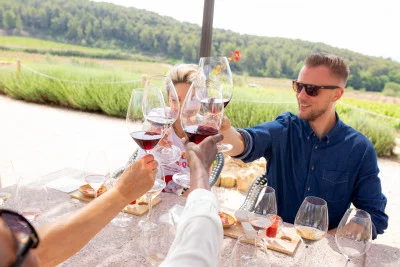
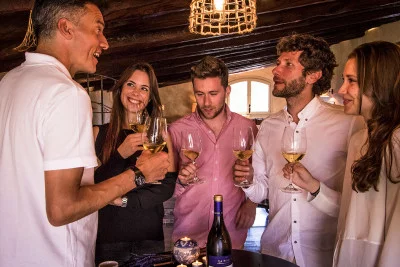
The social element is fundamental. You will rarely see a glass of wine served without a plate of local charcuterie or pa amb tomàquet (bread rubbed with tomato and olive oil). Winemakers here often host tastings in their own dining rooms, sharing stories of the harvest while slicing cured sausage produced by a neighbor. This is not a formal masterclass; it is a shared meal.
On Winedering, a "pairing" implies a deliberate connection between the chef and the winemaker. We select experiences where the food is prepared to balance the specific acidity or tannins of the wine served, moving beyond simple snacking into a cohesive gastronomic experience.
How the landscape of Catalonia shapes what ends up in your glass and on your plate
The terrain defines the flavor profile.
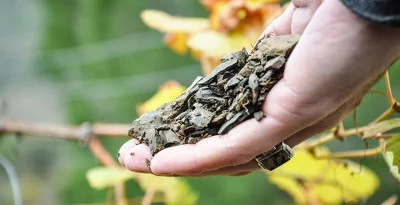
To the north, the Pyrenees act as a barrier against cold winds; to the east, the Mediterranean regulates temperatures; inland, the hills trap heat. In regions like Priorat, the soil is composed of llicorella—a dark slate that forces roots to dig deep for water, resulting in wines with high concentration and distinct mineral notes. In Penedès, the limestone and clay mix retains moisture, ideal for the white grapes used in sparkling wine production.
This geography also dictates the menu. The concept of mar i muntanya (sea and mountain) is literal here: chicken cooked with prawns, or meatballs with cuttlefish. The coastal vineyards produce crisp whites that cut through oily fish dishes, while the inland terraces yield robust reds that stand up to lamb and game.
The pairings you'll remember long after you leave Catalonia
Fresh acidity cutting through rich pork fat creates a balance you can feel.
Catalan pairings are built on contrast and tradition. You might taste a long-aged sparkling wine whose bubbles cleanse the palate after a bite of fatty cured ham, or a dense Carignan that softens when eaten with roasted vegetables. The ingredients are often sourced within a few kilometers of the winery, ensuring freshness that enhances the wine's character.
With native grapes like Xarel-lo and Garnacha dominating the vineyards, the wines have a strong local identity that matches the cuisine. We recommend selecting tours that explicitly mention "lunch" or "food pairing" to fully experience this synergy.
Cheese, cured meats, and artisan specialties you'll find in Catalonia
- Fuet and Llonganissa: These are the staples of any Catalan table. Fuet is a thin, dry-cured sausage with a savory, slightly peppery taste. It pairs exceptionally well with young, fruity red wines or sparkling Cava.
- Formatge de Garrotxa: A semi-soft goat cheese with a velvety rind and a nutty, herbal finish. Its creamy texture requires a white wine with good acidity, such as a Garnacha Blanca, to keep the palate refreshed.
- Mató: A fresh, unsalted cheese similar to ricotta, traditionally served with local honey for dessert. It works best with sweet wines or aromatic whites.
- Arbequina Olive Oil: Smooth, fruity, and lacking bitterness, this oil is ubiquitous. You will taste it on everything, and it bridges the gap between raw vegetables and wine.
Regional classics in Catalonia that shine even more with the right glass alongside
If you see Escalivada on a menu, order it. This dish of smoky, roasted peppers, eggplant, and onions is dressed simply with olive oil. The smokiness pairs perfectly with a medium-bodied red wine from the Montsant region, which often carries similar earthy notes.
Another essential dish is Fideuà.
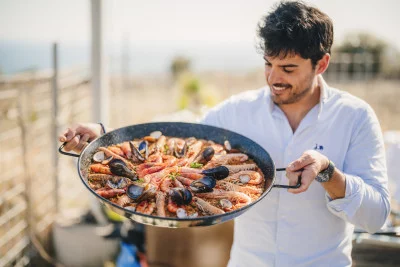
Similar to paella but made with short noodles instead of rice, it is typically cooked with seafood and served with garlic allioli. The intensity of the garlic and the richness of the seafood stock demand a white wine with structure and salinity, such as a Xarel-lo from Penedès. For meat lovers, Botifarra amb mongetes (grilled sausage with white beans) is a rustic classic that calls for a tannic, structured red to cut through the protein and fat.
Shape your food and wine tour itinerary around the table in Catalonia
Build your day from the meal outward.
When planning your itinerary, decide first if you want a quick tasting before heading back to Barcelona, or a full day centered around a vineyard lunch. The region allows for both. The Penedès region is accessible by train or a short drive (45 minutes), making it ideal for half-day trips. Priorat, however, requires a 90-minute drive and winding roads, warranting a full-day commitment or an overnight stay.
Most full-day tours last between 7 and 9 hours, picking you up around 9:00 AM and returning by late afternoon. This allows for two winery visits and a leisurely lunch. Check the inclusions carefully: some tours offer light tapas, while others provide a multi-course gastronomic meal.
Use the filters to select "Lunch included" or "Private Tour" to find the format that fits your group's energy.
The kind of meal you're dreaming about in Catalonia, from rustic to refined
Dining settings vary drastically depending on the winery. Some estates offer a rustic experience in a renovated farmhouse (masia), where meals are served family-style on wooden tables with views of the vineyards. These lunches often feature grilled meats and seasonal vegetables.
Other venues, particularly larger Cava houses or modern architectural wineries, offer refined dining experiences in glass-walled tasting rooms. Here, you can expect plated courses, precise service, and a focus on presentation. Dietary restrictions such as vegetarian or gluten-free options are widely accommodated, but must be communicated at the time of booking.
Choose a rustic setting for a relaxed atmosphere with friends, or a refined setting for couples and special occasions.
The wine styles to explore in Catalonia: from icons to small producers
Catalonia produces a broad spectrum of wines, but three styles define the region. First is Cava and other sparkling wines (like Corpinnat), primarily driven by the Xarel-lo, Macabeu, and Parellada grapes. These range from fresh and fruity to complex, long-aged reserves.
Second are the powerful reds of Priorat and Montsant, made from Garnacha and Carignan. These wines are known for their high alcohol, deep color, and mineral finish derived from the slate soils. Third are the aromatic whites of Alella and Terra Alta, often savory and textured.
Tours often mix "icons"—historic estates with centuries of history—with "small producers" who farm organic or biodynamic plots. Visiting a mix gives you a complete picture: the consistency of large production versus the experimental nature of small-batch winemaking.
Small additions in Catalonia that elevate everything, like a cooking class or walking among the vines
- Vineyard 4x4 Tour: Essential in steep regions like Priorat where walking the terraces is physically demanding. It allows you to reach the highest viewpoints and understand the extreme viticulture.
- E-Bike Rides: Popular in the Penedès region where the terrain is gentler. You can cycle between wineries, smelling the vines and the earth, before stopping for a tasting.
- Cooking Classes: Learn to make a proper paella or romesco sauce with a local chef. This adds about 2-3 hours to your day but provides skills you can take home.
- Blind Tasting Workshops: A fun way to test your senses. The host guides you through wines without revealing the label until the end, focusing purely on aroma and taste.
What a food and wine tour in Catalonia looks like, step by step
Your day typically starts with a pickup from a central location in Barcelona or directly from your hotel.
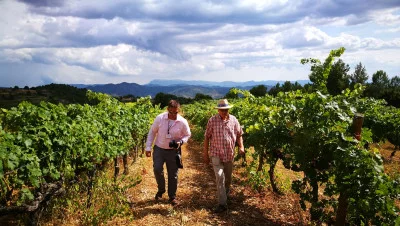
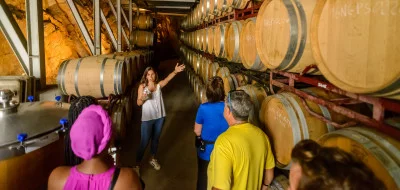
The drive out of the city quickly transitions from urban sprawl to green hills or rocky mountains. Upon arrival at the first winery, you are welcomed by the host, often a family member or the winemaker. The visit usually begins in the vineyards to inspect the soil and vines, followed by a tour of the production area—tanks, barrels, or underground caves for sparkling wine aging.
Next comes the tasting, seated and guided, often accompanied by local snacks. If you have booked a tour with lunch, the second stop will revolve around the meal, either at a winery restaurant or a traditional local tavern. The pace is unhurried. You will have time to take photos, ask questions, and purchase bottles if you wish.
Return transport is direct, allowing you to rest after a day of wine and food. Pricing is transparent, and most tours cover all tasting fees and transport costs.
Winery visits in Catalonia, with guided pairings and storytelling
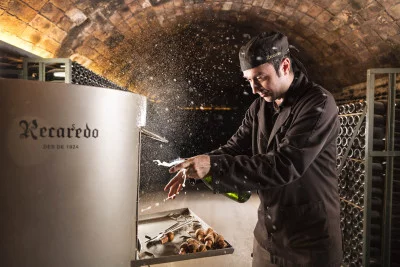
A visit here is educational without being dry. You will learn about the "Traditional Method" of sparkling wine production—the second fermentation in the bottle—and why it creates finer bubbles than other methods.
Hosts explain the specific choices made in the vineyard, such as dry farming (no irrigation) to concentrate flavors. Tastings are structured flights, usually 3 to 5 wines, selected to show the range of the estate. You aren't just drinking; you are analyzing the difference between a young wine and a Gran Reserva.
Reviews verify the quality of these hosts, ensuring you are learning from competent professionals who speak fluent English.
A meal in Catalonia that goes beyond a simple stop
Lunch is the anchor of the day.
Expect a meal that reflects the season. In winter, this might mean hearty stews; in summer, fresh salads and grilled fish. The wines served with lunch are chosen to complement the food, not just to use up open bottles. The server or guide will explain why the specific Rosé works with your starter, enhancing your understanding of pairing principles.
This is a full dining experience, usually lasting 90 minutes to two hours. It creates a break in the day, allowing you to relax and engage with your travel companions.
Time to breathe in Catalonia, with scenic routes and village strolls
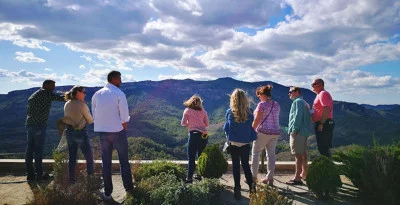
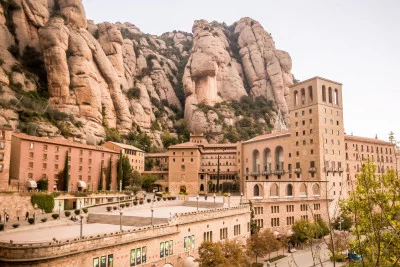
The spaces between tastings are filled with visually striking landscapes. The drive to Priorat, for example, passes beneath the sheer rock face of the Montsant range. In Penedès, you can see the serrated peaks of Montserrat mountain in the distance.
Many tours include a brief stop in a medieval village like Siurana or Pals. These are not shopping excursions but opportunities to stretch your legs on cobblestone streets and take in the view. It is important to leave this buffer time; rushing from cellar to cellar causes palate fatigue.
Look for itineraries that mention "scenic drive" or "village visit" to ensure a balanced pace.
Choose the right food and wine tour in Catalonia for your pace
Time is your primary filter.
If you have limited time, a half-day morning tour to the Alella or Penedès regions gets you back to Barcelona by 2:00 PM. This is perfect for leaving your evening free for city dining. For wine enthusiasts, a full-day tour to Priorat is non-negotiable; the travel time is an investment in tasting some of Spain's highest-rated wines.
Consider your group size. Shared small-group tours (usually up to 8 people) are social and cost-effective. Private tours offer flexibility with pickup times and the ability to tailor the wine list to your preferences.
Compare durations and inclusions—then book in a couple of clicks to secure your date.
Short food and wine experiences in Catalonia that still feel rich and complete
Short does not mean superficial. A 4-hour experience usually focuses on a single, high-quality estate near the city. You will still get the full vineyard tour, the cellar visit, and a guided tasting of premium wines alongside local cheeses and meats.
These are excellent for families with younger children or travelers with tight schedules. You get the essence of the Catalan wine country without the full-day commitment. Look for tours that confirm a "guided tasting" to ensure the educational value remains high.
Food and wine weekends in Catalonia for couples and friends
A two-day escape allows you to slow down completely.
On a weekend trip, you can visit the classic appellations on Saturday and explore niche, experimental producers on Sunday. The evenings are yours to explore local restaurants in towns like Vilafranca del Penedès or Falset, where the wine lists are priced for locals, not tourists.
This format removes the pressure of driving back to the city after lunch. Booking tailored experiences with flexible start times allows you to sleep in and enjoy a slow breakfast before the first tasting.
Overnight stays in Catalonia that make the atmosphere part of the memory
Staying among the vines changes the experience. As the day-trippers leave, the landscape becomes quiet. The light at sunset hits the limestone and slate differently.
Accommodation options range from small boutique hotels in the villages to agritourism rooms directly on the winery estates. Waking up to the view of vineyards and having breakfast with local products adds a layer of immersion you cannot get on a day tour. Check for properties that have an on-site restaurant or are within walking distance of a village for dinner.
Browse tours that include accommodation or plan a multi-day custom itinerary.
Gift a food and wine tour in Catalonia that feel personal
An experience is a gift that stays with the recipient. For the sparkling wine lover, a premium Cava tasting is an obvious choice. For the collector, a private tour of Priorat offers access to wines that are difficult to find abroad.
Gifting a cooking class combined with a winery visit is ideal for the food-focused traveler. Our booking process is transparent, with clear redemption instructions and flexible cancellation policies, so the recipient can adjust dates if needed.
Pick a date now—or choose a gift option if available.
When to book a food and wine tour in Catalonia?
Catalonia is a year-round destination, but the experience shifts with the seasons. Spring and autumn offer the most comfortable temperatures for vineyard walks. Summer can be hot, making morning tours or coastal visits preferable.
Winter is quiet and intimate, with robust red wines tasting their best. Availability for top-tier wineries can be tight on weekends, so planning ahead is smart.
Check live availability for your dates to avoid disappointment.
Harvest season in Catalonia, when the region comes alive
From late August to October, the vineyards are full of activity. You will see tractors hauling trailers of grapes and smell the aroma of fermenting juice—a scent like fresh yeast and crushed fruit—wafting from the cellars.
Wineries are busy, but the energy is infectious. Visits during this time often include tasting fresh must (grape juice before it becomes wine) or seeing the sorting tables in action. Because production is the priority, schedules are stricter. Booking weeks in advance is highly recommended.
Autumn and winter in Catalonia, for deeper dishes and comforting wines
As the temperatures drop, the menu shifts to comfort. This is the season for wild mushrooms (bolets), game meat, and roasted chestnuts. The landscape turns shades of gold and rust, particularly in the vineyards.
This is the best time to explore full-bodied red wines and aged Cavas. The chilly weather makes the warmth of the tasting room and the richness of the wines particularly inviting. Crowds are thinner, meaning you often get more personal attention from your hosts.
Choose tours that include a seated indoor lunch for maximum comfort.
Spring and summer in Catalonia, for outdoor meals and lighter pairings
From April onwards, the vines turn vibrant green. Wildflowers bloom between the rows, and the days are long. This is the season for outdoor tastings on terraces and picnics in the vineyards.
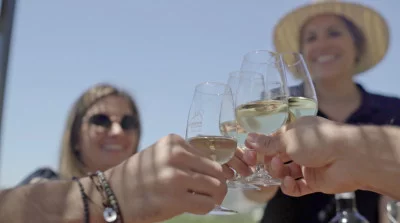
White wines and Rosés are the stars during these months, served cool to combat the heat. It is a popular time for visitors, so expect larger groups unless you book private experiences. Practical tip: wear a hat and bring water, as the midday sun in the vineyards is strong.
Filter for "vineyard lunch" or "terrace tasting" to make the most of the weather.
Food and wine events in Catalonia, when the calendar adds extra magic
- Calçotada Season (Jan-April): A massive cultural event centered on eating grilled calçots (sweet onions). Many wineries offer special tours ending with a traditional calçotada feast.
- Harvest Festivals (Sept-Oct): Towns like Sant Sadurní d'Anoia hold festivals celebrating the grape harvest with street food, music, and open tastings.
- Most Festival (November): A film and wine festival in Penedès and Priorat.
Dates for these events change annually, so check local calendars. Booking a guided tour during these times allows you to participate in the festivities while keeping the logistics of transport and reservations organized.
Lock in your tour dates early if you're traveling for an event.
Catalonia: Good to know
The average price of a wine tasting with winery visit in Catalonia is around €30. Depending on the experience, prices range from €15 to €45. Booking in advance ensures availability and the best prices.
Here are the top wineries to visit in Catalonia:
- Perinet
- CLOS DE BASELLA
- CELLERS CAPAFONS OSSÓ S.L
- Suriol
- Meritxell Pallejà
- Celler Devinssi
- Clos Pachem
- ArtCava
Here are the best wine tastings to book in Catalonia:
- Wine tasting and tour at Saó del Coster in Gratallops, Priorat
- Tasting 5 Natural Wines in the Shade of a Millenary Monastery at El Jardí dels Sentits
- Priorat Wine Tasting between stones and mountains with Cellers Capafons-Ossó
- Winery tour and wine tasting at Terra Remota in the heart of Alt Empordá
- Classic Tour and Wine Tasting at Perinet in Priorat
- Picnic in the vineyards of Alt Empordá at Terra Remota
- Wine Tasting at Caves Montau de Sadurní
- Breakfast in the Modernist Garden, Visit to the winery and Tasting at Finca Rovellats
Continue with a social account