
Other Experiences Cornia Valley
Find the best other experiences in Cornia Valley, to book online or give as a gift.
Sorry, no experiences found. Anyway...
Cornia Valley: Good to know
Cornia Valley (also known as Val di Cornia )lies along Tuscany’s southwestern coast, stretching from seaside towns inland toward rolling hills. It encompasses territories like Suvereto, Sassetta, Piombino, San Vincenzo, Campiglia Marittima and Monteverdi Marittimo. The scenery transitions from salt‑kissed coastal plains into gentle vineyard hills where Mediterranean light meets maritime breezes. This wine region is part of the broader Maremma, yet it carries its own character—where sea and land interact and hills shelter vines from the coastal gusts. Wine here is born of that tension between salt air and warm earth, offering both immediacy and depth.
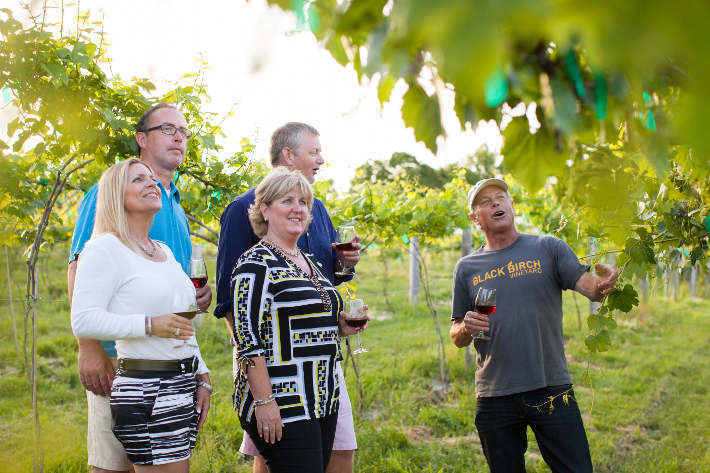
In Cornia Valley, wine tourism moves at a relaxed, thoughtful pace. Many producers are modest in size and personally involved; visitors can often walk through vineyard rows, descend to cellar rooms, and taste directly from aging barrels or amphorae. Some estates offer multisensory pairings of wine with local olive oil, sea salt, and coastal herbs. Driving, cycling, or wandering along the Wine Road of the Etruscan Coast, you’ll pass olive groves, cypresses, and ruins of old agrarian estates. The proximity to the sea means you can combine wine visits with salt marshes, coastal trails or historic port towns. The experience is rooted in terroir, hospitality, and discovery rather than spectacle.
Cornia Valley’s cuisine embraces both sea and land. From the coast come fresh fish, mollusks, bluefish stews, octopus, or shellfish prepared with herbs and olive oil. Inland, meats—especially Tuscan beef cuts and game—make appearances, often grilled or in simple ragùs. Vegetables, legumes, and artichokes—especially the local purple artichoke—play a supporting role. Cheese, focaccia, and rustic bread are staples. For dessert, expect fruit preserves, honey, simple almond or olive oil cakes, or passito‑style sweet wines paired with dried fruits and nuts. The wines’ balance between freshness and structure offers lively companionship to seafood, grilled meat, or herb‑accented dishes.
Cornia Valley supports both red and white viticulture. In red and rosé wines, Sangiovese is foundational—wines must include at least 40% Sangiovese—then they may incorporate Cabernet Sauvignon or Merlot, and small portions of other authorized red varieties. The appellation also recognizes a special red DOCG. On the white side, Vermentino and Ansonica are key, often forming the backbone of blanc blends, with Trebbiano, Malvasia, Viognier and others participating. Val di Cornia also allows passito (late‑harvest / dessert) styles from Ansonica and Aleatico. The flexibility encourages producers to balance local tradition with experimentation and coastal expression.
Spring in Cornia Valley greets vineyards with new green shoots, warming sea breezes, and coastal flowers. Late April through May is perfect for walking among vines and tasting fresh whites. Summer brings warm, sunlit days moderated by maritime air, making evening tastings pleasant and vineyard visits comfortable. Harvest typically begins in late summer and can run into early autumn—a busy, colorful moment when grapes are handpicked and fermentations begin. Autumn brings softer light, cooler evenings, and the first wine fairs and open cellar events. Winter is quiet but offers deeper, thoughtful tastings of reserve or aged wines, blending sessions, and time to explore the coastal towns in peaceful ambiance.
Choose a base near Suvereto or one of the coastal towns like Piombino or San Vincenzo to balance sea and wine. Allow at least three nights, ideally four, to experience both vineyards and coast. Devote one day to exploring red wine routes and inland estates, another to coastal whites and salt-influenced terroir, and leave a day for sea trails, hilltop views, or local festivals. Consider timing your visit with harvest-period open cellar weekends or regional wine‑and‑food fairs. Travel by car or e‑bike so you can pause where a vineyard view or tasting possibility draws you in. Take time to pause at sea cliffs, olive groves, or vineyard outlooks—and let Val di Cornia’s dual personality of sea and hill unfold in your glass.
The average price of a wine tasting with winery visit in Cornia Valley is around €52.50. Depending on the experience, prices range from €20 to €85. Booking in advance ensures availability and the best prices.
Here are the top wineries to visit in Cornia Valley:
See all the wineries to visit in Cornia ValleyHere are the best wine tastings to book in Cornia Valley:
- Sensory Wine Tasting at Monte Solaio
- Tua Rita Barrique Experience: Wine tasting in Suvereto
- Picnic among the vineyards at Tenuta Casadei
- Discover Tua Rita: Wine tasting in Suvereto
- Organic tour experience at Tenuta Casadei
- Horse Carriage wine tour and tasting at Casadei Estate
- Classic Wine Tasting at Monte Solaio
- Wine together: a special wine tasting experience at Rigoli Vini
Continue with a social account