

Food and Wine Tours in Ventoux
In Ventoux, in the heart of Provence-Alpes-Côte d'Azur Region, food and wine tours are one of the most natural ways to discover wineries, local flavors, and authentic pairings. On Winedering you'll find 7 food and wine experiences, with food and wine itineraries ranging from 6 hours to 9 hours, 30 minutes, including guided tastings and regional specialties. Prices start from €89 and go up to €1,200. Choose your pace and book your food and wine tour in Ventoux in just a few clicks.

Provence-Alpes-Côte d'Azur Region, Bouches-du-Rhône, Marseille -
(Provence, Marseille, Southern Rhône, Crozes-Hermitage, Luberon, Ventoux)
7 Hours
Min 4, Max 14
From €200
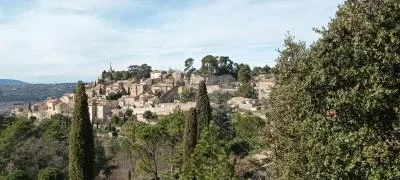
Provence-Alpes-Côte d'Azur Region, Vaucluse, Arrondissement d'Apt -
(Southern Rhône, Luberon, Ventoux)
6 Hours
Min 2, Max 8
From €89

Provence-Alpes-Côte d'Azur Region, Bouches-du-Rhône, Marseille -
(Provence, Coteaux d'Aix-en-Provence, Marseille, Southern Rhône, Aix en provence, Luberon, Ventoux, Baux-de-Provence)
8 Hours
Min 1, Max 8
From €850 (Groups Discount Available!)

Provence-Alpes-Côte d'Azur Region, Bouches-du-Rhône, Marseille -
(Provence, Marseille, Southern Rhône, Luberon, Ventoux)
8 Hours
Min 4, Max 8
From €235

Provence-Alpes-Côte d'Azur Region, Bouches-du-Rhône, Marseille -
(Provence, Marseille, Southern Rhône, Luberon, Ventoux)
8 Hours
Min 1, Max 8
From €1,100 (Groups Discount Available!)

Provence-Alpes-Côte d'Azur Region, Bouches-du-Rhône, Marseille -
(Provence, Coteaux d'Aix-en-Provence, Marseille, Southern Rhône, Luberon, Ventoux)
6 Hours
Min 1, Max 8
From €1,200 (Groups Discount Available!)

Provence-Alpes-Côte d'Azur Region, Vaucluse, Arrondissement d'Avignon -
(Rhône, Southern Rhône, Crozes-Hermitage, Châteauneuf du Pape, Avignon, Côtes du Rhône, Luberon, Ventoux)
9 Hours 30 Minutes
Min 1, Max 8
From €169
The best food and wine tours in Ventoux that you can't miss
The first thing you notice in this part of Provence is the light hitting the limestone summit of Mont Ventoux, followed quickly by the scent of wild thyme and rosemary—the garrigue—that grows between the vine rows. This is not just a scenic backdrop; it is a UNESCO Biosphere Reserve where cooler temperatures create wines with distinct freshness.
Spanning roughly 5,700 hectares of vineyards, the Ventoux appellation climbs the slopes of the "Giant of Provence."
Because the terrain varies from ochre canyons to high-altitude terraces, the microclimates shift rapidly within a short drive. A food and wine tour here connects these dots for you. It allows you to move from a sunny valley floor tasting ripe Grenache to a cooler, higher plot famous for peppery Syrah, all while navigating the winding roads that link medieval hilltop villages.
In Ventoux, wine and food belong at the same table
In this corner of the Southern Rhône, wine is rarely consumed without food. The local rhythm revolves around the market schedule and the long lunch. You will see locals stopping at 11:00 AM for an aperitif of tapenade and rosé, transitioning naturally into a meal where the wine on the table comes from the vineyard visible through the window.
Pairing here is an act of hospitality.
When you book a Winedering experience, you aren't just getting a glass and a cracker. You are often stepping into a family-run domain where the winemaker’s spouse might be the chef, or where the tasting concludes with a board of local charcuterie specifically chosen to soften the tannins of a young red. It is authentic, grounded, and generous.
How the landscape of Ventoux shapes what ends up in your glass and on your plate
The landscape here is defined by altitude and wind. As you ascend the slopes of the mountain, the air cools, providing what winemakers call a high "diurnal range"—hot days and cold nights.
This temperature shift preserves acidity in the grapes, meaning Ventoux wines often taste fresher and lighter than their powerful neighbors in Châteauneuf-du-Pape.
The soils are a mix of limestone scree, red sand, and clay. This geology directly influences the local produce as well: the sandy soils near Carpentras produce France’s most famous strawberries, while the limestone ridges are home to hardy herbs and grazing goats. The cuisine reflects this rugged terroir, relying on ingredients that thrive in stony ground and bright sun, resulting in dishes that are aromatic rather than heavy.
The pairings you'll remember long after you leave Ventoux
A great pairing in Ventoux balances the herbal intensity of the food with the bright fruit of the wine. It creates a clean, vibrant finish on the palate.
Because the region produces reds with moderate tannins and crisp acidity, they are exceptionally food-friendly. You don't need a heavy steak to enjoy them; they work beautifully with vegetable-based dishes and grilled meats. White wines here, though only about 4-5% of production, are hidden gems offering floral aromatics that cut through creamy textures.
Look for tours that explicitly include "lunch" or "food pairings" to experience this harmony firsthand.
Cheese, cured meats, and artisan specialties you'll find in Ventoux
The classic tasting board in this region is a map of the surrounding hills.
- Picodon or Banon cheese: These goat cheeses range from fresh and creamy to dry and pungent. The high acidity of a Ventoux white wine cuts through the creaminess perfectly.
- Saucisson with herbs: Cured sausages often rolled in herbes de Provence. The fat requires the grip of a young red wine to cleanse the palate.
- Tapenade: A paste of black olives, capers, and anchovies. Its saltiness highlights the fruit notes in a chilled rosé.
- Carpentras Strawberries: In spring, these sweet, concentrated berries are often served simply, sometimes paired with a lighter rosé or a sweet Muscat from nearby Beaumes-de-Venise.
Regional classics in Ventoux that shine even more with the right glass alongside
If you sit down for a full meal, you will likely encounter Daube Provençale. This is a slow-cooked beef stew, often marinated in the local red wine with orange peel and olives. The richness of the sauce demands a structured Ventoux red, where the tannins bind with the protein to smooth out the mouthfeel.
Another staple is the Truffle Omelette.
Ventoux is the heart of France’s black truffle production (specifically the Tuber melanosporum). The earthiness of the truffle pairs brilliantly with an aged white wine that has developed nutty, secondary notes, or a soft, mature red that won't overpower the delicate fungal aroma.
Shape your food and wine tour itinerary around the table in Ventoux
The best itineraries here are built from the meal outward. Decide where and how you want to eat—a picnic in the vines or a chef's table in a cellar—and let the winery visits fill the morning and afternoon slots.
Consider your driving comfort. The roads can be narrow and winding as you climb toward villages like Crillon-le-Brave or Brantes. If you want to indulge in wine without counting glasses, a tour with a driver is a practical necessity.
Check the "Inclusions" on Winedering to confirm the start time; many full-day tours begin around 9:30 AM to maximize the cool morning hours for vineyard walks.
The kind of meal you're dreaming about in Ventoux, from rustic to refined
Dining options on these tours range from casual to elegant.
You might find yourself at a sturdy wooden table in a winemaker's courtyard, sharing a rustic platter of terrine and crusty bread. This is typical of smaller family estates.
Alternatively, some experiences offer a "vigneron lunch" at a local auberge or a refined restaurant on the estate, featuring three courses and white tablecloths. Dietary requirements like vegetarian or gluten-free are generally easy to accommodate in Provence, as the cuisine is heavily based on vegetables and olive oil, but always mention this at the time of booking.
The wine styles to explore in Ventoux: from icons to small producers
The primary grape here is Grenache, providing red fruit flavors and body, supported by Syrah for spice and color. Carignan and Cinsault play supporting roles.
You will encounter two main tiers of producers. There are the historic cooperatives which produce a large volume of reliable, accessible wine, and then there are the independent "domaines." The independent estates are where you find the most distinct personalities—winemakers experimenting with concrete eggs for fermentation or focusing on single-plot bottlings (parcellaire) to highlight specific soil types.
Ask to taste a "vertical" flight if available; tasting the same wine from three different years shows you exactly how the vintage weather affects the final bottle.
Small additions in Ventoux that elevate everything, like a cooking class or walking among the vines
- Truffle Hunting: In winter (roughly November to March), you can join a guide and a dog to hunt for black truffles, followed by a tasting. This offers a direct connection to the soil.
- Electric Bike Tours: The terrain is hilly, so e-bikes are popular. They allow you to smell the wild herbs and cover ground between vineyards without exhaustion.
- Market Visits: A morning stop at a market (like Bédoin or Carpentras) with a guide helps you understand the ingredients before you taste them on your plate.
What a food and wine tour in Ventoux looks like, step by step
Your day typically begins with a pickup from your accommodation or a central meeting point in Avignon or a local village. The drive itself is an introduction to the region, passing through cherry orchards and olive groves before the vines appear.
The first stop is usually a winery visit. You will walk the vineyard to see the stony soil, then head to the cellar to smell the fermenting juice or aging barrels. This lasts about 90 minutes.
Lunch follows, serving as a relaxed two-hour break. Afterward, the afternoon might include a second, contrasting winery or a visit to a panoramic viewpoint like the Ochre Trail in Roussillon. You return in the late afternoon, usually between 5:00 PM and 6:00 PM.
Winery visits in Ventoux, with guided pairings and storytelling
The welcome in Ventoux is less formal than in Bordeaux and more personal. You are often greeted by a family member or a long-time employee.
During the tasting, you won't just drink; you will analyze. Your host will explain how the altitude—often between 200 and 500 meters—keeps the alcohol levels balanced.
You will taste 3 to 5 wines. Simple crackers or bread are standard to cleanse the palate, but specific "food pairing" tours will introduce local cheeses or chocolates to demonstrate how food changes the perception of the wine.
A meal in Ventoux that goes beyond a simple stop
Lunch is not a pit stop; it is a cultural immersion. In a restaurant or estate setting, the menu is dictated by the season.
In spring, expect asparagus and strawberries. In winter, root vegetables and truffles dominate. The wines served will be from the estate you just visited or a selection of local favorites. The pace is leisurely. Expect to spend at least 90 minutes at the table, discussing the food and the wine with your guide or host.
Time to breathe in Ventoux, with scenic routes and village strolls
Between the tasting and the eating, there is the seeing. The Ventoux region is dotted with "perched villages" like Gordes and Venasque.
Most tours build in 30 to 45 minutes of free time. This is your chance to buy a bag of dried lavender, grab a coffee, or simply stand at a rampart and look out over the valley. It creates a necessary buffer, giving your palate a rest before the next glass.
Look for itineraries that mention "scenic stops" to ensure you get these photo opportunities.
Choose the right food and wine tour in Ventoux for your pace
Selecting the right tour comes down to how much time you have and how deep you want to dive. If you are staying in Avignon and only have a morning, a half-day trip gives you a snapshot.
However, if you want to truly understand the nuance of the terroir and enjoy a proper Provençal lunch, a full-day tour is the better investment. Small group tours (usually capped at 8 people) offer a good balance of social interaction and access to the guide, while private tours allow you to customize the pick-up time and focus on specific wine styles, like reds or organic production.
Short food and wine experiences in Ventoux that still feel rich and complete
A "short" experience in Ventoux typically lasts 3 to 4 hours. These are perfect for travelers who want to hike or cycle in the morning and taste wine in the afternoon.
You will visit one or two wineries. The focus is sharp: a quick history, a look at the production, and a guided tasting. While lunch isn't usually included, many hosts offer substantial nibbles. These tours are efficient but never rushed, focusing on quality interactions rather than volume.
Food and wine weekends in Ventoux for couples and friends
A weekend itinerary allows you to compare different sectors of the mountain. You might spend Saturday exploring the southern slopes near Bédoin, known for generous, sunny wines.
Sunday can be reserved for the northern sector or high-altitude plots, where the wines are edgier and more tannic. This rhythm is ideal for couples or groups of friends. It leaves your evenings free to explore the excellent restaurant scene in towns like L'Isle-sur-la-Sorgue.
Overnight stays in Ventoux that make the atmosphere part of the memory
Staying at a vineyard B&B (chambre d'hôtes) changes the experience entirely. You see the vineyards at golden hour when the day-trippers have left.
You wake up to the sound of tractors or birds rather than city traffic. Many estates now offer accommodation, ranging from simple rooms to luxury suites with pools. Check if breakfast includes local jams and breads—it almost always does. Booking a tour that includes accommodation removes the logistics of driving after dinner.
Gift a food and wine tour in Ventoux that feel personal
Gifting a tour here is gifting a piece of the Provençal lifestyle. It suits anyone who appreciates nature and good ingredients.
For a serious wine collector, look for a private tour that visits top-tier domaines. For a general food lover, a market-plus-cooking class combination is a safe and delightful bet. Winedering vouchers offer flexibility, so the recipient can choose the date that aligns with their travel plans.
When to book a food and wine tour in Ventoux?
Ventoux is a year-round destination, but the experience changes drastically with the seasons. Summer is vibrant and busy; winter is quiet and introspective.
Availability for small-group tours can be tight from May through September. If you have specific dates, book at least two weeks in advance. For harvest season or truffle tours, a month out is safer.
Harvest season in Ventoux, when the region comes alive
September and early October are electric. The roads are filled with tractors hauling trailers of grapes.
Wineries are hives of activity. You will smell the fermenting juice—a yeasty, fruity aroma—before you even enter the building. While winemakers are busy, many enjoy showing visitors the "real work." Tours during this time often include tasting fresh grape juice (must) alongside the finished wines. It is an energetic time to visit.
Autumn and winter in Ventoux, for deeper dishes and comforting wines
Late autumn brings the changing colors of the vines, turning the valley into a patchwork of gold and crimson. Winter is the season of the black truffle.
The cuisine shifts to hearty stews and roasted root vegetables, which pair perfectly with the region's more structured red wines. The crowds disappear, meaning you often get the tasting room to yourself. Just be aware that days are shorter, and some smaller restaurants may close for a winter break.
Spring and summer in Ventoux, for outdoor meals and lighter pairings
Spring (April-June) sees the orchards bloom and the first warm days. It is the best time for hiking and cycling.
Summer brings the heat and the lavender fields. Rosé becomes the drink of choice, served very cold. Tours during these months focus on the vineyards and outdoor terraces. Because of the heat, morning tours are preferable. Ensure you book air-conditioned transport and wear a hat.
Food and wine events in Ventoux, when the calendar adds extra magic
- Truffle Markets: Held in Carpentras and Richerenches on Friday and Saturday mornings in winter. These are serious trading events that are fascinating to watch.
- Wine Festivals: Many villages host summer wine fairs (Fête de la Vigne et du Vin) with street tastings and music.
- Harvest Festivals: In autumn, villages celebrate the end of the pick with communal meals.
If your trip coincides with these events, book a guided tour to help navigate the crowds and provide context to what you are seeing.
Ventoux: Good to know
How much does a wine tasting with winery tour in Ventoux cost?
The average price of a wine tasting with winery visit in Ventoux is around €39. Depending on the experience, prices range from €8 to €70. Booking in advance ensures availability and the best prices.
Which wineries to visit in Ventoux?
Here are the top wineries to visit in Ventoux:
See all the wineries to visit in Ventoux
Where to do wine tastings in Ventoux?
Here are the best wine tastings to book in Ventoux:
- Sunset Wine Aperitif in the Vineyards of Ventoux at Domaine LesChancel
- Organic Wine Tasting & Vineyard Tour at Domaine du Chat Blanc near Mont Ventoux
- Educational Vineyard Walk & Wine tasting at Domaine de Mas Caron
- Food and Wine Pairing Experience at Domaine de Mas Caron
- La Royère Olive Oil Museum Visit with olive oil & wine tasting
Continue with a social account