

Wine Tours in Champagne from Paris and Reims
In Champagne, in the heart of Alsace-Champagne-Ardenne-Lorraine, wine tours are one of the most natural ways to discover wineries, local flavors, and authentic pairings. On Winedering you'll find 44 wine experiences, with wine itineraries ranging from 1 hour to 14 hours, including guided tastings and regional specialties. Prices start from €65 and go up to €2,100. The main departure points are Paris, Reims, Magenta, City of Brussels and Strasbourg. Tours also depart from 2 more cities. Choose your pace and book your wine tour in Champagne in just a few clicks.
Of these tours, 30+ come to pick you up where you are staying and 10+ start from a meeting point set by the host.

Île-de-France Region, Paris, Paris -
(Champagne, Montagne de Reims, Vallée de la Marne)
12 Hours 30 Minutes
Min 2, Max 7
From €685 (Groups Discount Available!)

Île-de-France Region, Paris, Paris -
(Champagne, Montagne de Reims, Vallée de la Marne)
12 Hours 30 Minutes
Min 2, Max 7
From €655 (Groups Discount Available!)
Alsace-Champagne-Ardenne-Lorraine, Bas-Rhin, Strasbourg-Ville -
(Alsace, Champagne, Vallée de la Marne)
14 Hours
Min 2, Max 14
From €234

Alsace-Champagne-Ardenne-Lorraine, Marne, Reims -
(Champagne, Montagne de Reims)
6 Hours 15 Minutes
Min 1, Max 8
From €220

Alsace-Champagne-Ardenne-Lorraine, Marne, Reims -
(Champagne, Montagne de Reims, Vallée de la Marne)
8 Hours 20 Minutes
Min 1, Max 8
From €250

Alsace-Champagne-Ardenne-Lorraine, Marne, Reims -
(Champagne, Montagne de Reims)
8 Hours 20 Minutes
Min 1, Max 8
From €330

Île-de-France Region, Paris, Paris -
(Champagne, Vallée de la Marne)
9 Hours 30 Minutes
Min 2, Max 6
From €945 (Groups Discount Available!)

Île-de-France Region, Paris, Paris -
(Champagne, Montagne de Reims, Vallée de la Marne)
12 Hours 30 Minutes
Min 2, Max 6
From €1,425 (Groups Discount Available!)

Île-de-France Region, Paris -
(Champagne, Montagne de Reims)
10 Hours
Min 1, Max 8
From €1,493 (Groups Discount Available!)

Alsace-Champagne-Ardenne-Lorraine, Marne, Reims -
(Champagne, Montagne de Reims, Vallée de la Marne)
8 Hours 20 Minutes
Min 1, Max 8
From €215

Alsace-Champagne-Ardenne-Lorraine, Marne, Reims -
(Champagne, Montagne de Reims)
9 Hours
Min 1, Max 8
From €295
Alsace-Champagne-Ardenne-Lorraine, Marne, Reims -
(Champagne, Montagne de Reims, Vallée de la Marne)
8 Hours
Min 2, Max Not Specified
From €360
The best food and wine tours in Champagne that you can't miss
The air in Champagne carries a distinct scent: the damp, mineral coolness of deep underground cellars mixed with the fresh humidity of the vines. It is a region defined by precision and patience, where the wine in your glass is the result of years of waiting in the dark. While the brand names here are global icons, the true experience of the region lies in the vineyards and the smaller production facilities that line the Route Touristique.
Covering roughly 34,000 hectares, this northern French region is compact enough to navigate easily but dense with distinct sub-regions like the Montagne de Reims and the Côte des Blancs. A guided tour is essential here, not just for transportation, but access. Many of the most interesting cellars—especially the smaller grower-producers—require appointments and personal introductions to open their doors. Within a short drive, you can move from a grand house with miles of chalk tunnels to a family dining room where the winemaker pours a vintage bottle alongside local cheese.
In Champagne, wine and food belong at the same table
There is a misconception that Champagne is strictly for toasts and celebrations, drank standing up before the real meal begins. In the region itself, the approach is entirely different. Here, sparkling wine is a constant companion to food, with enough structure and acidity to cut through rich sauces and cleanse the palate after savory bites.
Local hospitality often revolves around a "mâchon"—a traditional mid-morning or mid-day meal shared by workers and winemakers. You will find yourself sitting at heavy wooden tables, passing boards of artisanal charcuterie, while the host explains why a specific Blanc de Noirs pairs better with the ham than a Chardonnay would. On Winedering, a "pairing" is not a bowl of peanuts served with a glass. It is a deliberate culinary choice, where the food is selected to highlight the texture, age, and dosage of the wine.
How the landscape of Champagne shapes what ends up in your glass and on your plate
The landscape of Champagne is rolling and often grey-skied, dominated by the stark whiteness of the soil. This is a marginal climate, sitting at the northern limit of successful viticulture, which forces the vines to struggle. The result is grapes with high acidity—the backbone of all great sparkling wine.
The soil is the defining character here. Much of the region sits on a thick bed of chalk (belemnite and micraster), a porous limestone formed from ancient marine microorganisms. This chalk acts as a sponge, regulating water for the vines and imparting a distinct saline finish and sharp minerality to the wines. This salinity links the wine directly to the local cuisine. You will find that the heavy, cream-based sauces and rich pork dishes of the region are not heavy when paired with local wine; the chalk-driven acidity of the Champagne slices through the fat, creating a balance that feels effortless.
The pairings you'll remember long after you leave Champagne
The most memorable pairing in this region is often the simplest: the sharp bite of a chalky wine meeting the creamy richness of a local cheese. It works because the contrast is absolute.
Champagne has a diverse culinary identity that goes far beyond oysters and caviar. In the Pinot Noir-dominant villages of the Montagne de Reims, wines have the body and red-fruit character to stand up to game birds and mushrooms. In the Côte des Blancs, where Chardonnay rules, the wines are laser-sharp and citrusy, demanding lighter seafood or salty appetizers. The key to pairings here is understanding the "dosage"—the sugar added at the end of production. A bone-dry Brut Nature pairs beautifully with raw fish, while a slightly rounder Brut handles poultry or pastry crusts with ease.
Look for tours that include a "déjeuner au champagne" (champagne lunch) to see these principles in action.
Cheese, cured meats, and artisan specialties you'll find in Champagne
- Chaource: A soft, creamy cow's milk cheese with a bloomy rind. It has a mushroomy, melt-in-the-mouth texture that pairs perfectly with the biscuit notes of an aged Champagne.
- Langres: A pungent, washed-rind cheese with a sunken center. It is intense and salty, requiring a full-bodied Pinot Noir-based Champagne to match its power.
- Jambon de Reims: A cooked ham seasoned with nutmeg and parsley, shaped into a block. Its savory, herbed profile works well with the freshness of a Brut non-vintage.
- Brie de Meaux: Often found here due to proximity, this rich, runny cheese needs the carbonation of sparkling wine to scrub the palate clean between bites.
Regional classics in Champagne that shine even more with the right glass alongside
- Potée Champenoise: A rustic stew of pork, sausage, cabbage, and root vegetables. The salt and fat of the pork are balanced by the acidity of the wine, while the bubbles lift the heaviness of the dish.
- Oysters (Huîtres): While not grown in the fields, they are a staple. The fossilized marine shells in the soil create a chemical link between the wine and the oyster, amplifying the briny flavor of both.
- Biscuits Roses de Reims: Dry, pink, twice-baked cookies designed to be dipped into Champagne without crumbling. They add a touch of sweetness and texture to the end of a tasting.
Shape your food and wine tour itinerary around the table in Champagne
A successful itinerary in Champagne moves at a relaxed pace, usually centering on a long, seated lunch. Distances between the main towns like Reims and Épernay and the vineyards are short, but the winding roads through the villages take time. We recommend building your day around one major meal and two distinct tastings.
Consider your starting point. If you are taking the train from Paris for the day (45 minutes by TGV), you might focus on the historic houses in Reims with a lunch in the city center. If you have a car or a driver, the villages of the Côte des Blancs offer a quieter, more agricultural atmosphere. When booking, check the inclusions carefully. Some visits are "tasting only," while others are full "experiences" that include cellar tours and food pairings. The latter often provides a deeper understanding of the region's complexity.
Filter your search by "lunch included" or "private driver" to ensure the logistics match your comfort level.
The kind of meal you're dreaming about in Champagne, from rustic to refined
Dining in Champagne ranges from white-tablecloth precision to rustic farmhouse warmth. On one end of the spectrum are the prestigious winery restaurants and Michelin-starred venues in Reims, where courses are plated like art and the wine list includes rare vintage bottles. These meals are slow, often lasting two to three hours.
Alternatively, many independent growers (vignerons) offer "piqueniques" in the vines or casual lunches in their tasting rooms. Here, the food is simple—local terrines, fresh bread, cheeses—but the connection to the host is immediate. Dietary requirements like vegetarian or gluten-free options are generally accommodated well in restaurants, though smaller family estates appreciate advance notice.
The wine styles to explore in Champagne: from icons to small producers
Understanding Champagne requires tasting the difference between the large "Maisons" (Houses) and the "Vignerons" (Growers). The big houses, often based in Reims or Épernay, blend grapes from across the region to create a consistent "house style" year after year. Their tours often involve spectacular underground chalk quarries (crayères) and focus on brand history.
Grower Champagnes, identified by the initials "RM" (Récoltant-Manipulant) on the label, are made by farmers who grow their own grapes. These wines reflect a specific village or even a single plot of land, varying significantly from year to year. Expect to taste Blanc de Blancs (100% Chardonnay), known for elegance and citrus, or Blanc de Noirs (Pinot Noir/Meunier), which offers red fruit notes and structure. Exploring both styles gives you a complete picture of the appellation.
Small additions in Champagne that elevate everything, like a cooking class or walking among the vines
- Vineyard Walks: Walking the chalky soil helps you understand the terroir. Guides explain the pruning systems and the sheer difficulty of farming on these slopes.
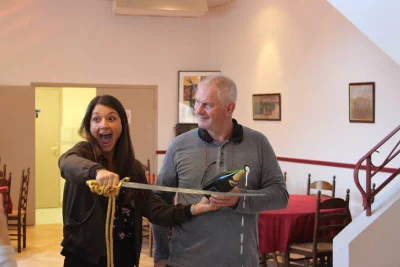
- Sabrage Initiation: Learn the art of opening a bottle with a saber. It is a theatrical tradition that dates back to the Napoleonic cavalry and adds a festive element to the tasting.
- Workshops on Dosage: Some estates allow you to taste the same wine with different sugar levels (dosage) to see how it drastically changes the flavor profile.
- Cellar Descent: Many cellars are 30 meters underground. The descent down steep stairs into the dark, cool galleries is an atmospheric experience essential to understanding the aging process.
What a food and wine tour in Champagne looks like, step by step
Your day typically begins with a pickup from your hotel or the train station. The first stop is often a visit to a producer to see the production process while the team is active. You will walk through the press centers, see the stainless steel or oak tanks, and descend into the cool, dark cellars where thousands of bottles rest on racks.
After the morning tour, the pace slows down for lunch. This is not a quick sandwich; it is a seated affair, either at a restaurant or the winery, where the wines are served in proper glassware to accompany regional dishes. The afternoon usually involves a scenic drive through the vineyards—designated as a UNESCO World Heritage landscape—with a stop at a viewpoint or a second, smaller winery for a comparative tasting. You generally return by late afternoon, around 5:00 PM or 6:00 PM.
Winery visits in Champagne, with guided pairings and storytelling
A winery visit here is technical but accessible. Your host will explain the "Méthode Champenoise" (traditional method), detailing the secondary fermentation in the bottle that creates the bubbles. You will learn about "lees aging"—the process of leaving the wine in contact with spent yeast cells to build texture and brioche-like aromas.
Tastings are structured. You rarely get a random pour; instead, you are presented with a flight that might compare a non-vintage Brut with a vintage bottle or a Rosé. The accompanying bites are designed to highlight specific notes—perhaps a comté cheese to bring out the nuttiness of an older vintage.
A meal in Champagne that goes beyond a simple stop
Lunch is the anchor of the day. In a region where the climate is cool, the food leans towards comfort and warmth. Expect dishes that utilize local produce, such as lentils from the Champagne chalklands or poultry raised in the nearby countryside.
If you choose a tour with a winery lunch, the winemaker or a sommelier will often guide you through the meal, explaining why they chose a specific cuvée for the main course. It transforms the act of eating into a masterclass on palate balance. Most inclusive lunches cover three courses: starter, main, and cheese or dessert, alongside water and coffee.
Time to breathe in Champagne, with scenic routes and village strolls
Between tastings, the landscape demands attention. The "Route Touristique du Champagne" winds through picturesque villages like Hautvillers, where Dom Pérignon is buried. These stops allow you to stretch your legs and see the architecture typical of the region—thick stone walls and steep slate roofs.
Guides often include a pause at a panoramic viewpoint, such as the vineyards above Épernay, offering a view of the Marne Valley. This downtime is crucial. It gives your palate a rest and allows you to absorb the geography that creates the wine you are drinking. We advise leaving a buffer of 30 minutes between scheduled stops to enjoy these unhurried moments.
Choose the right food and wine tour in Champagne for your pace
Selecting the right tour depends largely on your available time and your interest in wine technicalities. If you are visiting for the first time, a "Grand Tour" covering both a major house and a small grower provides the best overview. These usually last a full day (7-8 hours).
For those who prefer a more intimate experience, private tours allow you to customize the itinerary, focusing perhaps entirely on Grand Cru villages or specific grape varieties. Shared small-group tours (usually capped at 8 people) are excellent for social travelers and keep the costs reasonable while maintaining personal attention. Check the live availability on our platform; pricing is transparent, so you know exactly what is included before you book.
Short food and wine experiences in Champagne that still feel rich and complete
If you only have half a day, focus on quality over quantity. A three-hour experience can include a comprehensive visit to one historic cellar followed by a guided tasting of three to four cuvées paired with local snacks.
These shorter tours are perfect for travelers stopping in Reims on their way to other regions. They provide the essential context—the history, the production method, and the taste profile—without requiring a full day's commitment. Look for experiences that specifically mention "gourmet tasting" to ensure food is part of the package.
Food and wine weekends in Champagne for couples and friends
A weekend in Champagne allows you to split the region by style. You might spend Saturday in Reims exploring the deep Roman chalk pits and Sunday in the countryside discovering the grower movement. This pace is relaxed and celebratory.
Weekends are ideal for couples or small groups of friends. You can book a table at a nice brasserie for dinner and not worry about driving back to Paris. We recommend booking your Sunday activities well in advance, as many smaller producers close for family time, so guided tours are the best way to ensure access.
Overnight stays in Champagne that make the atmosphere part of the memory
Staying overnight changes the feel of the trip. Once the day-trippers leave, the villages become quiet and atmospheric. You can watch the sun set over the vines in total silence.
Accommodation options range from luxury hotels like the Royal Champagne to charming bed-and-breakfasts run by winemaking families. Staying at a "Chambre d'hôtes" on a vineyard often means you get a private tasting at breakfast or a walk in the vines with the owner before the day begins.
Gift a food and wine tour in Champagne that feel personal
A tour in Champagne is a prestigious gift, often associated with weddings or major milestones. It appeals to wine collectors and novices alike because the region is so iconic. When buying for someone else, consider their style: do they love big, famous brands (choose a Reims-based tour) or do they prefer artisanal, farm-to-table vibes (choose a countryside grower tour)?
Our vouchers offer flexibility, allowing the recipient to choose the exact date. This removes the pressure of scheduling while guaranteeing a high-quality, verified experience.
When to book a food and wine tour in Champagne?
Champagne is a year-round destination, but the experience shifts with the seasons. Most cellars remain open throughout the year, as the underground temperature is constant (around 10-12°C), but the vineyard landscape changes dramatically.
Booking lead times vary. For weekends in May, June, and September, we recommend booking at least a month in advance. If you are targeting specific famous houses or small prestigious growers, spots can fill up even faster. Check live availability on Winedering to secure your dates.
Harvest season in Champagne, when the region comes alive
The harvest, or "Vendange," typically happens in September, though it can shift depending on the weather. The region buzzes with energy: trucks filled with grapes rumble through villages, and the smell of fermenting juice begins to fill the air.
Visiting during harvest is exciting but requires patience. Winemakers are extremely busy, so personalized attention from the owner might be limited. However, seeing the grapes being pressed and tasting the fresh juice (moût) is a unique experience. Tours during this time often focus on the action in the vineyards and press houses.
Autumn and winter in Champagne, for deeper dishes and comforting wines
From late October, the vines turn gold and russet, creating beautiful photography opportunities. Winter brings a quiet charm, with Christmas markets in Reims adding a festive glow. The cold weather makes the damp cellars feel surprisingly welcoming.
This is the season for rich food pairings. Restaurants serve game, truffles, and hearty stews that pair wonderfully with aged, nutty Champagnes. It is a great time for serious wine lovers to visit, as the crowds are smaller and hosts often have more time to chat.
Spring and summer in Champagne, for outdoor meals and lighter pairings
Spring brings the "débourrement" (bud break), turning the hillsides bright green. Summer offers warm days perfect for electric bike tours and picnics in the vines. The days are long, allowing for extended touring hours.
In warm weather, the focus shifts to crisp Blanc de Blancs and refreshing Rosés. Be aware that August can be sleepy, as many French businesses take holidays, but the major tourism infrastructure remains fully operational. It is essential to bring a jacket for the cellars, even if it is 30°C outside.
Food and wine events in Champagne, when the calendar adds extra magic
- Saint Vincent (January): The festival of the patron saint of winemakers. Villages take turns hosting a parade with traditional costumes and shared tastings. It is a deeply local cultural moment.
- Habits de Lumière (December): Held in Épernay, this festival illuminates the Avenue de Champagne with light shows, street food, and open tasting bars from the major houses.
- La Champagne en Fête: Various weekends in summer often feature open-door events where growers organize concerts and meals in their courtyards. Check local calendars for specific dates.
Champagne: Good to know
How much does a wine tour in Champagne cost?
The average price of a wine tour in Champagne is around €403. Depending on the experience, prices range from €65 to €2,100. Booking in advance ensures availability and the best prices.
Can I do just a wine tasting instead of a full tour in Champagne?
Here are the best wine tastings to book in Champagne:
- Sabrage at Champagne Caroline Dufour in Reims
- Discovery Tasting at Champagne V&G Dupont
- Tasting & Gourmet Picnic Experience at Champagne V&G Dupont
- Exceptional Tasting Experience at Champagne Caroline Dufour in Reims
- Cheese, Blanc de Noirs & Organic Pinot Noir Tasting at Champagne Caroline Dufour in Reims
- UNESCO Gallo-Roman Cellar Tour and 1-Cuvée Tasting at Louis Balincourt
- Exclusive Champagne & Caviar Pairing at Champagne Caroline Dufour in Reims
- Agroecological Viticulture Tour & Tasting at Champagne V&G Dupont
Where do wine tours in Champagne usually depart from?
The main departure points for wine tours in Champagne:
Do wine tours in Champagne pick you up at your hotel?
30+ of these wine tours come to pick you up at the address you give, usually your hotel. You provide it when you book.
See the wine tours with pickup in Champagne
Do wine tours in Champagne have a fixed meeting point?
10+ of these wine tours start from a meeting point set by the host, shown in the experience details before you book.
See the wine tours with a meeting point in Champagne
Continue with a social account