

Weinproben und Weingüter Besichtigungen in Txakoli
Entdecke Weinproben und Weingut Besichtigungen in Txakoli, einer herausragenden Region innerhalb von Baskenland, Spanien. Mit 7 Optionen findest du Erlebnisse von 1 Stunde bis hin zu 10 Stunden, davon 5 direkt beim Weingut, zu Preisen zwischen €20 und €195. Besuche lokale Weingüter, entdecke das Terroir und genieße die Weine, die Txakoli zu einem lohnenden Ausflugsziel machen.
Über die Verkostungen auf dieser Seite hinaus findest du auch Weintouren in Txakoli: geführte Touren, die mehrere Weingüter auf einmal besuchen.

Baskenland, Biscaya, Muxika -
(Txakoli, Bizkaiko Txakolina)
1 Stunde 30 Minuten
Min 1, Max 30
Von €46.80

Baskenland, Biscaya, Muxika -
(Txakoli, Bizkaiko Txakolina)
1 Stunde 30 Minuten
Min 1, Max 30
Von €32.40

Baskenland, Biscaya, Muxika -
(Txakoli, Bizkaiko Txakolina)
2 Stunden
Min 1, Max 30
Von €97.20

Baskenland, Guipuzcoa, San Sebastián -
(Txakoli, Golf von Biskaya, Getariako Txakolina)
3 Stunden
Min 2, Max 15
Von €195
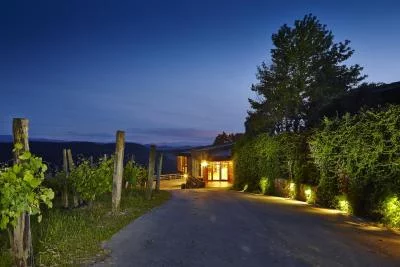
Baskenland, Biscaya, Muxika -
(Txakoli, Bizkaiko Txakolina)
1 Stunde 30 Minuten
Min 1, Max 30
Von €68.40

Baskenland, Biscaya, Bilbao -
(Rioja, Rioja Alta, Txakoli, Biskaya, Golf von Biskaya, Getariako Txakolina, Bizkaiko Txakolina)
10 Stunden
Min 2, Max 8
Von €170

Baskenland, Álava, Laudio/Llodio -
(Txakoli, Ayala-Tal)
2 Stunden 30 Minuten
Min 2, Max 12
Von €35 (Gruppenrabatt verfügbar!)
Die besten Weinproben im Txakoli-Gebiet
Stellen Sie sich eine kühle Brise vom Kantabrischen Meer vor, die auf steile, smaragdgrüne Hänge trifft, während in Ihrem Glas ein Wein perlt, der so lebendig ist wie die Landschaft selbst. Das ist Txakoli (ausgesprochen „Cha-ko-li“), der stolze Wein des Baskenlandes. Dies ist kein Ort für schwere, alkoholreiche Weine, sondern die Heimat von Frische, Säure und einer fast elektrisierenden Mineralität, die direkt vom atlantischen Klima geprägt ist. Die Weinberge erstrecken sich über knapp 1.000 Hektar, aufgeteilt in drei spezifische Herkunftsbezeichnungen (DOs), wobei Getaria die bekannteste ist. Ein Besuch hier bedeutet, tief in eine Kultur einzutauchen, in der der Wein oft aus einiger Höhe ins Glas geschenkt wird, um seine natürlichen Aromen freizusetzen („Escanciar“). Erwarten Sie bei Winedering kuratierte Erlebnisse, die authentische Begegnungen mit Winzerfamilien, schnelle Verkostungen an der Küste und tiefe Einblicke in eine der einzigartigsten Weißweinregionen Europas bieten – alles einfach und sicher buchbar.
Weinproben im Txakoli: Lokale Aromen und Meeresbrise
Ein Glas Txakoli zu verkosten, bedeutet, das Meer zu schmecken. Die sensorische Signatur ist unverwechselbar: intensive Noten von grünem Apfel, Zitrusfrüchten und wilden Kräutern, unterlegt mit einer salzigen Mineralität und oft einem leichten, natürlichen Prickeln auf der Zunge. Dieses Profil ist das direkte Ergebnis des Terroirs; die Reben wachsen oft auf pergolagestützten Systemen direkt an den Klippen, wo sie dem Wind und dem häufigen Regen des Atlantiks ausgesetzt sind. Bei einer typischen Verkostung probieren Sie 3 bis 4 Weine, meist beginnend mit dem klassischen Jahrgang, gefolgt von Einzellagen oder modernen Interpretationen, die länger auf der Hefe gereift sind. Achten Sie auf die schneidende Säure, die den Gaumen reinigt, und die feine Textur. Die meisten Besuche dauern etwa 90 Minuten und werden oft auf Englisch oder Spanisch angeboten, ideal sowohl für Einsteiger als auch für Kenner, die diesen Nischenwein verstehen wollen.
Große Klassiker und ikonische Weine des Txakoli, die man nicht verpassen darf
Der unbestrittene König dieser Region ist der Txakoli aus der DO Getariako Txakolina. Er wird traditionell aus der einheimischen Rebsorte Hondarribi Zuri gewonnen und zeichnet sich durch einen niedrigen Alkoholgehalt (meist zwischen 10,5 % und 11,5 %) sowie eine leichte Kohlensäure aus, die beim Einschenken entsteht. Es ist wichtig zu wissen, dass die Region in drei offizielle DOs unterteilt ist: Getariako, Bizkaiko und Arabako, wobei jede ihre eigenen Nuancen in Bezug auf Boden und Mikroklima mitbringt. Im Glas erwartet Sie eine blassgelbe Farbe mit grünlichen Reflexen, eine knackige Struktur und ein trockener, fast salziger Abgang. Die besten Möglichkeiten, diese Klassiker zu verstehen, bieten vergleichende Verkostungen, bei denen Sie den Unterschied zwischen dem traditionellen, spritzigen Stil und den neueren, stilleren und komplexeren Weinen aus der DO Bizkaiko schmecken können. Nutzen Sie diese Gelegenheit, um echte baskische Ikonen zu entdecken.
Txakoli-Weinprobenkarte: Planen Sie Ihre Tour mit wenigen Klicks
Das Baskenland lässt sich hervorragend in Clustern erkunden, da die Entfernungen zwischen den Weingütern oft kurz sind, besonders rund um die Küstenstädte Zarautz und Getaria. Ein guter Ausgangspunkt ist San Sebastián, von wo aus Sie die Weinregion in weniger als 30 Minuten erreichen.
- Halbtagestour: Besuchen Sie 1 bis 2 Weingüter in der Nähe von Getaria, inklusive eines Spaziergangs durch die Weinberge mit Meerblick.
- Ganztagestour: Kombinieren Sie 2 bis 3 Verkostungen mit einem Mittagessen in einem traditionellen Grillrestaurant (Asador) am Hafen.
- Wochenendtour: Erkunden Sie alle drei DOs, von der Küste bis ins Landesinnere von Álava, mit Übernachtungen in ländlichen Weinhotels.
- Nutzen Sie unsere Karte, um Verfügbarkeiten in Echtzeit zu prüfen und Ihre Verkostung direkt zu buchen.
Weingutstouren im Txakoli: Ein Erlebnis von der Rebe bis ins Glas
Eine Tour durch ein Txakoli-Weingut ist ein haptisches Erlebnis. Sie stehen oft unter hohen Pergolen, die so angelegt sind, um die Trauben vor der Bodenfeuchtigkeit zu schützen und die Meeresbrise durchzulassen. In den Kellern dominiert moderner Edelstahl, da die Temperaturkontrolle entscheidend ist, um die flüchtigen Aromen und die natürliche Kohlensäure zu bewahren. Sie lernen, warum die malolaktische Gärung hier meist verhindert wird, um die charakteristische Säure zu erhalten. Ein interessantes Detail für Technikinteressierte: Die Böden hier sind oft reich an Ton und Kalkstein, was eine hervorragende Drainage in diesem regenreichen Gebiet (über 1.000 mm Niederschlag pro Jahr) erfordert. Egal ob Sie nur einen schnellen Überblick oder ein tiefes technisches Verständnis suchen, die Touren bieten für jedes Level den passenden Einstieg.
Die besten Weingüter und Winzer im Txakoli, die man besuchen sollte
Wir definieren die „besten“ Produzenten nicht nur nach Bewertungen, sondern nach ihrer Fähigkeit, die Identität des Baskenlandes zu vermitteln. Die Liste reicht von historischen Familienbetrieben, die seit Generationen in Getaria ansässig sind, bis hin zu innovativen Boutiqueweingütern in Bizkaia, die mit Eichenfässern und alten Reben experimentieren. Achten Sie auf Erzeuger, die Weine aus Einzellagen (Finca-Weine) anbieten oder die seltene rote Variante, den „Txakoli Gorri“ aus der Rebsorte Hondarribi Beltza, produzieren. In der DO Getariako finden Sie die höchste Dichte an Weingütern, oft mit direktem Blick auf den Atlantik. Sichern Sie sich Ihren Platz direkt online, da viele dieser kleinen Betriebe nur begrenzte Kapazitäten haben.
Weinerlebnis Txakoli: Es lohnt sich, es zu teilen
Es gibt kaum etwas Schöneres, als an einem Holztisch mit Blick auf den Golf von Biskaya zu sitzen, ein Glas kühlen Txakoli in der Hand und einen Teller mit lokalen Anchovis vor sich. Diese Momente der Ruhe und des Genusses sind der Kern unserer Erlebnisse. Wir bieten mehr als nur Weinproben; es geht um das Eintauchen in den baskischen Lebensstil. Dank transparenter Preise, verifizierter Bewertungen und flexibler Stornierungsbedingungen können Sie sich ganz auf die Vorfreude konzentrieren. Wählen Sie Ihr Format – ob kurze Einkehr oder ausgedehnter Besuch – und buchen Sie Ihr Erlebnis in wenigen Minuten.
Txakoli-Verkostungen mit lokalen Menüs sowie Mittag- oder Abendessen im Weingut
Die baskische Küche ist weltberühmt und untrennbar mit dem lokalen Wein verbunden. Bei Verkostungen mit Menü erwarten Sie:
- Lokale Produkte: Frisches Brot, Idiazabal-Käse (geräucherter Schafskäse) und die berühmten Anchovis aus Kantabrien.
- Authentische Menüs: Viele Weingüter bieten komplette Mahlzeiten an, oft mit gegrilltem Fisch (Besugo oder Rodaballo) als Hauptgericht.
- Die Logik der Paarung: Die hohe Säure und das leichte Prickeln des Txakoli schneiden perfekt durch das Fett von Fisch und Olivenöl und reinigen den Gaumen.
- Praktisches: Planen Sie für ein Mittagessen auf dem Weingut etwa 3 bis 4 Stunden ein. Bitte informieren Sie die Gastgeber vorab über diätetische Anforderungen.
- Prüfen Sie die Menüoptionen in unseren Angeboten und reservieren Sie besonders in der Sommersaison frühzeitig.
Picknicks in den Weinbergen und Aperitifs bei Sonnenuntergang im Txakoli
Wenn die Sonne tief über dem Atlantik steht und die Weinberge in goldenes Licht taucht, ist die Atmosphäre im Baskenland magisch. Unsere Picknick-Pakete beinhalten in der Regel einen Korb mit regionalen Spezialitäten und einer gekühlten Flasche Txakoli, den Sie inmitten der Reben genießen können. Diese Erlebnisse sind meist von Mai bis September verfügbar, wenn das Wetter stabiler ist. Es ist die entspannteste Art, die Region zu erleben, ohne auf feste Zeitpläne einer Führung angewiesen zu sein. Buchen Sie Ihren Slot für den Sonnenuntergang im Voraus, da die Plätze mit Meerblick begehrt sind.
Geführte Verkostungserlebnisse im Txakoli: Weingüter, Wanderungen und Wochenendausflüge
Für Reisende, die tiefer blicken wollen, bietet das „Slow Travel“-Konzept die perfekte Herangehensweise. Kombinieren Sie eine Wanderung auf einem Teilstück des Jakobswegs (Camino del Norte), der direkt durch die Weinberge führt, mit einer verdienten Verkostung am Ziel. Geführte Tagesausflüge ermöglichen es Ihnen, verschiedene Unterzonen zu vergleichen, beispielsweise den mineralischen Stil von der Küste gegen den strukturierteren Stil aus dem Landesinneren. Diese Touren beinhalten oft strukturierte Verkostungen, die Ihren Gaumen auf Nuancen wie Säuregrad und Hefeeinfluss schulen. Fragen Sie nach vertikalen Verkostungen, um das Reifepotenzial dieser unterschätzten Weißweine zu entdecken.
Txakoli-Weinproben für Paare und Erlebnisse für die ganze Familie
Das Baskenland ist ein gastfreundliches Ziel für alle Reisenden. Paare finden hier intime Momente auf privaten Terrassen oder bei exklusiven Premium-Verkostungen mit alten Jahrgängen. Doch auch Familien sind willkommen: Viele Weingüter sind kinderfreundlich und bieten weitläufige Gärten, Traubensaft-Verkostungen für die Kleinen oder kleine Bauernhöfe. Ein Besuch dauert in der Regel zwischen 60 und 90 Minuten und die Wege sind meist gut begehbar. Nutzen Sie die Filteroptionen, um kinderfreundliche oder private Erlebnisse zu finden und buchen Sie Ihre bevorzugte Zeit.
Gutscheine, Pakete und Weinproben zum Verschenken im Txakoli
Einen Besuch im Txakoli-Gebiet zu verschenken, bedeutet, Erinnerungen an grüne Hügel und das Meer zu schenken. Unsere Gutscheine sind flexibel einlösbar und bieten kuratierte Erlebnisse, vom einfachen Einstieg für Neugierige bis hin zu exklusiven Food-Pairings für Gourmets. Die Gutscheine haben eine lange Gültigkeitsdauer und bieten bei Bedarf einfache Umbuchungsmöglichkeiten. Der „Wähle später“-Gutschein ist dabei die sicherste Option, um dem Beschenkten die volle Freiheit bei der Termin- und Weingutswahl zu lassen.
Jenseits von Txakoli: Weitere Verkostungen in der Nähe
Wenn Sie Ihre Reise verlängern möchten, liegt eine der berühmtesten Weinregionen der Welt nur eine kurze Autofahrt entfernt. Südlich der kantabrischen Berge ändert sich die Landschaft dramatisch. Innerhalb von etwa 90 Minuten erreichen Sie die Rioja Alavesa. Hier tauschen Sie grüne Küstenhügel gegen trockenere, sonnenverwöhnte Plateaus und frische Weißweine gegen kräftige Tempranillo-Rotweine. Es lohnt sich, diese Kontraste in einer Reise zu verbinden. Entdecken Sie unsere Angebote in der Nähe und bauen Sie sich eine Route voller Vielfalt.
Überraschende Weinerlebnisse in den Provinzen und Städten rund um Txakoli
Auch innerhalb des Txakoli-Gebiets gibt es spannende Unterschiede zu entdecken. Während Getaria (Gipuzkoa) für den klassischen Stil bekannt ist, bietet die Provinz Bizkaia rund um Bilbao oft komplexere, stillere Weine, die auf Lehmböden wachsen. Oder wagen Sie sich ins Landesinnere nach Álava (Arabako Txakoli), wo das Klima kontinentaler ist und die Weine oft mehr Körper haben. Suchen Sie gezielt nach kleinen Boutique-Weingütern in diesen Subzonen, um die ganze Bandbreite der Rebsorte Hondarribi Zuri zu verstehen. Fügen Sie eine Verkostung abseits der Hauptroute hinzu, um Ihren Horizont zu erweitern.
Txakoli Wein-Highlights
Bevor Sie buchen, hier das Wichtigste in Kürze: Txakoli ist ein Wein, der vom Atlantik definiert wird. Die Region umfasst etwa 1.000 Hektar Rebfläche und ist in drei DOs unterteilt. Das Klima ist maritim, mild und feucht, was zu einer hohen natürlichen Säure in den Trauben führt. Der Begriff „Terroir“ ist hier wörtlich zu nehmen – Sie schmecken den Boden und das Meer. Wichtige Begriffe sind „Hondarribi Zuri“ (die Haupttraube) und „Tximeleta“ (das leichte Prickeln oder die „Schmetterlings“-Kohlensäure).
Txakoli-Rebsorten: Erbe, Boden und Tradition
Die Seele des Txakoli liegt in seinen einheimischen Trauben, die perfekt an das feuchte Klima angepasst sind.
- Hondarribi Zuri: Die weiße Hauptsorte, die über 90 % der Anpflanzungen ausmacht. Sie liefert Zitrusaromen, blumige Noten und die typische knackige Säure.
- Hondarribi Beltza: Die seltene rote Schwester. Sie ergibt hellrote, rustikale Weine mit Aromen von grüner Paprika und roten Beeren.
- Internationale Partner: In kleinen Mengen sind Riesling oder Chardonnay zugelassen, spielen aber meist eine untergeordnete Rolle in Blends.
- Die Reben wachsen bevorzugt an Südhängen, um maximale Sonne einzufangen, oft auf kalkhaltigen Lehmböden.
- Nutzen Sie unseren Rebsorten-Guide, um Verkostungen zu finden, die sich auf diese autochthonen Spezialitäten konzentrieren.
Die charakteristischen Weine des Txakoli und Labels, die man kennen sollte
Wenn Sie die Weinkarte studieren, sollten Sie nach bestimmten Stilen Ausschau halten. Der Traditionelle Getaria-Stil ist jung, spritzig und muss kalt getrunken werden. Der Moderne Bizkaia-Stil ist oft still, reifer und komplexer durch Hefelagerung (Sur Lie). Es gibt auch Spätlesen (Vendimia Tardía), die eine seltene Süße und Fülle zeigen. Ein besonderes Highlight für Kenner sind die „Txakoli Rosado“-Weine, eine Mischung aus roten und weißen Trauben, die frisch und fruchtig sind. Verkostungen bieten oft den direkten Vergleich dieser Stile. Halten Sie in unseren Listen Ausschau nach diesen Begriffen und buchen Sie das passende Erlebnis.
Essen und Wein im Txakoli, die perfekte Kombination
Im Baskenland ist Wein ohne Essen fast undenkbar. Die Tische biegen sich unter lokalen Köstlichkeiten, die durch die Frische des Weines erst richtig zur Geltung kommen. Die salzige Note des Weines harmoniert perfekt mit Meeresfrüchten, während die Säure fettreiche Speisen ausbalanciert. Achten Sie auf Produkte mit dem Eusko Label, das für geprüfte baskische Qualität steht. Wählen Sie eine Verkostung mit Essensbegleitung, um dieses Zusammenspiel authentisch zu erleben.
Kulinarische Touren im Txakoli, um die Region über das Glas hinaus zu schmecken
Eine Food-Tour im Txakoli-Gebiet ist eine Reise für die Sinne. Diese Touren beinhalten oft Besuche auf lokalen Märkten, gefolgt von Kochkursen oder einem Mittagessen in einem txoko (einem traditionellen gastronomischen Verein) oder einem Weingut. Sie dauern meist einen halben oder ganzen Tag und beinhalten den Transport, sodass Sie sich entspannt zurücklehnen können. Der Wert liegt im Kontext: Ein Guide erklärt Ihnen nicht nur, was Sie essen, sondern warum diese Zutaten genau hier wachsen und wie sie mit dem Wein interagieren.
Txakoli-Weine und lokale Gerichte mit Kombinationen, die Sie probieren müssen
Hier sind einige Paarungen, die Sie vor Ort unbedingt testen sollten:
- Getariako Txakoli & Salzige Anchovis (Anchoas): Die Salzigkeit des Fisches und die Mineralität des Weines verstärken sich gegenseitig zu einer Geschmacksexplosion.
- Txakoli Sur Lie & Gegrillter Steinbutt (Rodaballo): Die reichhaltigere Textur eines hefegelagerten Weines hält dem fettreichen, rauchigen Fisch stand.
- Txakoli Rosado & Thunfisch-Pintxo (Bonito): Die rote Frucht des Rosé passt hervorragend zum kräftigen Geschmack des nordspanischen Thunfischs.
- Klassischer Txakoli & Gilda: Der berühmte Pintxo aus Olive, Peperoni und Anchovis braucht die Säure des Weines als Gegenpol zur Schärfe und zum Essig.
- Suchen Sie nach Verkostungen mit „lokalem Menü“, um diese Kombinationen direkt beim Erzeuger zu probieren.
Gestalten Sie es individuell: Planen Sie Ihren Kurzurlaub im Txakoli
Ein Ausflug in das Txakoli-Gebiet lässt sich wunderbar fließend gestalten. Beginnen Sie den Tag mit einem Spaziergang am Meer, besuchen Sie am späten Vormittag ein Weingut, genießen Sie ein langes Mittagessen und lassen Sie den Tag in einer der Küstenstädte ausklingen. Die besten Ausgangspunkte sind San Sebastián oder Bilbao. Realistisch sind zwei Weingutsbesuche pro Tag, wenn Sie die Landschaft und das Essen wirklich genießen wollen. Nutzen Sie unsere Karte, um Ihre Route festzulegen und buchen Sie Ihre Termine im Voraus.
Unternehmungen rund um Txakoli, die Ihre Reise noch unvergesslicher machen
Ergänzen Sie Ihren Weinurlaub mit Aktivitäten, die den Charakter der Region widerspiegeln:
- Besuchen Sie das Balenciaga-Museum in Getaria.
- Wandern Sie zum „Flysch“ von Zumaia, einer spektakulären geologischen Felsformation an der Küste.
- Entspannen Sie am Strand von Zarautz, einem Hotspot für Surfer.
- Erkunden Sie die Altstadt (Parte Vieja) von San Sebastián für eine abendliche Pintxo-Tour.
- Fahren Sie mit der Standseilbahn auf den Monte Igueldo für den besten Blick über die Bucht.
- Kombinieren Sie eine dieser Aktivitäten mit einer Weinprobe für einen perfekten Tag.
Malerische Dörfer, Sehenswürdigkeiten und Orte rund um Txakoli
Die Region ist gespickt mit charmanten Orten. Getaria ist ein Muss – ein mittelalterliches Fischerdorf, das von Weinbergen umgeben ist und als Geburtsort des Entdeckers Elkano bekannt ist. Hondarribia besticht durch seine bunten Fischerhäuser und die historische Festungsmauer. Zarautz bietet eine elegante Promenade und eine lebendige Atmosphäre. Die meisten Orte sind UNESCO-geschützte Kulturlandschaften oder liegen in unmittelbarer Nähe dazu. Fügen Sie einen Stopp in einem dieser Dörfer zwischen zwei Verkostungen ein, um den Tag aufzulockern.
Planen Sie eine Reise ins Txakoli? Hier ist die beste Reisezeit
Das Baskenland ist grün, weil es regnet – das sollten Sie bei der Planung bedenken.
- Frühling (April-Mai): Die Reben treiben aus, alles ist frisch und grün. Das Wetter kann wechselhaft sein.
- Sommer (Juni-September): Die beste Zeit für Besuche. Warme Tage, mildes Meer und geringeres Regenrisiko. Perfekt für Picknicks.
- Herbst (September-Oktober): Die Erntezeit (Vendimia). Die Energie in den Weingütern ist hoch, aber buchen Sie weit im Voraus.
- Winter: Viele Weingüter haben geöffnet, es ist ruhig und gemütlich, ideal für rote Txakoli und herzhaftes Essen.
- Prüfen Sie die Live-Verfügbarkeit auf Winedering und sichern Sie sich Ihren Platz.
Weinfeste und Veranstaltungen in und um Txakoli, die Sie nicht verpassen sollten
Wenn Sie lokale Traditionen lieben, planen Sie Ihre Reise um diese Events:
- Txakoli Tag (Txakoli Eguna): Findet im Januar in Getaria statt, um den neuen Jahrgang zu feiern. Ein Volksfest mit viel Wein und Grillgerichten.
- San Prudencio (April): Großes Fest in Álava mit starkem Fokus auf regionale Produkte.
- Santo Tomas (Dezember): Ein riesiger Markt in San Sebastián und Bilbao, wo Txakoli und Chistorra (Wurst) in Strömen fließen.
- Beachten Sie, dass zu diesen Zeiten Unterkünfte und Transportmittel stark nachgefragt sind.
Txakoli: Gut zu wissen
Welche Besichtigung in Txakoli?
Das im nordspanischen Baskenland gelegene Txakoli (sprich: cha-ko-lee) ist ein einzigartiges Weinreiseziel, das Besuchern ein authentisches kulturelles Erlebnis bietet. Die Geschichte der Region reicht bis in die Zeit der Römer zurück, und überall finden sich Hinweise auf Weinberge und Weinproduktion. Die Weingüter in Txakoli sind bekannt für ihre frischen und erfrischenden Weißweine, die aus der lokalen Rebsorte Hondarrabi Zuri hergestellt werden. In diesem Artikel gehen wir auf Weintouren und Weinproben, die traditionelle Küche, die Weintrauben, die Saisonalität und die Reisevorschläge ein, die Txakoli zu einem Muss für Weinliebhaber und Feinschmecker machen.
Der Weintourismus in Txakoli bietet Besuchern die Möglichkeit, traditionelle Weingüter und Weinberge zu erkunden und die lokale Kultur zu erleben. Viele Weingüter bieten Führungen und Weinproben an, bei denen die Besucher etwas über den Weinherstellungsprozess erfahren und verschiedene Txakoli-Sorten probieren können. Die Txakoli-Route, eine beliebte Weintour, führt die Besucher durch die Weinberge von Getaria, Zarautz und Aia, wo sie Weingüter besuchen und lokale Produkte probieren können. Besucher können auch an kulturellen Veranstaltungen und Festen teilnehmen, wie dem San Prudencio Festival, bei dem Txakoli mit Essen und Musik gefeiert wird.
Was sollte man in Txakoli probieren?
Der einzigartige Wein von Txakoli passt perfekt zur lokalen Küche der Region, die stark von der baskischen Kultur beeinflusst ist. Meeresfrüchte sind ein Grundnahrungsmittel, und Gerichte wie Marmitako (ein Thunfischeintopf), gegrillter Tintenfisch und Bacalao (gesalzener Kabeljau) sind eine beliebte Wahl. Auch Pintxos, die baskische Version der Tapas, solltest du unbedingt probieren. Diese kleinen Teller gibt es in Bars in der ganzen Region und enthalten oft lokale Zutaten wie Sardellen, Idiazabal-Käse und Schinken.
Welche Weine kann man in Txakoli probieren?
Bei Weinproben erfährt man, dass Hondarrabi Zuri die wichtigste Rebsorte in Txakoli ist und bis zu 95 % der Weinberge der Region ausmacht. Sie ist eine säurehaltige Rebsorte, die leichte, knackige Weine mit Noten von Zitrusfrüchten und grünem Apfel hervorbringt. Hondarrabi Beltza, eine rote Rebsorte, wird ebenfalls in der Region angebaut und von den Weingütern zur Herstellung von Txakoli-Rosé verwendet.
Welche ist die beste Jahreszeit, um Txakoli zu besuchen?
Die beste Zeit für einen Besuch in Txakoli ist in den Sommermonaten, von Juni bis September. In dieser Zeit ist das Wetter am wärmsten, die Weinberge stehen in voller Blüte und die Weingüter laden zu Weintouren und Weinproben ein. Besucher können auch an den vielen kulturellen Veranstaltungen und Festivals teilnehmen, die in dieser Zeit stattfinden, wie das San Fermin Festival in Pamplona und das Aste Nagusia Festival in Bilbao.
Was kann man in Txakoli tun?
Neben dem Besuch von Weingütern können Besucher von Txakoli auch die vielen Sehenswürdigkeiten der Region erkunden. Die historische Stadt San Sebastian, die für ihre schönen Strände, ihr köstliches Essen und ihre kulturellen Veranstaltungen bekannt ist, ist ein Muss. Das Baskische Museum und Kulturzentrum in Bilbao bietet Besuchern einen Einblick in die baskische Kultur und Geschichte. Das Guggenheim Museum Bilbao, das von dem berühmten Architekten Frank Gehry entworfen wurde, ist ebenfalls eine beliebte Touristenattraktion.
Zusammenfassend lässt sich sagen, dass Txakoli ein einzigartiges und authentisches Weinreiseziel ist, das Besuchern die Möglichkeit bietet, die baskische Kultur und Küche zu erleben. Von Weintouren und Weinproben bis hin zu kulturellen Veranstaltungen und Festivals - in dieser schönen Region in Nordspanien ist für jeden etwas dabei.
Wie viel kostet eine Weinprobe mit Weingutstour auf Txakoli?
Der Durchschnittspreis für eine Weinprobe mit Weingut-Besichtigung in Txakoli liegt bei etwa €95. Je nach Erlebnis reichen die Preise von €20 bis €195. Eine Buchung im Voraus sichert die Verfügbarkeit und die besten Preise.
Welche Weingüter für einen Besuch in Txakoli?
Hier sind die besten Weingut Besichtigungen in Txakoli:
Siehe alle Weingut Besichtigungen in Txakoli
Gibt es geführte Weintouren in Txakoli?
Ja — 36 Weintour-Erlebnisse sind in Txakoli verfügbar. Alle ansehen Weintouren in Txakoli.
Wo findet man Weinproben zum Schenken in Txakoli?
Eine Weinprobe in Txakoli zu schenken ist ganz einfach mit den Weinerlebnis-Gutscheinen von Winedering. Du kannst aus ausgewählten Verkostungen in der Region wählen und erhältst sofort einen PDF-Gutschein, den du ausdrucken oder später weitergeben kannst. Das ist ein durchdachtes Geschenk, ideal für Geburtstage oder andere besondere Anlässe.
Jetzt schenken!
Weiter mit einem Social-Media