

Wine Tastings, Winery Visits and Wine Tours in Karst
Explore wine tastings and winery visits in Karst, a standout area within Friuli Venezia Giulia, Italy. With 17 options available, 13 of them at the winery itself, you'll find experiences from 30 minutes up to 8 hours, priced between €10 and €605. Visit local wineries, discover the terroir, and savor the wines that make Karst worth the trip.
If you are looking for a wine tour, with cellar visits and tastings at one or more wineries, this page also lists 3 wine tours, departing mainly from Venice.

Obcina Ajdovscina -
(Karst, Primorska, Vipava Valley)
2 Hours
Min 2, Max 50
From €45 (Groups Discount Available!)

Obcina Sezana -
(Karst, Primorska, Slovene Karst)
1 Hour 15 Minutes
Min 1, Max 40
From €25
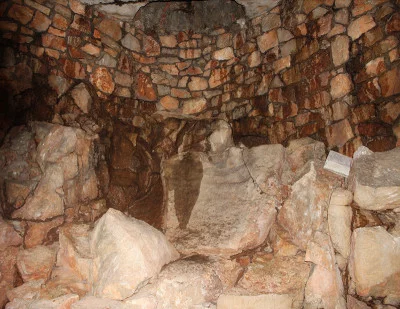
Friuli Venezia Giulia, Trieste, Sgonico -
(Karst)
1 Hour 30 Minutes
Min 2, Max 25
From €30
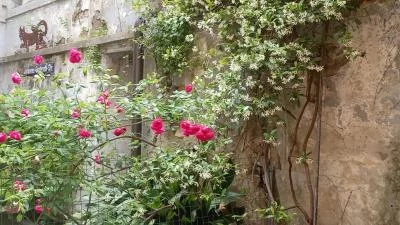
Friuli Venezia Giulia, Trieste, Trieste -
(Karst)
2 Hours
Min 1, Max 32
From €20 (Groups Discount Available!)

Ljubljana -
(Karst, Primorska, Vipava Valley)
5 Hours
Min 1, Max 16
From €150

Obcina Sezana -
(Karst, Primorska, Slovene Karst)
1 Hour
Min 2, Max 15
From €50
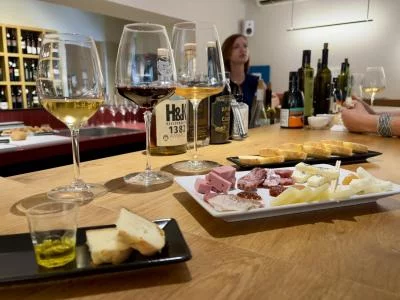
Friuli Venezia Giulia, Trieste, Trieste -
(Karst)
1 Hour
Min 1, Max 10
From €32

Veneto, Venice, Venice City -
(Collio, Karst, Colli Orientali, Friuli Grave, Friuli Isonzo, Piave, Venice)
8 Hours
Min 2, Max 8
From €605

Friuli Venezia Giulia, Trieste, Sgonico -
(Karst)
2 Hours
Min 4, Max 30
From €20

Friuli Venezia Giulia, Trieste, Sgonico -
(Karst)
1 Hour 30 Minutes
Min 4, Max 30
From €68 (Groups Discount Available!)
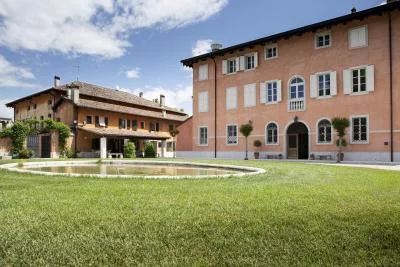
Friuli Venezia Giulia, Udine, Cervignano del Friuli -
(Karst)
30 Minutes
Min 2, Max 30
From €10

Friuli Venezia Giulia, Gorizia, Cormons -
(Collio, Karst, Friuli Isonzo)
1 Hour 15 Minutes
Min 2, Max Not Specified
From €42
The best wine tastings in Karst
The Karst plateau (Carso) offers a wine experience unlike any other in Italy—a rugged, wind-swept landscape of white limestone and red earth that produces wines of startling intensity and grace. Located just above the city of Trieste, overlooking the Adriatic Sea, this cross-border region is home to the Carso DOC appellation, where viticulture is often heroic and deeply artisanal. Tastings here are intimate and authentic, often hosted directly by the winemakers in cellars carved into the living rock. Whether you are seeking a quick introduction to the indigenous Vitovska grape or a deep dive into the amber hues of macerated "orange" wines, our curated selection connects you with producers who define this unique terroir. Expect sharp salinity, vibrant acidity, and a warm, rustic welcome.
Wine tastings in Karst, among local flavors and aromas
A tasting in the Karst appeals directly to the senses, characterized by the scent of wild thyme, savory herbs, and the salty tang of the sea breeze carried by the powerful Bora wind. The terroir here is extreme: vines struggle through iron-rich red soil (Terra Rossa) sitting atop solid limestone, creating wines with a distinct mineral backbone and moderate alcohol. A typical flight introduces you to the region's holy trinity: the floral and saline Vitovska, the aromatic Malvasia Istriana, and the intense, ruby-red Terrano. You will learn to identify the sharp, refreshing acidity that defines these wines and the grippy texture found in the skin-contact whites. Most visits last between 60 and 90 minutes, often available in English, Italian, and Slovenian, making them accessible to both casual drinkers and serious collectors.
Great classics and iconic wines of Karst, tastings you can't miss
To understand this region, you must taste its indigenous champions under the Carso DOC regulations. The star is Vitovska, an ancient white grape variety that yields wines with notes of almond, stone fruit, and wet rock, often bottled as a fresh steel-aged wine or a complex, skin-macerated reserve. The red counterpart is Terrano, a member of the Refosco family, known for its deep violet color, high acidity, and distinctive iron-like finish derived from the red soil. Production here is limited and boutique; many wineries farm less than 10 hectares, ensuring meticulous attention to detail. Expect comparative tastings that showcase how these grapes evolve, from crisp, youthful vintages to structured wines aged in large oak barrels or stone vessels. These experiences are essential for understanding the "sour and savory" profile that makes Karst wines famous.
Karst wine tasting map: plan your tour in a couple of clicks
Exploring the Karst plateau is best done by car, allowing you to navigate the scenic roads that wind between dry-stone walls and sinkholes.
- Planning your route: The region is compact, situated primarily between Trieste and the Slovenian border. A driving loop takes less than 40 minutes end-to-end.
- Half-day tour: Visit two wineries near the village of Sgonico or Prepotto for a focused look at the distinct microclimates.
- Full-day itinerary: Combine three tastings with a traditional lunch at an "Osmiza" (a local farm pop-up) or a trattoria in Duino.
- Weekend escape: Stay in a renovated stone farmhouse and visit 4-5 producers, mixing large historic estates with small artisanal cellars.
Use our interactive map to filter wineries by real-time availability and book your tastings instantly.
Winery tours in Karst, a complete experience from grape to glass
Stepping into a Karst winery feels like entering the earth itself. Many cellars are natural caves or spaces hewn directly into the limestone bedrock, maintaining a constant natural humidity and cool temperature year-round. A full tour typically begins with a walk through the vineyards, where you can see the distinctive "alberello" (bush vine) training or guyot systems protecting grapes from the fierce winds. Inside, you will encounter a mix of modern stainless steel and traditional large oak casks, along with clay amphorae used by producers dedicated to natural winemaking. You will learn about "orange wine" production—where white grapes ferment on their skins for days or months—adding texture and complexity. These tours offer a tactile understanding of how the harsh landscape is transformed into elegant wine, suited for anyone curious about sustainable and low-intervention agriculture.
The best wineries and wine producers in Karst to visit
We define the "best" producers in Karst not by their size, but by their fidelity to the terroir and their hospitality. The list ranges from pioneering legends who revived the Vitovska grape to young, experimental winemakers pushing the boundaries of organic and biodynamic farming. Look for estates that bottle single-vineyard crus, highlighting the subtle differences in altitude and soil depth across the plateau. Many of these producers are family-run, meaning your guide is often the person who pruned the vines and bottled the wine. Whether you seek iconic labels recognized globally or hidden gems known only to locals, you can check availability and book your visit directly through Winedering.
Wine experience Karst: worth doing, worth sharing
A wine experience here is about slowing down and connecting with a borderland culture where Italian, Slovenian, and Austrian influences merge. Beyond the glass, these moments are defined by shared wooden tables, views of the Gulf of Trieste, and the sound of the wind in the pines. We prioritize transparency and trust: all experiences feature clear pricing, verified user reviews, and flexible cancellation policies. Whether you are looking for a quick stop during a trip to Trieste or a dedicated wine holiday, you can secure your spot in minutes.
Karst tastings with local menus, plus lunch or dinner at the winery
The food of the Karst is robust and flavorful, designed to stand up to the region's structured wines. A tasting with a local menu is the most authentic way to experience this harmony.
- The setting: Rustic stone tasting rooms or outdoor terraces under vine pergolas.
- Local menu: Expect platters of Karst Prosciutto (cured in the Bora wind), local cheeses like Tabor or Jamar (cave-aged), and hard-boiled eggs with sea salt.
- Pairing logic: The high acidity of Terrano cuts perfectly through fatty cured meats, while the savory notes of Vitovska complement herbal frittatas and local cheeses.
- Practical details: These experiences usually last 2 hours and often replace a full meal. Vegetarian options are generally available upon request.
Vineyard picnics and sunset aperitifs in Karst
As the sun sets over the Adriatic, the white limestone of the Karst glows with a golden hue, creating a magical atmosphere for outdoor tastings. Vineyard picnics here are simple but evocative, often involving a basket of local bread, cheese, and a chilled bottle of Vitovska enjoyed directly among the vine rows. The best time for these experiences is from late May to September, when the evenings are warm but refreshed by the constant breeze. These slots are limited and highly sought after, so we recommend booking well in advance to secure the best viewpoints.
Guided tasting experiences in Karst: wineries, hikes, and weekend getaways with an overnight stay
For those who prefer a slower pace, the Karst is ideal for combining wine with nature. The Rilke Trail and other scenic paths offer hiking opportunities that lead directly to winery doorsteps. Guided experiences can include multi-winery days where you compare the stylistic differences between the cooler inland zones and the warmer coastal plots. Serious enthusiasts can find vertical tastings, exploring how the high-acid whites of the region age gracefully over a decade or more. Weekend packages often include stays in "agriturismo" accommodations, allowing you to wake up to the silence of the plateau and enjoy a breakfast of local products before your first tasting.
Karst wine tastings with moments for couples and experiences for the whole family
The Karst welcomes all travelers, offering spaces that range from romantic hideaways to family-friendly farms. Couples can enjoy private tastings in secluded corners of historic cellars or sunset toasts overlooking the sea. For families, many "agriturismo" wineries offer wide green spaces, farm animals, and non-alcoholic options like elderflower syrup or grape juice for children. Most experiences are ground-floor accessible, though cellar tours may involve stairs. When booking, look for the "family-friendly" tag to ensure a relaxed environment for everyone.
Vouchers, bundles, and wine tastings to gift in Karst
Gifting a wine experience in the Karst is a gesture of sharing a hidden gem. Our vouchers are perfect for wine lovers who appreciate unique, native varieties and authentic settings. You can choose specific bundles—like a "Terrano & Prosciutto" tasting—or opt for an open-value voucher that allows the recipient to choose their preferred date and winery. All vouchers come with a long validity period and instant digital delivery, making them a stress-free and thoughtful gift.
Beyond Karst: more tastings to try nearby
If you have an extra half-day, the Karst serves as a perfect gateway to other world-class wine regions. Just a short drive away, the landscape shifts dramatically from limestone plateau to rolling marl hills.
Surprising wine experiences among provinces and towns around Karst
To the northwest lies the Collio and the Colli Orientali del Friuli, famous for their "Ponca" (marl and sandstone) soils and structured white wines like Friulano and Ribolla Gialla. Visiting these areas offers a fascinating comparison: while Karst wines are vertical, mineral, and tense, Collio wines tend to be richer and fruitier. Alternatively, drop down to the Isonzo valley for distinct Sauvignon Blancs and Merlots. These areas are reachable within 30 to 45 minutes, allowing you to build a diverse itinerary contrasting rock, hill, and valley terroirs.
Karst wine highlights
Before you book, here is what makes this region technically unique. The Karst is a limestone plateau characterized by *doline* (sinkholes) and underground rivers. The vineyard area is small, with roughly 600 hectares under vine on the Italian side. The defining climate factor is the *Bora* wind, which can exceed 100 km/h, keeping the vines dry and disease-free, reducing the need for chemical treatments. This, combined with the significant diurnal temperature range (hot days, cool nights), preserves the razor-sharp acidity that is the hallmark of all Karst wines.
Karst grape varieties: heritage, soil, and tradition
The region is fiercely loyal to its native grapes, which have adapted to the thin, rocky soils over centuries.
- Vitovska: The queen of the Karst. A natural cross between Prosecco Tondo and Malvasia Bianca Lunga. It produces elegant, floral wines with hints of sage and a saline finish. It loves the limestone rock.
- Terrano: A member of the Refosco family growing specifically on the iron-rich red soil (*terra rossa*). It is known for high lactic acidity, moderate alcohol, and distinct notes of wild berries and blood orange.
- Malvasia Istriana: Unlike sweet Malvasias elsewhere, here it is dry, structured, and spicy, often with notes of apricot and Mediterranean scrub.
Signature wines of Karst and labels to know
When browsing tastings, look for these specific wine styles that define the area.
- Carso DOC Vitovska: Fresh and steel-aged for an aperitif style, or aged in wood/stone for a gastronomic wine.
- Carso DOC Terrano: The quintessential red, best drunk relatively young to appreciate its vibrancy, though reserves exist.
- Orange/Macerated Wines: Many producers make "amber" wines using Vitovska or Malvasia with prolonged skin contact. These have tannic texture, aromas of dried fruit and resin, and are served at cellar temperature (12-14°C).
Food and wine in Karst, the perfect pairing
The local cuisine is a melting pot of Austro-Hungarian and Mediterranean influences. The food is hearty, relying on pork, root vegetables, and wild herbs. The wines are the perfect foil: the acidity of a Terrano cleanses the palate after a fatty bite of pork, while the sapidity of Vitovska elevates simple vegetable dishes.
Food & wine tours in Karst to taste the region beyond the glass
Guided food tours here often include stops at local producers of honey, cheese, and olive oil (the Tergeste DOP oil is renowned for its spice). These tours provide context, explaining how the harsh geography dictates the diet. You might visit a "grotta" (cave) where cheese is aged or a smokehouse for ham. Transport is usually included, allowing you to indulge in the full range of flavors without worrying about the drive.
Karst wines and local dishes with pairings you'll want to try
Don't leave without trying these classic combinations.
- Terrano and Prosciutto del Carso: The wine's acidity cuts through the sweetness and fat of the hand-sliced ham.
- Vitovska and Jota: Jota is a sauerkraut and bean soup; the wine's mineral backbone stands up to the sourness of the cabbage.
- Malvasia and Sardines in Saor: The aromatic wine complements the sweet-and-sour onion marinade of the fish.
- Orange Wine and Mature Cheese: The tannins in a macerated Vitovska bind perfectly with the protein crystals in aged Jamar cheese.
Make it yours: build a Karst-themed getaway
A trip to the Karst is about rhythm. Start your mornings with a walk or a visit to a cave, enjoy a tasting and light lunch at midday, and spend the late afternoon watching the sea from the cliffs. Trieste is the most logical base, offering city amenities just 20 minutes from the vineyards. Plan for 2 to 3 winery visits per day to avoid palate fatigue and allow time for the winding roads.
Things to do around Karst to make your trip even more memorable
- Visit the Grotta Gigante: The world's largest tourist cave, a geological wonder just minutes from many wineries.
- Walk the Rilke Trail: A stunning cliffside path overlooking the sea between Duino and Sistiana.
- Explore the Miramare Castle: A 19th-century castle on the waterfront with beautiful botanical gardens.
- Val Rosandra: A nature reserve with a stream and waterfall, perfect for hiking.
Storybook villages, must-see sights, and places to visit around Karst
- Duino: Famous for its two castles and the legend of the White Lady. A romantic stop.
- Muggia: A colorful Venetian-style fishing village just south of Trieste.
- Opicina: The gateway to the plateau, accessible from Trieste by the historic (currently under renovation) tramway.
Planning a trip to Karst? Here's the best time to go
The Karst is beautiful year-round, but each season offers a different vibe. Autumn (October-November) is spectacular for the "sumac fire"—the foliage turns the whole plateau bright red. Spring (April-May) is green and breezy, perfect for hiking and fresh vintage releases. Summer is hot but usually cooler than the city below, thanks to the altitude (approx. 300m ASL) and breeze. Winter is quiet and stark, ideal for cozy tastings by the fireplace, though checking availability in advance is crucial as some smaller cellars close for the holidays.
Wine festivals and events in and around Karst you won't want to miss
- Teranum (Spring/Summer): A festival dedicated specifically to the Terrano grape and red wines of the region.
- Mare e Vitovska (June/July): The premier event held at the Castle of Duino, featuring dozens of producers pouring Vitovska at sunset.
- Osmiza Season (Year-round): Not a single festival, but look for the "frasca" (ivy branch) hanging on road signs indicating which farm is open for food and wine.
Karst: Good to know
What visit in Karst?
The Karst Plateau, also known as the Carso, is a limestone plateau located in northeastern Italy, near the Slovenian border. This unique landscape has been shaped by the forces of nature over millions of years, resulting in a fascinating terrain of caves, sinkholes, and underground rivers. The Karst Plateau has been inhabited by humans since prehistoric times, and it has a rich cultural and historical heritage that can be seen in the traditional architecture and customs of the local communities, and also in the food and wine heritage.
The Karst Plateau is one of Italy's best-kept secrets when it comes to wine tourism. This region is home to some of the most exciting and innovative winemakers in Italy, who are producing exceptional wines from a variety of grape varieties. Visitors can explore the vineyards, visit the wineries, and taste the wines, all while taking in the stunning scenery of the Karst Plateau.
One of the most unique aspects of wine tourism in the Karst Plateau is the presence of "osmizze," which are traditional wine cellars where local winemakers sell their products directly to visitors. These osmizze are open for a limited time each year, and they offer visitors the chance to taste some of the best wines from the region, accompanied by delicious local food.
Which food to taste in Karst?
Besides wine, the Karst Plateau is also known for its exceptional food, which is based on simple, locally sourced ingredients that are full of flavor. Some of the most popular dishes in the region include prosciutto di San Daniele, a cured ham that is renowned for its delicate flavor, and frico, a dish made from cheese and potatoes that is cooked until crispy.
Another popular food in the region is jota, a soup made from beans, sauerkraut, and smoked pork. This hearty soup is perfect for warming up on a cold day, and it pairs perfectly with a glass of local wine.
Which wines to taste in Karst?
By taking part in wine tours, it can be appreciated that the Karst Plateau is known for its unique grape varieties, which are grown on the region's rocky, limestone soil. The most important grape in the region is Vitovska, a white grape that produces wines with a distinctive minerality and acidity. Other important grape varieties in the region include Malvasia Istriana, which produces aromatic white wines, and Refosco dal Peduncolo Rosso, which produces full-bodied red wines.
Which is the best season to visit Karst?
The best time to visit the Karst Plateau is in the spring and summer months, from April to September. During this time, visitors can enjoy the beautiful weather and explore the vineyards and wineries. The osmizze are also open during this time, giving visitors the chance to taste some of the best wines from the region.
What things to do in Karst?
If you're visiting the Karst Plateau, there are plenty of things to see and do in addition to wine tasting. One of the most popular attractions in the region is the Grotta Gigante, which is the largest show cave in the world. Visitors can take a guided tour of the cave and learn about its fascinating geological history.
Another must-see destination in the region is the city of Trieste, which is located on the Adriatic Sea. Trieste is a cultural and historical hub, with many museums, art galleries, and historic landmarks to explore. Visitors can also enjoy the city's famous coffee culture, with many historic cafes offering delicious coffee and pastries.
How much does a wine tasting with winery tour in Karst cost?
The average price of a wine tasting with winery visit in Karst is around €73. Depending on the experience, prices range from €10 to €605. Booking in advance ensures availability and the best prices.
Which wineries to visit in Karst?
Here are the top wineries to visit in Karst:
- Sveti Martin
- VILLA VITAS
- G House
- Borgo San Daniele
- Bajta fattoria Carsica
- SANCIN OLIO E VINO
- Agriturismo Colja Jozko
- Guerila
Where do wine tours in Karst usually depart from?
The main departure points for wine tours in Karst:
Where to find wine tastings to gift in Karst?
Gifting a wine tasting in Karst is easy with Winedering’s wine experience vouchers. You can choose from curated tastings in the area and receive an instant PDF voucher to print or share later. It's a thoughtful gift, ideal for birthdays, anniversaries, or any special occasion.
Gift now!
Continue with a social account