

Tours Enoturísticos en Oporto desde Vila Nova de Gaia y Porto
Los tours de bodegas en Oporto suelen partir de sus principales ciudades y adentrarse en las zonas vinícolas cercanas. En Winedering encontrarás 92 tours, con una duración de 2 horas a 2 días y precios de €43 a €2,700. Los principales puntos de partida son Vila Nova de Gaia, Porto, Maia y Melgaco. Disfruta de catas guiadas, visitas a bodegas y auténticos maridajes locales en Oporto.
De estos tours, 40+ te recogen donde te alojas y 40+ salen de un punto de encuentro fijado por el anfitrión.
Entre estos tours, uno es una ruta de senderismo entre viñedos: recorridos a pie entre las cepas, con catas por el camino.

Oporto, Porto, Campanha -
(Douro Valley, Terras de Trás-os-Montes, Baixo Corgo, Oporto)
8 Horas 30 Minutos
Mín 1, Máx 16
Desde €135

Oporto, Porto, Campanha -
(Vinho Verde, Monção, Oporto)
8 Horas 45 Minutos
Mín 2, Máx 8
Desde €195

Oporto -
(Douro Valley, Baixo Corgo, Cima Corgo)
8 Horas
Mín 2, Máx 18
Desde €490

Oporto -
(Douro Valley, Terras de Trás-os-Montes, Baixo Corgo, Cima Corgo)
9 Horas
Mín 2, Máx 8
Desde €350
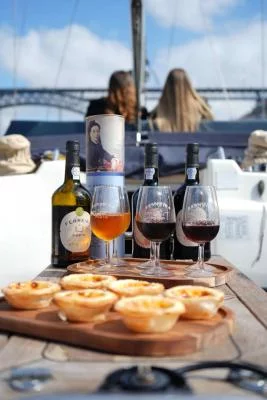
Oporto, Vila Nova de Gaia, Sao Pedro da Afurada -
2 Horas
Mín 1, Máx 20
Desde €59

Oporto -
(Vinho Verde, Monção, Melgaço)
10 Horas
Mín 2, Máx 4
Desde €225 (Descuento para grupos)

Oporto, Vila Nova de Gaia, Santa Marinha e Sao Pedro da Afurada -
(Douro Valley, Baixo Corgo, Cima Corgo, Oporto)
10 Horas
Mín 1, Máx 8
Desde €160

Oporto, Vila Nova de Gaia, Santa Marinha e Sao Pedro da Afurada -
(Douro Valley, Baixo Corgo, Cima Corgo, Oporto)
9 Horas
Mín 1, Máx 8
Desde €160

Oporto, Vila Nova de Gaia, Santa Marinha e Sao Pedro da Afurada -
(Douro Valley, Terras de Trás-os-Montes, Baixo Corgo, Oporto)
10 Horas
Mín 1, Máx 8
Desde €129

Oporto, Vila Nova de Gaia, Oliveira do Douro -
(Oporto)
2 Horas 30 Minutos
Mín 2, Máx 8
Desde €60

Oporto, Vila Nova de Gaia, Santa Marinha e Sao Pedro da Afurada -
(Douro Valley, Baixo Corgo, Cima Corgo, Oporto)
8 Horas
Mín 2, Máx No especificado
Desde €160

Oporto, Porto, Paranhos -
(Douro Valley, Dao, Vinho Verde, Beira Interior, Duero Superior, Basto, Oporto)
8 Horas
Mín 1, Máx 7
Desde €130
Los mejores tours gastronómicos y de vino en el Distrito de Oporto que no te puedes perder
El aroma a madera vieja y vino dulce que impregna el aire en Vila Nova de Gaia es inconfundible; es el olor de siglos de historia reposando en barricas. Visitar el Distrito de Oporto no es solo caminar junto al río Duero, sino entender cómo la humedad del Atlántico y los suelos de granito han definido una de las regiones vinícolas más famosas del mundo. Aquí, el vino no es un accesorio, es el motor de la economía y la cultura local desde hace generaciones.
Esta región alberga una diversidad técnica impresionante en un radio geográfico compacto. Encontrará desde las históricas bodegas de vino de Oporto, que almacenan millones de litros en naves oscuras y frescas, hasta los viñedos vibrantes de la región de Vinho Verde, caracterizados por su acidez natural y frescura. Un tour organizado es la manera más eficaz de navegar este contraste, permitiéndole acceder a salas de cata privadas y entender la diferencia entre un Tawny de 20 años y un blanco joven y mineral sin complicaciones logísticas.
En el Distrito de Oporto, el vino y la comida pertenecen a la misma mesa
La cultura gastronómica aquí es robusta y generosa, diseñada para reconfortar y sostener. No encontrará pretensiones vacías; en Oporto se come con apetito y se bebe con propósito. El ritmo local dicta que una copa de vino casi siempre va acompañada de algo sólido, ya sea un plato de tremoços (altramuces) o una tabla de quesos locales.
El concepto de maridaje en Winedering va más allá de servir dos elementos juntos. Buscamos la conexión histórica entre el plato y la copa. En nuestras experiencias, esto significa sentarse en una taberna tradicional o en el comedor de una quinta histórica, donde el productor le explicará por qué la acidez cortante de un vino blanco local es necesaria para equilibrar la grasa de los embutidos ahumados. Es una educación paladar a paladar, guiada y auténtica.
Cómo el paisaje del Distrito de Oporto moldea lo que termina en su copa y en su plato
La geografía de esta zona es una lucha constante entre la influencia del océano Atlántico y la protección de las montañas interiores. El paisaje es verde y exuberante, marcado por la humedad y los vientos marinos que penetran hacia el interior a través del curso del río Duero. La luz aquí es difusa, filtrada a menudo por la bruma matinal que protege a las uvas de quemaduras solares excesivas.
El suelo es predominantemente granítico en la zona de Vinho Verde y cambia a esquisto a medida que nos adentramos hacia el alto Duero. Este granito aporta una mineralidad y una frescura punzante a los vinos blancos, mientras que el clima atlántico asegura niveles de acidez que garantizan longevidad y viveza en la copa. En la mesa, esta geografía se traduce en una cocina de mar y montaña: pescados frescos de la costa de Matosinhos y carnes de cerdo y ternera criadas en los pastos verdes del interior.
Los maridajes que recordará mucho después de dejar el Distrito de Oporto
Un gran maridaje en Oporto se basa en el contraste o en la afinidad extrema. Imagínese el sabor salado y cremoso de un queso azul local encontrándose con la dulzura untuosa de un Oporto Vintage; es una combinación que funciona por oposición, limpiando el paladar y exigiendo otro bocado. La cocina aquí utiliza ingredientes contundentes que requieren vinos con estructura o acidez elevada para no saturar el gusto.
Los vinos de la región, ya sean los fortificados mundialmente conocidos o los tranquilos del Douro y Minho, tienen una personalidad definida por las variedades autóctonas como la Touriga Nacional o la Alvarinho. Al elegir sus tours, busque aquellos que mencionen explícitamente "almuerzo tradicional" o "degustación de petiscos". Estas experiencias están diseñadas para mostrarle cómo los lugareños equilibran sus comidas diarias, alejándose de los clichés turísticos para ofrecerle sabores reales y verificables.
Quesos, embutidos y especialidades artesanales que encontrará en el Distrito de Oporto
- Alheira de Mirandela: Un embutido ahumado a base de aves y pan, con una textura suave y un sabor a ajo y pimentón. Su grasa pide un vino blanco con cuerpo o un tinto joven.
- Queso de la Sierra (Queijo da Serra): Aunque originario de la zona vecina, es omnipresente aquí. De pasta blanda, casi líquida, con notas herbáceas y un punto amargo que combina perfectamente con un Oporto Tawny.
- Presunto (Jamón curado): Salado y de textura firme, a menudo proveniente de cerdos alimentados con castañas o bellotas. Requiere un vino tinto con taninos suaves.
- Broa de Avintes: Un pan de maíz y centeno, denso, oscuro y ligeramente dulce, fundamental en cualquier mesa de la región para acompañar las catas.
Clásicos regionales en el Distrito de Oporto que brillan aún más con la copa adecuada
- Francesinha: Un sándwich contundente de varias carnes cubierto de queso fundido y una salsa picante de tomate y cerveza. Necesita un vino verde tinto (con su acidez y aguja característica) o una cerveza artesanal para cortar la densidad del plato.
- Tripas à Moda do Porto: Un guiso histórico de callos y alubias blancas. La riqueza gelatinosa de este plato exige un tinto del Douro con buena estructura y acidez media.
- Bacalhau à Gomes de Sá: Bacalao desmigado con patatas, huevo y aceitunas. La salinidad del pescado y la suavidad de la patata armonizan con un blanco con crianza en madera o un Oporto blanco seco servido frío.
Diseñe su itinerario gastronómico y de vinos alrededor de la mesa en el Distrito de Oporto
Planificar su visita en esta región requiere priorizar, ya que la oferta es vasta. Recomendamos construir su día desde la comida hacia afuera: decida si prefiere un almuerzo largo en una bodega con vistas al río o una serie de paradas rápidas para probar tapas en la ciudad. La flexibilidad es clave; muchos tours permiten elegir horarios de mañana o tarde para adaptarse a su ritmo de viaje.
Considere su nivel de interés técnico frente al placer puramente gastronómico. Si es un coleccionista de vinos, querrá visitas privadas en las casas históricas de Gaia. Si busca cultura general, un tour a pie con paradas de comida callejera será más gratificante. Verifique siempre la duración total y el punto de encuentro, ya que el tráfico en los puentes que cruzan el Duero puede ser denso. Utilice nuestros filtros para seleccionar experiencias con "recogida en hotel" si desea despreocuparse del transporte.
El tipo de comida con la que sueña en el Distrito de Oporto, de lo rústico a lo refinado
La oferta culinaria en el distrito abarca desde tabernas centenarias con mesas de madera compartidas hasta restaurantes con estrellas Michelin dentro de hoteles vinícolas de lujo. En una bodega tradicional, espere platos abundantes, servicio familiar y recetas que han pasado de generación en generación, a menudo servidos en salas de piedra antigua.
Para una experiencia más sofisticada, las "quintas" renovadas ofrecen menús de degustación donde cada plato se diseña específicamente para un vino de su cartera. Las necesidades dietéticas como el vegetarianismo o la intolerancia al gluten son cada vez más fáciles de acomodar, siempre que se avise con antelación al reservar. Elija el entorno según la ocasión: las terrazas sobre el río son ideales para parejas al atardecer, mientras que las bodegas subterráneas ofrecen un ambiente íntimo y silencioso para grupos pequeños.
Los estilos de vino para explorar en el Distrito de Oporto: de iconos a pequeños productores
El Distrito de Oporto es el guardián de la Denominación de Origen Oporto, pero también es puerta de entrada a los Vinhos Verdes y los tintos del Douro. Debe familiarizarse con los términos básicos: "Ruby" para Oportos jóvenes y frutales, "Tawny" para los envejecidos en madera con notas de frutos secos, y "Branco" para los aperitivos.
Más allá de las grandes casas exportadoras que dominan el horizonte de Gaia, hay un movimiento creciente de pequeños productores que apuestan por vinos de mesa de alta calidad y mínima intervención. Estos viticultores suelen trabajar con viñedos viejos en terrazas y experimentan con envejecimiento en ánforas o cemento, buscando expresar el terruño de esquisto o granito sin el maquillaje del roble nuevo. Buscar estas etiquetas menos conocidas en una cata guiada le ofrecerá una visión más completa y moderna de la región.
Pequeñas adiciones en el Distrito de Oporto que elevan todo, como una clase de cocina o caminar entre viñedos
- Crucero en Rabelo: Navegar en los barcos tradicionales que transportaban las barricas añade una perspectiva histórica visual esencial para entender la logística del vino.
- Taller de Azulejos: Pintar su propio azulejo mientras degusta una copa de vino conecta dos de las artes más representativas de Portugal.
- Visita al Mercado de Bolhão: Un recorrido guiado por los puestos de pescado y verduras antes de una clase de cocina ofrece contexto sobre la materia prima local.
- Cata de Aceite de Oliva: Muchos productores de vino también elaboran aceites de oliva virgen extra de alta calidad; una cata técnica revela matices picantes y frutados sorprendentes.
Cómo es un tour gastronómico y de vinos en el Distrito de Oporto, paso a paso
Un día típico comienza con el encuentro con su guía local, a menudo cerca del emblemático Puente Luis I o con la recogida en su alojamiento. La primera parada suele ser una inmersión sensorial en una de las históricas bodegas (Caves) de Vila Nova de Gaia. Aquí, el cambio de temperatura es palpable al entrar en las naves de crianza, donde la luz es tenue y el silencio solo se rompe por el eco de los pasos.
Tras aprender sobre el proceso de fortificación y envejecimiento, pasará a la sala de catas para probar diferentes estilos, guiado por un experto que desmitificará las etiquetas. El punto culminante es el almuerzo o una cena temprana, donde el vino deja de ser el protagonista solitario para convertirse en el compañero de la comida. Los tours están diseñados para fluir sin prisas, con tiempos de traslado calculados y precios cerrados que incluyen todas las degustaciones, evitando sorpresas finales.
Visitas a bodegas en el Distrito de Oporto, con maridajes guiados y narración de historias
La bienvenida en las bodegas de Oporto es profesional y cálida. No se trata solo de beber, sino de entender el legado de familias que llevan siglos en el negocio. Las visitas suelen incluir un recorrido por el museo de la bodega o los archivos de añadas antiguas, algunas de las cuales datan del siglo XIX.
La cata posterior es técnica pero accesible. Aprenderá a diferenciar los colores: el rojo profundo de un Vintage joven frente al ámbar dorado de un Tawny de 40 años. Los anfitriones suelen ofrecer chocolate negro, almendras o quesos seleccionados para demostrar cómo el azúcar residual del vino interactúa con el amargor o la salinidad de los alimentos, proporcionando una lección práctica de equilibrio en el paladar.
Una comida en el Distrito de Oporto que va más allá de una simple parada
Comer durante un tour en esta región es un acto de inmersión cultural. No espere un sándwich rápido de pie. Las comidas incluidas suelen ser de tres platos, comenzando con entradas para compartir, seguidas de un plato principal contundente y terminando con postres dulces a base de huevo, típicos de la repostería conventual portuguesa.
Si el almuerzo es en una bodega, es probable que los vinos se sirvan generosamente y se expliquen con cada curso. Si es en un restaurante local seleccionado por el guía, disfrutará de la atmósfera ruidosa y alegre de los portuenses disfrutando de su descanso. La duración promedio de estas comidas es de al menos 90 minutos, respetando la tradición local de la sobremesa.
Tiempo para respirar en el Distrito de Oporto, con rutas escénicas y paseos por pueblos
Entre una cata y otra, el paisaje juega un papel fundamental. Los tours a menudo incluyen breves paradas en miradores como la Serra do Pilar para contemplar el estuario del Duero y los tejados rojos de la ciudad. Estos momentos de pausa son esenciales para no saturar los sentidos.
Si su tour se dirige hacia el interior del distrito, hacia la zona de Vinho Verde, tendrá la oportunidad de pasear por pueblos pequeños como Amarante o Penafiel. Aquí el tiempo parece detenerse y es posible entrar en pequeñas tiendas de artesanía o pastelerías locales. Recomendamos aprovechar estos instantes para beber agua y caminar un poco, preparando el cuerpo para la siguiente experiencia gastronómica.
Elija el tour gastronómico y de vinos adecuado en el Distrito de Oporto para su ritmo
La elección de su experiencia debe basarse en el tiempo disponible y su resistencia física. Oporto es una ciudad de colinas empinadas, por lo que un tour a pie requiere calzado cómodo y cierta energía, mientras que los tours en vehículo privado ofrecen más relax y alcance geográfico. Defina si prefiere una introducción general de medio día o una exploración profunda de día completo.
Considere también la dinámica del grupo. Los tours compartidos son excelentes para conocer a otros viajeros y suelen ser más económicos, mientras que los privados permiten personalizar las paradas y profundizar en temas técnicos con el guía. Winedering ofrece disponibilidad en tiempo real y políticas de cancelación claras, permitiéndole reservar con la confianza de que su plaza está asegurada.
Experiencias cortas de comida y vino en el Distrito de Oporto que aún se sienten ricas y completas
Para aquellos con agendas apretadas o pasajeros de cruceros, las experiencias cortas de 2 a 3 horas son ideales. Estos tours se concentran en lo esencial: una visita a una bodega de prestigio en Gaia con una cata comentada de tres vinos, o un recorrido de tapas por el barrio de Ribeira.
Aunque breves, estas experiencias no son superficiales. Los guías van al grano, explicando las diferencias clave entre los estilos de Oporto y ofreciendo bocados representativos. Es la opción perfecta para tener una primera impresión de calidad sin comprometer todo el día, dejando tiempo libre para explorar museos o descansar.
Fines de semana gastronómicos y de vino en el Distrito de Oporto para parejas y amigos
Un fin de semana permite un enfoque dual: dedique el sábado a explorar las grandes casas de vino de Oporto y la vibrante escena gastronómica de la ciudad, y el domingo a aventurarse hacia los viñedos de los alrededores. Este ritmo pausado es ideal para celebraciones o escapadas románticas.
El ambiente es relajado y festivo. Planifique sus cenas con antelación, ya que los mejores restaurantes se llenan rápido los fines de semana. Buscar tours que comiencen a media mañana le permitirá disfrutar del desayuno con calma y evitar las multitudes más tempranas en los puntos turísticos principales.
Estancias nocturnas en el Distrito de Oporto que hacen que la atmósfera sea parte del recuerdo
Dormir cerca de los viñedos o con vistas al río cambia completamente la experiencia. La luz dorada del atardecer sobre el Duero cuando los autobuses turísticos se han ido es mágica. Recomendamos buscar alojamientos en el lado de Gaia para tener las mejores vistas de Oporto, o en quintas rurales si busca silencio absoluto.
Muchos hoteles boutique en el distrito ofrecen sus propias catas al atardecer o desayunos con productos locales de km 0. Al reservar un tour de varios días o combinar su estancia con actividades, se asegura una inmersión total en el estilo de vida portugués, donde la prisa no tiene cabida.
Regale un tour gastronómico y de vino en el Distrito de Oporto que se sienta personal
Regalar una experiencia en Oporto es ofrecer un recuerdo que perdura más que cualquier botella física. Es un regalo versátil: ideal para el aficionado al vino que sueña con probar un Vintage de su año de nacimiento, o para la pareja "foodie" que disfruta descubriendo mercados locales.
Opte por bonos abiertos si no está seguro de las fechas, o elija una experiencia específica como un taller de cocina o una cata privada de vinos premium para un impacto mayor. La transparencia en los precios y la facilidad de canje hacen que sea un proceso sencillo y seguro para quien regala y emocionante para quien recibe.
¿Cuándo reservar un tour gastronómico y de vino en el Distrito de Oporto?
El Distrito de Oporto tiene un encanto distinto en cada estación, dictado por su clima atlántico. La primavera y el verano traen luz y vida a las terrazas, mientras que el otoño y el invierno invitan al recogimiento y a los vinos más complejos. La disponibilidad varía; los meses cálidos y la época de vendimia requieren reservas con semanas de antelación.
Tenga en cuenta que el clima puede influir en la logística, especialmente en invierno cuando la lluvia es frecuente. Sin embargo, esto también significa menos multitudes y una atención más personalizada en las bodegas. Verifique la disponibilidad en vivo en nuestra plataforma para asegurar sus fechas preferidas.
Temporada de vendimia en el Distrito de Oporto, cuando la región cobra vida
Entre septiembre y octubre, el aire se llena de anticipación. Aunque la mayoría de los viñedos de Oporto están río arriba, las bodegas en Gaia bullen de actividad administrativa y preparativos. Es el momento de mayor energía en el sector, y es posible ver llegar camiones con las primeras muestras.
Las catas en esta época tienen un ambiente especial; se habla de la calidad de la uva del año y las expectativas son altas. El clima suele ser suave, ideal para almuerzos al aire libre, pero es imprescindible reservar con mucha antelación, ya que es la temporada alta para el turismo enológico.
Otoño e invierno en el Distrito de Oporto, para platos más profundos y vinos reconfortantes
Cuando bajan las temperaturas y llega la lluvia, Oporto se vuelve introspectivo y acogedor. Es el tiempo de las castañas asadas en las esquinas y del humo de las chimeneas. Los vinos fortificados, especialmente los Tawny envejecidos y los Oporto Vintage, saben mejor en este clima; su calidez alcohólica y dulzura son el refugio perfecto contra el frío.
Gastronómicamente, es la temporada de platos de caza, setas y guisos de cocción lenta. Las bodegas ofrecen un refugio seco y atmosférico. Es una época excelente para los viajeros que prefieren la calma y desean conversaciones más largas con los sumilleres sin la presión de los grupos grandes.
Primavera y verano en el Distrito de Oporto, para comidas al aire libre y maridajes más ligeros
A partir de abril, la ciudad se abre al río. Las terrazas se llenan y el consumo de Oporto Blanco Tónico (Porto Tónico) se dispara como aperitivo refrescante. Los vinos verdes, con su acidez crujiente y notas cítricas, son los reyes de la mesa durante los meses de calor, acompañando mariscos y ensaladas.
Es importante llevar sombrero y agua, ya que el sol puede ser intenso al mediodía. Los tours que incluyen paseos en barco o visitas a viñedos son especialmente placenteros ahora, permitiendo disfrutar de la brisa atlántica y la vegetación en su máximo esplendor.
Eventos gastronómicos y de vino en el Distrito de Oporto, cuando el calendario añade magia extra
- Fiesta de São João (Junio): La noche más larga y festiva del año en Oporto, con sardinas asadas en cada esquina y vino fluyendo por las calles. Es un caos alegre y delicioso.
- Essência do Vinho (Febrero/Marzo): Uno de los eventos vinícolas más importantes de Portugal, celebrado en el histórico Palacio de la Bolsa, reuniendo a cientos de productores.
- Mercados de Navidad: Acompañados de dulces tradicionales como las rabanadas con salsa de vino de Oporto.
Oporto: Cosas que saber
¿Cuánto cuesta un tour enoturístico en Oporto?
El precio medio de un tour enoturístico en Oporto es de unos €237. Según la experiencia, los precios van de €43 a €2,700. Reservar con antelación asegura disponibilidad y los mejores precios.
¿Puedo hacer solo una cata en lugar de un tour completo en Oporto?
Éstas son las mejores catas de vinos que puedes reservar en Oporto:
- Descubre: Cata de vinos de Oporto en el Espacio Porto Cruz
- Oporto: Visita y cata de vinos en la Bodega de Oporto de Taylor
- Orígenes del Sabor: La degustación del vino de Oporto en el Espacio Porto Cruz
- Oporto: Visita a las bodegas de Oporto y cata de vinos en Fonseca
- Visita Histórica Privada Porto Gourmet Food & Wine con una Sommelière
- Poças: Visita guiada y cata de 3 vinos de Oporto
- Experiencia de cata de vinos naturales y ecológicos con un enólogo en Oporto
- No sólo vino de Oporto - Cata de vinos generosos con un productor en Oporto
¿Puedo reservar un fin de semana en bodega o una estancia más larga en Oporto?
Sí: en Winedering puedes reservar una escapada en Oporto, desde un fin de semana hasta un viaje más largo, durmiendo sobre todo en bodegas, hoteles entre viñedos y agriturismos, y casi siempre con cata de vinos incluida. Descubre las escapadas enológicas en Oporto.
¿Desde dónde suelen partir los tours enoturísticos en Oporto?
Los principales puntos de partida de los tours de bodegas en Oporto:
¿Los tours enoturísticos en Oporto te recogen en el hotel?
40+ de estos tours de bodegas te recogen en la dirección que indicas, normalmente tu hotel. La proporcionas al reservar.
Ver los tours enoturísticos con recogida en Oporto
¿Los tours enoturísticos en Oporto tienen un punto de encuentro fijo?
40+ de estos tours de bodegas salen de un punto de encuentro fijado por el anfitrión, indicado en los detalles de la experiencia antes de reservar.
Ver los tours enoturísticos con punto de encuentro en Oporto
Continuar con una cuenta social