

Giuseppe Valente
La Cantina
Tra le Langhe e il Monferrato, l'Azienda Agricola Fea è stata fondata a Calosso nel 1960 da Chiarera Giuliano, che ha trasmesso l'attaccamento e l'amore per questa terra e i suoi prodotti al genero, Valente Giuseppe. Rilevata nel 1990, l'azienda è stata ampliata da 4 ettari agli attuali 12, diversificando la produzione e affinando la qualità dei suoi vini. L'azienda a conduzione familiare produce circa 12.000 bottiglie all'anno, tra cui spiccano il Gamba di Pernice, un vino autoctono con sentori speziati che ricordano il pepe verde prodotto solo nel comune di Calosso e il Piemonte Moscato Passito.
I Vini
La gamma dei vini dell'Azienda Agricola Fea è composta da Barbera Asti Superiore, Barbera d'Asti, Freisa d'Asti Superiore, Langhe Nebbiolo, Piemonte Moscato Passito e Calosso DOC.
CALOSSO DOC: una storia antica e documentata, un vitigno studiato da illustri ampelografi e importanti ricercatori, viticoltori appassionati in terre "Patrimonio dell'Unesco", produttori determinati che ti contagiano con il loro entusiasmo e il loro vero ottimismo. Poi il vino parla: la vista, l'olfatto, il gusto regalano un'incredibile piacevolezza. Alla fine, quando le intense percezioni aromatiche rimangono in bocca. Allora diventa fin troppo evidente quanto sia importante il fattore qualità di un territorio ad altissima vocazione e di un vitigno pregiato.
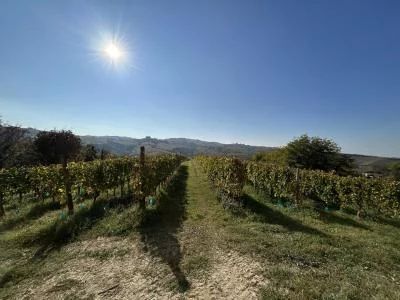
VIGNETI: Calosso è un piccolo comune italiano di 1.263 abitanti della provincia di Asti, in Piemonte. Sorge su un'alta collina il cui nome deriva dal romano Callocius o Callucius. Si trova non lontano dai comuni di Canelli e Costigliole d'Asti, tra le valli del Nizza e del Tinella. L'attuale diffusione del Gamba di pernice è limitata quasi esclusivamente al comune di Calosso, anche se viene coltivato in vigneti a Costigliole Asti e Castagnole Lanze.
Un tempo chiamata anche pernicina a gamba rossa, questa cultivar astigiana è stata curiosamente riscoperta nel Saluzzese, precisamente a Costigliole Saluzzo, con il nome di "Neretto degli alteni" nel XVII secolo. Il conte Nuvolone lo cita nel 1708 nell'opera Ampelografia della provincia di Alessandria (De Maria e Leardi -1875), dove troviamo la prima descrizione completa del vitigno. Infine, Dalmasso (1909) lo descrive con i sinonimi di "Gambarossa" e "Pernicine". Dalle poche informazioni tramandate dalla tradizione locale, sembra che l'attuale coltivazione del "Gamba di pernice" sia derivata da alcuni germogli "rubati" da un certo Moiso, un abitante della città di Asti, ai vivaisti Cora di Canelli all'inizio del XIX secolo.
Il nome è ovviamente legato al colore del gambo. Ricorda la zampa di un uccello. Anche la forma, direi quasi a uncino. Il nome deriva dal fatto che le raspores prima dell'inizio dell'invaiatura sono di un rosso vivo, che ricorda le zampette delle pernici che si aggirano nei vigneti in quel periodo. In agosto il colore diventa marrone. Anche la parte finale dei tralci è rossa nei mesi estivi. Di media vigoria, ha un ciclo vegetativo tardivo. Gli anziani ricordano le vendemmie intorno al 20-25 ottobre.
VINIFICAZIONE: Le pratiche di cantina non differiscono dalla classica vinificazione in rosso per le uve con una buona ricchezza fenolica. Tuttavia, il Gamba di pernice è anche una varietà aromatica, per cui vengono effettuate fermentazioni a cappello mobile per circa 10 giorni, seguite da brevi macerazioni di 7-8 giorni per estrarre la materia fenolica dalle parti solide. Il vino viene generalmente conservato in vasche d'acciaio; alcuni produttori ritengono utile utilizzare il legno: botti di medie dimensioni o barrique di secondo o terzo passaggio. Per periodi brevi: 9 - massimo 12 mesi.
Per legge, il "Calosso DOC" può essere venduto 20 mesi dopo la vendemmia, se con l'indicazione "Vigna" o "Riserva", il periodo è più lungo (30 mesi). Tutti concordano sul potenziale evolutivo: soprattutto nelle grandi annate, con uve ben mature e sane, è un vino di grande evoluzione.
LA DEGUSTAZIONE: Il Calosso DOC ha un bel colore violaceo, tendente al rubino-granato con il passare del tempo. Il bouquet è sempre intenso ed elegante: inizialmente fruttato, qualche mese dopo devia verso il ben noto rotundone speziato (aroma di pepe) che caratterizza il Calosso DOC.
Un nome speciale per un vino rosso con aromi e sapori altrettanto speciali. Varietà coltivata nel comune di Calosso (AT). La naturale tannicità rende questo vino particolarmente secco e permette un lungo affinamento di oltre 12-15 anni, che mette sempre più in evidenza la sua caratteristica nota speziata che ricorda il pepe verde. È un vino equilibrato e morbido con una buona struttura, apprezzato per i suoi sentori di viola, ciliegia fruttata e frutti di bosco uniti a note di spezie e pepe verde. È piacevole in ogni occasione e si presta bene per la sua finezza e la sua capacità di non far sentire la bocca asciutta se abbinato ad antipasti caldi, selvaggina e soprattutto a formaggi, anche stagionati e saporiti.
Servizi
- Parcheggio Gratuito
- Vendita Vino
- Pet Friendly
Prenota un'Esperienza

Recensioni degli utenti (2)

Ottima esperienza tra le colline di Calosso
Degustazione
I proprietari gentili e disponibili ci hanno guidato in una breve passeggiata nella vigna, facendo trasparire la passione che mettono nel loro lavoro.
Interessante è stata anche la visita nella cantina, accompagnata da spiegazione della sua storia e ristrutturazione.
Dopo aver scelto noi stessi i vini da degustare ci siamo accomodati nella tavernetta e insieme all'assaggio dei vini ci sono stati offerti formaggi e salame locali, focaccia, grissini e taralli.
Si possono acquistare vini a scelta.
Spiegazioni interessanti e tante chiacchiere genuine vi accompagneranno in questa esperienza! Consigliatissimo, speriamo di avere occasione di tornarci.
Continua con un account social