

Wine Tastings, Winery Visits and Wine Tours in Hills of Tortona
Explore wine tastings and winery visits in Hills of Tortona, a standout area within Piedmont, Italy. With 11 options available, 10 of them at the winery itself, you'll find experiences from 1 hour up to 3 hours, priced between €20 and €55. Visit local wineries, discover the terroir, and savor the wines that make Hills of Tortona worth the trip.

Piedmont, Alessandria, Tortona -
(Hills of Tortona, Derthona)
1 Hour 30 Minutes
Min 1, Max 25
From €20

Piedmont, Alessandria, Pozzol Groppo -
(Hills of Tortona)
2 Hours
Min 2, Max 30
From €45 (Groups Discount Available!)

Piedmont, Alessandria, Tortona -
(Hills of Tortona, Derthona)
2 Hours
Min 2, Max 15
From €45

Piedmont, Alessandria, Tortona -
(Hills of Tortona, Derthona)
2 Hours
Min 2, Max 15
From €45

Piedmont, Alessandria, Tortona -
(Hills of Tortona, Derthona)
2 Hours
Min 1, Max 12
From €39
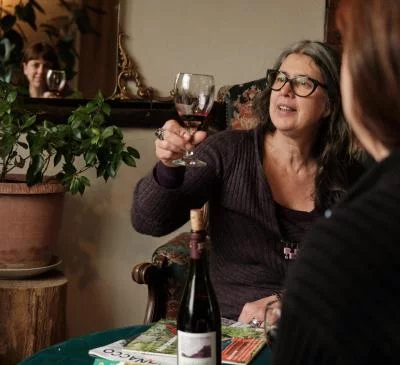
Piedmont, Alessandria, Costa Vescovato -
(Hills of Tortona)
2 Hours
Min 1, Max 15
From €20

Piedmont, Alessandria, Volpedo -
(Hills of Tortona)
2 Hours 30 Minutes
Min 2, Max 20
From €30

Piedmont, Alessandria, Villaromagnano -
(Hills of Tortona, Derthona)
1 Hour 30 Minutes
Min 2, Max 50
From €25

Piedmont, Alessandria, Momperone -
(Hills of Tortona, Derthona)
2 Hours
Min 2, Max 30
From €30
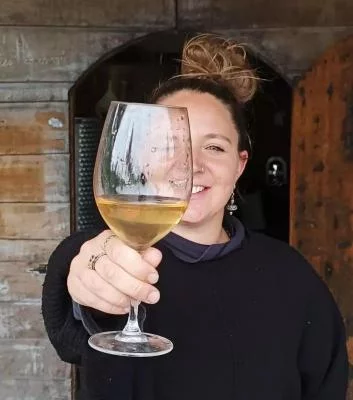
Piedmont, Alessandria, Costa Vescovato -
(Hills of Tortona)
2 Hours
Min 1, Max 15
From €30
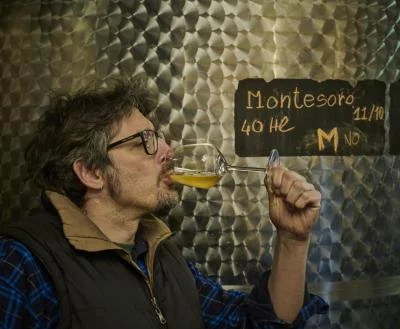
Piedmont, Alessandria, Costa Vescovato -
(Hills of Tortona)
2 Hours
Min 1, Max 15
From €25
The best wine tastings in the Hills of Tortona
The Hills of Tortona, or Colli Tortonesi, offer a sensory landscape where the fog of the Po Valley meets the sea breezes of Liguria, creating a distinct microclimate for viticulture. Situated in the southeast corner of Piedmont, this region is defined by its clay-limestone soils—rich in marine fossils—and a winemaking history that dates back to Roman times. Today, the area covers approximately 2,000 hectares of vines and is home to the Colli Tortonesi DOC, celebrated globally for the renaissance of the Timorasso grape. Tastings here go beyond simple sampling; they are an exploration of "Derthona," a territory that produces white wines with the structure and aging potential usually reserved for reds. Whether you are looking for a quick introduction to local varietals or a technical vertical tasting of aged vintages, Winedering connects you with authentic, family-run estates where the winemaker often pours the glass themselves.
Wine tastings in the Hills of Tortona, among local flavors and aromas
A tasting flight in the Hills of Tortona is characterized by a striking evolution of aromas, moving from crisp flowers to complex mineral notes. The terroir here, ranging from 150 to 450 meters above sea level, imparts a notable sapidity and saline finish to the wines, a direct result of the ancient marine sediments in the soil. Visitors can expect a textural experience; the whites are weighty and mouth-filling, while the reds offer vibrant acidity and fine-grained tannins. A standard tasting typically includes 3 to 5 wines, often starting with a fresh Cortese, moving to the flagship Timorasso (Derthona), and concluding with a structured Barbera. The atmosphere is generally relaxed and intimate, suitable for both beginners and seasoned palates looking to understand the nuances of maceration and aging.
- Duration: 60 to 90 minutes on average.
- Languages: Italian and English are widely spoken; some smaller estates may require advance notice for English tours.
- Inclusions: Guided tasting, often accompanied by breadsticks or local cheese samples.
Great classics and iconic wines of the Hills of Tortona, tastings you can't miss
The undisputed protagonist of this region is Timorasso, marketed under the historic name Derthona, but the area also boasts powerful interpretations of Barbera. The Colli Tortonesi DOC regulations ensure quality control, with specific subzones like Monleale highlighting the best sites for red wines. In the glass, a classic Derthona presents a golden hue, offering notes of acacia honey, chamomile, and, with time, distinct hydrocarbon notes similar to Riesling. It is a high-extract wine, often exceeding 13.5% ABV, yet balanced by piercing acidity. Tastings of these icons are best experienced through vertical flights, where you can compare current releases with bottles aged five or ten years, demonstrating the remarkable longevity of these native varietals.
Hills of Tortona wine tasting map: plan your tour in a couple of clicks
Exploring the Hills of Tortona is best done by car, as the wineries are scattered across a series of parallel valleys (Curone, Grue, Ossona) that fan out from the town of Tortona. The drives are scenic and short, rarely taking more than 20 minutes between producers. A logical route maximizes your time and palate endurance.
- Half-day route: Focus on two wineries in the Val Curone or Val Grue, allowing 90 minutes per stop.
- Full-day route: Visit three producers, interspersed with a lunch break at a local trattoria serving agnolotti.
- Weekend route: Spread 4-5 visits over two days, staying overnight in a renovated farmhouse or B&B in the hills.
- Logistics: Tortona is the main gateway, roughly an hour's drive from Milan or Genoa.
Winery tours in the Hills of Tortona, a complete experience from grape to glass
Walking into a cellar in the Hills of Tortona often means stepping into a space where tradition meets careful experimentation. You might smell the damp, cool air of underground aging rooms or the sharp, clean scent of stainless steel fermentation tanks. A full tour provides context to the liquid in your glass, often beginning with a walk through vineyards trained on steep marl slopes. Here, producers explain the critical decisions of canopy management and harvest timing. Inside, you will likely see a mix of vessels; while steel is common for preserving freshness, many producers are returning to large oak casks or even ceramic amphorae to build texture without masking the grape's identity. Understanding these technical choices explains why a Derthona feels so different on the palate compared to other Italian whites.
The best wineries and wine producers in the Hills of Tortona to visit
The "best" producers in this region are defined by their commitment to the territory's identity rather than international trends. The landscape is dominated by small to medium-sized family estates rather than industrial giants. Look for names that championed the rescue of Timorasso from near-extinction in the 1980s, as well as young, organic-certified winemakers bringing fresh energy to the DOC. Key indicators of a high-quality visit include producers who offer single-vineyard bottlings (cru) or those who practice extended lees aging (often 12 months or more) to enhance the wine's creaminess and longevity. Booking directly through Winedering ensures you visit cellars that are prepared to host guests and share their stories authentically.
Wine experience Hills of Tortona: worth doing, worth sharing
A wine experience here is about slowing down to the rhythm of the seasons. It is sitting at a wooden table overlooking the geometric rows of vines, sharing a bottle that tells the story of the soil beneath your feet. Beyond the tasting room, these experiences connect you to the local culture—whether it's a walk through the vineyards at sunset or a conversation with a winemaker about the year's harvest conditions. With transparent pricing, verified reviews, and immediate booking confirmation, you can secure your spot without the hassle of back-and-forth emails, ensuring your time is spent enjoying the wine, not planning the logistics.
Hills of Tortona tastings with local menus, plus lunch or dinner at the winery
Food in this borderland region is robust and flavorful, designed to stand up to structured wines. When you book a tasting with a local menu, you are not just getting snacks; you are experiencing a culinary heritage. The pairing logic here relies on balance: the high acidity of Timorasso cuts through fatty cured meats, while the tannins of a Monleale Barbera bind perfectly with rich braised dishes.
- The Spread: Expect local sourdough bread, Montebore cheese, and Salami Nobile del Giarolo.
- Format: Seated tastings with platters or full multi-course lunches depending on the winery.
- Dietary Notes: Vegetarian options focusing on local vegetables and cheeses are widely available; notify in advance.
Vineyard picnics and sunset aperitifs in the Hills of Tortona
As the sun lowers over the Po Valley, the limestone hills glow with a golden warmth, creating the perfect backdrop for an outdoor experience. Vineyard picnics offer a sense of freedom and privacy that indoor tastings cannot match. You will typically receive a basket curated with artisan products—local cheeses, focaccia, and vegetable preserves—along with a bottle of chilled wine and a blanket. These experiences are ideal from late spring through early autumn, allowing you to enjoy the cool evening breeze that comes down from the Apennines. It is a casual, romantic way to appreciate the landscape that shapes the wine.
Guided tasting experiences in the Hills of Tortona: wineries, hikes, and weekend getaways with an overnight stay
For those who prefer a deeper immersion, guided experiences offer a structured way to learn. Slow travel is the philosophy here; instead of rushing, you might combine a morning trekking session through the "Calanchi" (clay ravines) with a restorative tasting at a nearby estate. Multi-winery days allow for comparative learning—tasting a Barbera from the cooler, higher slopes against one from the warmer valley floor reveals the direct impact of altitude on sugar and acidity. Weekend packages often include overnight stays in agriturismos, providing a base for a comprehensive exploration of the Colli Tortonesi DOC without the need to drive after tasting.
Hills of Tortona wine tastings with moments for couples and experiences for the whole family
The region welcomes diverse travelers, from couples seeking a quiet retreat to families introducing children to nature. For couples, private tastings in historic barrel rooms or sunset toasts on panoramic terraces offer intimacy and atmosphere. Families will find that many agriturismos are well-equipped for children, with ample outdoor space, farm animals, and non-alcoholic options like grape juice or hazelnut snacks. Accessibility is generally good, though it is always wise to check specific winery details regarding stroller access in older cellars.
Vouchers, bundles, and wine tastings to gift in the Hills of Tortona
Gifting a wine experience is a way to offer a memory rather than a material object. A voucher for a tasting in the Hills of Tortona is perfect for wine enthusiasts who appreciate discovering under-the-radar gems. Bundles might combine a tasting with a shipment of bottles, extending the experience back home. Our vouchers come with flexible validity and instant delivery, making them a safe and thoughtful choice. Whether it is a "Derthona Discovery" for a white wine lover or a "Barbera & Salami" experience for a foodie, the gift of terroir is always in style.
Beyond the Hills of Tortona: more tastings to try nearby
If you have extra time, the Hills of Tortona serve as an excellent pivot point to other distinct wine regions. Just a short drive away, the landscape and the wines shift dramatically, offering a broader perspective on Northwest Italian viticulture. Extending your trip by half a day can introduce you to different grape varieties and winemaking philosophies.
- Gavi: Approx. 30 minutes south. Famous for Cortese di Gavi, offering lighter, floral whites on different soils.
- Oltrepò Pavese: Approx. 30 minutes east (Lombardy). Known for Pinot Noir and traditional method sparkling wines.
- Monferrato: Approx. 45 minutes west. Home to Barbera d'Asti and Grignolino on chalky soils.
Surprising wine experiences among provinces and towns around the Hills of Tortona
Venturing just outside the main DOC boundaries reveals micro-areas worth exploring. The curio of the Curone Valley leads toward the Apennines, where viticulture becomes heroic and steep. Towns like Volpedo not only offer wine but also cultural depth. In these border zones, you might find experimental blends of Piedmontese and Lombard grapes. Seek out the small producers in the Ossona Valley for distinctively saline wines, or head toward the Libarna area to taste how the proximity to the Ligurian Sea influences the ripening of Dolcetto.
Hills of Tortona wine highlights
Before booking your visit, it helps to understand the fundamentals of this unique territory. The Colli Tortonesi region comprises roughly 2,000 hectares of vineyard land. The defining feature here is the soil: Tortonian marl (clay and limestone), which is compact and rich in minerals. This soil type, combined with a significant diurnal temperature range (hot days, cool nights), preserves high acidity in the grapes—essential for long-aging white wines.
Hills of Tortona grape varieties: heritage, soil, and tradition
The grape varieties here are strictly linked to the history of the land. While international grapes exist, the focus is heavily on native varietals that have adapted to the local marl soils over centuries.
- Timorasso: The star of the region. A white grape that produces structured, mineral, and age-worthy wines. It thrives on sunny, well-ventilated slopes.
- Barbera: The most planted red. Here it yields wines with robust body, deep color, and spicy notes, often more structured than its counterparts in Asti.
- Croatina: Often used in blends or as a varietal wine, adding tannic grip and red fruit flavors.
- Cortese: Produces fresh, drinking-now white wines with floral aromatics.
Signature wines of the Hills of Tortona and labels to know
When browsing tasting menus, look for these specific appellations and styles to ensure you are tasting the true character of the region.
- Colli Tortonesi DOC Timorasso (Derthona): Dry, full-bodied white. Young versions are floral and fruity; aged versions (3+ years) develop petrol and mineral notes.
- Colli Tortonesi DOC Barbera (often labeled "Monleale"): A serious red wine. Look for "Superiore" or specific subzone labeling, indicating longer aging and higher quality standards.
- Colli Tortonesi DOC Croatina: A rustic, tannic red often enjoyed with fatty winter dishes.
Food and wine in the Hills of Tortona, the perfect pairing
The local table is a celebration of the borderlands, merging Piedmontese meat dishes with Ligurian vegetable influences. The high acidity and salinity of the local wines make them exceptional food partners. A key product to know is the Montebore cheese, a Slow Food Presidium with a distinctive wedding-cake shape, dating back to the 12th century.
Food & wine tours in the Hills of Tortona to taste the region beyond the glass
Culinary tours here often combine winery visits with stops at artisan producers. You might visit a cheese aging room to see Montebore being refined or a laboratory producing the famous "Baci di Dama" (Lady's Kisses) cookies. These tours usually last half a day or a full day and include transportation, providing a stress-free way to indulge. The value lies in the context—tasting a product right where it is made changes your perception of its flavor.
Hills of Tortona wines and local dishes with pairings you'll want to try
To eat like a local, try these specific combinations during your visit:
- Derthona (Timorasso) & Montebore Cheese: The wine's minerality cuts through the rich, sheep-and-cow milk blend of the cheese.
- Barbera & Agnolotti with Stew Sauce: The acidity of the Barbera cleanses the palate after the rich, savory meat-filled pasta.
- Croatina & Salami Nobile del Giarolo: The tannins in the wine stand up to the fat and garlic of this traditional large-grain salami.
- Sweet Malvasia & Baci di Dama: A classic dessert pairing, matching nuttiness with aromatic sweetness.
Make it yours: build a Hills of Tortona-themed getaway
Designing a trip here is about finding a balance between activity and relaxation. Start your day with a visit to a market or a cultural site, followed by a winery lunch. In the afternoon, schedule a technical tasting or a vineyard walk. Tortona serves as a practical base with hotels and restaurants, while the surrounding valleys offer charming agriturismos for a quieter stay. Aim for no more than two winery visits per day to keep the palate fresh and the experience enjoyable.
Things to do around the Hills of Tortona to make your trip even more memorable
The region offers plenty of non-wine activities to round out your itinerary. This is cycling country, famously the home of Fausto Coppi, making bike tours a popular choice.
- Cycling Museum (Castellania Coppi): A must for sports fans, located in the champion's birthplace (approx. 400m altitude).
- Pellizza da Volpedo Studio: Visit the studio of the famous divisionist painter in Volpedo.
- Tortona Roman Ruins: Explore the archaeological traces of the ancient Roman town of Dertona.
- Hiking in Val Curone: Trails offer sweeping views of the Apennines and vineyards.
Storybook villages, must-see sights, and places to visit around the Hills of Tortona
The hills are dotted with villages that feel paused in time. A short stop in these towns adds historical context to your wine tour.
- Volpedo: Known for its art history and being one of the "Most Beautiful Villages in Italy."
- Garbagna: Famous for its cherries and antique furniture, featuring charming stone architecture.
- Castellania: A pilgrimage site for cyclists, offering quiet roads and panoramic views.
Planning a trip to the Hills of Tortona? Here's the best time to go
The region has a continental climate, but the timing of your visit depends on what you want to experience.
- Autumn (September-October): The peak season. Harvest energy, truffle festivals, and golden foliage. Book well in advance.
- Spring (April-June): Green hills, blooming orchards, and pleasant temperatures (15-25°C). Ideal for hiking and picnics.
- Summer (July-August): Can be hot, but perfect for sunset tastings and long evenings.
- Winter (November-March): Quiet and foggy, ideal for serious red wine tasting and enjoying hearty local cuisine by a fireplace.
Wine festivals and events in and around the Hills of Tortona you won't want to miss
Immersing yourself in a local festival is the best way to see the community spirit.
- Quatar Pass per Timurass (Summer): A gastronomic walk through the vineyards tasting Timorasso at various stops.
- AssaggiaTortona (May): A showcase of local food and wine producers in the streets of Tortona.
- Truffle Festival in San Sebastiano Curone (November): Celebrating the white truffle, often paired with the region's structured wines.
Hills of Tortona: Good to know
What visit in Hills of Tortona?
Timorasso is a lesser-known wine destination located in the Piedmont region of Italy. The name "Timorasso" comes from the variety of grapes used to make the wine, which is unique to this region. Historically, Timorasso wine was produced by wineries only in small quantities, and its popularity remained confined to local markets. However, in recent years, Timorasso has gained attention from wine enthusiasts and has been recognized as a prestigious wine by critics.
Timorasso is known for its boutique wineries and scenic vineyards, making it an ideal destination for wine tours. The wineries in this region offer guided tours and wine tastings, providing visitors with an opportunity to learn about the wine production process and sample some of the finest Timorasso wines. Some of the popular wineries to visit include La Colombera, Walter Massa, and Cascina Montagnola.
Which food to taste in Hills of Tortona?
Timorasso wine is best paired with traditional cuisine, which features traditional Piedmontese dishes such as risotto, truffles, and veal. The region is also known for its production of cheese, particularly the Gorgonzola cheese, which pairs well with Timorasso wine and, indeed, it is often provided during wine tastings. Another must-try dish is the agnolotti, which is a type of pasta filled with meat or cheese.
Which wines to taste in Hills of Tortona?
The Timorasso grape is the star of the show in this region. It is a white grape variety that was almost extinct until a few decades ago. Timorasso wine is characterized by its full body, intense aromas, and high acidity, which wine lovers will be able to enjoy during wine tastings. The grape is grown only in a few areas of Piedmont, mainly in the Tortona hills. The unique soil composition of this area, which includes clay and limestone, gives Timorasso wine its distinct taste and aroma.
Which is the best season to visit Hills of Tortona?
The best time to visit Timorasso is from April to October, when the weather is mild and sunny. Wineries allow visitors to take part in the grape harvesting season, which takes place in September and October, along with the usual wine tours and wine tastings. This is a great time to learn about the wine production process and witness the traditional grape-stomping ceremony.
What things to do in Hills of Tortona?
In addition to visiting the wineries and vineyards, and taking part in wine tastings, there are many other attractions in the region that are worth exploring. One such place is the city of Tortona, which is known for its Romanesque architecture and stunning cathedral. Another must-visit place is the medieval village of Volpedo, which is famous for its connection to the artist Pellizza da Volpedo. Visitors can also take a scenic drive through the hills and valleys of the region, stopping at small towns along the way to sample local cuisine and wine.
In conclusion, Timorasso is a hidden gem in the Piedmont region of Italy, known for its unique wine and picturesque vineyards. It is an ideal destination for wine lovers and foodies who want to experience the authentic flavors of Piedmont. With its historic towns, stunning scenery, and rich culinary traditions, Timorasso is sure to leave a lasting impression on visitors.
How much does a wine tasting with winery tour in Hills of Tortona cost?
The average price of a wine tasting with winery visit in Hills of Tortona is around €33. Depending on the experience, prices range from €20 to €55. Booking in advance ensures availability and the best prices.
Which wineries to visit in Hills of Tortona?
Here are the top wineries to visit in Hills of Tortona:
- I Carpini
- Cascina Giambolino
- Cantine Colonna
- Il vino e le Rose
- Vigneti Repetto
- Azienda Agricola Mombisaggio
- Valli Unite
Can I buy a wine tasting voucher for Hills of Tortona?
Yes! You can buy a wine tasting gift voucher valid for experiences in Hills of Tortona and nearby. After completing your purchase on Winedering, you’ll receive a ready-to-print PDF voucher that you can gift anytime. A simple way to share a wine moment with someone you care about.
Gift now!
Continue with a social account