Thumbnail From Lisbon to Evora: Cork Factory Visit and Wine Tour with Hotel Pick-up
Lisbon District, Lisbon, Misericordia - (Alentejo, Central Alentejo, Lisboa) 9 Hours Min 2, Max 8
New
From €225 (Groups Discount Available!)
Thumbnail Full-Day Alentejo Wine Tour from Évora: 2 Wineries & Lunch
Évora, Évora, Bacelo e Senhora da Saude - (Alentejo, Redondo, Low Alentejo, Central Alentejo) 6 Hours Min 2, Max 8
New
From €264
Thumbnail Flavors of Évora: Gastronomic and Heritage Exploration
Évora, Évora, Senhora da Saude - (Alentejo) 6 Hours Min 2, Max Not Specified
New
From €240 (Groups Discount Available!)
Thumbnail Discover the Talha Wine with Jeep Tour through History and Tradition with Lunch
Beja, Vidigueira, Vila de Frades - (Alentejo, Low Alentejo) 7 Hours Min 2, Max Not Specified
New
From €180
Thumbnail Full-Day Private Tour from Lisbon: Évora, Cork Factory Visit & Wine Tasting
Lisbon District, Lisbon - (Alentejo, Central Alentejo) 8 Hours Min 2, Max 8
New
From €250
Thumbnail Evora & Monsaraz Private Wine Tour in Alentejo Wine Region, Portugal
Lisbon District, Lisbon - (Alentejo, Central Alentejo) 1 Day 8 Hours 30 Minutes Min 2, Max 8
New
From €214
Thumbnail Private Full-Day Alentejo Wine Tour from Lisbon with 2 Winery Visits
Lisbon District, Lisbon - (Alentejo, Central Alentejo) 9 Hours Min 2, Max 8
New
From €643.20 (Groups Discount Available!)
Thumbnail Historical Évora & Alentejo Wine: Full-Day Small Group Tour from Lisbon
Lisbon District, Lisbon, Santa Maria Maior - (Alentejo, Redondo, Central Alentejo, Lisboa) 10 Hours Min 2, Max 8
New
From €85
Thumbnail Olive Oil Journey: Harvest, Taste & Tradition from Lisbon
Lisbon District, Lisbon, Misericordia - (Alentejo, Central Alentejo, Lisboa) 7 Hours Min 2, Max 8
New
From €125
Thumbnail Half-Day Alentejo Wine Tour from Évora
Évora, Évora, Bacelo e Senhora da Saude - (Alentejo, Central Alentejo) 3 Hours Min 2, Max 8
New
From €120

The best food and wine tours in Alentejo that you can't miss

The first thing you notice in Alentejo is the silence, broken only by the wind moving through the cork oaks. This vast region, covering nearly a third of Portugal, feels like a different world compared to the bustle of Lisbon or the beaches of the Algarve. It is a landscape of golden plains, whitewashed villages, and intense sunlight that shapes every vine and olive tree.

With approximately 22,000 hectares of vineyards and eight distinct DOC sub-regions, Alentejo is a powerhouse of Portuguese wine. However, the distances here are significant. Driving between the historic town of Évora and the vineyards of Vidigueira or Reguengos takes time, and the roads are often rural. A guided tour is not just a luxury here; it is a practical necessity that allows you to cover these miles safely and comfortably.

The hospitality in this region is legendary, often centred around large tables and slow pacing. Producers here do not rush.

In Alentejo, wine and food belong at the same table

In this region, wine is rarely drunk without something to eat. The local culture revolves around petiscos—small plates of local cheeses, cured meats, and olives—that appear almost automatically when a bottle is opened. This is not a formal pairing exercise; it is simply how life is lived here.

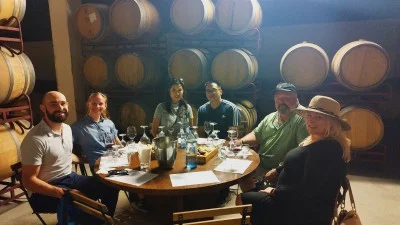
Lunches are long affairs, often extending well into the afternoon. On a Winedering tour, we prioritize this rhythm. You might find yourself eating at a long wooden table inside a Monte (a traditional farmhouse estate), passing platters of black pork or coriander-scented soups while the winemaker explains the vintage. The pairing experience here is grounded in the belief that the wine was made specifically to complement the food grown on the same land.

How the landscape of Alentejo shapes what ends up in your glass and on your plate

The landscape of Alentejo is defined by its rolling plains, known as the planície, and the unique montado ecosystem of cork oak forests.

The climate is generally hot and dry, with high summer temperatures that ensure grapes achieve full ripeness. This results in wines with higher alcohol content, concentrated fruit flavors, and robust structures. The soils vary significantly across the region, from granite in the north to schist and limestone in the south, adding mineral nuances to the wines.

This terrain also dictates the menu. The acorns from the cork oaks feed the famous Alentejano black pigs, giving their meat a distinctive nutty flavor and unctuous fat. The dry heat concentrates the oils in the olives and herbs, making the local cuisine intensely flavorful and reliant on simple, high-quality ingredients like bread, olive oil, and garlic.

The pairings you'll remember long after you leave Alentejo

The combination of savory, fat-rich cuisine and structured red wines creates a balance that is difficult to replicate elsewhere. The tannins in the wine cut through the richness of the food, cleansing the palate for the next bite.

Pairings here are robust. You might taste a full-bodied red made from Alicante Bouschet alongside Secretos de Porco Preto (grilled strips of black pork). The smoky char of the meat mirrors the toasted notes often found in the barrel-aged wines of the region. For white wine lovers, the indigenous Antão Vaz grape offers enough body and acidity to stand up to rich river fish stews or clam dishes. Look for tours that explicitly mention "lunch included" or "gastronomic experience" to ensure you get this full context.

Cheese, cured meats, and artisan specialties you'll find in Alentejo

  • Serpa Cheese: A DOP sheep's milk cheese coagulated with thistle flower. It has a creamy, semi-soft texture and a strong, slightly spicy flavor that pairs brilliantly with bold red wines.
  • Presunto Alentejano: Cured ham from black pigs. It is dark red, marbled with fat, and melts on the tongue. The saltiness demands a wine with good fruit presence.
  • Paio de Lombo: A thick, smoked sausage made from pork loin, seasoned with garlic and paprika. It has a firm texture and a smoky aroma.
  • Local Olive Oil: Alentejo produces some of Portugal's finest olive oils. You will often taste these simply with fresh regional bread, noticing grassy or peppery notes depending on the olive variety.

Regional classics in Alentejo that shine even more with the right glass alongside

Carne de Porco à Alentejana is perhaps the most famous dish, combining marinated pork cubes with clams and coriander. It sounds unusual, but the brine of the clams seasons the pork perfectly. A structured white wine with some oak aging or a lighter red works well here, bridging the gap between meat and seafood.

Another staple is Açorda, a bread soup made with garlic, coriander, olive oil, and poached eggs. It is humble comfort food that transforms when paired with a fresh, mineral white wine that lifts the garlic notes without overpowering the dish. For hearty eaters, Migas (bread crumbs fried in garlic and olive oil) served with ribs requires a tannic red wine to handle the richness.

Shape your food and wine tour itinerary around the table in Alentejo

When planning your itinerary, consider building your day around lunch. In Alentejo, the midday meal is the main event.

If you have a full day, you can easily visit a winery in the morning for a tasting, enjoy a leisurely lunch at a winery restaurant or a local tavern, and visit a second producer in the afternoon. If your time is limited, focus on one sub-region, such as Évora or Reguengos de Monsaraz, to minimize driving time. Be aware that during the summer months, the heat can be intense, so early starts are recommended.

Always check the inclusions carefully. Some tours offer light tastings, while others provide full multi-course meals. Filtering by "lunch included" will help you find the most comprehensive experiences.

The kind of meal you're dreaming about in Alentejo, from rustic to refined

Dining options on wine tours range from rustic authenticity to modern luxury. You might eat at a family-run tasca where the menu is written on a chalkboard and changes daily based on what is fresh.

Alternatively, many top wine estates now feature architectural marvels with fine-dining restaurants overlooking the vineyards. These venues offer tasting menus where every course is designed to match a specific wine from the estate's portfolio. Regardless of the setting, dietary restrictions like vegetarian or gluten-free needs can usually be met, provided they are communicated in advance, though the local cuisine is traditionally meat-heavy.

The wine styles to explore in Alentejo: from icons to small producers

Alentejo is renowned for its red blends, often featuring grapes like Aragonez (Tempranillo), Trincadeira, and the flagship Alicante Bouschet, which produces wines of immense color and structure.

You will find a mix of large, historic cooperatives that helped put the region on the map, and smaller, boutique producers focusing on single-vineyard expressions. A unique feature of this region is Vinho de Talha. This is wine fermented in large clay pots (amphorae), a technique dating back to Roman times. It results in wines that are raw, earthy, and fascinatingly complex.

Visiting a producer who uses these clay pots offers a direct link to 2,000 years of history and is a must for any serious wine enthusiast.

Small additions in Alentejo that elevate everything, like a cooking class or walking among the vines

To deepen your connection to the region, look for tours that offer more than just a tasting room visit.

  • Cork Forest Tours: A guided walk or jeep ride through the montado explains how cork is harvested (a process that happens only every nine years) and how it relates to wine stoppers.
  • Pottery Workshops: In towns like São Pedro do Corval, you can visit artisan potteries. This connects well with the culture of clay pot winemaking.
  • Cooking Classes: Learn to make simple regional dishes. These classes are usually hands-on and end with eating your creation paired with local wines.

What a food and wine tour in Alentejo looks like, step by step

A typical day starts with a pickup from your hotel, followed by a drive through the scenic plains. The first stop is usually a winery visit in the late morning, where you will walk through the vineyards and see the cellar.

This is followed by a seated tasting of 3 to 5 wines. Afterward, you will proceed to lunch, which is a slow, relaxed affair lasting at least 90 minutes. The afternoon might include a visit to a second winery, perhaps one with a contrasting style (e.g., a modern producer versus a traditional clay pot winemaker), or a stop at a historic village like Monsaraz.

Tours typically last between 7 and 9 hours. Guides are essential for navigating the rural roads and providing cultural context. Pricing is generally transparent, covering transport, tastings, and often lunch, making it a stress-free day.

Winery visits in Alentejo, with guided pairings and storytelling

The welcome at an Alentejo winery is warm and personal. You are often greeted by a family member or a long-time employee who knows the history of the estate intimately.

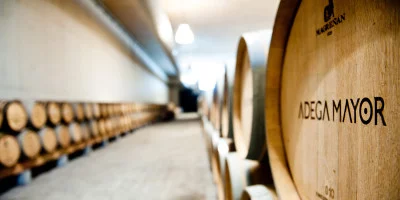
Tastings are rarely rushed. You will sit down, often with a view of the vines or barrels, and taste through a selection of wines. The host will explain the specific terroir of their sub-region—whether it is the cooler, altitude-influenced Portalegre or the hot, dry plains of Moura. Verified hosts on Winedering ensure that these visits are educational and engaging, not just a sales pitch.

A meal in Alentejo that goes beyond a simple stop

Lunch is the anchor of the day. It is an opportunity to taste the local history.

Whether it is a rich lamb stew or a fresh tomato and oregano salad, the food is seasonal and locally sourced. In a winery setting, the meal serves as a laboratory for understanding the wines. You will see how a high-alcohol red wine softens when eaten with fatty pork, or how an oak-aged white gains complexity alongside sheep's cheese. Expect at least three courses: appetizers, a main dish, and dessert, always accompanied by wine and coffee.

Time to breathe in Alentejo, with scenic routes and village strolls

Between tastings, the drive itself is part of the experience. The roads wind through olive groves and past megalithic stone monuments that dot the landscape.

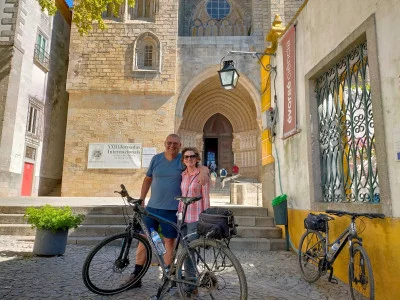
Good tours leave room for a stop in a fortified village. Walking the medieval walls of Monsaraz or visiting the Roman Temple in Évora adds a layer of historical depth to your trip. It is important not to overpack the schedule; the beauty of Alentejo lies in its vagar—a local word describing a slow, leisurely approach to time.

Choose the right food and wine tour in Alentejo for your pace

Your choice of tour should depend on how much time you want to spend in the car and how deep you want to dive into the wine culture. Tours range from half-day introductions to multi-day immersions.

Consider whether you want a private driver, which offers maximum flexibility, or a small group tour, which can be more social and budget-friendly. Check the itinerary for the number of wineries visited; two wineries plus lunch is a comfortable pace for a full day. Look for clear information on pickup locations, as public transport in rural Alentejo is limited.

Short food and wine experiences in Alentejo that still feel rich and complete

If you are short on time or driving through to another region, a half-day experience is ideal. These usually focus on a single estate but go into depth.

A typical format includes a vineyard walk, a cellar tour, and a tasting accompanied by substantial petiscos. This gives you a genuine taste of the region's quality without requiring a full day commitment. These are perfect for travelers staying in Évora who want a morning or afternoon activity before exploring the city.

Food and wine weekends in Alentejo for couples and friends

A weekend in Alentejo allows you to explore different sub-regions. You might spend Saturday in the Vidigueira area, known for its white wines and volcanic soils, and Sunday in the historic vineyards around Estremoz.

The mood is relaxed and romantic, with golden sunsets and quiet evenings. It is wise to book your tastings and meals in advance, as the best spots are small and fill up, especially on weekends. Look for experiences that offer flexible start times to suit your arrival.

Overnight stays in Alentejo that make the atmosphere part of the memory

Staying overnight at a wine estate changes the entire feel of the trip. You wake up to the sound of birds and the view of dew on the vines.

Many Enoturismo (wine tourism) properties in Alentejo are world-class, offering high-end comfort in restored farm buildings. Guests often get exclusive access to library vintages or private dinners. When booking, check if the estate has an on-site restaurant, so you don't have to drive after dinner.

Gift a food and wine tour in Alentejo that feel personal

A wine tour in Alentejo is a thoughtful gift for someone who appreciates bold red wines or slow travel. It is less about glitz and more about authenticity.

For a connoisseur, look for a tour that includes a Talha wine tasting or a visit to a legendary producer. For a couple, a sunset picnic in the vineyards or a tour with a private driver makes for a memorable celebration. Vouchers are usually flexible, allowing the recipient to choose their preferred date.

When to book a food and wine tour in Alentejo?

Alentejo is a year-round destination, but the experience changes drastically with the seasons. The landscape shifts from vibrant green in winter to golden brown in summer.

Booking lead times depend on the season. Spring and harvest time are the busiest periods, requiring booking at least a few weeks in advance. Weekdays are generally quieter than weekends, offering a more intimate interaction with winemakers.

Harvest season in Alentejo, when the region comes alive

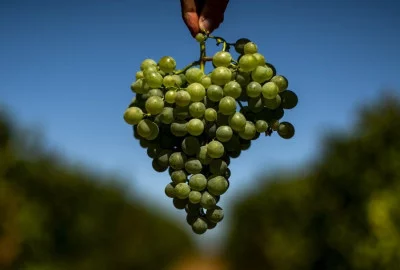
From late August to September, the vineyards are full of activity. You might see tractors hauling trailers of grapes and smell the aroma of fermenting juice in the air.

Tastings during this time are energetic, and you may get to taste must (fresh grape juice) directly from the tanks. Some estates still practice foot treading in stone lagares and invite guests to watch. It is a hot, busy, and exciting time to visit, so be prepared for early starts to beat the heat.

Autumn and winter in Alentejo, for deeper dishes and comforting wines

Winter in Alentejo is mild but can be chilly. This is the season for comfort. The landscape turns green again, and the smoke from wood fires scents the air.

It is the perfect time to drink the region's powerful, high-alcohol reds which provide warmth. Restaurants serve hearty game dishes, wild mushrooms, and chestnuts. Wineries are quieter, meaning you often get the undivided attention of the host. Just ensure you book tours with indoor tasting rooms.

Spring and summer in Alentejo, for outdoor meals and lighter pairings

Spring brings a carpet of wildflowers to the plains, making it the most photogenic season. Temperatures are pleasant for vineyard walks.

Summer is intensely hot, often exceeding 35°C (95°F). During these months, tours focus on the cool cellars and late evening dining. White wines and Rosés are the stars of the season, served chilled on shaded terraces. If visiting in summer, look for experiences that include a pool or evening programs.

Food and wine events in Alentejo, when the calendar adds extra magic

The region hosts several important fairs. The Ovibeja agricultural fair in spring showcases the best local produce. November brings the feast of São Martinho, traditionally associated with the opening of the clay pots (Talhas) to taste the new wine.

These events offer a deep dive into local culture but can make accommodation scarce. Pairing a visit to a fair with a structured wine tour gives you the best of both worlds: the chaos of the festival and the calm of the winery. Check dates early and secure your tour well in advance.