

Dégustations de vins, visites de caves et wine tours en Basto
Explorez les dégustations de vin et les visites de caves en Basto, une région qui se démarque dans Braga, Portugal. Avec 12 options disponibles, dont 11 directement au domaine, vous trouverez des expériences à partir de 1 heure jusqu'à 8 heures, dont le prix se situe entre €22.50 et €130. Visitez les domaines locaux, découvrez le terroir et savourez les vins qui font que Basto vaut le déplacement.
Si vous cherchez un wine tour, avec visites de caves et dégustations chez un ou plusieurs producteurs, cette page propose aussi 1 wine tour, au départ principalement de Porto.
Vila Real, Ribeira de Pena, Cerva e Limoes -
(Vinho Verde, Basto)
3 Heures
Min 2, Max 30
De €40

Vila Real, Ribeira de Pena, Cerva e Limoes -
(Vinho Verde, Basto)
3 Heures
Min 2, Max 20
De €25

Braga, Celorico de Basto, Arnoia -
(Vinho Verde, Basto)
2 Heures 30 Minutes
Min 2, Max 25
De €30
Vila Real, Ribeira de Pena, Cerva e Limoes -
(Vinho Verde, Basto)
3 Heures 30 Minutes
Min 2, Max 20
De €45

Braga, Celorico de Basto, Canedo de Basto e Corgo -
(Vinho Verde, Basto)
2 Heures
Min 2, Max 24
De €37.50

Braga, Celorico de Basto, Veade, Gagos e Molares -
(Vinho Verde, Basto)
2 Heures
Min 2, Max 20
De €24.50

Braga, Celorico de Basto, Veade, Gagos e Molares -
(Vinho Verde, Basto)
3 Heures 30 Minutes
Min 4, Max 9
De €60
Autres expériences, réservables en anglais

Distrito do Porto, Porto, Paranhos -
(Vallée du Douro, Dao, Vinho Verde, Beira Interior, Douro Superior, Basto, Porto)
8 Heures
Min 1, Max 7
De €130

Vila Real, Mondim de Basto, Ermelo e Pardelhas -
(Vallée du Douro, Vinho Verde, Basto)
1 Heure 30 Minutes
Min 2, Max 10
De €75

Braga, Celorico de Basto, Veade, Gagos e Molares -
(Vinho Verde, Basto)
1 Heure 30 Minutes
Min 2, Max 16
De €27.50

Braga, Celorico de Basto, Veade, Gagos e Molares -
(Vinho Verde, Basto)
1 Heure 30 Minutes
Min 2, Max 16
De €22.50

Braga, Celorico de Basto, Basto (Sao Clemente) -
(Vinho Verde, Basto)
1 Heure 30 Minutes
Min 4, Max 16
De €30
Les meilleures dégustations de vins à Basto
Découvrir Basto, c'est plonger au cœur de la sous-région la plus intérieure du Vinho Verde, là où l'influence atlantique cède la place aux montagnes protectrices. Ici, le vin n'est pas seulement une boisson, c'est le reflet vibrant d'un terroir de transition, marqué par des sols granitiques et un climat plus continental que sur la côte. Dans votre verre, vous trouverez la vivacité légendaire de la région, mais avec une structure et une maturité de fruit uniques, propres à cette zone protégée des vents marins directs.
Les dégustations à Basto sont une porte ouverte sur des domaines historiques, souvent des manoirs familiaux ("solares") séculaires entourés de jardins de camélias. Vous y découvrirez des vins blancs tranchants dominés par le cépage Azal, roi incontesté de ces vallées, et des rouges vifs au caractère bien trempé. Winedering a sélectionné pour vous des expériences authentiques, où l'accueil est personnel et la réservation immédiate, vous garantissant une immersion sans artifice dans ce terroir portugais méconnu.
Dégustations de vins à Basto, entre saveurs et arômes locaux
Une dégustation à Basto commence par une sensation de fraîcheur intense, portée par des arômes d'agrumes verts, de pomme granny smith et de fleurs blanches, typiques des blancs locaux. La texture en bouche est souvent marquée par une acidité "électrique" et rafraîchissante, signature des sols pauvres en granit et de l'altitude qui préserve la nervosité des raisins malgré les étés chauds de l'intérieur des terres.
Le terroir de Basto, abrité par les montagnes du Marão et de l'Alvão, bénéficie d'une amplitude thermique plus marquée que le reste du Minho, ce qui permet aux cépages tardifs comme l'Azal de mûrir pleinement tout en gardant leur mordant. Lors d'une dégustation classique, attendez-vous à une série de 3 à 5 vins : des blancs monocépages précis, des rosés fruités issus du cépage Padeiro, et souvent un rouge de Vinhão, puissant et tannique, servi frais.
Ces sessions sont conçues pour être accessibles mais informatives, durant généralement entre 60 et 90 minutes. Les guides, souvent membres de la famille propriétaire ou œnologues résidents, vous apprendront à déceler la minéralité pierreuse derrière le fruit. La plupart des expériences sont disponibles en anglais et en portugais, parfois en français. Réservez votre créneau pour comprendre pourquoi ces vins de montagne gagnent en reconnaissance internationale.
Grands classiques et vins emblématiques de Basto, les dégustations incontournables
Les vins de la sous-région de Basto se distinguent par une identité forte au sein de l'appellation Vinho Verde DOC. Ici, le profil n'est pas simplement léger et pétillant ; il est structuré et gastronomique. Les classiques incluent les blancs d'Azal, qui trouvent ici leur terroir de prédilection, offrant des notes de citron vert et une longévité surprenante, ainsi que les assemblages intégrant l'Arinto (localement appelé Pedernã) pour plus de complexité.
Un fait marquant à connaître : l'Azal, cépage emblématique de Basto, est l'une des variétés les plus acides du Portugal, nécessitant la chaleur spécifique de cet amphithéâtre naturel pour atteindre un équilibre parfait entre sucre et acidité. Les dégustations incontournables mettent souvent en avant cette variété, parfois comparée au Riesling pour sa tension minérale. En rouge, le Vinhão est un vin "teinturier" (à jus coloré), offrant une robe opaque violette et des tanins rustiques qui demandent une cuisine riche.
Pour apprécier ces vins, privilégiez les dégustations comparatives ou les "verticales" (même vin, différentes années) proposées par certains producteurs d'élite. Vous y découvrirez que le Vinho Verde de Basto sait vieillir avec grâce, développant des notes de pétrole et de fruits secs après quelques années en bouteille. Ne manquez pas de réserver ces expériences spécialisées pour aller au-delà du simple vin d'été.
Carte des dégustations de vins à Basto : planifiez votre visite en quelques clics
- Explorez la région en suivant le cours de la rivière Tâmega ; les domaines sont souvent regroupés autour des bourgs de Celorico de Basto et Mondim de Basto.
- Comptez environ 20 à 30 minutes de route entre les principaux domaines, ce qui rend la logistique simple pour une journée complète.
- Itinéraire demi-journée : Visitez une "Quinta" historique le matin avec dégustation, suivie d'une promenade dans les jardins du domaine.
- Itinéraire journée complète : Commencez par une visite technique, déjeunez d'une cuisine régionale (chevreau ou morue) dans un restaurant local ou au domaine, et terminez par une dégustation au coucher du soleil face au Mont Farinha.
- Week-end œnologique : Combinez 3 à 4 visites de vignobles avec une nuit dans un manoir reconverti en hôtel de charme ("Turismo de Habitação").
- Utilisez notre carte interactive pour filtrer les domaines par disponibilité et réservez vos créneaux instantanément pour garantir votre place.
Visites de caves à Basto, une expérience complète de la vigne au verre
Entrer dans une cave à Basto, c'est souvent pénétrer dans des bâtiments en granit épais où la fraîcheur est naturelle et constante. L'expérience commence généralement dans les vignes, où vous observerez les différents modes de conduite : de la traditionnelle "latada" (pergola haute) qui protège les raisins du sol humide, au cordon simple plus moderne favorisant la maturation. Vous sentirez l'odeur de la terre humide et des herbes sauvages qui bordent les parcelles.
Une visite complète vous guidera ensuite vers les chais. Ici, la tradition des "lagares" (cuves en pierre ouvertes) pour le foulage au pied côtoie les cuves inox thermorégulées. Vous apprendrez comment les vignerons bloquent souvent la fermentation malolactique sur les blancs pour préserver cette acidité tranchante ("crispness") qui fait la renommée de la région. C'est l'occasion de comprendre l'impact du sol granitique : pauvre en nutriments, il oblige la vigne à plonger ses racines en profondeur, conférant au vin cette salinité subtile en fin de bouche.
Que vous soyez novice curieux ou amateur éclairé, ces visites s'adaptent à votre niveau. Optez pour une introduction ludique si vous débutez, ou choisissez une visite technique avec le vigneron pour discuter levures indigènes et bâtonnage.
Les meilleurs domaines et producteurs de vin à Basto à visiter
Définir les "meilleurs" producteurs à Basto revient à chercher l'équilibre entre tradition séculaire et précision œnologique moderne. Nous privilégions les domaines qui offrent une hospitalité chaleureuse, souvent familiale, et dont les vins expriment la typicité du terroir sans défaut. Vous trouverez ici une gamme allant des petits producteurs boutiques aux grandes "Quintas" historiques dont les blasons ornent les portails depuis des siècles.
Soyez attentifs aux signaux d'expertise : les producteurs qui valorisent les vieilles vignes d'Azal, ceux qui expérimentent avec l'élevage sur lies pour donner du gras au vin, ou ceux qui remettent au goût du jour des cépages oubliés comme le Padeiro. La sous-région compte une densité remarquable de producteurs indépendants qui embouteillent leur propre récolte plutôt que de vendre à des coopératives, garantissant une forte identité à chaque étiquette. Parcourez notre sélection, vérifiez les disponibilités en temps réel et réservez directement pour soutenir ces artisans du vin.
Expérience viticole à Basto : à vivre et à partager
Imaginez une fin d'après-midi sur une terrasse en pierre, surplombant les vallées verdoyantes du Minho intérieur, un verre de vin blanc perlant à la main. Les expériences à Basto vont bien au-delà de la simple analyse technique ; elles sont des moments de convivialité et de connexion avec un rythme de vie plus lent. C'est une destination où le vin est le prétexte à la rencontre, au partage d'une table généreuse ou à la contemplation des paysages vallonnés.
Sur Winedering, nous vous proposons une transparence totale : prix clairs, annulation flexible et avis vérifiés d'autres voyageurs. Que vous cherchiez un atelier d'assemblage, un déjeuner vigneron ou simplement une dégustation commentée, tout est réservable en quelques minutes. Ne laissez pas ces moments au hasard ; assurez-vous de vivre l'authenticité de Basto en réservant votre expérience dès maintenant.
Dégustations à Basto avec menus locaux, déjeuners ou dîners au domaine
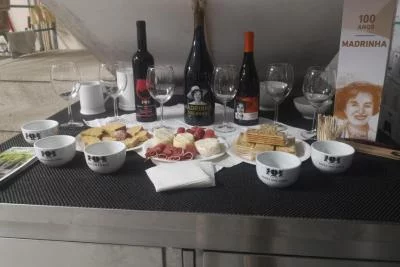
- La table de Basto est rustique et savoureuse : pain de maïs ("broa"), jambon fumé local, et fromages de brebis sont les préludes incontournables.
- Un "menu local" signifie ici des ingrédients sourcés à quelques kilomètres : viandes de race locale (Barrosã), légumes du potager et huile d'olive de la propriété.
- La logique des accords est simple et efficace : l'acidité tranchante des vins blancs coupe le gras des charcuteries, tandis que l'astringence des rouges de Vinhão nettoie le palais après des plats riches comme le riz de cabidela.
- Les déjeuners vignerons durent généralement 2 à 3 heures et incluent la dégustation de 3 à 5 vins commentés tout au long du repas.
- Consultez les menus proposés dans nos offres et réservez votre table à l'avance, surtout durant les week-ends de printemps et d'été.
Pique-niques dans les vignes et apéritifs au coucher du soleil à Basto
Profitez de la lumière dorée de fin de journée, moment où les montagnes projettent leurs longues ombres sur les rangs de vigne. Les pique-niques à Basto sont des moments de pure détente : on vous remettra un panier garni de spécialités régionales (empanadas, fruits frais, fromages) et une bouteille de vin fraîche, à déguster en toute liberté au milieu du vignoble.
Ces expériences sont idéales de mai à octobre, lorsque le climat est sec et les températures agréables. C'est une façon informelle et romantique de découvrir le vin, sans le formalisme d'une salle de dégustation. Les places pour les créneaux du coucher de soleil sont limitées ; pensez à réserver tôt et utilisez notre carte pour repérer les domaines offrant les plus beaux panoramas sur la vallée du Tâmega.
Expériences de dégustation guidées à Basto : domaines, randonnées et séjours d'un week-end
Le "slow travel" trouve tout son sens à Basto. Ici, on ne court pas d'une cave à l'autre ; on prend le temps de comprendre le paysage. Les expériences guidées peuvent combiner une randonnée sur l'Ecopista do Tâmega (une ancienne voie ferrée reconvertie) avec une halte dégustation bien méritée. C'est une approche active qui permet de sentir le terroir sous ses pieds avant de le goûter dans le verre.
Pour les amateurs plus pointus, certains domaines proposent des dégustations pédagogiques axées sur l'éducation du palais : identification des arômes primaires, détection de l'acidité et de la structure tannique. C'est l'occasion idéale pour comparer l'influence de l'altitude sur un même cépage au sein d'une même propriété. Optez pour un séjour avec nuitée pour une immersion totale dans le silence et la beauté de l'arrière-pays portugais.
Dégustations de vins à Basto avec des moments pour les couples et des expériences pour toute la famille
Basto est une destination accueillante pour tous. Pour les couples, l'ambiance intimiste des petits manoirs et les jardins historiques offrent un cadre romantique parfait, souvent agrémenté de dégustations privées ou de services premium avec vieux millésimes. C'est le luxe de la tranquillité et de l'exclusivité.
Les familles ne sont pas en reste. De nombreux domaines possèdent des fermes, des jardins étendus ou des espaces sécurisés où les enfants peuvent jouer pendant que les parents dégustent. Des jus de fruits locaux et des collations adaptées sont souvent prévus pour les plus jeunes. Les visites sont conçues pour être fluides et pas trop longues, garantissant le plaisir de chacun. Vérifiez les filtres "famille" ou "privé" pour trouver l'expérience qui correspond à votre groupe.
Bons cadeaux, coffrets et dégustations de vins à offrir à Basto
Offrir une dégustation à Basto, c'est offrir bien plus qu'une bouteille ; c'est offrir un souvenir, une escapade dans un Portugal authentique et préservé. Nos bons cadeaux sont la solution idéale pour surprendre un amateur de vin ou un couple d'amis : ils sont flexibles, valables sur une longue période et permettent aux bénéficiaires de choisir leur date idéale.
Vous pouvez opter pour un coffret incluant une visite classique pour des débutants, ou une expérience premium avec déjeuner pour des passionnés. La validité est claire, l'échange possible, et la confirmation immédiate. Si vous hésitez sur le domaine, le bon cadeau "choisir plus tard" reste l'option la plus sûre et la plus appréciée, laissant la liberté totale de découverte.
Au-delà de Basto : d'autres dégustations à découvrir à proximité
Votre voyage ne doit pas s'arrêter aux frontières de la sous-région. Basto est idéalement situé pour prolonger l'aventure viticole. En à peine 30 à 45 minutes de route, vous pouvez rejoindre d'autres zones aux profils très différents. C'est l'occasion de comparer les vins blancs tendus de Basto avec ceux, plus ronds, des vallées voisines, ou même de toucher aux premiers contreforts de la vallée du Douro.
Les sols changent, l'altitude varie, et les techniques de vinification s'adaptent. Une extension de votre itinéraire vers Amarante ou vers le sud vous permettra de saisir toute la diversité du nord du Portugal. Consultez les listes des régions voisines sur Winedering pour construire un parcours multi-étapes riche en contrastes.
Expériences viticoles surprenantes entre provinces et villages autour de Basto
Autour de Basto, des sous-zones comme Amarante ou Sousa offrent des expressions différentes du Vinho Verde. À Amarante, par exemple, les températures estivales plus élevées favorisent des vins avec plus de corps et d'alcool. C'est une comparaison fascinante à faire sur une même journée : goûter la fraîcheur citronnée d'un Azal de Celorico le matin, et la richesse d'un Avesso d'Amarante l'après-midi.
Cherchez les petits producteurs qui travaillent des cépages autochtones rares. Ces dégustations hors des sentiers battus sont souvent les plus mémorables, car elles vous connectent directement avec l'histoire agricole de la région. N'hésitez pas à ajouter une halte dans ces zones limitrophes pour enrichir votre palette de saveurs.
Les incontournables du vin de Basto
Avant de réserver, voici ce qu'il faut savoir pour passer pour un expert. Basto est l'une des 9 sous-régions officielles de l'appellation Vinho Verde DOC. Elle se distingue par sa localisation intérieure, loin de l'océan, ce qui crée un microclimat plus rude : hivers froids, étés chauds et secs. Ce climat, couplé à des sols granitiques, produit des vins avec une acidité naturelle élevée mais une maturité phénolique (arômes et tanins) plus aboutie que sur la côte.
Le terme clé ici est "terroir de transition". Les vins ont la fraîcheur du Minho mais la structure de l'intérieur. L'acidité n'est pas verte ou agressive ; elle est mûre et structurante, donnant aux vins un potentiel de garde souvent sous-estimé.
Cépages de Basto : héritage, sol et tradition
- Azal (Blanc) : La star locale. C'est un cépage à maturation tardive qui profite des étés chauds de Basto pour développer des arômes d'agrumes (citron, pamplemousse) tout en gardant une acidité tranchante.
- Padeiro (Rosé/Rouge) : Un cépage autochtone en pleine renaissance. Il produit des vins rosés très aromatiques, floraux et légers, parfaits pour l'été.
- Vinhão (Rouge) : Le rouge le plus planté de la région Vinho Verde. À Basto, il donne des vins d'une couleur d'encre, aux arômes de fruits des bois et à l'acidité marquée. Un vin de gastronomie pure.
- Arinto / Pedernã (Blanc) : Souvent assemblé avec l'Azal pour apporter de la structure, de la minéralité et des notes de pomme verte.
- Consultez notre guide des cépages pour choisir votre dégustation en fonction de vos préférences : acidité vive (Azal) ou fruité gourmand (Padeiro).
Vins signatures de Basto et étiquettes à connaître
Lors de vos visites, cherchez spécifiquement les "Vinho Verde Basto" monocépages. Un 100% Azal est l'expérience la plus pure du terroir : robe pâle, nez citronné, bouche tendue. Les vins effervescents (Espumante de Vinho Verde) sont également une spécialité croissante, l'acidité naturelle des raisins de Basto étant parfaite pour les bulles de qualité.
Les meilleurs producteurs proposent aussi des vins de réserve, élevés plus longtemps en bouteille ou sur lies, qui gagnent en complexité et en texture crémeuse. Servez les blancs bien frais (8-10°C) et osez servir les rouges de Vinhão légèrement rafraîchis (12-14°C) pour dompter leurs tanins. Réservez une dégustation incluant ces cuvées spéciales pour comprendre le véritable potentiel de la région.
Gastronomie et vin à Basto, l'accord parfait
La cuisine de Basto est une cuisine de montagne, généreuse et savoureuse, conçue pour soutenir le travail aux champs. Elle appelle des vins capables de trancher dans le gras et de rafraîchir le palais. Imaginez des tables chargées de viandes fumées, de ragoûts mijotés et de pain de maïs dense à la croûte croustillante.
Les produits locaux bénéficient souvent d'appellations protégées (DOP/IGP), comme la viande de bœuf Barrosã ou le chevreau des hautes terres. L'accord régional classique repose sur l'opposition : la vivacité du vin contre la richesse du plat. Pour une expérience complète, ne vous contentez pas de boire ; mangez local lors de votre visite.
Circuits gastronomiques et œnologiques à Basto pour goûter la région au-delà du verre
Les circuits gourmands vous emmènent à la rencontre des artisans : boulangers préparant le célèbre "Pão de Ló" (génoise aérienne), producteurs de miel de bruyère et fumeurs de jambon. Ces tours incluent souvent le transport, vous permettant de profiter pleinement des dégustations sans souci de conduite.
C'est une immersion culturelle où le guide vous explique le lien intime entre le paysage, l'agriculture et l'assiette. Comptez une demi-journée ou une journée entière pour ces parcours qui nourrissent autant l'esprit que le corps. Réservez votre place pour une aventure culinaire guidée sans stress.
Vins de Basto et plats locaux avec des accords à essayer
- Riz de "Cabidela" (poulet au sang) + Vinhão Rouge : L'accord roi. L'acidité vinaigrée de la sauce appelle l'acidité du vin, tandis que les tanins nettoient le palais.
- Morue (Bacalhau) au four + Azal Blanc : La graisse du poisson et de l'huile d'olive est parfaitement coupée par la fraîcheur citronnée de l'Azal.
- Chevreau rôti (Cabrito assado) + Vinho Verde Rouge charpenté : La viande tendre et gélatineuse demande un vin rouge avec du corps et de l'astringence pour équilibrer le gras.
- Pão de Ló (gâteau éponge) + Espumante demi-sec : La douceur du gâteau s'accorde avec les bulles et la légère sucrosité d'un effervescent local.
- Recherchez les dégustations proposant ces accords spécifiques pour une véritable leçon de gastronomie portugaise.
Créez votre propre séjour sur le thème de Basto
Construire un séjour à Basto, c'est privilégier la fluidité et la nature. Commencez par choisir un point de chute central, comme Celorico ou Mondim, qui vous placera à moins de 20 minutes de la plupart des vignobles. Prévoyez un rythme réaliste : deux visites de domaines par jour laissent le temps de profiter des paysages, de déjeuner tranquillement et de faire une balade digestive.
L'ambiance ici est à la déconnexion. Les routes sont belles mais sinueuses ; prenez le temps de les apprécier. Utilisez notre carte interactive pour visualiser les distances et réservez vos activités à l'avance pour structurer vos journées sans rigidité.
Choses à faire autour de Basto pour rendre votre voyage encore plus mémorable
- Admirez les chutes d'eau de Fisgas de Ermelo, l'une des plus grandes chutes d'eau de la péninsule ibérique, situées dans le parc naturel de l'Alvão.
- Montez au sanctuaire de Nossa Senhora da Graça au sommet du Monte Farinha pour une vue panoramique époustouflante sur toute la région viticole.
- Louez un vélo et parcourez l'Ecopista do Tâmega, une voie verte plate et sécurisée qui longe la rivière et traverse les vignobles (environ 40km de piste).
- Visitez le pont médiéval de Matamá ou le pont de Cavez pour une touche d'histoire architecturale.
- Combinez une matinée active (vélo ou rando) avec une dégustation l'après-midi pour une journée parfaitement équilibrée.
Villages de contes de fées, sites incontournables et lieux à visiter autour de Basto
- Mondim de Basto : Un bourg charmant avec ses rues pavées et ses maisons en granit, porte d'entrée vers les montagnes.
- Celorico de Basto : Célèbre pour ses jardins de camélias et sa bibliothèque moderne primée, un contraste architectural intéressant.
- Cabeceiras de Basto : Visitez le monastère de S. Miguel de Refojos, un joyau baroque surnommé le "joyau du Minho".
- Ces villages sont tous situés à 15-20 minutes les uns des autres. Ajoutez une halte culturelle entre deux dégustations pour enrichir votre expérience.
Vous prévoyez un voyage à Basto ? Voici le meilleur moment pour partir
- Printemps (Mars-Mai) : Idéal pour voir les camélias en fleurs (symbole de la région) et la vigne sortir de sa dormance. Températures douces, risque de pluie modéré.
- Été (Juin-Août) : Chaud et sec, parfait pour les soirées en terrasse, mais les journées peuvent atteindre 30°C. Privilégiez les visites de caves fraîches l'après-midi.
- Automne (Septembre-Octobre) : La saison des vendanges. L'énergie est palpable, les paysages virent à l'ocre. C'est le moment le plus prisé, réservez très tôt.
- Consultez les disponibilités en temps réel sur Winedering, surtout si vous visez la période des vendanges où les domaines sont très sollicités.
Festivals et événements viticoles à Basto et aux alentours à ne pas manquer
- Festa das Vindimas (Fête des Vendanges) : Célébrée dans plusieurs villages en septembre, avec foulage du raisin, musique folklorique et dégustations.
- Fête internationale du Camélia (Celorico de Basto) : En mars, une célébration unique mêlant fleurs et vins locaux.
- Feira da Terra (Mondim de Basto) : En été, une foire mettant à l'honneur l'gastronomie, l'artisanat et les vins de la région.
- Ces événements attirent du monde ; prévoyez votre hébergement et vos transports bien en avance.
Basto : Bon à savoir
Quelle visite en Basto ?
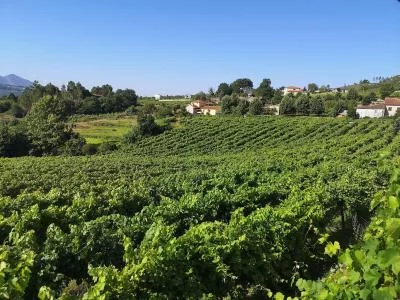
Basto se trouve à l'intérieur de la région du Vinho Verde, dans le nord du Portugal, et comprend des municipalités telles que Cabeceiras de Basto, Celorico de Basto, Mondim de Basto et Ribeira de Pena. Elle est plus abritée de l'Atlantique que les sous-régions côtières, avec des collines accidentées, des sols granitiques et un mélange d'influences humides et continentales. Le terrain est montagneux et verdoyant, parcouru de rivières et de vallées. Basto offre un paysage viticole un peu plus sauvage - une topographie plus fraîche et plus dramatique, avec un sentiment d'éloignement et un fort caractère rural. C'est idéal pour les voyageurs qui veulent du vin, de la nature, de l'histoire et des régions moins touristiques.
À Basto, tu trouveras de petits domaines et des producteurs familiaux où les dégustations sont personnelles. L'oenotourisme consiste généralement à explorer les vignobles nichés dans les montagnes, à admirer la vue sur les vallées, à faire de la randonnée ou à emprunter des routes rurales pittoresques. Certains domaines viticoles proposent des dégustations guidées, des visites de caves et la possibilité d'associer le vin à des plats locaux dans un cadre pittoresque, à la ferme ou à la campagne. Parce qu'elle est moins commerciale, la visite de Basto offre une expérience immersive et tranquille du vin : tu pourras rencontrer les producteurs, observer de près la vie de la vigne et découvrir la viticulture traditionnelle adaptée aux pentes plus raides et au climat de l'intérieur des terres.
Quel plat déguster à Basto ?
La cuisine de Basto reflète sa géographie montagneuse à l'intérieur des terres. Les ragoûts copieux, les viandes mijotées, le gibier et le porc sont courants. Les pains locaux, les fromages, les champignons et les herbes sauvages sont souvent à l'honneur. Dans des municipalités comme Celorico de Basto, les sucreries comme le pão de ló et les cavacas sont traditionnelles. L'huile d'olive, les légumineuses et les châtaignes peuvent également faire leur apparition en fonction de l'altitude. Dans les vallées plus élevées, la nourriture a tendance à être rustique mais riche en saveurs, se mariant bien avec des vins ayant plus de corps ou de structure. Les repas ont tendance à être sans prétention : tavernes, cuisines familiales, petits restaurants locaux où la fraîcheur et les ingrédients locaux comptent le plus.
Quels vins déguster à Basto ?
Basto cultive une variété de raisins blancs et rouges adaptés à ses conditions plus continentales. En ce qui concerne le blanc, l'Azal est important ; ses vins ont tendance à être frais, avec des tons d'agrumes et de fruits verts. Pour ce qui est du rouge, des variétés telles que l'Espadeiro sont cultivées. Les sols - principalement granitiques et rocheux - ainsi que les variations de température (étés plus chauds à l'intérieur des terres, hivers froids) contribuent à produire des vins au fruit plus prononcé, à l'alcool potentiel plus élevé et parfois plus structurés que les styles plus légers du Vinho Verde côtier. L'aspect, l'altitude et le microclimat jouent un rôle important dans la façon dont les raisins mûrissent.
Quelle est la meilleure saison pour visiter Basto ?
Les meilleures périodes pour visiter Basto vont de la fin du printemps au début de l'automne. De mai à juin, les vignes poussent, fleurissent et le temps est agréable. La fin de l'été et le début de l'automne (août-septembre) est la période des vendanges, ce qui te permet de voir les vignobles en activité et de goûter des vins en transition ou fraîchement sortis du pressoir. Les hivers sont froids et pluvieux, surtout en altitude, et les vignobles sont en sommeil ; de nombreux producteurs peuvent réduire leurs services aux visiteurs. Le printemps et l'automne offrent également de magnifiques feuillages et une lumière changeante dans les vallées, ce qui permet d'améliorer les routes panoramiques ou les randonnées.
Que faire à Basto ?
Pour une visite, base-toi sur l'une des municipalités de Basto, comme Celorico de Basto ou Mondim de Basto. Sers-toi de cette base pour visiter les vignobles, faire des excursions dans la campagne et visiter les sites patrimoniaux (églises, châteaux, architecture romane). Apporte une voiture car de nombreux vignobles sont éloignés. Prévois des dégustations de vin accompagnées de plats locaux dans les petits villages. Si possible, organise ta visite pendant les vendanges. Prévois du temps pour des promenades dans la nature, dans les collines, au bord des rivières, et pour des moments de détente - Basto, c'est autant l'atmosphère et le paysage que le vin.
Combien coûte une dégustation de vin avec visite de Vignoble à Basto?
Le prix moyen d'une dégustation de vins avec visite de cave à Basto est d'environ €46. Selon l'expérience, les prix varient de €22.50 à €130. Réserver à l'avance garantit la disponibilité et les meilleurs prix.
Quelles Vignobles et Caves visiter à Basto ?
Voici les meilleurs Vignobles et Caves à visiter à Basto:
- Quinta da Raza | Vinhos de Quinta
- Quinta das Escomoeiras
- Quinta do Bomfim
- Villa Seara
- ADEGA DOS LEÕES
- CHÃO DO RIO
D'où partent généralement les wine tours en Basto ?
Les principaux points de départ des wine tours en Basto :
Continuer avec un compte de réseau social