

Wine Tours in Val d'Orcia from Florence and Siena
In Val d'Orcia, in the heart of Tuscany, wine tours are one of the most natural ways to discover wineries, local flavors, and authentic pairings. On Winedering you'll find 30 wine experiences, with wine itineraries ranging from 5 hours to 12 hours, including guided tastings and regional specialties. Prices start from €92 and go up to €1,450. The main departure points are Florence, Siena, Rome, Montepulciano and Montalcino. Choose your pace and book your wine tour in Val d'Orcia in just a few clicks.
Of these tours, 10+ come to pick you up where you are staying and 10+ start from a meeting point set by the host.

Tuscany, Florence, Florence -
(Montalcino, Chianti, Montepulciano, Val d'Orcia, Valdichiana, Hills of Florence, Crete Senesi)
11 Hours 30 Minutes
Min 1, Max Not Specified
From €92

Tuscany, Florence, Florence -
(Montalcino, Chianti, Val d'Orcia, Hills of Florence, Crete Senesi)
10 Hours
Min 2, Max 6
From €529
Tuscany, Siena, Siena City -
(Montalcino, Chianti, Val d'Orcia, Crete Senesi)
9 Hours
Min 2, Max 8
From €180

Tuscany, Florence, Florence -
(Montalcino, Chianti, Val d'Orcia, Hills of Florence, Crete Senesi)
9 Hours
Min 2, Max 8
From €239

Tuscany, Florence, Florence -
(Chianti, Montepulciano, Val d'Orcia, Valdichiana, Hills of Florence, Crete Senesi)
9 Hours
Min 1, Max 50
From €765 (Groups Discount Available!)
Tuscany, Siena, Siena City -
(Montalcino, Chianti, Montepulciano, Val d'Orcia, Valdichiana, Crete Senesi)
9 Hours
Min 1, Max 30
From €145

Tuscany, Florence, Florence -
(Montalcino, Chianti, Montepulciano, Val d'Orcia, Valdichiana, Hills of Florence, Crete Senesi)
12 Hours
Min 2, Max 8
From €450 (Groups Discount Available!)

Tuscany, Siena -
(Chianti, Val d'Orcia, Valdichiana, Hills of Florence, Crete Senesi)
10 Hours
Min 2, Max 6
From €529

Tuscany, Siena, Siena City -
(Montalcino, Chianti, Val d'Orcia, Crete Senesi)
8 Hours
Min 2, Max 8
From €460 (Groups Discount Available!)

Tuscany, Siena, Siena City -
(Montalcino, Chianti, Val d'Orcia, Crete Senesi)
9 Hours
Min 2, Max 8
From €330 (Groups Discount Available!)

Tuscany, Siena, Montepulciano -
(Montepulciano, Val d'Orcia, Valdichiana, Crete Senesi)
8 Hours
Min 2, Max 8
From €490 (Groups Discount Available!)

Tuscany, Siena, Siena City -
(Montalcino, Chianti, Val d'Orcia, Crete Senesi)
8 Hours
Min 2, Max 8
From €600 (Groups Discount Available!)
The best food and wine tours in Val d'Orcia that you can't miss
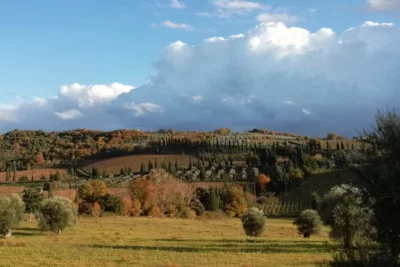
The wind here carries the scent of wild broom and dry clay, sweeping across hills that look more like a painting than farmland. Val d'Orcia is a UNESCO World Heritage site in southern Tuscany, defined by its iconic cypress-lined roads and vast, undulating wheat fields. But beneath this scenic surface lies a serious agricultural engine. The region is home to the prestigious Brunello di Montalcino DOCG and the growing Orcia DOC, covering thousands of hectares of vineyards that produce some of Italy's most structured red wines. A food and wine tour here is essential because the landscape is vast and the best producers are often hidden down unmarked gravel roads.
Navigating these hills on your own can be challenging.
By booking a tour, you gain access to family-run estates that don't always keep regular opening hours. You connect the dots between the sheep grazing on the ridges and the Pecorino cheese on your plate. Whether you are visiting a historic cellar in Montalcino or a farmhouse kitchen near Pienza, these experiences offer a direct link to the land, grounded in hospitality and verifiable quality.
In Val d'Orcia, wine and food belong at the same table
In this part of Tuscany, wine is rarely consumed without food. The local rhythm dictates that a glass of Sangiovese is supported by something substantial, from a slice of crusty bread with olive oil to a board of cured meats. This is not a formal tasting protocol; it is simply how people here eat and drink. You will find that visits often start with a walk through the vines but inevitably end around a heavy wooden table.
The social element is central to the experience. Winemakers often pour the wines themselves, sharing stories about the harvest while passing plates of local specialties. On Winedering, a "pairing" implies a deliberate connection between the glass and the dish.
It means the acidity of the wine is chosen to cut through the fat of the salami, or the tannins are selected to stand up to a rich sauce. You aren't just getting snacks; you are getting a lesson in balance.
How the landscape of Val d'Orcia shapes what ends up in your glass and on your plate
The terrain here is unique, composed largely of clay and limestone soils often referred to as the "Crete Senesi." These soils, combined with a climate that sees hot days and cool nights, create wines with intense color and powerful structure. The lack of water in the clay forces vine roots to dig deep, resulting in concentrated flavors in the grapes.
This stark, sun-baked landscape also dictates the menu.
The hard durum wheat that covers the hills is used to make pici, the local thick spaghetti. The rugged pastures are ideal for sheep, leading to the production of Pecorino di Pienza. Because the soil is rich in minerals, the olive oil produced here has a distinctive spicy kick. When you eat and drink in Val d'Orcia, you are tasting the direct results of this specific geology and climate.
The pairings you'll remember long after you leave Val d'Orcia
Great pairings in Val d'Orcia rely on structure meeting structure. The Sangiovese grape, which dominates the region, has high acidity and firm tannins that demand food with protein and fat. Without food, these wines can feel austere; with food, they become seamless.
The combinations here are born from centuries of peasant tradition rather than chef experiments. You will encounter robust red wines paired with game meats or aged cheeses, where the intensity of the food matches the weight of the wine. Look for tours that explicitly include "lunch" or "light lunch" to experience these interactions fully.
Cheese, cured meats, and artisan specialties you'll find in Val d'Orcia
- Pecorino di Pienza: This is the region's signature sheep's milk cheese. It ranges from fresh and soft (creamy, sweet) to aged in ash or walnut leaves (crumbly, spicy, nutty).
- Cinta Senese Cured Meats: Made from a local breed of pig easily recognized by its white stripe. The meat has a high fat content, giving the salami and prosciutto a melting texture and deep savory flavor.
- Tuscan Bread (Pane Sciocco): Saltless bread with a thick crust. Its neutral profile makes it the perfect vehicle for salty meats and potent olive oil.
In a typical tasting, a fresh, young Pecorino pairs well with a fruity Rosso di Montalcino. The fat in the cheese softens the wine's acidity. Conversely, a slice of aged, peppery Pecorino requires the muscle of a Brunello or a Riserva to stand its ground.
Regional classics in Val d'Orcia that shine even more with the right glass alongside
If you sit down for a full meal, you will likely encounter Pici cacio e pepe or Pici all'aglione. The former uses sharp cheese and pepper, requiring a medium-bodied red to cleanse the palate. The latter features a garlic-tomato sauce that pairs beautifully with the herbal notes of a Sangiovese.
Another staple is wild boar (cinghiale), often served as a stew.
This dish is rich, gamey, and intense. It requires a wine with significant grip, such as a Brunello di Montalcino aged for several years. The tannins in the wine bind with the proteins in the meat, smoothing out the texture of both.
Shape your food and wine tour itinerary around the table in Val d'Orcia
The distances in Val d'Orcia can be deceptive. The winding roads mean that ten kilometers can take twenty minutes to drive. Therefore, it is smart to build your itinerary from the meal outward. Decide where you want to have lunch—perhaps a hilltop winery with a view or a trattoria in a medieval village—and plan your morning and afternoon tastings around that anchor.
Consider your appetite and your driving preferences. If you want to taste several wines, a tour with a driver or a localized itinerary is safer and more relaxing. Check the duration of experiences carefully; a "tasting with lunch" can easily last three hours because nobody in Tuscany rushes a meal.
The kind of meal you're dreaming about in Val d'Orcia, from rustic to refined
Dining settings vary from stone-walled cellars to panoramic terraces. A lunch at a winery usually involves a set menu of three or four courses, served at a relaxed pace. The atmosphere is generally "country elegance"—linen napkins and good stemware, but without stiff formality.
Vegetarians are well-catered for here, as many traditional dishes are meat-free, relying on cheese, vegetables, and pasta. If you are celebrating, look for estates that offer private dining rooms or sunset dinners. For a casual day out with friends, a picnic in the vineyards with a basket of local supplies is an excellent alternative.
The wine styles to explore in Val d'Orcia: from icons to small producers
Sangiovese is the undisputed king here. You will encounter it primarily as Brunello di Montalcino (100% Sangiovese, aged minimum 5 years) and Rosso di Montalcino (younger, fresher, released after 1 year). The Orcia DOC allows for more blending, often incorporating varieties like Merlot or Colorino.
Producers range from historic estates with centuries of lineage to small, artisan families farming less than five hectares.
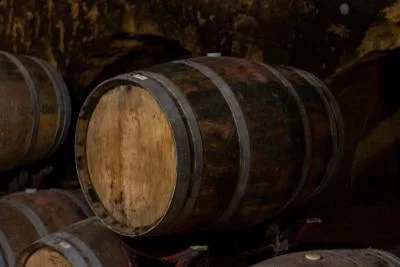
The larger estates often use massive Slavonian oak barrels (botti) for traditional aging, while some modern producers might use smaller French barriques. Ask your host about their aging vessels; it’s a great way to understand the style in your glass. While red is dominant, you may also find crisp white wines made from Trebbiano and Malvasia, perfect for an aperitivo.
Small additions in Val d'Orcia that elevate everything, like a cooking class or walking among the vines
- Cooking Classes: Learn to roll pici by hand. This connects you physically to the region's wheat heritage and usually ends with eating what you made.
- Truffle Hunting: Available seasonally (mostly autumn), this involves following a trained dog through the woods near San Giovanni d'Asso. It’s an active, muddy, and rewarding addition.
- Olive Oil Tasting: Many wineries also produce high-quality oil. A guided tasting teaches you to detect bitterness and spice, indicators of quality antioxidants.
These activities add depth to a trip, moving beyond observation to participation. They are excellent for families or anyone wanting to break up a day of wine tasting.
What a food and wine tour in Val d'Orcia looks like, step by step
A typical day starts with a drive through the photogenic rolling hills. Upon arrival at the estate, you are usually greeted by a host or a family member. The experience often begins with a visit to the vineyards to see the soil and vines up close, followed by a tour of the fermentation and aging cellars.
Next comes the tasting.
You will sit down, often in a tasting room with a view or a dedicated cellar area. The wines are poured in a specific order, usually from lightest to most structured. Platters of food arrive to accompany the wines. If you have booked a lunch tour, this transitions into a full seated meal. The pace is slow, allowing time for questions and conversation. You leave with a full stomach and a clear understanding of the region's production.
Winery visits in Val d'Orcia, with guided pairings and storytelling
The welcome at Val d'Orcia wineries is warm and personal. Hosts take pride in explaining the strict rules of the Brunello or Orcia appellations. You won't just drink; you will learn why the altitude of the vineyard preserves acidity or how the harvest weather affected the vintage you are holding.
Tastings are almost always seated and guided. This is not a "stand at the bar" experience. The focus is on quality and context, ensuring you understand the labor behind the bottle.
A meal in Val d'Orcia that goes beyond a simple stop
A winery meal is designed to showcase the wine, not just feed you. The recipes are often family heirlooms, prepared with ingredients sourced from the estate or nearby neighbors. Expect courses like ribollita (bread and vegetable soup) or tagliatelle with meat sauce.
These meals offer a level of authenticity hard to find in tourist restaurants. You are eating the winemaker's food, paired exactly as they intend. Expect to spend at least two hours at the table.
Time to breathe in Val d'Orcia, with scenic routes and village strolls
Between tastings, the drive itself is an attraction. The roads connecting Montalcino, Pienza, and San Quirico offer constant photo opportunities. It is worth stopping to walk through the stone streets of Bagno Vignoni or to see the Vitaleta Chapel.
Don't pack your schedule too tightly.
Leave a buffer of 45 minutes between appointments to account for slow roads and spontaneous stops. A tour that includes "free time" in a village allows you to grab a gelato or shop for ceramics without watching the clock.
Choose the right food and wine tour in Val d'Orcia for your pace
Your choice depends on how much time you have and your interest level in wine technicalities. If you are staying in Florence or Siena and visiting for the day, a full-day tour with transport is the most efficient way to see the region without fatigue. If you are staying locally, a self-drive meetup at a winery offers more flexibility.
Consider the group size. Small-group or private tours allow for deeper conversations with the winemaker. Check the inclusions carefully: does the price cover the full lunch and all wine samples? Winedering listings make these details transparent.
Short food and wine experiences in Val d'Orcia that still feel rich and complete
If you have limited time, a "tasting with light lunch" is a solid option. These typically last about 90 minutes to two hours. You get a cellar tour, a focused tasting of 3-4 wines, and substantial snacks like bruschetta, cheese, and cold cuts.
This format is perfect for travelers moving between cities who want a high-quality break. It delivers the essence of the region—the landscape, the Sangiovese, the Pecorino—without taking up the entire day.
Food and wine weekends in Val d'Orcia for couples and friends
A weekend allows you to slow down. Dedicate one day to the classic producers of Brunello and another to discovering smaller, organic farms in the Orcia DOC. The evenings are for relaxing dinners in village piazzas.
This pace suits couples looking for romance or friends wanting to reconnect. Booking a tour for the middle of the day leaves your mornings lazy and your evenings free. It removes the stress of planning and ensures you hit the best spots.
Overnight stays in Val d'Orcia that make the atmosphere part of the memory
Staying overnight changes the experience completely. You see the valley at golden hour and in the misty morning, times when day-trippers are gone. Many wineries offer agriturismo accommodation, ranging from simple apartments to luxury suites.
Waking up on a vineyard means you can enjoy a wine tasting without worrying about driving. Look for packages that bundle a stay with a dinner or tasting for a seamless experience.
Gift a food and wine tour in Val d'Orcia that feel personal
A tour in Val d'Orcia is a gift of memory. It suits wine collectors who respect the Brunello label, but also food lovers who dream of authentic pasta and cheese. It is experiential rather than material.
Choose a voucher with a long validity to give the recipient flexibility. Whether it is a honeymoon treat or a retirement gift, the combination of world-class wine and stunning scenery rarely fails to impress.
When to book a food and wine tour in Val d'Orcia?
Val d'Orcia is beautiful year-round, but the landscape changes color with the seasons. Spring is vibrant green; summer is golden yellow; autumn brings warm browns and oranges. Each season offers a different culinary mood.
Popular periods like September and October require booking weeks in advance. Wineries here are small and prioritize quality over volume, so spaces fill up quickly. Check live availability to secure your preferred dates.
Harvest season in Val d'Orcia, when the region comes alive
September and October are the most dynamic months. You might see tractors hauling trailers of grapes or smell the fermenting must in the air. The energy in the wineries is high, and visits often feel more "behind the scenes."
Because the staff is busy with production, tours must be booked well ahead. The weather is generally mild, perfect for heavy vineyard lunches and tasting the first nuances of the new vintage from the tanks.
Autumn and winter in Val d'Orcia, for deeper dishes and comforting wines
November brings the olive harvest and the truffle season. The landscape turns quiet and misty. This is the best time for serious red wine drinkers, as the cool weather invites heavier, aged Brunellos and rich stews.
crowds are thinner, meaning you often get the host's full attention. Just be aware that daylight hours are shorter, so lunch tours are preferable to late afternoon tastings.
Spring and summer in Val d'Orcia, for outdoor meals and lighter pairings
From May to August, life moves outside. You can eat on terraces overlooking the wheat fields. While it can get hot, the dry heat is manageable, especially with a glass of chilled white or rosé.
This is prime time for picnic tours and sunset tastings. The days are long, allowing for late starts and leisurely drives. Be sure to carry water and a hat if your tour includes a vineyard walk.
Food and wine events in Val d'Orcia, when the calendar adds extra magic
The region hosts several key events, such as the Pecorino festival in Pienza in September or the White Truffle festival in San Giovanni d'Asso in November. These events fill the streets with stalls and aromas.
Visiting during a festival adds a layer of festivity to your trip. However, accommodation and restaurants book out fast. Pairing a guided winery tour with a festival visit gives you the best of both worlds: the structured calm of the estate and the vibrant chaos of the town.
Val d'Orcia: Good to know
How much does a wine tour in Val d'Orcia cost?
The average price of a wine tour in Val d'Orcia is around €312. Depending on the experience, prices range from €92 to €1,450. Booking in advance ensures availability and the best prices.
Can I do just a wine tasting instead of a full tour in Val d'Orcia?
Here are the best wine tastings to book in Val d'Orcia:
- Sips of of Val d'Orcia: Wine tasting & typical products at Atrivm Winery
- Tour, Wine tasting and Zero-kilometer lunch at Santa Giulia in Montalcino
- Tour, Wine tasting and light lunch at Santa Giulia in Montalcino
- Discovering Sangiovese – Wine Tasting at San Polo in Montalcino
- Premium Wine Tasting & Tuscan Platter at Cordella Winery in Montalcino
- Brunello wine tasting experience at Sassodisole in Montalcino
- Guided tour & Wine and Olive Oil tasting at Lignanello in theVal d'Orcia
- "Classic" wine tasting at Sesta di Sopra
Can I book a wine weekend or a stay at a winery in Val d'Orcia?
Yes: on Winedering you can book one stay in Val d'Orcia, from a wine weekend to a longer trip, sleeping mostly at wineries, wine resorts and farm stays among the vines, nearly always with a wine tasting included. Discover Wine holidays in Val d'Orcia.
Where do wine tours in Val d'Orcia usually depart from?
The main departure points for wine tours in Val d'Orcia:
Do wine tours in Val d'Orcia pick you up at your hotel?
10+ of these wine tours come to pick you up at the address you give, usually your hotel. You provide it when you book.
See the wine tours with pickup in Val d'Orcia
Do wine tours in Val d'Orcia have a fixed meeting point?
10+ of these wine tours start from a meeting point set by the host, shown in the experience details before you book.
See the wine tours with a meeting point in Val d'Orcia
Continue with a social account