

Wine Tastings, Winery Visits and Wine Tours in Bordeaux
Explore wine tastings and winery visits in Bordeaux, a standout area within Aquitaine-Limousin-Poitou-Charentes, France. With 162 options available, 93 of them at the winery itself, you'll find experiences from 30 minutes up to 9 hours, priced between €6 and €1,623. Visit local wineries, discover the terroir, and savor the wines that make Bordeaux worth the trip.
If you are looking for a wine tour, with cellar visits and tastings at one or more wineries, this page also lists 54 wine tours, departing mainly from Bordeaux, Cenon, Neac, Saint-Emilion and Le Bouscat.
Organising a day out for your company? Wine team building at the winery

Aquitaine-Limousin-Poitou-Charentes, Gironde, Bordeaux -
(Bordeaux)
3 Hours
Min 1, Max 15
From €120

Aquitaine-Limousin-Poitou-Charentes, Gironde, Bordeaux -
(Bordeaux)
1 Hour 30 Minutes
Min 1, Max 12
From €39

Aquitaine-Limousin-Poitou-Charentes, Gironde, Libourne -
(Bordeaux, Pomerol, Saint-Emilion)
1 Hour 30 Minutes
Min 1, Max 8
From €18

Aquitaine-Limousin-Poitou-Charentes, Gironde, Libourne -
(Bordeaux, Saint-Emilion, Castillon – Côtes de Bordeaux, Côtes-de-bordeaux)
1 Hour 15 Minutes
Min 1, Max 15
From €28.50

Aquitaine-Limousin-Poitou-Charentes, Gironde, Bordeaux -
(Bordeaux, Médoc, Haut-Médoc)
7 Hours
Min 2, Max 8
From €99

Aquitaine-Limousin-Poitou-Charentes, Gironde, Bordeaux -
(Bordeaux)
1 Hour
Min 1, Max 15
From €12
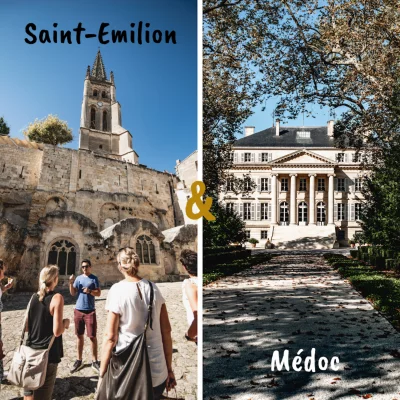
Aquitaine-Limousin-Poitou-Charentes, Gironde, Bordeaux -
(Bordeaux, Saint-Emilion)
9 Hours
Min 2, Max 8
From €195

Aquitaine-Limousin-Poitou-Charentes, Gironde, Bordeaux -
(Bordeaux)
1 Hour
Min 1, Max 6
From €39

Aquitaine-Limousin-Poitou-Charentes, Gironde, Libourne -
(Bordeaux)
2 Hours
Min 2, Max 25
From €30

Aquitaine-Limousin-Poitou-Charentes, Gironde, Libourne -
(Bordeaux, Fronsac)
1 Hour
Min 2, Max 8
From €12

Aquitaine-Limousin-Poitou-Charentes, Gironde, Bordeaux -
(Bordeaux)
1 Hour
Min 1, Max 4
From €45

Aquitaine-Limousin-Poitou-Charentes, Gironde -
(Bordeaux, Saint-Emilion)
1 Hour
Min 2, Max 10
From €20
The best wine tastings in Bordeaux
Bordeaux is not just a label on a bottle; it is a sensory journey where the Atlantic breeze meets the warmth of the gravel. A wine tasting here is an invitation to understand why this region remains the world's reference for fine wine. You won’t just sip; you will walk the rows, smell the cellar’s damp oak, and feel the history of estates that have shaped winemaking for centuries.
The region is vast, covering over 100,000 hectares of vineyards, but the experience is surprisingly intimate. Whether you are visiting a prestigious Grand Cru Classé in the Médoc or a family-run organic estate in Entre-Deux-Mers, the focus is on terroir. You will learn how the soil—gravel on the Left Bank, clay and limestone on the Right—dictates the personality of the wine in your glass.
Expect diversity in every flight. A typical tasting might start with a crisp white or a sparkling Crémant, move to the structured reds that define the region, and perhaps finish with a golden drop of Sauternes. Visits are efficient but unhurried, often lasting about 90 minutes, giving you time to explore the vat rooms and ask the winemaker about the vintage.
At Winedering, we curate experiences that bypass the velvet ropes. We connect you with châteaux that are open, welcoming, and ready to share their craft, making it easy to book a trustworthy tasting in the heart of the world’s most famous wine capital.
Wine tastings in Bordeaux, among local flavors and aromas
Tasting in Bordeaux is an exercise in elegance and balance. The sensory signature here is built on structure and aging potential. You will encounter aromas of blackcurrant, cedar, and graphite in Left Bank wines, while Right Bank pours offer softer notes of plum, violet, and truffle. The texture is key—tannins here are present but refined, the hallmark of skillful winemaking.
The link between land and glass is undeniable. The maritime climate and the Garonne and Dordogne rivers moderate the temperatures, allowing grapes to ripen slowly. In the glass, this translates to freshness and a "sapidity" or savory quality that makes these wines exceptional with food.
A standard flight usually includes 3 to 5 wines. You might compare a "first wine" (the estate's top label) with a "second wine" to understand the selection process. When tasting, look for the "acidity line"—it should be vibrant, supporting the fruit and oak spices without dominating.
Most tastings are conducted in English or French, with options for German or Spanish often available. They range from beginner-friendly introductions to technical masterclasses focusing on barrel samples. Check the duration and language options on our listings to find the perfect fit.
Great classics and iconic wines of Bordeaux, tastings you can't miss
If you are in Bordeaux, you must taste the legends. The region is home to 65 appellations, but a few names resonate globally: Pauillac, Margaux, Saint-Émilion, and Pomerol. These are the giants of the wine world, and visiting them is a rite of passage.
The classics here are defined by the "Bordeaux Blend." On the Left Bank, Cabernet Sauvignon leads, offering power, deep color, and aging potential. On the Right Bank, Merlot takes the stage, delivering lushness and approachability. Production is meticulous, with strict rules on yield and aging—often 12 to 24 months in French oak barrels.
Bordeaux produces over 600 million bottles a year, but the iconic "Grand Cru Classé" wines represent only a tiny fraction of this volume. This scarcity is what you taste: grapes from the best plots, handled with extreme care.
Expect wines with profound structure. The finish—the flavor that lingers after you swallow—is the true test of quality here, often lasting for a minute or more. The best way to understand these icons is through a vertical tasting (same wine, different years) or a comparative flight of neighboring appellations.
Don't just read about the 1855 classification; experience it. Book a tasting at a classified estate and taste history in the making.
Bordeaux wine tasting map: plan your tour in a couple of clicks
Bordeaux is large, and navigating it requires a plan. The region is split by rivers into distinct clusters, so it is smart to tackle one area at a time to minimize driving and maximize tasting.
A loop around the Médoc peninsula from Bordeaux city can take a full day, with about an hour's drive to reach the northernmost appellations like Saint-Estèphe.
- Half-day route: Stay close to the city with a visit to Pessac-Léognan. You can visit 2 prestigious châteaux and be back for dinner.
- Full-day route: Head to Saint-Émilion on the Right Bank. Visit 3 wineries (one on the plateau, one on the slopes) and enjoy lunch in the medieval village.
- Weekend route: Dedicate one day to the Left Bank (Médoc) and one to the Right Bank (Pomerol/Saint-Émilion) with an overnight stay in the vineyards.
Open our interactive map to see which wineries have availability for your dates, filter by sub-region, and book your itinerary instantly.
Winery tours in Bordeaux, a complete experience from grape to glass
Stepping into a Bordeaux cellar is a sensory shift. The air turns cool and smells of damp earth and toasted oak. You might walk over crunchy limestone soil in the vineyard before descending into a dimly lit barrel room where thousands of liters of wine are quietly evolving.
A full winery tour goes beyond the tasting room. You will walk the vines to see the training systems—Double Guyot is common here—and visit the fermentation hall. Here, you'll see the choice between stainless steel, concrete, or wooden vats, a technical decision that drastically shapes the wine's purity and texture.
Technical geeks will appreciate learning about yeast selection (indigenous vs. cultured) and the art of "assemblage" or blending, which happens in the winter. You'll understand how the "diurnal range"—the temperature difference between day and night—preserves the grapes' acidity.
Tours cater to all levels. Choose an "Intro to Bordeaux" for a broad overview, or a "Technical Tour" if you want to discuss malolactic fermentation and oak grain tightness with the cellar master.
The best wineries and wine producers in Bordeaux to visit
Defining the "best" in Bordeaux depends on what you seek: the grandeur of a historic château or the warmth of a vigneron's handshake. We curate our list to ensure high-quality wine, distinct style, and exceptional hospitality.
Our listings range from the majestic Grand Cru Classé estates in Margaux and Pauillac to innovative organic and biodynamic farms in the Côtes de Bordeaux. You will find family estates that have been passed down for ten generations alongside modern architectural marvels.
Look for expert signals during your visit: producers who talk about "parcel selection" (vinifying small plots separately), the use of amphorae for aging, or the preservation of old vines. These are signs of a commitment to terroir.
With over 5,000 producers in the region, choice can be overwhelming. Some key subzones to watch include Saint-Emilion for limestone-driven Merlot and Pessac-Léognan for smoky, complex whites and reds.
Browse our selection of top-rated producers, check their real-time calendar, and book your visit directly to secure your spot.
Wine experience Bordeaux: worth doing, worth sharing
Bordeaux is best enjoyed slowly. Picture a sunny afternoon sharing a bottle on a château terrace overlooking the estuary, or walking through the vines as the sun sets. These experiences go beyond the technical tasting; they are about connecting with the lifestyle of the French Southwest.
We prioritize trust and ease. All experiences listed offer transparent pricing, verified reviews from fellow travelers, and flexible cancellation policies. You can see live availability, meaning no back-and-forth emails.
Whether you have two hours or two days, choose a format that fits your pace and book it in minutes to lock in your memory.
Bordeaux tastings with local menus, plus lunch or dinner at the winery
Wine in Bordeaux is made for food. Many châteaux now offer "Gourmet Tastings" where wines are paired with local breads, aged Comté cheese, and charcuterie from the Gironde.
A "local menu" here means regional ingredients: duck rillettes, lamprey à la Bordelaise, or fresh market vegetables. The pairing logic is intuitive but brilliant. The acidity of a Sauvignon Blanc cuts through the richness of goat cheese, while the tannins of a young Pauillac bind with the protein of a cured ham or steak.
Experiences can range from a quick 90-minute tasting with a platter to a seated 3-course lunch in the private family dining room. Vegetarians and those with dietary restrictions are often welcomed with tailored options.
Check the "Food Pairing" filter in our listings and reserve your table early, especially during the summer harvest season.
Vineyard picnics and sunset aperitifs in Bordeaux
There is no better way to end a day than with a "Golden Hour" aperitif in the vines. As the heat of the day fades, the limestone buildings glow warm orange, and the Atlantic breeze cools the air.
Picnic baskets are often curated by the winery, filled with baguettes, terrines, seasonal fruit, and, of course, a bottle of the estate’s wine. You’ll be given a blanket and directed to a scenic spot—perhaps under an old oak tree or overlooking the river.
These experiences are perfect from May to October. Start times are usually late afternoon, allowing you to catch the sunset. If the weather turns, most estates have a cozy indoor alternative.
Book a sunset slot early to guarantee the best view, and use our map to find wineries with the most scenic vantage points.
Guided tasting experiences in Bordeaux: wineries, hikes, and weekend getaways with an overnight stay
For a deeper connection, slow down. Instead of rushing from one cellar to another, consider a guided hike through the vineyards followed by a tasting. This "slow travel" approach lets you understand the topography—why the vines on the hill taste different from those in the valley.
Formats vary from half-day guided walking tours to full weekend getaways where you stay in a château guest room. You might hike between Saint-Emilion and Pomerol, comparing the soil types under your boots before tasting the difference in the glass.
These structured experiences are excellent for palate training. Guides often focus on helping you identify specific aroma families or structural elements like tannin texture. Advanced options might include vertical flights of older vintages.
Bordeaux wine tastings with moments for couples and experiences for the whole family
Bordeaux is surprisingly diverse for travelers. For couples, it offers romantic escapes: private tastings in candlelit underground cellars, sunset terraces, and exclusive "winemaker for a day" blending workshops.
Families are not left out. Many estates now offer "kid-friendly" visits with grape juice tastings, coloring books, and vineyard scavenger hunts. While the parents taste the Grand Vin, the children learn about the ladybugs and biodiversity in the vines.
Most visits last between 1 to 2 hours. Accessibility is generally good, but it's worth checking for stroller access in older cellars. Non-alcoholic options are standard.
Explore our family-friendly or private filters to find an experience that keeps everyone happy, and book a time that suits your family's rhythm.
Vouchers, bundles, and wine tastings to gift in Bordeaux
A bottle of Bordeaux is a great gift, but a voucher for a tasting in Bordeaux is a memory. You are gifting the anticipation of a trip and the joy of discovery.
Our vouchers and bundles offer flexibility. Recipients can choose their dates and even swap experiences within the validity period. Bundles often combine complementary visits—for example, a morning in the Médoc and an afternoon in Graves—offering clear value.
Trust is built-in: vouchers have long validity, and booking is instant. Ideal gifts include "Introductory Classics" for beginners, premium "Grand Cru" flights for serious collectors, or romantic picnic packages for couples.
Choose an open voucher if you aren't sure of their travel dates; it is the safest, most flexible way to gift the terroir of Bordeaux.
Beyond Bordeaux: more tastings to try nearby
If you have an extra half-day or more, look beyond the main appellations. The diversity of the Southwest is immense, and a short drive can lead you to completely different wine styles.
Just outside the famous zones, the terrain changes. You might find higher altitudes or different soil mixes that favor white grapes or lighter reds. A 45-minute drive can take you to the edges of the region where winemaking rules are more relaxed and experimentation is rife.
Explore our listings for nearby areas to build a multi-stop itinerary that contrasts the classic Bordeaux style with something unexpected.
Surprising wine experiences among provinces and towns around Bordeaux
While the city of Bordeaux is the hub, towns like Libourne or Blaye offer a different vibe. Here, the wineries are often smaller, and the interactions more personal.
In areas like the Côtes de Bordeaux or Entre-Deux-Mers, the "effect in the glass" changes. You'll find crisp, aromatic whites grown on limestone and clay that differ from the oak-aged giants. These are wines of pleasure and freshness.
Seek out boutique wineries working with "forgotten" native grapes or producing "Claret" (a traditional dark rosé style). These off-the-beaten-path tastings often include a shared meal with the winemaker.
Bordeaux wine highlights
Before you book, a quick primer helps. Bordeaux is the largest AOC vineyard in France, home to over 5,600 producers. The key to understanding the wine is the concept of "assemblage"—the blending of grape varieties to achieve balance.
The climate is maritime, meaning weather varies year to year (vintage variation). The soil is the other major factor: warm gravel on the Left Bank favors Cabernet, while cool clay on the Right Bank favors Merlot.
Essential terms to know: Terroir (the total environment), Grand Cru (a classified growth of superior quality), and Barrique (the 225-liter oak barrel used for aging).
Bordeaux grape varieties: heritage, soil, and tradition
Bordeaux wines are almost always blends. The main players are globally famous, but their expression here is unique.
- Merlot: The most planted grape (over 65%). It loves the cool clay soils of the Right Bank (Saint-Émilion, Pomerol). It adds body, alcohol, and soft red fruit flavors.
- Cabernet Sauvignon: The star of the Left Bank (Médoc, Graves). It thrives on warm gravel. It provides structure, tannins, acidity, and black fruit notes.
- Cabernet Franc: The aromatic partner. Used for finesse and floral notes, especially on the Right Bank.
- Sauvignon Blanc & Sémillon: The white duo. Sauvignon brings crisp acidity and citrus; Sémillon adds weight, texture, and ability to age (and is the key to sweet Sauternes).
You might also find small amounts of Petit Verdot (for spice) or Muscadelle (for florals). Use this guide to choose your tastings: if you like bold and tannic, head to the Left Bank; if you prefer plush and fruity, go Right.
Signature wines of Bordeaux and labels to know
Bordeaux offers a hierarchy of wines that is famous worldwide. You should know three main categories:
- Bordeaux / Bordeaux Supérieur: The foundation. Approachable, fruity reds made for early drinking. Often 100% Merlot.
- Crus Bourgeois & Village Appellations: A step up. Wines from specific communes like Moulis-en-Médoc or Côtes de Bordeaux. These offer incredible value and distinct character.
- Grand Cru Classé: The elite. Classified in 1855 (Left Bank) or later (Saint-Émilion/Graves). These are powerful, complex wines built to age for decades.
Tastings often present these in comparative flights. You might taste a young vintage against an old one to see how the tannins soften into "secondary aromas" of leather and tobacco.
Spot these labels in our listings and book a visit to the producers who craft them.
Food and wine in Bordeaux, the perfect pairing
The table in Bordeaux is rich with Atlantic flavors and farm produce. The local cuisine is designed to complement the region's structured wines.
The high tannin content of a Médoc red binds perfectly with the proteins in red meat—hence the fame of "Entrecôte à la Bordelaise" (steak cooked over vine shoots). Crisp white wines from Entre-Deux-Mers cut through the briny fat of Arcachon oysters (a protected IGP product).
Choose tastings with food options to experience this harmony. A sip of Sauternes with Roquefort cheese is a revelation of salt and sweet balance.
Food & wine tours in Bordeaux to taste the region beyond the glass
For a full immersion, book a food and wine tour. These often include a visit to a local market, a cooking class at a château, or a "gourmet tour" with multiple stops.
Tours typically last half a day and include transport. You might start with coffee and a Canelé (the local rum-vanilla pastry), visit a winery for a tasting, and end with a picnic of local cheeses and pâtés.
The value lies in the context: a guide explains why the salt-meadow lamb pairs with Pauillac, turning a meal into a lesson in terroir.
Book a tour to taste the variety of the Gironde without the hassle of driving or planning.
Bordeaux wines and local dishes with pairings you'll want to try
Here are three pairings you must try while in the region:
- Oysters from Arcachon + Entre-Deux-Mers White: The zesty acidity of the wine cleanses the palate after the salty oyster. Serve the wine chilled at 8-10°C.
- Duck Confit + Saint-Émilion Merlot: The richness of the duck needs the plush body and moderate tannins of a Right Bank red. The red fruit notes complement the savory meat.
- Canelé + Sauternes: A classic finish. The caramelized crust of the pastry echoes the honey and apricot notes of the sweet wine.
These combinations are precise and elevate both the food and the wine. Look for tastings with "local menus" to try these pairings on site.
Make it yours: build a Bordeaux-themed getaway
Designing a trip to Bordeaux is about flow. Combine the intellectual stimulation of a tasting with the scenic beauty of the river and the relaxation of a good meal.
Bordeaux city is the best base, with easy train or car access to all vineyards. A realistic pace is 2 to 3 winery visits per day—any more and your palate (and energy) will fade. Allow 45 minutes for driving between the Left and Right banks.
Use our map to set your pace, filter by "Best for Couples" or "Organic," and book your dates to create a seamless itinerary.
Things to do around Bordeaux to make your trip even more memorable
Balance your wine intake with other activities. The region is flat and scenic, perfect for cycling.
- Climb the Dune du Pilat: The tallest sand dune in Europe offers views of the ocean and the forest. It's about an hour from Bordeaux.
- Boat trip on the Garonne: See the facades of Bordeaux city from the water.
- Visit the Cité du Vin: An immersive wine museum in the city center with a panoramic tasting deck.
Pair a morning climb up the Dune with an afternoon tasting in Pessac-Léognan for a full day of nature and culture.
Storybook villages, must-see sights, and places to visit around Bordeaux
The wine region is dotted with historic towns that are worth a stop.
- Saint-Émilion: A UNESCO World Heritage site. Its monolithic church carved into limestone is as famous as its wine. Visit early or late to avoid the crowds.
- Blaye: Home to a massive citadel designed by Vauban, overlooking the estuary.
- Cadillac: A charming bastide town with a castle and a vibrant market.
Add a village stop between your morning and afternoon tastings for a lighter, more memorable day.
Planning a trip to Bordeaux? Here's the best time to go
Bordeaux lives by the vineyard cycle. The "En Primeur" week in April is industry-focused, but the rest of the year is for visitors.
- Spring (May-June): Vineyards are green, flowers are blooming, and temperatures are mild (avg. 20°C). Perfect for hiking and biking.
- Summer (July-August): Hot and busy. Great for picnics and beaches, but book tastings well in advance.
- Harvest (September-October): The most energetic time. You can smell the fermenting grapes in the air. The weather is often golden and stable.
- Winter (November-March): Quiet and intimate. Winemakers have more time to chat. It’s "Cellar Season," ideal for serious tasters.
Check live availability on Winedering and book early, especially if you plan to visit during the harvest.
Wine festivals and events in and around Bordeaux you won't want to miss
Bordeaux loves to celebrate. Key events include:
- Bordeaux Fête le Vin (June, biennial): A massive festival along the riverfront in the city with tastings, tall ships, and fireworks.
- Marathon du Médoc (September): A fun run through the vineyards where water stations are replaced with wine tastings and oysters.
- Portes Ouvertes (various dates): Specific appellations (like Graves or Pomerol) open their doors for free or low-cost visits on specific weekends.
These events increase demand, so plan your transport and accommodation well ahead.
Bordeaux: Good to know
What visit in Bordeaux?
Bordeaux, located in southwestern France, is known worldwide for its unique wineries. The region's wine-making history dates back to the Roman era, and over the years, the Bordeaux wine has established itself as a benchmark of quality and style. Bordeaux boasts of the world's most extensive wine-growing area, with over 120,000 hectares of vineyards, producing over 700 million bottles of wine annually. The region's wine industry is also closely tied to its rich cultural heritage, with numerous wine-related traditions, festivals, wine tours and wine tastings that attract wine lovers and foodies from all over the world.
Bordeaux is a haven for wine tourism, offering an extensive range of wine tastings, vineyard tours, and wine education programs. Some of the top-rated wineries in Bordeaux include Chateau Margaux, Chateau Latour, and Chateau Haut-Brion, to name a few. These iconic wineries are not just renowned for their wines but also for their stunning architecture, rich history, and picturesque surroundings. A visit to Bordeaux is incomplete without indulging in a wine tour, where you can taste some of the world's most exquisite wines, learn about the wine-making process, and get to know the rich history of Bordeaux's wine industry.
Which food to taste in Bordeaux?
Bordeaux is equally renowned for its food culture, with an impressive array of delicacies that complement the region's wines perfectly. The local cuisine in Bordeaux is heavily influenced by the region's proximity to the sea, with seafood being a prominent ingredient in many dishes. One of the region's most famous dishes is the "entrecote bordelaise," a succulent steak cooked in a red wine sauce. Another must-try dish is the "canelé bordelais," a small, sweet pastry with a soft custard center and caramelized crust.
Which wines to taste in Bordeaux?
During wine tastings, visitors will learn that Bordeaux's wine industry is primarily built around the cultivation of six grape varieties: Cabernet Sauvignon, Merlot, Cabernet Franc, Petit Verdot, Malbec, and Carmenere. Each of these grapes adds a unique flavor and aroma profile to the wines, resulting in local wineries' diverse range of wine styles. Bordeaux's terroir, with its complex blend of soil types, microclimates, and elevation, also plays a crucial role in the character of the wines.
Which is the best season to visit Bordeaux?
The best time to visit Bordeaux's wineries for wine tours and wine tastings is during the summer months from June to August, when the weather is warm and sunny, and the vineyards are in full bloom. September and October are also great months to visit, as the grape harvest season is in full swing, and you can witness the wine-making process up close.
What things to do in Bordeaux?
Apart from wine tours and wine tastings organized by local wineries, Bordeaux offers several other attractions and activities that are worth exploring. The city of Bordeaux itself is a UNESCO World Heritage site, with its stunning architecture, lively cafes, and excellent museums. The region is also known for its golf courses, cycling routes, and hot air balloon rides, offering a unique way to explore the vineyards from above.
In conclusion, Bordeaux is a wine lover's paradise, offering a blend of history, culture, and wine experiences that are unparalleled anywhere in the world. Whether you are a seasoned wine connoisseur or a novice wine enthusiast, a trip to Bordeaux is sure to leave you with an unforgettable experience.
How much does a wine tasting with winery tour in Bordeaux cost?
The average price of a wine tasting with winery visit in Bordeaux is around €90. Depending on the experience, prices range from €6 to €1,623. Booking in advance ensures availability and the best prices.
Which wineries to visit in Bordeaux?
Here are the top wineries to visit in Bordeaux:
- Château Lauduc
- Château L'Eperon
- Château Ferran
- Château Lapourcaud
- CHATEAU PIERRE DE MONTIGNAC
- Château Pichon Bellevue
- Château Pillebois
- Vignobles Meynard
Can I book a wine weekend or a stay at a winery in Bordeaux?
Yes: on Winedering you can book 2 stays in Bordeaux, from a wine weekend to a longer trip, sleeping mostly at wineries, wine resorts and farm stays among the vines, nearly always with a wine tasting included. Discover Wine holidays in Bordeaux.
Where do wine tours in Bordeaux usually depart from?
The main departure points for wine tours in Bordeaux:
Can I buy a wine tasting voucher for Bordeaux?
Yes! You can buy a wine tasting gift voucher valid for experiences in Bordeaux and nearby. After completing your purchase on Winedering, you’ll receive a ready-to-print PDF voucher that you can gift anytime. A simple way to share a wine moment with someone you care about.
Gift now!Looking for a tailor-made tour? Tell us what you have in mind, from half a day to a trip of several days, and we will plan it for you.
Continue with a social account