

Wine Tastings, Winery Visits and Wine Tours in Barbagia

Sardinia, Nuoro, Nuoro -
(Cannonau, Barbagia)
2 Hours
Min 2, Max Not Specified
From €27

Sardinia, Nuoro, Nuoro -
(Cannonau, Barbagia)
2 Hours
Min 2, Max 20
From €30

Sardinia, Nuoro, Nuoro -
(Cannonau, Barbagia)
1 Hour
Min 2, Max 6
From €30
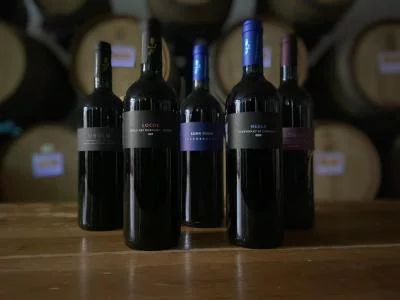
Sardinia, Nuoro, Nuoro -
(Cannonau, Barbagia)
1 Hour 30 Minutes
Min 2, Max Not Specified
From €70 (Groups Discount Available!)
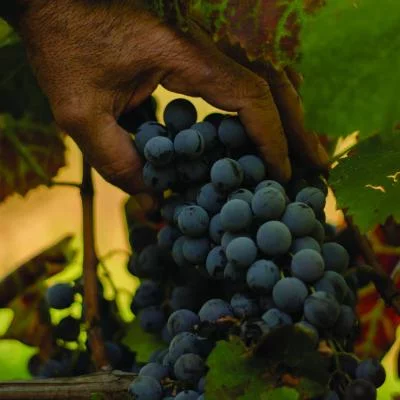
Sardinia, Nuoro, Nuoro -
(Cannonau, Barbagia)
1 Hour 15 Minutes
Min 2, Max Not Specified
From €60 (Groups Discount Available!)

Sardinia, Nuoro, Nuoro -
(Cannonau, Barbagia)
2 Hours 30 Minutes
Min 1, Max 100
From €75 (Groups Discount Available!)

Sardinia, Nuoro, Nuoro -
(Cannonau, Barbagia)
2 Hours 30 Minutes
Min 2, Max Not Specified
From €40
The best wine tastings in Barbagia
Barbagia offers a wine experience defined by altitude, granite, and isolation. Located in the mountainous heart of Sardinia, this region is the spiritual home of Cannonau, where vineyards often climb between 600 and 800 meters above sea level. The air here is thin and aromatic, carrying the scent of Mediterranean scrub and cooler currents from the Gennargentu massif.
A visit here is a study in resilience. You will find ancient bush vines—known locally as alberello—forcing their roots through decomposing granitic sand to find water. This struggle creates wines of immense concentration and structure. While the coastal areas of Sardinia produce lighter, sea-influenced wines, Barbagia delivers power, longevity, and savory depth. Winedering curates tastings that connect you directly with these mountain traditions, offering immediate booking for cellar tours, vertical tastings, and lunches in the vineyard.
Wine tastings in Barbagia, among local flavors and aromas
When you lift a glass in Barbagia, the first impression is often one of warmth and balsamic intensity. The nose typically reveals wild berries, dried herbs (helichrysum and thyme), and a distinct mineral dustiness derived from the granite soils. Despite the latitude, the high altitude ensures a sharp diurnal range—hot days and cold nights—preserving a vein of acidity that cuts through the alcohol.
Most tastings focus on red wines, specifically the powerful Cannonau, though rare local whites are gaining attention. Expect to taste wines with high extract and grippy, yet generally ripe, tannins. The alcohol by volume (ABV) here is naturally high, often reaching 15%, but the best producers balance this with savory freshness.
Experiences typically last between 60 and 90 minutes. You will likely be guided by the winemakers themselves or family members, moving from the fermentation tanks to a seated tasting of 3 to 5 labels. English is widely spoken in the hospitality-focused wineries, though the approach is personal and rustic rather than corporate. Browse our selection to find the right fit for your palate.
Great classics and iconic wines of Barbagia, tastings you can't miss
The undisputed protagonist here is Cannonau di Sardegna DOC, particularly the expressions from the Classico subzone and the renowned town of Mamoiada. These are not the fruit-forward, simple reds found in supermarkets; they are serious, ageworthy wines. Production is limited by the harsh terrain and old vines, with yields often dropping below 40 hectoliters per hectare.
In the glass, a classic Barbagia Cannonau is garnet-red, evolving into brick tones with age. The structure is robust.
You will encounter notes of ripe cherry, myrtle, leather, and white pepper. Beyond the reds, look for Granazza, an indigenous white grape often vinified with skin contact (maceration) to produce amber, textural wines that defy standard white wine categories. The best way to understand these wines is through a comparative tasting of single-vineyard plots, known here as ghiradas. These flights allow you to detect subtle differences in soil composition and exposure within a few kilometers. Book a technical tasting to explore these nuances deeply.
Barbagia wine tasting map: plan your tour in a couple of clicks
Exploring Barbagia requires a car and a willingness to navigate winding mountain roads. The region is best explored by clustering your visits around key wine towns to minimize driving time.
A smart itinerary focuses on a specific village per day. For example, the town of Mamoiada has the highest concentration of boutique wineries, with over 30 producers in a small radius. A driving loop here might only cover 10 kilometers but can easily fill a full day. For a half-day trip, select one winery in Oliena to taste the historic "Nepente" style, followed by a lunch nearby. For a full weekend, base yourself in Nuoro or Mamoiada and spend one day in the vineyards and another exploring the culture of Orgosolo. Use our map to filter by location and availability, securing your tastings in advance.
Winery tours in Barbagia, a complete experience from grape to glass
A winery tour in Barbagia is a tactile experience. It often begins not in the cellar, but with a walk on the crumbly, pinkish granite soil of a high-altitude vineyard. You will see the alberello training system up close—free-standing bushes that look like small trees, a method used for centuries to protect grapes from the wind and sun.
Inside the winery, the atmosphere shifts to the cool, quiet dark of the aging rooms. Production here combines tradition with necessary precision. You will likely see stainless steel tanks for fermentation, used to maintain hygiene and fruit purity, alongside large Slavonian oak barrels or chestnut casks for aging. Small French barriques are used, but sparingly, to avoid masking the varietal character. A key technical detail to note is the use of spontaneous fermentation with wild yeasts, a common practice among the artisanal producers here to ensure the wine reflects its specific territory. Whether you want a casual overview or a deep dive into viticulture, you can choose the right level of engagement.
The best wineries and wine producers in Barbagia to visit
We define the "best" producers not by size, but by their fidelity to the terroir and the quality of their welcome. In Barbagia, this often means family-run estates where the owner is also the agronomist and the cellar master.
The landscape of producers ranges from historic cooperatives that saved local viticulture in difficult decades to a surging wave of small, independent artisans. In towns like Mamoiada, a renaissance is underway, with young winemakers reclaiming their grandparents' plots. Look for producers who bottle single-vineyard wines (Cru or Ghirada), as this signals a commitment to high-quality zoning. Organic practices are widespread here, often by default due to the dry, windy climate that naturally suppresses vine diseases. Check real-time availability on Winedering to book visits with these guardians of mountain viticulture.
Wine experience Barbagia: worth doing, worth sharing
Hospitality in Barbagia is legendary. It is less about polished service standards and more about genuine human connection. You are treated as a guest in a home rather than a customer in a shop. The pace is slower here; a tasting often turns into a conversation about history, local legends, and the slow passage of time.
Beyond the glass, the experience is anchored in the region's "Blue Zone" status—an area famous for the longevity of its residents. The wine, food, and community lifestyle are all credited factors. We offer transparent pricing and verified reviews so you can book these authentic encounters with confidence. Cancellation policies are flexible, allowing you to plan your mountain getaway without stress.
Barbagia tastings with local menus, plus lunch or dinner at the winery
Food and wine in Barbagia are inseparable. The high alcohol and tannins of the local Cannonau demand rich, substantial food to create balance. When you book a tasting with a meal, you are engaging with a culinary tradition that has remained largely unchanged for centuries.
- The Ingredients: Expect sheep's milk cheeses (Pecorino Sardo), cured sausages, crisp pane carasau (flatbread), and wild herbs.
- The Pairing Logic: The fat and salt of aged Pecorino tame the tannins of the red wine. The acidity of the wine cuts through the richness of roasted meats.
- Experience Format: Most lunches are seated, multi-course affairs lasting at least two hours. Dinner options are rarer but offer a magical atmosphere.
- Dietary Notes: While meat-heavy, most hosts can accommodate vegetarians with excellent local vegetables and cheeses if notified in advance.
Check the menu details in our listings and reserve your table early, especially during the autumn festivals.
Vineyard picnics and sunset aperitifs in Barbagia
As the sun dips behind the Supramonte mountains, the light in Barbagia turns a brilliant gold. This is the ideal time for an outdoor experience. The heat of the day dissipates rapidly, replaced by a cool breeze that makes sitting among the vines incredibly pleasant.
Picnic experiences usually include a basket packed with local artisanal products—sausage, cheese, bread, and olives—along with a bottle of the estate's wine. These are self-paced and private, perfect for travelers seeking quiet. The best months for this are May, June, and September. July and August can be hot, so look for late afternoon slots starting after 6:00 PM. Book a sunset slot to watch the shadows lengthen over the granite hills.
Guided tasting experiences in Barbagia: wineries, hikes, and weekend getaways with an overnight stay
Barbagia is a destination that rewards "slow travel." The roads are scenic but slow, and the culture is deep. Rushing from one spot to another misses the point. We recommend guided experiences that combine physical activity with tasting.
Consider a vineyard hike or a trek to a nearby archeological site before your tasting. This context helps you understand the harshness of the land the vines grow in. Some wineries offer "wine weekends" with overnight stays in renovated farmhouses or guest rooms, allowing you to wake up overlooking the vineyard rows. Advanced enthusiasts can look for vertical tastings, where you sample the same wine across different years to see how the vintage variation affects the aging potential of Cannonau.
Barbagia wine tastings with moments for couples and experiences for the whole family
While rugged, Barbagia is welcoming to all types of travelers. For couples, the isolation of the vineyards offers profound privacy. Private tastings can be arranged in small stone huts or on panoramic terraces, providing a romantic setting away from the crowds of the coast.
Families are also welcome, though the focus is often on the outdoors. Kids can explore the vineyard margins, often encountering farm animals or learning about cork trees and wild plants while parents taste. Most wineries offer non-alcoholic options like local fruit juices or water. Accessibility varies due to the terrain, so check specific listing details if you have mobility concerns. Explore our family-friendly filters to find the right spot.
Vouchers, bundles, and wine tastings to gift in Barbagia
Giving a wine experience in Barbagia is gifting a piece of history. It is a thoughtful alternative to physical goods, offering memories of a unique landscape and culture. Vouchers are particularly effective for friends or family traveling to Sardinia who want to explore beyond the beach.
Our vouchers are valid for long periods and offer instant confirmation. You might choose a "Classic Cannonau Tasting" for a beginner or a "Private Vertical Flight" for a serious collector. The "open voucher" option is the safest bet, allowing the recipient to choose their preferred date and winery later. It’s a flexible way to share the authentic spirit of the Sardinian interior.
Beyond Barbagia: more tastings to try nearby
If you have extra time, the wine journey continues in neighboring territories. Barbagia is central, making it a pivot point for other distinct wine zones. Just an hour’s drive can take you to completely different terroirs.
To the west lies the Mandrolisai region, known for its specific DOC appellation that blends Cannonau with Bovale Sardo and Monica. The altitude is slightly lower, and the wines are often more floral and vibrant. To the east, the Dorgali area drops down toward the sea, where the wines take on a saline, Mediterranean scrub character distinct from the high-mountain styles. Use Barbagia as your base to build a multi-stop itinerary exploring these variations.
Surprising wine experiences among provinces and towns around Barbagia
Venture just outside the main wine hubs to find hidden gems. The town of Sorgono, geographically the center of Sardinia, is home to spectacular old-vine vineyards and ancient megalithic sites. The wines here are elegant and complex. Nearby Atzara is famous for its medieval architecture and historic wineries producing Mandrolisai DOC. In these sub-areas, you can often find smaller crowds and very personal attention from producers. Add a stop in these towns to compare how the shift in soil from pure granite to schist or clay changes the profile in your glass.
Barbagia wine highlights
Before you book, here is what defines the region. Barbagia is high-altitude viticulture, with vineyards ranging from 400 to 800 meters. The soils are predominantly granitic decay—sandy, loose, and acidic—which imparts finesse and longevity to the wines. The climate is Mediterranean but continental due to the elevation, characterized by significant temperature shifts between day and night.
Key terms to know: Ghirada (the local concept of a Cru or single vineyard), Alberello (bush vine training), and Cannonau (the signature grape). These factors combine to create wines of high structure, alcohol, and aromatic complexity.
Barbagia grape varieties: heritage, soil, and tradition
The grape biodiversity in Barbagia is focused but distinct. The varieties here have adapted over centuries to the windy, dry conditions.
- Cannonau: The king of the region. Genetically linked to Grenache, but phenotypically distinct after centuries in Sardinia. In Barbagia, it produces the most structured, tannic, and long-lived examples of the variety.
- Granazza: An indigenous white grape native to Mamoiada. Historically used in blends, it is now vinified as a standalone white, often with skin contact. It is high in alcohol, nutty, and textural.
- Bovale Sardo (Muristellu): often used in blends to add color, acidity, and tannin to Cannonau.
Use this guide to choose tastings: if you love big reds, prioritize Cannonau; if you want something rare and curious, look for Granazza.
Signature wines of Barbagia and labels to know
When browsing tasting lists, look for specific designations that signal quality and local style.
- Cannonau di Sardegna DOC Classico: This indicates the wine comes from the traditional historic zone (including Nuoro and Ogliastra) and has stricter aging and yield requirements than the generic DOC.
- Cannonau di Sardegna DOC Riserva: Wines aged for at least two years, including six months in barrels. These offer complex notes of leather, spice, and dried fruit.
- Nepente di Oliena: A specific sub-designation for Cannonau from the town of Oliena. Famous for its intense bouquet and slightly higher acidity.
- I.G.T. Isola dei Nuraghi: Often used for high-quality creative blends or varietal wines (like Granazza) that don't fit the strict DOC rules but are exceptional in quality.
Spotting these on a tasting menu ensures you are drinking the most representative wines of the territory.
Food and wine in Barbagia, the perfect pairing
The cuisine of Barbagia is pastoral, born from the lives of shepherds. It is simple, ingredient-driven, and designed to provide energy. The table is dominated by roasted meats, aromatic herbs, and sheep's milk products.
There is a functional harmony between the food and wine. The wines are robust enough to stand up to intense flavors like mutton or aged cheese, while the fats in the food soften the wines' tannins. Look for "DOP" (Protected Designation of Origin) products like Pecorino Sardo or Spiny Artichoke of Sardinia during your visits.
Food & wine tours in Barbagia to taste the region beyond the glass
For a deeper understanding, book a tour that integrates food production. Some experiences include visits to artisan cheesemakers before the wine tasting, or demonstrations of making pane carasau, the famous "music paper" bread. These tours typically last half a day and include transport.
The value here is context: understanding how the land that grows the grapes also feeds the sheep and grows the wheat connects all the sensory dots. It is a holistic way to taste the region without having to drive and navigate yourself.
Barbagia wines and local dishes with pairings you'll want to try
Here are three authentic pairings you should seek out during your trip:
- Cannonau Classico & Porceddu: The definitive Sardinian pairing. The suckling pig is roasted with myrtle and has rich, sweet fat and crispy skin. The Cannonau's alcohol cleanses the palate, while its herbal notes echo the myrtle.
- Granazza (Macerated) & Pecorino Sardo Maturo: An aged sheep cheese can be spicy and salty. A skin-contact Granazza has the texture and nutty oxidation to match this intensity where a light white would fail.
- Cannonau Riserva & Culurgiones: These pasta pockets are filled with potato, mint, and cheese, served with tomato sauce. The mint and acidity of the tomato play beautifully with the balsamic, savory notes of an aged Cannonau.
Look for tastings that offer a "light lunch" or "merenda" to try these combinations on site.
Make it yours: build a Barbagia-themed getaway
Designing a trip to Barbagia requires a shift in mindset. Prioritize quality over quantity. Two winery visits a day is a comfortable pace that leaves room for a long lunch and a scenic drive. The roads are beautiful but demand attention.
Nuoro, Oliena, or Mamoiada are the best base towns. They offer accommodation ranging from simple B&Bs to charming hotels. From here, you are within 20 minutes of most major wineries. Use the Winedering map to plot your route, checking driving times carefully—10 kilometers can take 20 minutes here. Book your tastings by date to ensure the winemakers are ready to receive you.
Things to do around Barbagia to make your trip even more memorable
Complement your wine tasting with activities that showcase the region's wild beauty and culture.
- Visit the Murals of Orgosolo: Walk through the streets of this village to see over 150 political and social paintings on the walls.
- Hike to Tiscali: A trek to this hidden Nuragic village inside a collapsed cave offers incredible views and history (approx. 2 hours hiking).
- Explore the Su Gorropu Gorge: One of the deepest canyons in Europe. It requires a hike or jeep transfer but is visually stunning.
- Museum of Mediterranean Masks (Mamoiada): Essential for understanding the dark, fascinating carnival traditions of the Mamuthones.
Pair a morning hike or museum visit with an afternoon tasting for a perfectly balanced day.
Storybook villages, must-see sights, and places to visit around Barbagia
The villages here are stone-built and steeped in tradition.
- Oliena: Located at the foot of Mount Corrasi, it is famous for embroidery, jewelry, and wine. A great place to walk and eat.
- Gavoi: Known for its stone houses and the flower-filled balconies, plus the famous Fiore Sardo cheese.
- Orani: Home to the Nivola Museum, dedicated to the sculptor Costantino Nivola, mixing modern art with rural landscape.
Stopping in these villages between tastings breaks up the drive and adds cultural depth to your wine tour.
Planning a trip to Barbagia? Here's the best time to go
Barbagia has distinct seasons that shape the experience.
- Spring (April-June): The countryside is green and blooming. Temperatures are mild (15-25°C), perfect for hiking and vineyard walks.
- Summer (July-August): Days are hot (up to 35°C), but nights are cool. This is peak tourist season, though the mountains are quieter than the coast. Book well in advance.
- Autumn (September-November): The harvest season ("Vendemmia") brings energy to the towns. The famous "Autunno in Barbagia" festival series opens courtyards to visitors. This is arguably the best time for cultural immersion.
- Winter (December-March): Quiet and cold, sometimes with snow on the peaks. Wineries are open, offering cozy tastings by the fireplace.
Check live availability on Winedering for your preferred dates, especially if traveling during the Autumn festivals.
Wine festivals and events in and around Barbagia you won't want to miss
If you can align your trip with these events, the experience is amplified.
- Autunno in Barbagia (Cortes Apertas): From September to December, a different village opens its private courtyards (Cortes) each weekend to showcase crafts, food, and wine. It is a massive, roving cultural festival.
- Mamoiada's Carnival (January/February): The first outing of the Mamuthones and Issohadores masks. Wine flows freely in the main square.
- Calici di Stelle (August): Many wineries participate in this nationwide event, offering night-time tastings under the stars.
Barbagia: Good to know
How much does a wine tasting with winery tour in Barbagia cost?
The average price of a wine tasting with winery visit in Barbagia is around €42. Depending on the experience, prices range from €27 to €75. Booking in advance ensures availability and the best prices.
Which wineries to visit in Barbagia?
Here are the top wineries to visit in Barbagia:
See all the wineries to visit in Barbagia
Continue with a social account