Thumbnail From Bologna: Brunch, Balsamic Vinegar and Wines in the Food Valley
Emilia-Romagna, Bologna, Bologna - (Lambrusco, Food Valley) 7 Hours 30 Minutes Min 1, Max 7
New
From €830 (Groups Discount Available!)
Thumbnail Food Tour with Tastings & Sightseeing in Parma
Emilia-Romagna, Parma, Parma - (Lambrusco, Food Valley) 2 Hours Min 1, Max 10
New
From €65
Thumbnail Modena Food Tour: Sightseeing & Taste
Emilia-Romagna, Modena, Modena - (Lambrusco, Food Valley) 2 Hours Min 2, Max 10
New
From €68
Thumbnail Castelfranco Emilia: Parmigiano Reggiano, Traditional Balsamic & Prosciutto di Modena Experience with Typical Lunch
Emilia-Romagna, Modena, Nonantola - (Lambrusco, Food Valley) 6 Hours 30 Minutes Min 2, Max 15
New
From €286
Thumbnail Parmigiano Reggiano & Traditional Balsamic Vinegar Experience – Authentic Modena Tour
Emilia-Romagna, Modena, Nonantola - (Lambrusco, Food Valley) 4 Hours Min 2, Max 15
New
From €116.50
Thumbnail Wine Tasting with Parmesan & Ham Board in Parma
Emilia-Romagna, Parma, Parma - (Lambrusco, Food Valley) 1 Hour Min 1, Max 10
New
From €41
Thumbnail Full-day Emilia Food & Wine Tour: Parmesan, Lambrusco, Balsamic Vinegar, Ferrari Museum from Bologna
Emilia-Romagna, Bologna, Bologna - (Lambrusco, Food Valley) 8 Hours 30 Minutes Min 2, Max 8
New
From €330 (Groups Discount Available!)
Thumbnail Parmesan and Balsamic Food Tour with Ferrari Museum from Bologna
Emilia-Romagna, Bologna, Bologna - (Lambrusco, Food Valley) 6 Hours Min 2, Max 8
New
From €240 (Groups Discount Available!)
Thumbnail Exclusive Ferrari and Maserati with Lambrusco and Balsamic Tour from Florence
Tuscany, Florence, Florence - (Chianti, Lambrusco, Food Valley, Hills of Florence) 10 Hours Min 2, Max 6
New
From €699
Thumbnail Colli Bolognesi Wine Tour from Bologna or Modena
Emilia-Romagna, Bologna, Bologna - (Lambrusco, Food Valley) 6 Hours Min 1, Max 7
New
From €490 (Groups Discount Available!)
Thumbnail Wine Experience in the Parma Hills from Parma
Emilia-Romagna, Parma, Parma - (Lambrusco, Food Valley) 3 Hours Min 2, Max 15
New
From €71.50
Thumbnail Bologna Food Valley Farm-to-Table Experience: Dairy, Winery & Traditional Lunch
Emilia-Romagna, Bologna, Bologna - (Lambrusco, Food Valley) 8 Hours Min 1, Max 25
New
From €164
Thumbnail Wine, Culatello and Parmigiano Reggiano: Private Full-Day Tour in Parma, transport included
Emilia-Romagna, Parma, Parma - (Lambrusco, Food Valley) 7 Hours 30 Minutes Min 2, Max Not Specified
New
From €568 (Groups Discount Available!)
Thumbnail Parmigiano, Balsamic & Winery Tour with Light Lunch from Bologna
Emilia-Romagna, Bologna, Bologna - (Lambrusco, Food Valley) 5 Hours Min 4, Max 25
New
From €220

The best food and wine tours in the Lambrusco area that you can't miss

The sound of a cork popping here isn't polite; it is a joyful, fizzy release that signals the start of a meal. In the Lambrusco production zone—stretching primarily across the provinces of Modena, Reggio Emilia, and Parma—wine is rarely consumed in silence. It is the rhythmic backdrop to one of the world's most celebrated culinary traditions.

This region is defined by its productivity and its soil. Roughly 10,000 hectares of vineyards span the fertile plains of the Po Valley and the rising foothills of the Apennines. Here, you will find a distinct concentration of distinct DOC appellations, including the pale, acidic Sorbara and the inky, tannic Grasparossa.

A tour format is essential here because the producers are often specialized and small-scale. You might visit a dairy for morning cheese production, an historic vinegar loft (acetaia) before noon, and a winery for lunch, all within a ten-kilometer radius. The hospitality is genuine, often delivered by families who have worked the same clay-rich land for generations.

In the Lambrusco area, wine and food belong at the same table

In this part of Emilia-Romagna, drinking wine without food is culturally unusual. The high acidity and characteristic bubbles of local wines are functional tools designed to cut through the richness of the local cuisine. A tasting typically mirrors the local rhythm: it starts with conversation, moves to the table, and lingers over shared plates.

Expect to see bottles opened directly in the cellar or carried up to a tasting room that looks more like a family dining hall. You won't just get a glass; you will get a context. Winemakers will pour a frothy red alongside a board of cured meats, explaining how the fat in the salami softens the tannins in the glass. On Winedering, a "pairing" is not an afterthought. It is a guided experience where the interplay between the plate and the glass is the main event.

How the landscape of the Lambrusco area shapes what ends up in your glass and on your plate

The geography here is largely flat, defined by the Po River to the north and the Apennine mountains to the south. It is a landscape of humidity, fog in the winter, and intense sun in the summer. This continental climate creates a significant temperature variation between seasons, which is crucial for developing the aromatic profile of the grapes.

The soil varies significantly even within short distances. In the plains near the rivers, the soil is sandy and alluvial, producing lighter, more fragrant wines like Lambrusco di Sorbara. In the foothills, the ground turns to heavy clay and limestone, yielding the structured, dark Lambrusco Grasparossa.

This same fertile land supports the fodder for dairy cows and the grain for pigs. The result is a closed agricultural loop: the cows provide milk for Parmigiano Reggiano, the whey from the cheese feeds the pigs for Prosciutto, and the vines grow in the spaces between. It is a unified ecosystem of flavor.

The pairings you'll remember long after you leave the Lambrusco area

The combination of cold, sparkling red wine and warm, fatty pork is a textural contrast that defines the region's palate. The bubbles cleanse the tongue, preparing it for the next bite of rich food.

Pairings here are memorable because they are based on centuries of trial and error, not modern trends. You will encounter the "Emilian Trinity": bread, cured meat, and wine. The wines—mostly frizzante (semi-sparkling) reds or rosés—have a sharp acidity that balances the sweetness of the local prosciutto and the savory depth of the cheese. With over a dozen distinct Lambrusco varieties grown here, the matching possibilities are precise and intentional.

When booking, look for tours that explicitly mention "light lunch" or "tasting with local products" to experience this dynamic firsthand.

Cheese, cured meats, and artisan specialties you'll find in the Lambrusco area

  • Parmigiano Reggiano DOP: The King of Cheeses. Served in jagged chunks. Aged 24 to 36 months, it offers a granular texture and savory, nutty flavor that demands a structured wine.
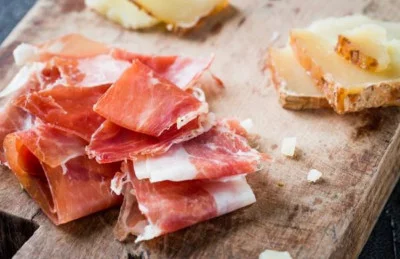
  • Prosciutto di Parma & Modena: Sweet, silky, cured ham. It melts on the tongue and pairs effortlessly with lighter, fruitier Lambrusco styles.
  • Mortadella and Salame: Rich, fatty, and aromatic. The pepper and spices in these meats are highlighted by the fruit notes in the wine.
  • Aceto Balsamico Tradizionale: True traditional balsamic vinegar is aged for a minimum of 12 years. It is thick, glossy, and complex—often tasted pure or on cheese, not on salad.

Regional classics in the Lambrusco area that shine even more with the right glass alongside

If you sit down for a full meal, you will likely encounter Tortellini in Brodo. These tiny, meat-filled pasta parcels served in capon broth are savory and comforting. A dry Lambrusco di Sorbara provides a crisp counterpoint to the rich stock.

Another staple is Gnocco Fritto (or Crescentine, depending on the specific town). These are pillows of fried dough, served hot and hollow, meant to be stuffed with cold cuts and soft cheese. The oiliness of the fried dough requires the scrubbing action of the wine's bubbles.

For a heartier option, Cotechino or Zampone (spiced pork sausages) served with lentils are winter classics. Their gelatinous texture and intense flavor call for a tannic, full-bodied Lambrusco Grasparossa to hold its ground.

Shape your food and wine tour itinerary around the table in the Lambrusco area

Planning a trip here works best when you build it around lunch. Many wineries close for a standard Italian lunch break (12:30 PM to 2:30 PM) unless they are hosting you for that very meal. Therefore, a smart itinerary places a technical visit in the morning and a dining experience in the middle of the day.

Consider your driving comfort. The roads are flat and easy to navigate, but the alcohol content and the generous pours make a driver service or a guided tour a practical choice. Most experiences last between two to four hours, allowing you to stack two visits in a day without rushing.

Use the filters to find tours that include "pickup" if you want to avoid driving, or select "lunch included" to secure your midday meal.

The kind of meal you're dreaming about in the Lambrusco area, from rustic to refined

Dining settings range from the deeply traditional to the surprisingly modern. You might find yourself at a long wooden table in an agriturismo, surrounded by vintage farming tools, eating dishes prepared by the winemaker's family. These meals are robust, generous, and informal.

Alternatively, many historic estates have renovated their spaces into sleek tasting rooms with views over the manicured vines. Here, the experience is more plated and paced, often catering to international palates with carefully portioned courses. Dietary requirements are generally respected, though this is a region heavily reliant on pork, dairy, and wheat. Vegetarians will eat well (cheese and pasta), but vegans should provide advance notice.

The wine styles to explore in the Lambrusco area: from icons to small producers

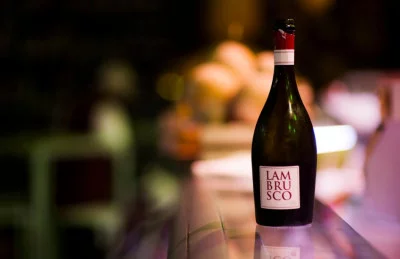
Forget the sweet, industrial wine exported in the 1980s. The Lambrusco here is dry (secco) and sophisticated. The two main pillars you will taste are Lambrusco di Sorbara (light red/rosé color, high acid, violet notes) and Lambrusco Grasparossa (deep purple, frothy, blackberry notes, tannic bite).

You will find large, historic cooperatives that have modernized production to create consistent, high-quality wines. However, the real discovery often lies with the small "artisan" producers. Many are reclaiming the Metodo Ancestrale (ancestral method), where the wine finishes fermenting in the bottle, leaving natural yeasts at the bottom. These wines are cloudy, dry, and full of distinct, earthy character.

Ask to taste a "rifermentato in bottiglia" (bottle-fermented) alongside a standard Charmat method (tank-fermented) to understand the difference in texture and nose.

Small additions in the Lambrusco area that elevate everything, like a cooking class or walking among the vines

  • Balsamic Vinegar Loft (Acetaia) Visit: Essential. Walk through the attics where barrels of vinegar age for decades. The smell is intense and unforgettable.
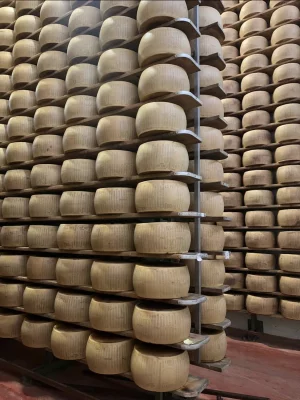
  • Parmigiano Reggiano Dairy Tour: Witness the opening of the massive wheels or the morning production. It usually starts early (8:00 or 9:00 AM).
  • Cooking Class: Learn to roll fresh egg pasta (sfoglia). It is a tactile skill that connects you to the region's history.
  • Ferrari Museum: Located in Maranello (Modena), it is a common addition for those blending automotive passion with wine.

What a food and wine tour in the Lambrusco area looks like, step by step

A typical day begins with the morning mist lifting off the vineyards. You might start at a dairy to see the cheese production, followed by a mid-morning stop at a balsamic vinegar producer. The sensory shift from the milky, sweet smell of the dairy to the sharp, woody aroma of the vinegar loft is striking.

Around 1:00 PM, you arrive at the winery. The visit starts in the vineyard, checking the soil and the vines, before moving to the production area to see the autoclaves (pressure tanks) or aging rooms. Then, you sit down.

Lunch is leisurely. Expect three courses and at least three wines. By late afternoon, you are free to explore a local town like Modena or Castelvetro. Booking is straightforward, with clear pricing that usually bundles the tasting fees and the meal.

Winery visits in the Lambrusco area, with guided pairings and storytelling

Hosts here are eager to change the global perception of their wine. The welcome is warm and often involves the owner or the winemaker directly. They will explain the difference between the grape clones and why they choose specific harvest times to preserve acidity.

The tasting is rarely a quick standing affair at a counter. You will be seated. The host will pour the wines in a specific order—usually lighter to heavier—and bring out the accompanying food board. You will learn to identify the "spuma" (foam) and the color intensity, which varies wildly between varieties.

A meal in the Lambrusco area that goes beyond a simple stop

Lunch is the anchor of social life here. When a tour includes a meal, it implies a commitment of time. You will not be rushed. The dishes are seasonal: pumpkin tortelli in autumn, fresh salads and cured meats in summer.

If you are at a winery restaurant, the wine list will feature their own bottles, often including limited editions or older vintages not available in shops. This is the best time to ask about "Cru" wines (single vineyard) which showcase specific soil characteristics.

Time to breathe in the Lambrusco area, with scenic routes and village strolls

Between tastings, the landscape invites you to slow down. The medieval village of Castelvetro di Modena, with its checkerboard square and towers, offers a perfect post-lunch walk. The roads winding through the hills offer panoramic views of the trellis-trained vines.

Leave a buffer of at least 45 minutes between appointments if you are driving yourself. This allows time for a coffee in a village square or a quick photo stop when the light hits the Apennines just right. Look for tours that allow "free time" in these historic centers.

Choose the right food and wine tour in the Lambrusco area for your pace

Your choice depends on your stamina and your interest in the broader food culture. If you only want to taste wine, a two-hour visit in the late afternoon is sufficient. However, most visitors find the full "Food Valley" experience—combining cheese, vinegar, and wine—to be the most rewarding use of a day.

Private tours offer flexibility and the ability to linger at a favorite stop. Small group tours are excellent for meeting people and sharing the convivial atmosphere that the region is famous for. Check the inclusions carefully: some tours are "tasting only" while others are "all-inclusive" with a substantial meal.

Compare the duration and the starting point, then book securely to guarantee your seat at the table.

Short food and wine experiences in the Lambrusco area that still feel rich and complete

If you are short on time, aim for a single winery visit that includes a "reinforced aperitivo." This typically lasts 90 minutes and gives you a solid overview of the wine styles alongside generous snacks. It is perfect for travelers passing through between Bologna and Milan.

These short stops focus on the essentials: the grapes, the method, and the taste. You won't get the full farm tour, but you will get the flavor and the hospitality.

Food and wine weekends in the Lambrusco area for couples and friends

A weekend allows you to split the region by geography. Spend one day in the Sorbara area (north of Modena) for lighter wines and flat landscapes. Spend the next day in the Castelvetro hills for heavier reds and scenic views.

The mood is relaxed and celebratory. Dinner reservations are essential on Friday and Saturday nights. Plan to hire a driver for one of the days so everyone can indulge in the pairings without worry.

Overnight stays in the Lambrusco area that make the atmosphere part of the memory

Staying at a wine resort or agriturismo changes the rhythm of your trip. You wake up to the silence of the countryside, broken only by agricultural activity. The light in the early morning and late evening turns the vineyards golden.

Many producers offer rooms. This proximity means you can enjoy a long dinner with wine and simply walk back to your room. Check if breakfast includes local products; fresh ricotta and homemade cakes are standard here.

Gift a food and wine tour in the Lambrusco area that feel personal

This is an ideal gift for food lovers. The region's reputation for excellence (Ferrari, Pavarotti, Bottura) adds a layer of prestige to the experience. Whether it's for a couple who loves sparkling red wine or a friend obsessed with cooking, the options are diverse.

Select a voucher with a long validity period. The recipient can choose their preferred season, whether they want the buzz of the harvest or the quiet of spring. It’s a gift of sensory memory rather than a physical object.

When to book a food and wine tour in the Lambrusco area?

The region is active year-round, but the experience changes drastically with the weather. Spring and Autumn are the peaks for scenery and temperature. Booking two to three weeks in advance is recommended for weekends, while weekdays often have more flexibility.

Summer can be humid and hot, making cellar visits a welcome relief. Winter is quiet, foggy, and focused on indoor comfort. Check live availability for your dates to see what’s open.

Harvest season in the Lambrusco area, when the region comes alive

September and early October are electric. The roads are busy with tractors hauling trailers full of grapes. The wineries smell of fermenting must—a sweet, yeasty scent that hangs in the air.

Visits during this time are exciting but may be shorter or restricted in certain production areas due to safety and workload. However, the energy is contagious, and you might get to taste the fresh juice before it becomes wine. Book well in advance.

Autumn and winter in the Lambrusco area, for deeper dishes and comforting wines

From late October through February, the region turns inward. The landscape is often shrouded in mist, creating a moody, romantic atmosphere. This is the season for truffles and heavy boiled meats.

The red, frothy Lambrusco feels perfectly at home in this weather. Tasting rooms are warm and cozy. It is a slower time, allowing for longer conversations with the hosts. Ensure your tour includes indoor options.

Spring and summer in the Lambrusco area, for outdoor meals and lighter pairings

As the sun returns, the vines turn bright green. Lunch moves outdoors to terraces and gardens. This is the best time for Lambrusco di Sorbara and sparkling Rosé, served chilled to combat the midday heat.

The days are long, allowing for late afternoon tastings that drift into the evening. Hats and sunscreen are necessary if you plan to walk the vineyards. Look for "picnic in the vineyard" experiences during these months.

Food and wine events in the Lambrusco area, when the calendar adds extra magic

The region hosts numerous festivals. "Cantine Aperte" (Open Cellars) in late May is a major event where wineries open their doors for special tastings. In June, "Lambruscolonga" in Modena turns the city center into a walking tasting route.

Autumn brings truffle festivals in the hills. These events offer a deep dive into local culture but draw large crowds. If you prefer intimacy, book a private tour on a day surrounding these events rather than during the main festival itself.

Lambrusco: Good to know

How much does a wine tasting with winery tour in Lambrusco cost?

The average price of a wine tasting with winery visit in Lambrusco is around €32.50. Depending on the experience, prices range from €20 to €45. Booking in advance ensures availability and the best prices.