

Wine Tours in Prosecco from Venice and Treviso
In Prosecco, in the heart of Veneto, wine tours are one of the most natural ways to discover wineries, local flavors, and authentic pairings. On Winedering you'll find 28 wine experiences, with wine itineraries ranging from 3 hours to 3 days, including guided tastings and regional specialties. Prices start from €31.25 and go up to €1,100. The main departure points are Venice, Treviso, Valdobbiadene, Salgareda and Follina. Tours also depart from 4 more cities. Choose your pace and book your wine tour in Prosecco in just a few clicks.
Of these tours, 10+ come to pick you up where you are staying and 10+ start from a meeting point set by the host.
Veneto, Venice, Venice City -
(Valdobbiadene, Prosecco, Cartizze, Piave, Venice)
6 Hours
Min 2, Max 8
From €489 (Groups Discount Available!)
Veneto, Padua, Padova -
(Valdobbiadene, Prosecco, Cartizze)
9 Hours
Min 2, Max 8
From €170

Veneto, Venice, Venice City -
(Valdobbiadene, Prosecco, Piave, Venice)
7 Hours
Min 2, Max 8
From €189

Veneto, Treviso, Treviso -
(Valdobbiadene, Prosecco, Piave)
3 Hours
Min 2, Max 15
From €140

Veneto, Treviso, Treviso -
(Prosecco, Colli Asolani)
5 Hours
Min 2, Max 7
From €150

Veneto, Venice, Venice City -
(Valdobbiadene, Prosecco, Cartizze, Piave, Venice)
7 Hours
Min 2, Max 8
From €149

Veneto, Treviso, Treviso -
(Prosecco, Colli Asolani, Piave)
5 Hours
Min 2, Max 7
From €150

Veneto, Treviso, Follina -
(Valdobbiadene, Prosecco)
5 Hours
Min 2, Max 8
From €125 (Groups Discount Available!)

Veneto, Verona, Verona -
(Valpolicella, Valdobbiadene, Prosecco, Amarone, Valpantena)
6 Hours 30 Minutes
Min 2, Max Not Specified
From €500

Veneto, Treviso, Valdobbiadene -
(Valdobbiadene, Prosecco, Cartizze, Colli Asolani, Piave)
4 Hours
Min 2, Max 8
From €160

Veneto, Treviso, Treviso -
(Prosecco, Piave)
3 Hours
Min 2, Max 7
From €150

Veneto, Venice, Venice City -
(Valdobbiadene, Prosecco, Cartizze, Piave, Venice)
7 Hours
Min 2, Max 8
From €180
The best food and wine tours in Prosecco that you can't miss
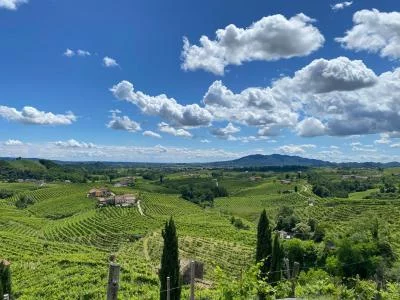
The first thing you notice in the Prosecco hills is the angle of the ground. It isn't just a vineyard; it is a wall of green vines clinging to steep slopes, backed by the sharp outline of the Dolomites. The air here smells of cut grass and wet stone, a crispness that translates directly into the region’s famous sparkling wine.
This area, specifically the Conegliano Valdobbiadene UNESCO heritage site, covers a focused stretch of historic terroir where the Glera grape thrives. While the wider Prosecco region is vast, the high-quality heartland is a tight network of narrow, winding roads and small, family-owned plots. A guided tour here is not just a luxury; it is a practical necessity. The geography is complex, and the best producers are often tucked away at the end of unmarked gravel driveways, ready to share a glass but impossible to find without local knowledge.
In Prosecco, wine and food belong at the same table
In the Veneto region, drinking wine without food is almost a misunderstanding of the culture. The rhythm of daily life involves the ombra—a small glass of wine shared with friends—always accompanied by a bite to eat. It creates a social atmosphere that is welcoming rather than formal.
You will feel this immediately when you enter a tasting room or a local osteria. The winemaker doesn't just pour a sample; they bring out a wooden board laden with local cheeses and cured meats. These aren't generic snacks. They are products from the same valleys, often made by neighbors or relatives. On Winedering, a "pairing" reflects this authentic connection. It is not an afterthought. It is a deliberate matching of the wine’s acidity and bubbles with the fat and salt of the local cuisine, served in settings that range from modern tasting rooms with glass walls to rustic farmhouse kitchens where the family eats lunch.
How the landscape of Prosecco shapes what ends up in your glass and on your plate
The landscape here is defined by "hogbacks"—sharp, steep hills that run east to west. This orientation ensures the vines get sunlight all day while the winds from the nearby mountains keep the grapes dry and healthy. The soil is a mix of sandstone and marl, which forces the roots to dig deep for nutrients.
This specific environment creates a significant diurnal range—the difference between day and night temperatures. This temperature shift locks in the floral aromatics and high acidity that define high-quality Prosecco Superiore DOCG. The same landscape supports small dairy farms in the valleys and vegetable plots that yield the region’s famous radicchio. Because the terrain is too difficult for large-scale industrial farming, the ingredients on your plate are almost invariably local, seasonal, and grown with a level of manual care that matches the "heroic viticulture" of the harvest.
The pairings you'll remember long after you leave Prosecco
A great pairing in Prosecco is built on contrast: the sharp, cleansing bubbles of the wine cutting through the richness of the food. It creates a clean palate, ready for the next bite. This interplay is simple, effective, and deeply satisfying.
The local sparkling wines, primarily made from the Glera grape, have a distinct profile of green apple, pear, and white flowers. This freshness is the perfect counterpoint to the savory, fatty foods typical of the Venetian inland. You won't find heavy, oaky wines dominating here; the focus is on energy and drinkability. When choosing a tour, look for those that explicitly mention "light lunch" or "food pairing," as these experiences offer the most complete understanding of why this wine became a global icon.
Cheese, cured meats, and artisan specialties you'll find in Prosecco
The quintessential tasting experience revolves around the tagliere (cutting board). It usually features Sopressa Vicentina or Trevigiana, a large, aged salami that is soft, garlicky, and slightly peppery. The fat in the sopressa melts on the tongue, demanding a sip of crisp Brut Prosecco to wash it down.
Cheeses here are equally distinct. You will likely taste Morlacco del Grappa, a soft, salty cow’s milk cheese produced on the nearby mountain pastures, or Ubriaco, a cheese aged in grape pomace (skins and seeds) which gives it a violet rind and a fruity aroma. Served with crusty bread and perhaps a dab of honey, these elements highlight the savory side of the wine, proving that Prosecco is serious gastronomic wine, not just an aperitif.
Regional classics in Prosecco that shine even more with the right glass alongside
- Risotto al Radicchio di Treviso: A winter staple. The bitterness of the red chicory is balanced by creamy rice and countered perfectly by the residual sugar in an Extra Dry Prosecco.
- Spiedo d'Alta Marca: Meat (often chicken, pork, and rabbit) slow-roasted on a spit for hours with sage and lard. It is incredibly savory and rich. A structured Prosecco from the Rive (steep slopes) or a local Colli di Conegliano Red has the body to stand up to it.
- Asparagus and Eggs: In spring, white asparagus is king. Its delicate, earthy flavor pairs seamlessly with a dry, mineral-forward Prosecco Brut that respects the vegetable’s subtlety.
Shape your food and wine tour itinerary around the table in Prosecco
The best way to plan your day in the Prosecco hills is to anchor it around lunch. The meal is the main event, separating the morning tastings from the afternoon exploration. Because the region is compact, you don't need to drive for hours between stops, but the winding roads do take time to navigate.
Decide early on the pace you want. Do you want a quick overview with a sandwich, or are you looking for a multi-course immersion? If you are driving yourself, remember that the legal alcohol limit in Italy is strict and the roads are narrow. Booking a tour with a driver or a curated package allows you to enjoy the wines without counting glasses. When browsing options, filter by "lunch included" to find itineraries that prioritize the culinary side of the region.
The kind of meal you're dreaming about in Prosecco, from rustic to refined
Dining options in the vineyards generally fall into two categories: the Agriturismo and the fine dining restaurant. An agriturismo offers a rustic, home-cooked experience, often using ingredients grown on the property. Expect generous portions, wooden tables, and a relaxed, noisy atmosphere perfect for families or groups.
Alternatively, many wineries now host refined restaurants with panoramic terraces overlooking the vines. Here, the presentation is modern, and the service is formal. These spots are ideal for couples or celebratory meals. Dietary restrictions like gluten-free or vegetarian needs are easily handled in Italy today, provided you mention them at the time of booking.
The wine styles to explore in Prosecco: from icons to small producers
While "Prosecco" is the catch-all name, the wines vary significantly. The most common style is fresh and fruity, produced using the Charmat (tank) method to preserve aromatics. However, a deep dive into the region reveals the "Rive" wines—produced from grapes on the steepest slopes—which offer more mineral complexity.
You should also ask to taste Col Fondo (or Sui Lieviti). This is the traditional, ancestral method where the wine undergoes a second fermentation in the bottle and is served unfiltered. It is cloudy, dry, and yeasty—a favorite of wine geeks and locals. Tours often mix visits to larger, historic estates that export globally with tiny "garagiste" producers who bottle fewer than 20,000 bottles a year, giving you a full spectrum of the appellation.
Small additions in Prosecco that elevate everything, like a cooking class or walking among the vines
- E-bike Tours: The hills are steep, making electric bikes a game-changer. It allows you to smell the air and see the vines up close without exhaustion.
- Cooking Classes: Learn to make Tiramisù (which originated in Treviso) or hand-rolled pasta. It connects you to the domestic side of Italian life.
- The Molinetto della Croda: A short stop at this historic 17th-century watermill offers a glimpse into the rural history of the valley, beyond just the wine.
What a food and wine tour in Prosecco looks like, step by step
A typical day starts around 9:30 or 10:00 AM. Your guide or driver picks you up, and you head straight into the hills. The first stop is usually a winery visit that includes a walk in the vineyard to understand the "heroic" nature of the farming here. You’ll see the steepness firsthand.
After a tasting of 3-4 wines, you move to lunch. This is rarely a quick stop; expect to sit for at least 90 minutes. The afternoon might include a second winery visit, focusing on a different style, or a scenic drive through the famous Cartizze area. The day concludes around 5:00 PM, leaving you with a sense of the region’s geography and flavor profile without feeling rushed. Most tours include all tasting fees and transportation, making the pricing transparent and the day stress-free.
Winery visits in Prosecco, with guided pairings and storytelling
The welcome at a Prosecco winery is warm and direct. You will likely meet a family member or a long-time employee. They will explain the difference between DOC (the wider flat area) and DOCG (the historic hills), usually with maps or by pointing out the window.
Tastings are seated and structured. You will typically try a progression from Brut (dry) to Extra Dry (slightly sweeter), accompanied by breadsticks and local cheese. The host explains the sugar levels and the specific harvest conditions of the vintage. It is educational but accessible, designed to give you confidence in choosing a bottle later.
A meal in Prosecco that goes beyond a simple stop
Lunch on a wine tour is a cultural immersion. If you are at an agriturismo, you might start with a spread of cured meats, followed by a seasonal risotto or handmade bigoli pasta. The main course often features grilled meats or local poultry.
Wine is served throughout, often matched to specific courses. The pacing is Italian—slow and deliberate. It gives you time to talk, digest, and enjoy the view. You aren't just refueling; you are participating in the local ritual of the midday meal.
Time to breathe in Prosecco, with scenic routes and village strolls
Between the wine and the food, the visual beauty of Prosecco is its own reward. The road from Conegliano to Valdobbiadene offers stunning viewpoints over the "ciglioni"—the grassy terraced vineyards.
Tours often build in buffers for these moments: a stop at the Osteria senz’Oste (a famous unstaffed honesty-bar with a view), a walk through the stone streets of Cison di Valmarino, or a coffee in the square at Asolo. These pauses prevent palate fatigue and let you absorb the quiet atmosphere of the hills.
Choose the right food and wine tour in Prosecco for your pace
Your choice of tour should depend on how much time you have and your interest level in wine technicalities. If you are staying in Venice and visiting for the day, a full-day tour with transport is essential. If you are staying locally in the hills, you might prefer a half-day experience that leaves your afternoon free.
Consider the group size. Small-group tours (max 8 people) offer more access to the winemaker and a more intimate lunch conversation. Private tours allow you to customize the start time and focus on specific wine styles, like the organic or Col Fondo niches. Check the inclusions carefully; the best value options cover all tasting fees and a substantial meal.
Short food and wine experiences in Prosecco that still feel rich and complete
If you are short on time, a 3-4 hour experience can still be very satisfying. These usually focus on a single, high-quality winery visit followed by a generous tasting accompanied by a platter of local foods that serves as a light lunch.
These are perfect for travelers passing through the region on their way to the Dolomites. You get the essential view, the taste of the Glera grape, and the local cheese without committing your entire day. Look for "tasting with food pairings" to ensure you get more than just a glass of wine.
Food and wine weekends in Prosecco for couples and friends
A weekend allows you to slow down. Dedicate Saturday to the classic producers and the iconic Cartizze hill. Spend Sunday exploring the smaller, artisanal makers and perhaps taking an e-bike ride.
The mood on weekends is celebratory. Locals are out in the restaurants, and the atmosphere is lively. Booking your tastings in advance is crucial, as small wineries often close on Sundays or require reservations. A weekend trip gives you the chance to experience dinner in the hills, which is often more intimate than the busy lunch service.
Overnight stays in Prosecco that make the atmosphere part of the memory
Staying overnight changes your perspective. The day-trippers leave, and the hills become incredibly quiet. You can watch the sunset over the vines with a glass in hand, right from your hotel balcony.
Accommodation ranges from renovated farmhouses (agriturismi) to luxury wine resorts with spas. Many offer bikes for guests and have restaurants on-site, meaning you can enjoy wine with dinner and simply walk back to your room. Look for tours that offer multi-day packages including accommodation for a seamless experience.
Gift a food and wine tour in Prosecco that feel personal
A tour in Prosecco is an excellent gift because the wine is universally loved, but the region is still a discovery for many. It suits couples looking for romance, but also groups of friends celebrating a milestone.
You can choose a voucher for a specific experience, like a "Prosecco Masterclass with Lunch," or a flexible monetary amount. The recipient gets the joy of anticipation and the flexibility to book dates that work for them. It is a gift of memory rather than a physical object.
When to book a food and wine tour in Prosecco?
The region is beautiful year-round, but each season dictates a different experience. Spring and early summer offer the best weather for outdoor tastings, while autumn brings the excitement of the harvest. Winter is quiet, cozy, and focused on comfort food.
Booking lead times vary. For weekends in September and October (harvest season), you should book at least a month in advance. For weekdays in spring, a few days' notice is often sufficient. Always check live availability to secure your preferred dates.
Harvest season in Prosecco, when the region comes alive
Late August to September is the most energetic time to visit. The vineyards are full of pickers, and the roads are busy with tractors carrying grapes to the press. The air smells of crushing grapes and fermentation.
Tastings during harvest can be thrilling because you might taste the fresh must (grape juice) before it becomes wine. However, winemakers are extremely busy, so visits must be booked well in advance. The weather is usually mild, perfect for vineyard lunches.
Autumn and winter in Prosecco, for deeper dishes and comforting wines
As the leaves turn gold and brown, the menu shifts. Mushrooms, chestnuts, and pumpkin appear on the tables. This is the season for red wines from the Colli di Conegliano alongside the bubbles.
Winter brings fog and cold, but also a unique charm. The crowds disappear, and you can enjoy long, slow lunches by a fireplace. It is the best time to taste the Radicchio di Treviso Tardivo, a sweet, crunchy chicory that is a local obsession. Choose tours with indoor tasting rooms and warm transport.
Spring and summer in Prosecco, for outdoor meals and lighter pairings
From April to June, the hills are a vibrant green. Wildflowers bloom between the vine rows. This is prime season for sipping Prosecco on a terrace.
The days are long, allowing for late afternoon tours. It can get hot in July and August, so morning tours are recommended to beat the midday sun. This is the perfect time for a picnic experience in the vineyards, a popular option offered by many estates.
Food and wine events in Prosecco, when the calendar adds extra magic
- Primavera del Prosecco: A festival that runs from March to June, moving from village to village. It features local wine exhibitions and food stalls.
- Cantine Aperte: Usually in late May, when wineries open their doors for special tastings and events.
Traveling during these events adds a layer of festive chaos and fun. However, accommodation fills up quickly. If you plan to attend, book a guided tour to navigate the traffic and parking, ensuring you can enjoy the festivities safely.
Prosecco: Good to know
How much does a wine tour in Prosecco cost?
The average price of a wine tour in Prosecco is around €229. Depending on the experience, prices range from €31.25 to €1,100. Booking in advance ensures availability and the best prices.
Can I do just a wine tasting instead of a full tour in Prosecco?
Here are the best wine tastings to book in Prosecco:
- Prosecco DOCG tasting, vineyard walk, and charcuterie platter at Serre di Pederiva
- Prosecco Superiore Tasting & Food Pairing at Fasol Menin in Valdobbiadene
- Tasting of Valdobbiadene DOCG with Cicchetti at Il Casale Wine Experience
- Prosecco DOCG Tasting with a Traditional Platter at Serre di Pederiva
- Panoramic Prosecco Tasting at Podere Cunial: Art, Nature & History in a Glass
- Servo Suo Prestige Set - Wine Tour & Tasting at Colsaliz Spumanti
- Journey into the Heart of the Valdobbiadene Prosecco DOCG at Rebuli Angelo & Figli
- Essential Wine Tasting at Rebuli Angelo & Figli in Valdobbiadene
Can I book a wine weekend or a stay at a winery in Prosecco?
Yes: on Winedering you can book 3 stays in Prosecco, from a wine weekend to a longer trip, sleeping mostly at wineries, wine resorts and farm stays among the vines, nearly always with a wine tasting included. Discover Wine holidays in Prosecco.
Where do wine tours in Prosecco usually depart from?
The main departure points for wine tours in Prosecco:
Do wine tours in Prosecco pick you up at your hotel?
10+ of these wine tours come to pick you up at the address you give, usually your hotel. You provide it when you book.
See the wine tours with pickup in Prosecco
Do wine tours in Prosecco have a fixed meeting point?
10+ of these wine tours start from a meeting point set by the host, shown in the experience details before you book.
See the wine tours with a meeting point in Prosecco
Continue with a social account