

Tours Enoturísticos en Chianti desde Firenze y Siena
En Chianti, en el corazón de Toscana, los tours de bodegas son una de las formas más naturales de descubrir bodegas, sabores locales y maridajes auténticos. En Winedering encontrarás 173 experiencias de vino, con itinerarios de 2 horas a 7 días, incluidas catas guiadas y especialidades regionales. Los precios van desde €29 hasta €1,469. Los principales puntos de partida son Firenze, Siena, Barberino Tavarnelle, Gambassi Terme y San Gimignano. Los tours también salen de 14 ciudades más. Elige tu ritmo y reserva tu tour enoturístico en Chianti en pocos clics.
De estos tours, 70+ te recogen donde te alojas y 90+ salen de un punto de encuentro fijado por el anfitrión.
Entre estos tours, 5 son rutas de senderismo entre viñedos: recorridos a pie entre las cepas, con catas por el camino.
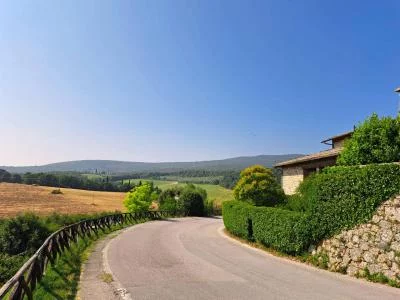
Toscana, Florencia, Scandicci -
(Chianti, Colinas de Florencia)
6 Horas
Mín 1, Máx No especificado
Desde €57

Toscana, Livorno, Castagneto Carducci -
(Bolgheri, Chianti, Maremma, Costa Etrusca, Colinas de Florencia)
10 Horas
Mín 2, Máx 6
Desde €629

Toscana, Florencia, Firenze -
(Chianti, Chianti Classico, Colinas de Florencia)
5 Horas
Mín 2, Máx 50
Desde €55

Toscana, Florencia, Firenze -
(Chianti, Chianti Classico, Colinas de Florencia)
5 Horas
Mín 2, Máx 50
Desde €55

Toscana, Florencia, Firenze -
(Chianti, Colinas de Florencia, Val d'Elsa)
12 Horas
Mín 2, Máx 50
Desde €95

Toscana, Florencia, Certaldo -
(Chianti, Colinas de Florencia)
7 Horas
Mín 2, Máx 10
Desde €180

Toscana, Florencia, Firenze -
(Chianti, Lambrusco, Food Valley, Colinas de Florencia)
10 Horas
Mín 2, Máx 6
Desde €529 (Descuento para grupos)

Toscana, Florencia, Firenze -
(Chianti, Colinas de Florencia)
11 Horas
Mín 2, Máx 15
Desde €139

Toscana, Florencia, Firenze -
(Chianti, Lambrusco, Food Valley, Colinas de Florencia)
10 Horas
Mín 2, Máx 6
Desde €699

Toscana, Florencia, Firenze -
(Chianti, Colinas de Florencia, Val d'Elsa)
11 Horas
Mín 2, Máx 50
Desde €79
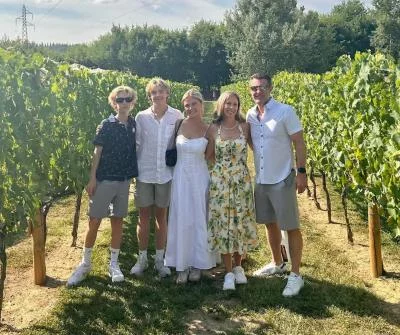
Toscana, Florencia, Scandicci -
(Chianti, Colinas de Florencia, Val d'Elsa)
5 Horas 30 Minutos
Mín 2, Máx 50
Desde €49
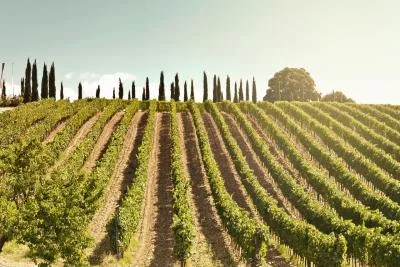
Toscana, Siena, Siena Ciudad -
(Montalcino, Chianti, Montepulciano, Val d'Orcia, Valdichiana, Crete Senesi)
9 Horas
Mín 1, Máx 30
Desde €145
Los mejores tours gastronómicos y de vino en Chianti que no se puede perder
El aroma a ciprés, la tierra calentada por el sol y el inconfundible perfume del mosto fermentando definen la llegada a Chianti. Esta región, el corazón palpitante de la Toscana, se extiende sobre colinas onduladas donde los viñedos se aferran a suelos ricos en galestro y piedra caliza, en altitudes que oscilan generalmente entre los 250 y 600 metros sobre el nivel del mar. Aquí, la hospitalidad no es una industria, es una tradición centenaria arraigada en cientos de fincas históricas y castillos familiares. Un tour gastronómico y enológico es la forma más sensata de explorar este territorio: las distancias son cortas pero las carreteras sinuosas, y la densidad de productores de alta calidad permite probar una increíble variedad de estilos de Sangiovese sin pasar horas en el coche.
En Chianti, el vino y la comida pertenecen a la misma mesa
En esta región, el vino rara vez se bebe solo; está diseñado estructuralmente para acompañar la comida. El ritmo local dicta que una visita a la bodega culmina casi inevitablemente con una mesa puesta: manteles de lino, copas sencillas pero elegantes y platos compartidos que llegan desde la cocina familiar. No se trata de simples aperitivos para limpiar el paladar, sino de un maridaje cultural donde la acidez del vino corta la riqueza de los embutidos y el aceite de oliva. En Winedering, seleccionamos experiencias donde este vínculo es auténtico, asegurando que cada copa se sirva con el acompañamiento culinario que el enólogo tenía en mente al embotellarla.
Cómo el paisaje de Chianti moldea lo que termina en su copa y en su plato
El paisaje de Chianti es una alternancia rítmica de bosques de robles, olivares plateados y filas geométricas de vides. Este terreno no es solo hermoso; es funcional. El suelo de galestro (arcilla esquistosa) aporta estructura y longevidad a los vinos, mientras que las brisas constantes ventilan las uvas Sangiovese, preservando su acidez característica. Esta misma geografía dicta la dieta: los bosques esconden trufas y jabalíes, y las laderas pedregosas son perfectas para los olivos que producen un aceite picante y verde. Lo que crece junto a la viña es lo que mejor sabe con el vino, creando una armonía de "kilómetro cero" que se siente en cada bocado.
Los maridajes que recordará mucho después de dejar Chianti
Las combinaciones de sabores en Chianti no buscan la novedad, sino la perfección de la memoria. La estructura tánica de un Chianti Classico DOCG (marcado por el famoso Gallo Nero) encuentra su contrapunto ideal en la grasa dulce de los embutidos locales o en la suculencia de una carne a la brasa. Aquí, los ingredientes son pocos pero de calidad absoluta, y la técnica culinaria respeta la materia prima por encima de todo. Al elegir su experiencia, busque aquellos tours que incluyan explícitamente un almuerzo ligero o una degustación reforzada para entender verdaderamente esta simbiosis.
Quesos, embutidos y especialidades artesanales que encontrará en Chianti
- Finocchiona: Un salami suave y graso, curado con semillas de hinojo silvestre, cuyo sabor anisado resalta las notas herbales del vino.
- Pecorino Toscano: Queso de oveja que varía desde el fresco y cremoso hasta el curado y picante, ideal para acompañar un Chianti Riserva.
- Prosciutto Toscano: A diferencia del de Parma, este jamón es más salado y curado con una mezcla de pimienta y especias, diseñado para comerse con pan sin sal.
- Bruschetta con Aceite Nuevo: Pan tostado frotado con ajo y bañado en aceite de oliva virgen extra local, famoso por su toque picante en la garganta.
Clásicos regionales en Chianti que brillan aún más con la copa adecuada
- Bistecca alla Fiorentina: El corte de buey o ternera de raza Chianina, asado a la brasa y servido poco hecho. Requiere un vino con cuerpo y taninos firmes, como un Gran Selezione.
- Ribollita: Una sopa densa de pan, frijoles cannellini y col negra (cavolo nero). Su rusticidad pide un Chianti Annata joven y vibrante.
- Pappa al Pomodoro: Un plato humilde de tomate y pan que, gracias a la albahaca y el aceite, se convierte en un festín aromático, perfecto con un rosado de Sangiovese.
Diseñe su itinerario gastronómico y de vinos alrededor de la mesa en Chianti
La mejor manera de planificar un día en Chianti es comenzar decidiendo dónde y cómo quiere comer, y construir el resto del viaje desde allí. Considere si prefiere un almuerzo largo y relajado en una terraza con vistas a las colinas, o si su curiosidad se inclina más hacia la técnica del vino con picoteo ligero. Las experiencias suelen durar desde un par de horas hasta medio día completo. Verifique siempre las inclusiones: un "almuerzo ligero" en Toscana suele ser bastante abundante, mientras que una "degustación con aperitivos" es más breve. Utilice los filtros para encontrar opciones privadas si desea un ritmo personalizado.
El tipo de comida con el que sueña en Chianti, desde lo rústico hasta lo refinado
La oferta gastronómica en las bodegas de Chianti abarca todo el espectro. Puede encontrarse sentado en bancos de madera en un agriturismo familiar, comiendo pasta hecha a mano por la abuela, o en la sala de degustación de un castillo histórico con servicio de mantelería y platos de autor. Ambas opciones suelen adaptarse a necesidades dietéticas (vegetariano o sin gluten) si se avisa con antelación. Para una celebración, las fincas históricas ofrecen un entorno inigualable; para una conexión humana más profunda, las bodegas familiares pequeñas son imbatibles.
Los estilos de vino para explorar en Chianti: desde iconos hasta pequeños productores
La uva Sangiovese es la protagonista indiscutible, debiendo componer al menos el 80% de la mezcla en la mayoría de las denominaciones locales. Sin embargo, el estilo varía enormemente: desde los vinos frescos y florales de las zonas altas de Radda, hasta los tintos potentes y carnosos de las arcillas del sur. Explorar Chianti significa probar tanto los vinos "Annata" (cosecha actual) como los "Riserva" y "Gran Selezione" (con mayor envejecimiento). Busque experiencias que incluyan una cata vertical (mismo vino, diferentes años) para entender cómo el clima de cada añada afecta la copa.
Pequeñas adiciones en Chianti que elevan todo, como una clase de cocina o caminar entre las vides
- Clases de cocina: Aprenda a hacer pasta fresca o tiramisú con un chef local antes de sentarse a comer su creación. Ideal para familias.
- Caminatas por el viñedo: Nada conecta más con la tierra que pisar el suelo y tocar las hojas, entendiendo la viticultura de primera mano.
- Búsqueda de trufas: En temporada, salir con un tartufaio y su perro es una aventura olfativa única que culmina en una comida perfumada con el hallazgo.
Cómo es un tour gastronómico y de vinos en Chianti, paso a paso
La experiencia típica comienza con un trayecto escénico a través de las colinas hasta llegar a la finca, donde será recibido a menudo por un miembro de la familia o un experto de la casa. El recorrido suele iniciar con una visita a los viñedos o a la bodega de barricas, donde el olor a roble y vino impregna el aire y se explican los procesos de elaboración. A continuación, se pasa a la sala de degustación o al restaurante para la cata guiada, que fluye naturalmente hacia la comida. La logística está resuelta: los tiempos son relajados, permitiendo disfrutar sin prisas, y los precios en Winedering son transparentes, sin sorpresas al final.
Visitas a bodegas en Chianti, con maridajes guiados y narración de historias
Durante la visita, no solo beberá vino; aprenderá sobre la historia de la familia Medici, la rivalidad entre Florencia y Siena, y el significado del Gallo Nero. Las catas son formativas pero accesibles, diseñadas para desmitificar términos como "tanino" o "cuerpo" mediante la práctica. Se servirán varios vinos (generalmente de 3 a 5), cada uno presentado con su contexto y acompañado de un bocado específico que realza sus virtudes, demostrando la autoridad y el conocimiento del anfitrión.
Una comida en Chianti que va más allá de una simple parada
Comer en una bodega en Chianti es un acto de "slow food". Los ingredientes son estrictamente de temporada: si es otoño, habrá setas; si es verano, tomates frescos. Ya sea en un restaurante dentro de la bodega o en una mesa comunal, espere un servicio de al menos tres tiempos (entrante, primer plato de pasta, segundo plato de carne) que puede extenderse placenteramente durante casi dos horas. Es el momento de conversar, disfrutar de las vistas y sentir la verdadera dolce vita.
Tiempo para respirar en Chianti, con rutas escénicas y paseos por pueblos
Entre una visita y otra, la región invita a detenerse. La carretera Chiantigiana (SR222) ofrece miradores espectaculares y acceso a pueblos medievales como Greve, Panzano o Castellina in Chianti. Estos momentos de pausa son esenciales para no saturar el paladar y para descubrir pequeñas tiendas de artesanía o carnicerías históricas. Recomendamos dejar al menos una hora de margen entre actividades para disfrutar de estos paseos espontáneos o simplemente para fotografiar el atardecer sobre los viñedos.
Elija el tour gastronómico y de vinos adecuado en Chianti para su ritmo
La elección correcta depende de su energía y tiempo disponible. Si dispone de pocas horas, una degustación enfocada con aperitivos es suficiente para captar la esencia. Si busca una inmersión total, un tour de día completo con almuerzo y transporte es la opción libre de estrés. Para los verdaderos entusiastas, las visitas privadas permiten profundizar en aspectos técnicos y acceder a botellas exclusivas. La disponibilidad en tiempo real en nuestra plataforma le permite asegurar su plaza con confianza, sabiendo que la calidad está garantizada.
Experiencias cortas de comida y vino en Chianti que se sienten ricas y completas
Para quienes están de paso entre Florencia y Siena, las experiencias cortas de 90 minutos a 2 horas son ideales. No se trata de visitas apresuradas, sino de encuentros concentrados: una bienvenida cálida, una explicación concisa y una degustación de alta calidad acompañada de productos locales. Es la fórmula perfecta para viajeros con agendas apretadas que no quieren renunciar a probar la autenticidad de la región.
Fines de semana gastronómicos y de vinos en Chianti para parejas y amigos
Un fin de semana permite un ritmo diferente: visitar a un productor grande y a uno pequeño, disfrutar de un almuerzo largo sin mirar el reloj y cenar en la plaza del pueblo. Es el plan ideal para parejas que buscan romanticismo o grupos de amigos que celebran la vida. Reservar con antelación es crucial, especialmente para grupos, para asegurar que las bodegas puedan preparar la mesa adecuada para ustedes.
Estancias nocturnas en Chianti que convierten la atmósfera en parte del recuerdo
Dormir en una finca vinícola cambia la perspectiva del viaje. Despertar con la niebla sobre los valles y ver cómo el sol dora las vides es una experiencia sensorial en sí misma. Los agriturismos y hoteles boutique dentro de las bodegas permiten disfrutar de la cena con vino sin preocuparse por la conducción posterior. Busque paquetes que incluyan estancia y degustación para una experiencia inmersiva completa.
Regale un tour gastronómico y de vinos en Chianti que se sienta personal
Regalar una experiencia en Chianti es ofrecer un recuerdo, no un objeto. Es un regalo seguro para bodas, aniversarios o amantes de la gastronomía. Puede optar por bonos abiertos o elegir una experiencia específica, como una clase de cocina o una comida en un castillo. La validez es amplia y el proceso de canje es sencillo, asegurando que el destinatario disfrute de la flexibilidad tanto como del vino.
¿Cuándo reservar un tour gastronómico y de vino en Chianti?
Chianti es hermoso todo el año, pero cada estación ofrece un menú y una paleta de colores diferentes. La primavera trae el verde intenso y las flores; el verano, el calor seco y las cenas al aire libre; el otoño, la emoción de la cosecha y los colores dorados; y el invierno, la intimidad del fuego y los sabores robustos. Los fines de semana y la temporada de vendimia (septiembre-octubre) son los momentos de mayor demanda, por lo que se recomienda reservar con semanas de antelación para garantizar disponibilidad.
Temporada de vendimia en Chianti, cuando la región cobra vida
Entre septiembre y octubre, el aire huele a uva prensada y los caminos se llenan de tractores. Es el momento más dinámico para visitar: verá el trabajo real en el campo y en la bodega. La energía es contagiosa, aunque las visitas pueden requerir más flexibilidad ya que los productores están trabajando duro. Es la época perfecta para probar el mosto fresco y disfrutar de almuerzos sustanciosos bajo el sol suave del otoño.
Otoño e invierno en Chianti, para platos profundos y vinos reconfortantes
Cuando bajan las temperaturas, la cocina de Chianti se vuelve más rica: aparecen las trufas blancas, la polenta y los guisos de caza. Los vinos tintos con cuerpo y estructura se aprecian mejor junto a una chimenea encendida. Es una época tranquila, con menos turistas, ideal para conversaciones largas con los enólogos y visitas más íntimas, aunque los días son más cortos.
Primavera y verano en Chianti, para comidas al aire libre y maridajes más ligeros
Desde mayo, la vida se traslada al exterior. Las terrazas se abren y los viñedos estallan en verde. Es el momento de los rosados frescos y los tintos jóvenes servidos ligeramente frescos, acompañados de ensaladas de pan (panzanella) y verduras de la huerta. El calor del verano invita a tours por la mañana o al atardecer, evitando las horas centrales del día.
Eventos gastronómicos y de vino en Chianti, cuando el calendario añade magia extra
La región celebra su cultura con ferias como la "Expo del Chianti Classico" en Greve in Chianti (septiembre) o festivales de la trufa y el aceite nuevo en noviembre. Estos eventos son oportunidades fantásticas para probar cientos de etiquetas en un solo lugar. Planificar su visita alrededor de estas fechas añade una capa extra de festividad, aunque requiere reservar alojamiento y tours con mucha antelación.
Tour gastronómico y de vinos en Chianti: bueno saber
Antes de finalizar su reserva, recuerde que en Chianti, la calidad prima sobre la cantidad. Winedering facilita la búsqueda de las mejores bodegas, distinguiendo claramente entre una simple cata de pie y una experiencia gastronómica completa. Muchos de los mejores productores son pequeñas joyas familiares que no siempre están abiertas al público general sin cita previa, por lo que reservar a través de una plataforma confiable garantiza su acceso. Ya sea para un regalo o para su propio placer, la autenticidad y la hospitalidad toscana están aseguradas.
Chianti: Cosas que saber
¿Cuánto cuesta un tour enoturístico en Chianti?
El precio medio de un tour enoturístico en Chianti es de unos €275. Según la experiencia, los precios van de €29 a €1,469. Reservar con antelación asegura disponibilidad y los mejores precios.
¿Puedo hacer solo una cata en lugar de un tour completo en Chianti?
Éstas son las mejores catas de vinos que puedes reservar en Chianti:
- Cata de vinos gourmet y almuerzo de 5 platos en Savignola Paolina, en el Chianti Classico
- Cata de vinos y aceite de oliva ecológicos en Casale Terzo, en Colle di Val D'Elsa
- Clásico Chianti Ecológico Visita Privada y Degustación en San Michele a Torri
- Cata de vinos toscanos esenciales en las Colinas Pisanas, en Podere Panta Rei
- Auténtica Experiencia Chianti: Visita a una bodega familiar y cata de vinos con maridaje local en Tintichianti
- Cena entre viñedos en Chianti: lujo íntimo al atardecer en Agricola Poggio ai Laghi
- Cata de vinos Chianti Classico Gallo Nero en la Enoteca Clantis de Siena
- Gran Cata de Chianti en la Bodega de Agricola Poggio ai Laghi
¿Puedo reservar un fin de semana en bodega o una estancia más larga en Chianti?
Sí: en Winedering puedes reservar 3 escapadas en Chianti, desde un fin de semana hasta un viaje más largo, durmiendo sobre todo en bodegas, hoteles entre viñedos y agriturismos, y casi siempre con cata de vinos incluida. Descubre las escapadas enológicas en Chianti.
¿Desde dónde suelen partir los tours enoturísticos en Chianti?
Los principales puntos de partida de los tours de bodegas en Chianti:
¿Los tours enoturísticos en Chianti te recogen en el hotel?
70+ de estos tours de bodegas te recogen en la dirección que indicas, normalmente tu hotel. La proporcionas al reservar.
Ver los tours enoturísticos con recogida en Chianti
¿Los tours enoturísticos en Chianti tienen un punto de encuentro fijo?
90+ de estos tours de bodegas salen de un punto de encuentro fijado por el anfitrión, indicado en los detalles de la experiencia antes de reservar.
Ver los tours enoturísticos con punto de encuentro en Chianti¿Buscas un tour a medida? Cuéntanos lo que tienes en mente, desde medio día hasta un viaje de varios días, y lo organizamos para ti.
Continuar con una cuenta social