

Wine Tastings, Winery Visits and Wine Tours in Priorat
Explore wine tastings and winery visits in Priorat, a standout area within Catalonia, Spain. With 30 options available, 22 of them at the winery itself, you'll find experiences from 1 hour up to 11 hours, priced between €15 and €1,200. Visit local wineries, discover the terroir, and savor the wines that make Priorat worth the trip.
If you are looking for a wine tour, with cellar visits and tastings at one or more wineries, this page also lists 8 wine tours, departing mainly from Sant Adria de Besos, la Morera de Montsant and Gratallops.

Catalonia, Tarragona, Gratallops -
(Priorat, Catalonia)
1 Hour 30 Minutes
Min 1, Max 10
From €20

Catalonia, Tarragona, Gratallops -
(Priorat, Catalonia)
1 Hour 30 Minutes
Min 1, Max 14
From €25

Catalonia, Tarragona, Poboleda -
(Priorat, Catalonia)
2 Hours
Min 1, Max 12
From €30

Catalonia, Barcelona, Castellet i la Gornal -
(Penedès, Priorat, Catalonia)
1 Hour
Min 2, Max 20
From €25
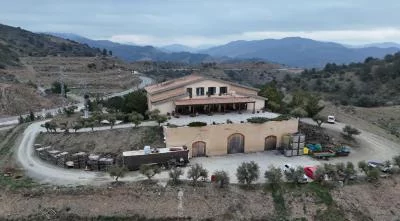
Catalonia, Tarragona, Gratallops -
(Priorat, Catalonia)
1 Hour 30 Minutes
Min 1, Max 50
From €35

Catalonia, Tarragona, Falset -
(Priorat, Catalonia, Montsant)
1 Hour 30 Minutes
Min 1, Max 20
From €25

Catalonia, Tarragona, Gratallops -
(Priorat, Catalonia)
2 Hours 15 Minutes
Min 1, Max 14
From €34

Catalonia, Tarragona, el Lloar -
(Priorat, Catalonia, Tarragona)
1 Hour 30 Minutes
Min 1, Max 45
From €45

Catalonia, Tarragona, la Morera de Montsant -
(Penedès, Priorat, Catalonia)
8 Hours
Min 1, Max 15
From €1,200 (Groups Discount Available!)
Catalonia, Tarragona, la Morera de Montsant -
(Priorat, Catalonia, Montsant)
8 Hours
Min 1, Max 15
From €1,200 (Groups Discount Available!)

Catalonia, Tarragona, la Morera de Montsant -
(Priorat, Catalonia, Montsant)
8 Hours
Min 1, Max 15
From €1,200 (Groups Discount Available!)

Catalonia, Tarragona, Gratallops -
(Priorat, Catalonia, Montsant)
8 Hours
Min 1, Max 15
From €1,200 (Groups Discount Available!)
Priorat wine tasting: which wineries to visit
Priorat, in the province of Tarragona, is less than two hours' drive from Barcelona and under an hour from Tarragona. Most of the wine tastings on this page are in DOQ Priorat villages such as Gratallops, Poboleda and Escaladei, and some are in the DO Montsant that surrounds it. A typical visit lasts an hour and a half to two hours, with 5 wines and often cured meats and cheese. Guests have left more than 50 reviews on Winedering.
Which Priorat wineries are worth visiting?
The most booked is Saó del Coster, in Gratallops, the village where Priorat's revival began in the late 1980s. Gratallops has nearly half of the tastings and more than half of the bookings. Three of the six wineries below are there, three in nearby villages:
- Saó del Coster, in Gratallops: a biodynamic winery in a 19th-century building. You taste as you go, from the terrace to the barrel room: 5 reds, at least one from 2016 or earlier.
- Clos Pachem, in Gratallops: a village-centre winery designed by the studio HArquitectes, where the wines age in concrete and ceramic. The 4 wines include a 100% Garnacha and a 100% Cariñena.
- Atavus, in Gratallops: organic grapes and low-intervention winemaking. After a tour of the winery, you taste 7 wines with cured meats, cheese and hazelnuts, in a room with 360-degree views.
- Perinet, in Poboleda: a walk through the vineyard facing the Montsant range, then 3 wines with cheese and cold cuts.
- Celler Pasanau, in La Morera de Montsant: a walk up to a Cabernet Sauvignon plot planted in 1984, which the winery calls the highest vineyard in Priorat, and 5 wines back at the cellar.
- La Conreria d'Scala Dei, in Escaladei: you taste straight from the tanks and barrels, then 4 bottled wines.
What does Priorat mean in wine, and how is Montsant different?
Priorat is both the place and its appellation, the DOQ Priorat, one of only two Spanish appellations with DOCa status (DOQ in Catalan), the other being Rioja. The name comes from the Carthusian monastery of Scala Dei, founded near Escaladei in 1194: its prior ruled the villages around it, and its monks brought vine growing to the area. The wines are mostly reds from Garnacha and Cariñena (Grenache and Carignan), grown on terraces of llicorella, a dark slate. The DO Montsant, created in 2001, almost completely surrounds it, with the same grapes on more varied soils: chalky clay, granitic sand and slate.
Nearly a third of the tastings on this page are at Montsant wineries. Capafons-Ossó, in Falset, farms estates in both appellations and pours 5 wines, older vintages included. Bell Cros, also in Falset, uses granite eggs in its winemaking and serves its wines with cheese and ham. Celler Gritelles, in Cornudella de Montsant, grows its grapes at 450 to 600 metres, and its tasting has a white, an orange wine, a rosé and two reds. In late April or early May, the two appellations pour side by side for three days at the Fira del Vi, Falset's wine fair.
Can you do a Priorat wine tour from Barcelona?
Yes: this list includes several day tours from Barcelona with hotel pickup. Half of them visit three wineries; the others visit one or two and add an olive oil mill, a Priorat village or a stop in Sitges. With a designated driver, you can fit two tastings into a day without leaving Gratallops. One could be the pica-pica at Devinssi, a spread of Catalan nibbles: bread rubbed with tomato, Arbequina olive oil, ham and fuet sausage. Visits happen all year round, nearly a third of them in autumn, when Garnacha and Cariñena are picked from late September into October. Many of these tastings can also be given as a gift: whoever receives the voucher picks the date.
Organising a day out for your company? Wine team building at the winery
Looking for a tailor-made tour? Tell us what you have in mind, from half a day to a trip of several days, and we will plan it for you.
Priorat: Good to know
What visit in Priorat?
The Spanish wine region of Priorat is located in the province of Tarragona, south of Barcelona. Characterized by a unique territory and microclimate, the Priorat region consists of a constellation of charming small villages, scattered across a beautiful mountainous agricultural scenery. Across the isolated and enchanting landscapes of Priorat, you will have the opportunity to visit some historical wineries and taste some of Spain’s best red wines.
During your visits to the wineries of Priorat, you will have the opportunity to taste various high-quality red wines coming from heroic vineyards, growing on steep mountain slopes with soils rich in black slate (locally known as llicorella). The wines produced in Priorat fall under two different designation categories: the wines produced in the central area fall under the designation DOQ Priorat, one of the only two Spanish wines to have obtained a Qualified Designation of Origin. Wines produced in other areas of Priorat instead fall under the DO Montsant certification.
Which food to taste in Priorat?
While the region is most famous for its wines, between your wine tastings and winery visits in Priorat make sure to try some of the mouthwatering dishes that are typical of the area. You will be able to taste various continental specialties like grilled lamb, botifarra negra (blood sausage), snails, and rabbit meat, as well as some typical rice-based dishes. Priorat’s most iconic recipe is truita amb suc, an omelet served with a tomato-based gravy and various fillings.
Which wines to taste in Priorat?
The protagonists of your wine tastings in Priorat will undoubtedly be red wines, as the production of red wines represents almost 95% of the entire region’s production. The most widespread black grape variety is without doubt Garnacha, followed by Cariñena, another local variety. Other popular black grape varieties include Cabernet Sauvignon, Syrah, and Merlot. The most widespread white grape varieties found in Priorat are instead Garnacha Blanca, Macabeo, and Pedro Ximénez, used in the production of fortified wines.
Which is the best season to visit Priorat?
Wine tastings and visits to the wineries of Priorat can be organized throughout the year. If you’re planning on doing some of the various outdoor activities that the area offers, such as mountain biking, hikes or vineyard strolls, we recommend visiting between spring and autumn, when the days are longer and warmer.
What things to do in Priorat?
Located just a couple of hours south of Barcelona, the small territory of Priorat boasts both natural and historic gems that are definitely worth visiting between a winery visit and another. Highlights of Priorat include the Carthusian Monastery of Scala Dei, the village of Siurana, the city of Tarragona, the village of Falset, and the wine trails along Serra de Montsant.
How much does a wine tasting with winery tour in Priorat cost?
The average price of a wine tasting with winery visit in Priorat is around €181. Depending on the experience, prices range from €15 to €1,200. Booking in advance ensures availability and the best prices.
Which wineries to visit in Priorat?
Can I book a wine weekend or a stay at a winery in Priorat?
Yes: on Winedering you can book one stay in Priorat, from a wine weekend to a longer trip, sleeping mostly at wineries, wine resorts and farm stays among the vines, nearly always with a wine tasting included. Discover Wine holidays in Priorat.
Where do wine tours in Priorat usually depart from?
The main departure points for wine tours in Priorat:
Can I buy a wine tasting voucher for Priorat?
Yes! You can buy a wine tasting gift voucher valid for experiences in Priorat and nearby. After completing your purchase on Winedering, you’ll receive a ready-to-print PDF voucher that you can gift anytime. A simple way to share a wine moment with someone you care about.
Gift now!
Continue with a social account