

Wine Tastings, Winery Visits and Wine Tours in Hills of Imola
Explore wine tastings and winery visits in Hills of Imola, a standout area within Emilia-Romagna, Italy. With 11 options available, 10 of them at the winery itself, you'll find experiences from 1 hour up to 7 hours, priced between €20 and €90. Visit local wineries, discover the terroir, and savor the wines that make Hills of Imola worth the trip.

Emilia-Romagna, Bologna, Castel San Pietro Terme -
(Hills of Bologna, Food Valley, Hills of Imola)
1 Hour 30 Minutes
Min 1, Max 10
From €20

Emilia-Romagna, Bologna, Dozza -
(Food Valley, Romagna, Hills of Imola)
7 Hours
Min 1, Max 8
From €85

Emilia-Romagna, Bologna, Castel San Pietro Terme -
(Hills of Bologna, Food Valley, Hills of Imola)
1 Hour 30 Minutes
Min 1, Max 10
From €48

Emilia-Romagna, Bologna, Dozza -
(Food Valley, Romagna, Hills of Imola)
3 Hours
Min 2, Max Not Specified
From €90

Emilia-Romagna, Bologna, Dozza -
(Food Valley, Romagna, Hills of Imola)
3 Hours
Min 1, Max 12
From €35
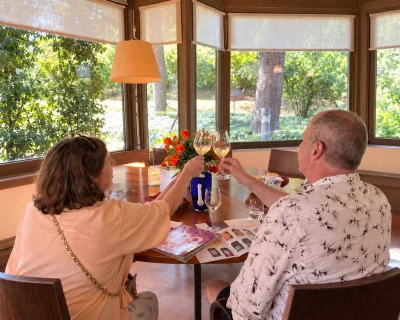
Emilia-Romagna, Bologna, Imola -
(Food Valley, Hills of Imola)
1 Hour 30 Minutes
Min 2, Max 20
From €20
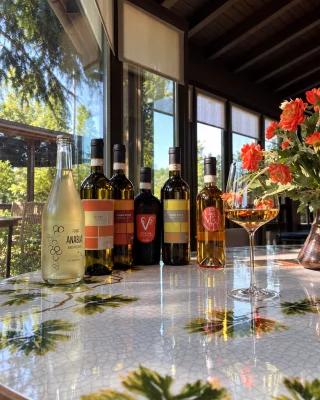
Emilia-Romagna, Bologna, Imola -
(Food Valley, Hills of Imola)
1 Hour 30 Minutes
Min 2, Max 20
From €25

Emilia-Romagna, Bologna, Castel San Pietro Terme -
(Hills of Bologna, Food Valley, Hills of Imola)
1 Hour 30 Minutes
Min 2, Max 20
From €55

Emilia-Romagna, Bologna, Castel San Pietro Terme -
(Hills of Bologna, Food Valley, Hills of Imola)
2 Hours
Min 2, Max 15
From €66

Emilia-Romagna, Bologna, Castel San Pietro Terme -
(Hills of Bologna, Food Valley, Hills of Imola)
1 Hour 30 Minutes
Min 2, Max 20
From €42

Emilia-Romagna, Bologna, Castel San Pietro Terme -
(Hills of Bologna, Food Valley, Hills of Imola)
2 Hours
Min 2, Max 20
From €60
The best wine tastings in the Hills of Imola
Just south of the historic Via Emilia, where the flat plains rise abruptly into the Apennine foothills, the Hills of Imola offer a wine experience defined by golden light, clay soils, and genuine hospitality. This area, bridging the culinary richness of Emilia and the spirited character of Romagna, is home to the Colli d'Imola DOC, a designation established in 1997 that covers roughly 13,000 hectares of diverse agricultural land, with specialized viticulture claiming the sunniest slopes. Here, the tastings are less about pomp and more about substance: expect encounters with producers who balance international varieties like Cabernet with the deep-rooted local heritage of Sangiovese and the unique, structured Albana. Winedering curates experiences that connect you directly with these family-run estates, ensuring authentic visits that are easy to book and rich in local insight.
Wine tastings in the Hills of Imola, among local flavors and aromas
A tasting in this region is a sensory journey through a landscape where the air carries the scent of broom flowers and sun-baked earth. The wines reflect the terroir: heavy clay and limestone soils produce reds with significant tannic grip and whites with surprising longevity. A typical flight might begin with a crisp, floral Pignoletto or Trebbiano, progress to a structured Sangiovese with notes of wild cherry and violets, and conclude with the golden, honeyed complexity of Albana. When tasting here, look for the savory "sapidity" in the whites—a hallmark of the mineral-rich soils derived from the nearby chalk veins. Most experiences last between 60 and 90 minutes and are hosted in English or Italian, often directly by the winemaker or a family member who can guide both beginners and connoisseurs through the nuances of the glass.
Great classics and iconic wines of the Hills of Imola, tastings you can't miss
While the Colli d'Imola DOC allows for modern blends using Merlot and Chardonnay, the true icons of this territory remain the native champions. The undisputed king is Sangiovese di Romagna, often presented in its "Superiore" or "Riserva" versions, which require specific aging periods to soften their rustic edges. Equally important is the Albana di Romagna DOCG—notably, the first white wine in Italy to receive DOCG status in 1987. In the glass, expect the Sangiovese to offer a ruby-red intensity with a dry, harmonious finish, while the Albana ranges from dry and tannic (almost like a red wine) to the luxurious, amber-hued Passito. The best way to understand these wines is through a comparative tasting, sampling a fresh vintage alongside a Riserva to see how the local clay soils grant aging potential to the bottles.
Hills of Imola wine tasting map: plan your tour in a couple of clicks
Exploring the Hills of Imola is straightforward, with most key wineries clustered within a 20-minute drive of Imola city center or the medieval village of Dozza.
- Logistics: Imola serves as the perfect hub; you can reach the vineyards quickly by car, making logistics simple.
- Half-day route: Visit the Rocca Sforzesca in Dozza followed by one winery visit with a tasting of 3-4 labels.
- Full-day route: Two distinct winery visits—one traditional, one modern—interspersed with a lunch of fresh pasta at a local trattoria.
- Weekend route: Stay in a vineyard agriturismo, exploring the "Gesso" (chalk) regional park and visiting 3-5 producers over two days.
Winery tours in the Hills of Imola, a complete experience from grape to glass
Stepping into a winery in the Hills of Imola often means walking from the bright glare of the vineyard into the cool, damp air of a cellar carved partially into the hillside. A full tour goes beyond the tasting room; it typically includes a walk through the rows to touch the heavy clay soil and a visit to the production area where stainless steel tanks stand alongside large Slavonian oak barrels. You might learn about the specific challenges of cultivating Albana, a grape with thick skin that demands precise phenolic management during fermentation. Viticulture here sits at an average altitude of 100 to 300 meters, where the diurnal temperature range preserves acidity in the grapes. Whether you want a casual introduction or a technical deep dive into maceration times, these tours offer a tangible connection to the winemaker's craft.
The best wineries and wine producers in the Hills of Imola to visit
The "best" producers in this area are those who have mastered the balance between the generous warmth of the Romagna climate and the need for freshness in the glass. The landscape is dominated by small to medium-sized family estates rather than industrial giants. Look for wineries that champion organic farming, as the breezy hillside exposure naturally reduces the need for chemical interventions. A key signal of quality is a producer who offers a "Cru" or single-vineyard selection, highlighting the subtle differences between a vineyard on sandy yellow soil versus one on red clay. Browsing our listings allows you to identify these quality markers, check real-time availability, and secure your spot at their table.
Wine experience Hills of Imola: worth doing, worth sharing
Wine experiences here are designed to be shared, often unfolding around a heavy wooden table laden with local snacks while looking out over the geometric rows of vines. It is a region where the pace slows down, inviting you to linger over a glass of Albana Passito as the sun sets. We prioritize experiences that offer transparency—clear pricing, verified reviews from fellow travelers, and the flexibility of free cancellation. From simple tastings to elaborate vineyard dinners, booking online guarantees your place in this welcoming corner of Italy without the hassle of back-and-forth emails.
Hills of Imola tastings with local menus, plus lunch or dinner at the winery
In this borderland between Emilia and Romagna, wine and food are inseparable.
- The scene: Imagine a terrace view with a platter of Piadina Romagnola (local flatbread), soft Squacquerone cheese, and cured prosciutto.
- Local menus: Authentic experiences feature "minestre" (first courses) like Garganelli or Tortellini, prepared by hand.
- Pairing logic: The acidity of a Sangiovese cuts perfectly through the fat of a ragù, while the tannic grip of a dry Albana stands up to aged cheeses and savory cold cuts.
- Practical details: Lunch tastings usually last 2-3 hours and include a seated meal with 3-4 paired wines.
Vineyard picnics and sunset aperitifs in the Hills of Imola
As the summer heat fades in the late afternoon, the Hills of Imola become a golden paradise perfect for outdoor tasting. Many wineries now offer curated picnic baskets filled with local artisanal products—salami, cheeses, fresh fruit, and crusty bread—paired with a chilled bottle of Pignoletto or a light red. These experiences allow you to sit directly among the vines or in olive groves, enjoying the breeze coming down from the Apennines. The season typically runs from May to October. Booking a sunset slot is highly recommended to witness the landscape turn amber and violet while you toast.
Guided tasting experiences in the Hills of Imola: wineries, hikes, and weekend getaways with an overnight stay
For those who prefer a slower pace, the Hills of Imola offer excellent opportunities for "slow travel." Guided experiences can combine a morning trek along the ridge of the "Vena del Gesso" (Chalk Vein) with a rewarding tasting at the finish line. Weekend getaways allow for a deeper education, perhaps comparing the wines of the Imola hills with those of the neighboring Faenza area. Structured tastings with a sommelier can help train your palate to recognize the specific "almond finish" typical of whites from these soils or the difference between steel-aged and oak-aged Sangiovese.
Hills of Imola wine tastings with moments for couples and experiences for the whole family
This region is remarkably inclusive, catering to both romantic escapes and family holidays. Couples can find intimacy in private cellar tours or candlelit dinners in the medieval village of Dozza, surrounded by art and wine. For families, many agriturismo estates are working farms with animals and ample green space where children can play safely while parents enjoy a flight of local vintages. Most experiences are stroller-accessible, and hosts often provide grape juice or snacks for minors. When booking, simply check the amenities listed to find the perfect fit for your group's dynamic.
Vouchers, bundles, and wine tastings to gift in the Hills of Imola
Gifting a wine experience in the Hills of Imola is about offering a memory rather than just an object. Vouchers are an ideal choice for friends or couples who love Italian culture, giving them the flexibility to choose their own dates within a long validity period. Options range from a simple "introduction to Romagna wines" for beginners to premium bundles that include a vertical tasting of rare reserves. If you are unsure of their travel dates, an open voucher is the safest bet, delivered instantly and ready to be redeemed for a weekend of discovery in the vineyards.
Beyond Hills of Imola: more tastings to try nearby
If you have an extra half-day, the central location of Imola makes it easy to extend your wine journey into neighboring territories with distinct personalities. Just a 30-minute drive west brings you to the Colli Bolognesi, famous for the aromatic Pignoletto, while heading east leads to the heart of Romagna wine country around Faenza and Forlì. Each move shifts the terroir slightly—sandy soils turn to heavier clay, and the wines gain power and body. Exploring these nearby zones offers a fascinating contrast, allowing you to build a multi-stop itinerary that showcases the full diversity of the region.
Surprising wine experiences among provinces and towns around the Hills of Imola
Just outside the immediate Imola area, smaller sub-zones offer unique discoveries. To the west, the area around Castel San Pietro Terme produces wines with notable elegance due to slightly different soil compositions. To the east, the hills near Brisighella are renowned not just for Sangiovese but for world-class olive oil, often tasted alongside the wine. These towns are less crowded than major tourist hubs, offering boutique wineries where the owner is often the one pouring the wine. Adding a stop in one of these "Borghi" (villages) adds a layer of cultural depth to your tasting trip.
Hills of Imola wine highlights
Before you book, it helps to understand the fundamentals of this specific wine region. The Colli d'Imola area is a transition zone where the climate is continental but mitigated by the Apennine elevation. The vineyards generally sit between 100 and 400 meters above sea level.
Key Terms:
Calanchi: The distinctive clay formations and badlands visible in the landscape, indicating mineral-rich soil.
Sapidity: A salty, savory sensation on the palate, common in local whites due to the marine origin of the soils.
Hills of Imola grape varieties: heritage, soil, and tradition
The grapes here tell the story of the land's history and geology.
- Sangiovese: The soul of the region. In Imola, it tends to be fruit-forward with notes of cherry and violet, gaining spice with oak aging. It thrives in the clay-rich soils.
- Albana: The "red wine dressed in white." It has high acidity and tannins, producing structured dry wines and legendary sweet Passitos. It prefers the chalky "Spungone" ridges.
- Trebbiano Romagnolo: The workhorse grape, producing light, fresh, and simple whites perfect for everyday drinking.
- International Varieties: Cabernet Sauvignon and Chardonnay have found a welcoming home here, often used in Colli d'Imola DOC blends to add softness and complexity.
Signature wines of the Hills of Imola and labels to know
When browsing tasting lists, keep an eye out for these defining styles.
- Romagna Albana DOCG Secco: A dry white with golden color, savory almond notes, and a full body. Best served at 12-14°C, not ice cold.
- Romagna Sangiovese DOC Superiore: The benchmark red, with stricter production rules and higher alcohol than the basic version, offering structure and longevity.
- Colli d'Imola DOC Rosso: Often a creative blend of Sangiovese and Cabernet/Merlot, offering a modern, approachable style.
- Albana Passito: The jewel of the region, a dessert wine made from dried grapes, offering intense apricot and honey flavors balanced by vibrant acidity.
Food and wine in the Hills of Imola, the perfect pairing
The table in Imola is generous and rich, influenced heavily by the fresh egg pasta traditions of Bologna and the rustic grilled meats of Romagna. The wines have evolved to match this cuisine: they possess the acidity needed to cleanse the palate after rich, fatty dishes and the tannins to stand up to proteins. It is a region of DOP products, from the Shallot of Romagna to the Squacquerone cheese, all of which find their perfect counterpoint in the local glass. Choosing a tasting that includes food is not just an add-on; it is essential to understanding the wine's purpose.
Food & wine tours in the Hills of Imola to taste the region beyond the glass
For a holistic view, food and wine tours here often combine cellar visits with other culinary stops. You might find experiences that include a cooking class to learn the art of rolling "sfoglia" (pasta dough) before sitting down to eat your creation paired with the estate's wines. These tours generally last half a day and include transport, solving the issue of driving after tasting. They offer the context of how the local agriculture—grain, olives, vines, and livestock—integrates to form one of Italy's most famous food baskets.
Hills of Imola wines and local dishes with pairings you'll want to try
To eat like a local, look for these specific combinations during your visit.
- Sangiovese Superiore & Tagliatelle al Ragù: The classic. The wine's tannins bind with the meat proteins, while its acidity cuts through the richness of the sauce.
- Albana Secco & Brodetto di Pesce (or rich roast chicken): A dry Albana has the body of a red wine, making it capable of handling savory fish stews or white meats with herbs.
- Pignoletto Frizzante & Fried Gnocco/Crescentine: The bubbles and high acid of the wine scrub the palate clean after bites of fried dough and soft cheese.
- Albana Passito & Ciambella Romagnola: The traditional hard cake is dipped into the sweet wine, a humble yet decadent finish to a meal.
Make it yours: build a Hills of Imola-themed getaway
Planning a trip to the Hills of Imola is about finding a rhythm between adrenaline and relaxation. You might start your day with the roar of engines at the Imola circuit or a walk up the steep streets of Dozza, followed by a slow lunch and an afternoon wine tasting as the light softens. The area is compact, so staying in Imola, Dozza, or Castel San Pietro allows you to reach 2-3 wineries in a day without spending hours in the car. Use our map to plot a logical route, perhaps grouping wineries by the valley they inhabit to minimize driving time.
Things to do around the Hills of Imola to make your trip even more memorable
While wine is the focus, the region offers diverse attractions to round out your itinerary.
- Visit the Autodromo Enzo e Dino Ferrari: Even for non-racing fans, the history of this F1 circuit in Imola is palpable.
- Explore the Painted Wall of Dozza: An open-air museum where the medieval village walls are covered in murals by contemporary artists.
- Relax at Castel San Pietro Terme: A historic spa town known for its thermal waters and golf course.
- Hike the Vena del Gesso Romagnola: A regional park with unique gypsum crystal formations and spectacular trails.
Storybook villages, must-see sights, and places to visit around the Hills of Imola
The landscape is dotted with small gems worth a detour.
- Dozza: Listed as one of the "Borghi più belli d'Italia" (Most Beautiful Villages in Italy), it is essential for its fortress (Rocca) which houses the regional wine cellar (Enoteca Regionale).
- Brisighella: A bit further east, famous for its three hills and the unique "Via degli Asini" (Donkey Alley), an elevated enclosed walkway.
- Imola City Center: Walk around the Rocca Sforzesca and the historic Piazza Matteotti for an authentic Italian town vibe without the crowds of Bologna.
Planning a trip to the Hills of Imola? Here's the best time to go
The Hills of Imola follow a classic continental four-season pattern.
- Spring (April-June): The hills are lush green, temperatures are mild (15-25°C), and the vines are waking up. Perfect for hiking and tasting.
- Summer (July-August): Hot and dry. Tastings are best enjoyed in the late afternoon or evening. Expect vibrant local festivals.
- Autumn (September-October): The most exciting time. Harvest is in full swing, the foliage turns gold and red, and the air is crisp. Book well in advance.
- Winter (November-March): Quiet and intimate. Fog can blanket the plains, but the cellars are warm and welcoming. Great for reds and hearty food.
Wine festivals and events in and around the Hills of Imola you won't want to miss
Immersing yourself in a local festival is the best way to feel the community spirit.
- Baccanale (Imola, November): A massive food and wine festival celebrating culinary culture with markets, tastings, and special menus.
- Festa dell'Albana (Dozza): A celebration dedicated specifically to the region's white gold, usually held in the picturesque streets of the village.
- Calici Sotto le Stelle (Various locations, August): "Goblets under the stars," a nationwide summer event where wineries open at night for tastings and music.
Hills of Imola: Good to know
What visit in Hills of Imola?
The Hills of Imola, known under the Colli d’Imola DOC, lie just south and west of Imola in Emilia‑Romagna. This wine region was officially recognized in 1997 and covers several municipalities, including Imola, Dozza, Castel San Pietro Terme, Ozzano dell’Emilia, Borgo Tossignano, Casalfiumanese, and Fontanelice. Its vineyards are planted on gently rolling hills that rise from the flat Po valley, and the region benefits from a climate moderated by its proximity to both the Apennine foothills and the Adriatic influence. The soils are varied — often sandy, calcareous, or with clay influence — which help provide good drainage and expressive character in the wines.
Wine tourism in the Hills of Imola offers a more understated, authentic experience. Visits are generally by appointment with small to medium-scale producers. Tasting rooms may be located in traditional cellars or farmhouses, and tours often include vineyard walks, views over rolling hills, and local food pairings. Because the region is less famous than some neighboring areas, visitors can often enjoy more direct interaction with winemakers and insight into their techniques and challenges.
Which food to taste in Hills of Imola?
The gastronomic culture around Imola blends the rich traditions of Emilia and Romagna: fresh pasta, local cured meats, mushrooms, game, and seasonal vegetables figure prominently. The wines of Colli d’Imola pair elegantly with many of these — white varieties go nicely with vegetable starters, fish or lighter meats, and soft cheeses; red wines complement grilled meats, savory stews, and hearty regional fare. The contrast between freshness and structure in the wines helps balance the robust flavors of the local cuisine.
Which wines to taste in Hills of Imola?
The Colli d’Imola DOC allows a flexible range of grape varieties. There are generic white and red DOC wines, plus varietal expressions using Barbera, Cabernet Sauvignon, Sangiovese, Chardonnay, and Trebbiano. For the varietal wines, at least 85 % of the grape named must be used; up to 15 % may come from other authorized grapes. The DOC also allows frizzante (slightly sparkling) versions for some whites and varietals. The “Bianco Superiore” style must reach a slightly higher alcohol level than the standard whites. On the red side, “Riserva” labels are allowed when wines undergo at least 18 months of aging.
Which is the best season to visit Hills of Imola?
Spring is a beautiful time to visit — vines begin their vegetative cycle, hillsides green awaken, and the weather is mild. In summer, the warmth helps ripening, though the elevation and evening cooling help preserve acidity in the grapes. Harvest typically unfolds in late summer through early autumn, when producers are active and wines are freshly pressed. Winter is quiet, with the region’s rhythms more focused on cellar work, vine pruning, and planning for the next vintage.
What things to do in Hills of Imola?
To explore the Hills of Imola, begin in Imola or Dozza and travel along hill roads through the DOC’s territory. Because many producers operate on a smaller scale, it’s wise to make appointments beforehand. Along the way, stop in charming hill towns and medieval villages, enjoy scenic vineyard routes, and sample wines paired with local cuisine. You can design a one‑day or multi‑day itinerary depending on how deep you want to go. Because the terrain is moderate and the distances compact, this region is ideal for travelers who prefer relaxed pacing and meaningful, personal wine discoveries.
How much does a wine tasting with winery tour in Hills of Imola cost?
The average price of a wine tasting with winery visit in Hills of Imola is around €50. Depending on the experience, prices range from €20 to €90. Booking in advance ensures availability and the best prices.
Which wineries to visit in Hills of Imola?
Here are the top wineries to visit in Hills of Imola:
- Cantine Zuffa
- Umberto Cesari
- Assirelli Vini "Cantina da Vittorio"
- Agrivar di Palazzo di Varignana società agricola
- Villa Degli Olmi
Continue with a social account