

Wine Tastings, Winery Visits and Wine Tours in Val d'Elsa
Explore wine tastings and winery visits in Val d'Elsa, a standout area within Tuscany, Italy. With 144 options available, 76 of them at the winery itself, you'll find experiences from 45 minutes up to 1 day and 9 hours, priced between €15 and €1,900. Visit local wineries, discover the terroir, and savor the wines that make Val d'Elsa worth the trip.
Among the wine tastings in Val d'Elsa on this page, you can also book 21 wine tastings with lunch.
If you are looking for a wine tour, with cellar visits and tastings at one or more wineries, this page also lists 64 wine tours, departing mainly from Florence, Siena, Gambassi Terme, Barberino Tavarnelle and Rome.

Tuscany, Siena, San Gimignano -
(Val d'Elsa)
1 Hour 30 Minutes
Min 1, Max Not Specified
From €30

Tuscany, Siena, San Gimignano -
(Val d'Elsa)
1 Hour
Min 1, Max 50
From €30

Tuscany, Siena, San Gimignano -
(Val d'Elsa)
1 Hour 30 Minutes
Min 1, Max 50
From €42

Tuscany, Siena, San Gimignano -
(Val d'Elsa)
1 Hour 30 Minutes
Min 2, Max 20
From €39

Tuscany, Florence, San Casciano in Val di Pesa -
(Chianti, Chianti Classico, Hills of Florence, Val d'Elsa)
2 Hours 30 Minutes
Min 2, Max 25
From €65

Tuscany, Florence, Montespertoli -
(Chianti, Hills of Florence, Val d'Elsa)
1 Hour 30 Minutes
Min 1, Max 30
From €35
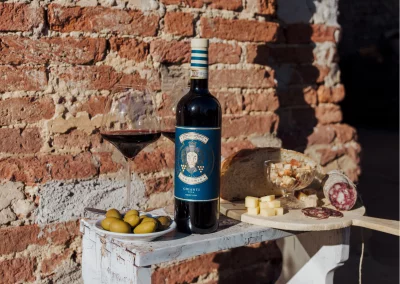
Tuscany, Siena, Colle di Val d'Elsa -
(Chianti, Val d'Elsa)
1 Hour 10 Minutes
Min 2, Max 10
From €25
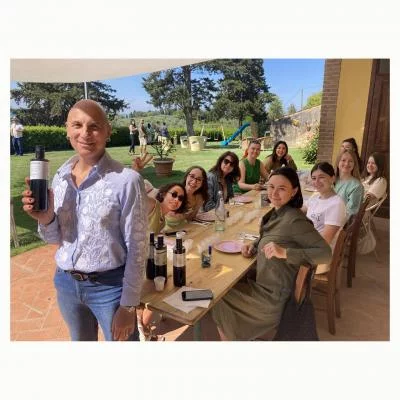
Tuscany, Florence, Montespertoli -
(Chianti, Hills of Florence, Val d'Elsa)
1 Hour 30 Minutes
Min 2, Max 25
From €45
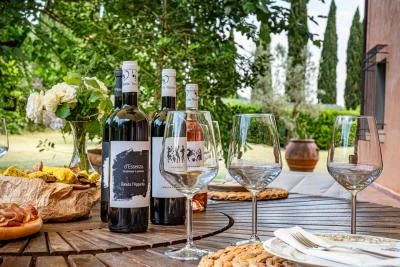
Tuscany, Florence, San Casciano in Val di Pesa -
(Chianti, Chianti Classico, Hills of Florence, Val d'Elsa)
1 Hour 15 Minutes
Min 2, Max 80
From €30

Tuscany, Siena, San Gimignano -
(Val d'Elsa)
2 Hours 30 Minutes
Min 1, Max Not Specified
From €55

Tuscany, Florence, Florence -
(Chianti, Hills of Florence, Val d'Elsa)
8 Hours
Min 1, Max 50
From €845 (Groups Discount Available!)

Tuscany, Florence, Florence -
(Chianti, Chianti Classico, Hills of Florence, Val d'Elsa)
6 Hours 30 Minutes
Min 2, Max 8
From €169
The best wine tastings in Val d'Elsa
Val d'Elsa offers a landscape where medieval towers rise above sea-fossil-rich vineyards, creating a distinct Tuscan terroir that balances history with sensory depth. This valley, stretching between Florence and Siena, is not just a corridor but a destination defined by the Vernaccia di San Gimignano DOCG—Italy's first white wine to receive the designation—and the robust reds of Chianti Colli Senesi and Colli Fiorentini. Here, the soil is ancient and sandy, often revealing seashells between the rows, which imparts a signature sapidity and mineral edge to the wines. Visitors can expect an authentic experience ranging from quick, casual samplings in family-run agriturismos to technical vertical tastings of aged reserves. We have curated a selection of the most reliable and welcoming estates, ensuring that every booking connects you directly with the producers who shape this unique land.
Wine tastings in Val d'Elsa, among local flavors and aromas
A tasting in Val d'Elsa is an exercise in recognizing the interplay between sun, stone, and soil. The sensory signature here is driven by the Vernaccia grape, offering aromas of white flowers, broom, and crisp yellow apple, often finishing with a distinct almond note and a savory, salty kick derived from the mineral-rich Pliocene sands. The red wines, primarily Sangiovese-based, bring forward notes of wild cherry, violet, and damp earth, supported by the clay components of the soil. A typical tasting experience involves a sequence of 3 to 5 wines, starting with a fresh vintage white, moving to a structured Riserva, and concluding with a bold red or a sweet Vin Santo. You will learn to identify the vibrant acidity that keeps these wines ageworthy and the fine-grained tannins typical of the area. Most visits last between 60 and 90 minutes and are conducted in English, catering to both casual enthusiasts and serious collectors.
Great classics and iconic wines of Val d'Elsa, tastings you can't miss
The wine identity of this region rests firmly on two pillars: the white Vernaccia di San Gimignano DOCG and the red Chianti (in its Colli Senesi and Colli Fiorentini subzones). Vernaccia is the undeniable queen here, produced almost exclusively within the municipal boundaries of San Gimignano; it is a white wine with the structure of a red, capable of significant aging. Production regulations require at least 85% Vernaccia grapes, with Riserva versions aging for a minimum of 11 months in the cellar followed by bottle rest. For the reds, the Chianti Colli Senesi DOCG requires a minimum of 75% Sangiovese, often resulting in wines that are approachable in their youth yet complex enough to evolve. In the glass, expect the Vernaccia to present a straw-yellow hue turning golden with age, offering a dry, harmonious palate, while the reds deliver ruby depths and spicy finishes. The best way to understand these classics is through comparative tastings that pitch current vintages against older library releases, allowing you to taste the evolution of the terroir over time.
Val d'Elsa wine tasting map: plan your tour in a couple of clicks
Exploring Val d'Elsa requires a strategic approach, as the valley covers a significant area with distinct clusters of wineries around San Gimignano, Certaldo, and Barberino Tavarnelle.
- Logistics: The driving loop around San Gimignano is compact, with wineries often just 10-15 minutes apart.
- Half-Day Route: Focus on the immediate surroundings of San Gimignano. Visit one historic estate for a mid-morning tasting and finish with lunch in the town center.
- Full-Day Route: Start in the northern part of the valley near Certaldo for a morning tour, drive south for a winery lunch near San Gimignano, and end with a sunset tasting overlooking the towers.
- Weekend Route: Dedicate one day to the white wines of San Gimignano and a second day exploring the red wine producers towards Monteriggioni and Colle di Val d'Elsa, staying overnight in a vineyard agriturismo.
Use our interactive map to filter by date and wine preference, then book your tastings instantly to secure your spot.
Winery tours in Val d'Elsa, a complete experience from grape to glass
Stepping into a winery in Val d'Elsa often means walking on ground that was once an ocean floor, where you can still find fossilized shells among the vines. A full tour takes you beyond the tasting room, starting with a walk through the vineyards to understand the Guyot training systems and the challenge of managing the vigorous canopy during the Tuscan summer. Inside the cellar, the experience contrasts the cool, stainless steel tanks used to preserve the aromatic freshness of Vernaccia with the warmth of the barrel rooms where Sangiovese and Vernaccia Riserva mature in oak. You will likely encounter the caratelli, small sealed barrels used for aging Vin Santo in roasting-hot attics, a method unique to this part of Italy. Viticulture here is defined by altitude, with most quality vineyards sitting between 200 and 400 meters above sea level, ensuring the diurnal temperature shifts necessary for acidity retention. Whether you are looking for a simple introduction or a deep dive into fermentation techniques, there is a tour level to match your interest.
The best wineries and wine producers in Val d'Elsa to visit
We define the "best" producers not just by scores, but by their ability to convey the spirit of Val d'Elsa through their wine and hospitality. The region is home to a high concentration of organic and biodynamic estates, reflecting a community commitment to preserving the biodiversity of this mixed-agriculture landscape. You will find a range of listings from centuries-old aristocratic estates near San Gimignano to smaller, artisan family farms in the hills of Certaldo. When browsing, look for producers offering "Cru" or single-vineyard bottlings, which highlight specific soil compositions, such as the difference between sandy plots and clay-heavy slopes. Many of these producers also make exceptional extra virgin olive oil and grow the protected Saffron of San Gimignano (DOP), often integrated into the tasting experience. Check real-time availability on our platform and book directly to ensure a personalized welcome.
Wine experience Val d'Elsa: worth doing, worth sharing
A wine experience in Val d'Elsa is about slowing down to the rhythm of the countryside, often seated on a terracotta terrace with a view of medieval skylines or rolling wheat fields. These moments go beyond simple analysis; they are opportunities to connect with the land through shared meals, vineyard walks, and long, lazy afternoons. We ensure that every experience listed is transparent in its pricing and offerings, with verified reviews from fellow travelers to guide your choice. With flexible cancellation policies and live availability, you can plan a romantic escape or a group gathering with confidence. Choose your preferred format—from a casual glass to a comprehensive estate tour—and book in minutes.
Val d'Elsa tastings with local menus, plus lunch or dinner at the winery
Food and wine in Val d'Elsa are inseparable partners, and a tasting accompanied by a local menu is the definitive way to experience the region.
- The Table: Expect fresh, unsalted Tuscan bread, pecorino cheese of varying maturities, Finocchiona salami, and bruschetta with "new" olive oil.
- Local Menu: This implies a seated meal featuring regional staples like Ribollita (vegetable and bread soup) or Pappardelle with wild boar sauce.
- Pairing Logic: The acidity of Vernaccia cuts through the richness of olive oil and sheep cheese, while the tannins in the Chianti interact perfectly with the proteins in roasted meats.
- Details: Lunch experiences typically last 2 to 3 hours and include a guided tasting of 3-4 wines alongside a 3-course meal.
Check the menu details in our listings and reserve your table early, especially during the harvest season.
Vineyard picnics and sunset aperitifs in Val d'Elsa
As the sun lowers, the golden light hits the stone towers and the vineyards glow, creating the perfect atmosphere for an outdoor experience. Many wineries in Val d'Elsa offer curated picnic baskets filled with local cheeses, cured meats, focaccia, and a bottle of chilled wine to enjoy directly among the vines or in designated scenic spots. These experiences are less structured than a formal tasting, allowing you the freedom to relax and enjoy the view at your own pace. The best months for this are from late May to September, when the evenings are warm and the sunset lingers. Slots for sunset aperitifs are limited and highly sought after, so we recommend booking these prime times well in advance.
Guided tasting experiences in Val d'Elsa: wineries, hikes, and weekend getaways with an overnight stay
For those who prefer a deeper connection to the land, slow travel options combine physical activity with oenological discovery. The Val d'Elsa is crossed by the historic Via Francigena, making it an ideal location for "trekking and tasting" experiences where you hike between vineyards before settling in for a reward in the glass. Guided multi-winery days allow you to compare the stylistic differences between a producer on the sandy soils near San Gimignano and one on the clay slopes of Castelfiorentino. Some estates offer immersive weekend packages that include overnight stays, vineyard breakfasts, and technical seminars focused on understanding palate characteristics like acidity, tannin management, and the influence of oak. Vertical tastings of Vernaccia Riserva are a highlight for advanced enthusiasts, showcasing the white wine's surprising longevity.
Val d'Elsa wine tastings with moments for couples and experiences for the whole family
Val d'Elsa is a welcoming destination that caters comfortably to both romantic travelers and families with children. For couples, private tastings in historic cellars or exclusive dinners on panoramic terraces offer intimacy and premium wine selections. Families will find that many agriturismos are working farms with animals, gardens, and ample outdoor space where children can play safely while parents taste. Practical amenities often include fruit juices or snacks for minors, high chairs, and relaxed, flexible timing. Whether you need a sophisticated private appointment or a laid-back family-friendly environment, you can explore our specific filters to find and book the perfect fit.
Vouchers, bundles, and wine tastings to gift in Val d'Elsa
Giving a wine experience is far more memorable than gifting a simple bottle; it is an invitation to explore a culture and a landscape. Our vouchers and bundles for Val d'Elsa offer flexibility, allowing the recipient to choose their preferred date or specific winery within a generous validity period. Options range from introductory tastings for beginners to premium lunch pairings or sunset picnics for special occasions. With instant confirmation and clear terms regarding changes, a Winedering voucher is a safe, thoughtful gift. For those unsure of the recipient's schedule, the open-dated voucher is the ideal choice, unlocking the best of Tuscan hospitality whenever they are ready to travel.
Beyond Val d'Elsa: more tastings to try nearby
If you have extra time, Val d'Elsa serves as a perfect pivot point to explore other distinct Tuscan wine territories. Just a short drive away, the landscape and the wines shift subtly, offering new varietals and production styles. Heading east takes you into the heart of Chianti Classico, where the altitude increases and the soil turns rockier, while heading west leads toward Volterra and the coast, where the maritime influence becomes more pronounced. Most nearby wine destinations are reachable within 30 to 45 minutes, making it easy to build a multi-stop itinerary that contrasts the white wines of San Gimignano with the bold reds of its neighbors.
Surprising wine experiences among provinces and towns around Val d'Elsa
Venture slightly off the main route to discover sub-areas that offer exceptional quality with fewer crowds. To the south lies Monteriggioni, a fortified village surrounded by vineyards producing excellent Chianti Colli Senesi with a distinct earthy character. To the north, the area around Montespertoli is known for its fruit-forward Chianti and modern winemaking approaches. Exploring these towns allows you to taste wines from different altitudes and exposures, often in boutique cellars where the winemaker personally pours the wine. We suggest adding a stop in one of these lesser-known zones to compare the nuances of Sangiovese across different terroirs.
Val d'Elsa wine highlights
Before you book, it helps to understand the fundamental elements that make Val d'Elsa unique in the Italian wine scene. This region is distinguished by its geological history; the presence of marine sediments and Pliocene sands is a key factor that separates its wines from the rest of Tuscany. The area boasts a specific microclimate with excellent ventilation, which is crucial for keeping the tightly clustered Vernaccia grapes healthy. Here, terroir is not just a buzzword but a tangible reality of salt, sand, and sun that translates directly into the savory, mineral profile of the local white wines.
Val d'Elsa grape varieties: heritage, soil, and tradition
The vineyards here are dominated by indigenous varieties that have adapted to the local conditions over centuries.
- Vernaccia di San Gimignano: The undisputed star. An ancient white grape grown almost exclusively here. It produces wines with citrus notes, floral aromatics, and a characteristic bitter-almond finish. It thrives in the sandstone soils.
- Sangiovese: The backbone of Tuscan reds. In Val d'Elsa, it produces savory, medium-bodied wines with notes of cherry and tomato leaf.
- Canaiolo & Colorino: Traditional blending partners for Sangiovese, adding color and softening tannins.
- International Varieties: Merlot and Cabernet Sauvignon are present but usually play a supporting role in IGT blends or "Super Tuscan" style wines.
Use this grape guide to select a tasting that aligns with your palate preference, whether you favor crisp whites or structured reds.
Signature wines of Val d'Elsa and labels to know
When looking at a wine list or booking a tasting, keep an eye out for these specific designations.
- Vernaccia di San Gimignano DOCG (Annata): The fresh version, fermented in steel or cement. Crisp, mineral, and ready to drink young.
- Vernaccia di San Gimignano DOCG Riserva: Aged for at least 11 months, often with some wood contact. Complex, flinty, and capable of aging for a decade.
- Chianti Colli Senesi DOCG: A specific subzone of Chianti. Typically approachable, fruity, and drinkable, meant to be enjoyed within 3-5 years.
- San Gimignano Rosso DOC: A flexible appellation allowing for blends of Sangiovese with international grapes like Merlot or Syrah.
- Vin Santo: A dessert wine made from dried grapes, aged in small barrels for years. Notes of honey, dried apricot, and nuttiness.
Spot these wines in our experience listings and book a producer who specializes in the styles that intrigue you most.
Food and wine in Val d'Elsa, the perfect pairing
The cuisine of Val d'Elsa is a celebration of peasant traditions elevated by high-quality local ingredients. The table here is defined by the extensive use of aromatic herbs, extra virgin olive oil, and the prized Saffron of San Gimignano DOP, which has been cultivated here since the Middle Ages. The wines are naturally engineered to complement this food: the high acidity of the white Vernaccia cleanses the palate after rich, saffron-infused dishes, while the tannic grip of the reds stands up to the succulence of grilled meats and cured pork products. Choosing a tasting that includes food is the best way to understand this symbiotic relationship.
Food & wine tours in Val d'Elsa to taste the region beyond the glass
For a comprehensive culinary immersion, food and wine tours offer a structured way to taste the region without the hassle of planning. These experiences often combine a winery visit with other culinary stops, such as a hunt for seasonal truffles, a visit to an olive oil mill, or a cooking class where you learn to make fresh pasta. A typical tour lasts half a day and includes transportation, ensuring you can enjoy the wine pairings safely. The value lies in the context; guides explain the history of the ingredients and the logic behind the pairings, turning a simple meal into a cultural lesson. Book a tour to enjoy a diverse palate of flavors in one seamless itinerary.
Val d'Elsa wines and local dishes with pairings you'll want to try
To truly eat like a local, try these specific combinations during your visit.
- Vernaccia Riserva & Saffron Risotto: The mineral depth and structure of the Riserva match the aromatic intensity and creaminess of the saffron rice.
- Chianti Colli Senesi & Ribollita: The fresh acidity of the red wine cuts through the density of this kale, bean, and bread soup, balancing the olive oil richness.
- San Gimignano Rosso & Cinghiale (Wild Boar): The structured tannins and body of a bold red are necessary to handle the intense, gamey flavor of the meat.
- Vin Santo & Cantuccini: The classic finish. Dip the almond biscuits into the sweet wine; the nutty flavors echo each other perfectly.
Look for tastings that feature "light lunch" or "local snacks" to try these pairings directly at the source.
Make it yours: build a Val d'Elsa-themed getaway
Designing a trip to Val d'Elsa is about finding the right balance between exploration and relaxation. We recommend basing yourself in a hilltop town like San Gimignano or a countryside agriturismo to minimize driving and maximize atmosphere. A realistic pace involves visiting two wineries a day—one in the morning and one in the late afternoon—leaving the middle of the day for a leisurely lunch or sightseeing. Remember that distances on the map can be deceiving due to winding country roads, so allow ample travel time. Use our map to visualize the winery locations and set a pace that lets you savor the views as much as the wine.
Things to do around Val d'Elsa to make your trip even more memorable
Complement your wine tastings with activities that highlight the region's history and craftsmanship.
- Climb the Torre Grossa: Ascend the tallest tower in San Gimignano for a panoramic view of the vineyards you are tasting.
- Crystal Glass in Colle di Val d'Elsa: Visit the museums and workshops in the "City of Crystal," responsible for much of Italy's glass production.
- Bike the Via Francigena: Rent an e-bike to ride segments of this ancient pilgrim route that cuts through the valley.
- Ceramics in Montelupo: Explore the tradition of Tuscan pottery in nearby towns.
Pair a morning activity like a tower climb with an afternoon relaxation session at a winery for a perfectly balanced day.
Storybook villages, must-see sights, and places to visit around Val d'Elsa
The valley is dotted with fortified hamlets that feel frozen in time.
- San Gimignano: The "Manhattan of the Middle Ages," a UNESCO World Heritage site essential for history lovers.
- Certaldo Alto: The birthplace of Boccaccio, accessible by funicular, offering red-brick architecture and stunning views.
- Monteriggioni: A perfectly preserved ring of walls and towers mentioned in Dante's Inferno.
- Barberino Val d'Elsa: A quieter, charming medieval village offering authentic atmosphere without the crowds.
Add a stop at one of these villages between your morning and afternoon tastings to stretch your legs and soak in the history.
Planning a trip to Val d'Elsa? Here's the best time to go
Val d'Elsa is a year-round destination, but the experience changes with the seasons.
- Spring (April-June): The vines are green, poppies bloom, and temperatures are mild (15-25°C). Ideal for hiking and outdoor tastings.
- Summer (July-August): Hot and dry with long days. Best for sunset experiences and evening dinners, though midday can be scorching.
- Harvest (September-October): The most energetic time. The weather is stable, and you can see the grape picking in action. Book early as demand is high.
- Winter (November-March): Quiet and intimate. Cool temperatures and rain are possible, but you'll have the cellars and towns largely to yourself.
Check live availability on our platform to see what seasonal experiences are open during your travel dates.
Wine festivals and events in and around Val d'Elsa you won't want to miss
Immerse yourself in local culture by timing your visit with these celebrations.
- Ferie delle Messi (June): A medieval harvest festival in San Gimignano with knights, parades, and market stalls.
- Calici di Stelle (August): A nighttime wine tasting event held in the piazzas of San Gimignano and nearby towns under the shooting stars.
- Boccaccesca (October): A major food and wine festival in Certaldo celebrating local products and culinary traditions.
Note that accommodation and transport should be booked well in advance during these festive periods.
Val d'Elsa: Good to know
What visit in Val d'Elsa?
Val d’Elsa (Valdelsa) unfolds between the provinces of Siena and Florence, tracing the path of the Elsa river through rolling hills, olive groves, vineyards, and medieval hilltop towns. It lies at the heart of Tuscany, with landscapes that shift softly from the Tuscan plateau to gentler slopes. Historic villages like Colle di Val d’Elsa, San Gimignano, Certaldo, and Poggibonsi dot the valley and hillsides, their towers, walls, and narrow alleys speaking of centuries of history. The wine culture here is subtle yet deeply rooted, with special emphasis on white wine tradition in the San Gimignano enclave. In Val d’Elsa, wine emerges not as a grand brand but as a companion to place, history and everyday pleasure.
Exploring Val d’Elsa through wine is a journey of quiet discovery. You’ll find small cellars and family estates where owners often pour directly from barrels and guide you through vineyards, fermentation rooms, and tasting nooks. Some tasting experiences are paired with local olive oils, honey, or garden herbs. Walking and cycling trails thread among vineyard patches and cypress‑lined ridges, letting you move slowly from one tasting to scenic overlooks. Many estates offer vertical tasting flights or “riserva” samples not yet widely marketed, giving you a chance to observe aging in action. Since distances between villages are short, you can couple wine visits with cultural stops—ancient churches, artisan shops, or hilltop walks—and return by sunset to a terrace overlooking the valley.
Which food to taste in Val d'Elsa?
In Val d’Elsa, food feels grounded, seasonal, and born of simple ingredients treated with care. In early courses you might enjoy white bean soups, crostini with local mushroom or tomato compotes, rustic salads, or egg dishes with herbs. Main courses lean toward Tuscan tradition: grilled fish or shellfish, rabbit or poultry, and pasta with light ragù or vegetable-based sauces. Cheeses like pecorino, fresh goat cheeses or aged curds will often appear. For dessert, olive oil cakes, almond tarts, or fruit compotes serve to conclude gently. The region’s signature white wines—especially from the San Gimignano area—offer crisp acidity and a gentle bitter note that complements shellfish, fried vegetables, herbs, and mild cheeses beautifully.
Which wines to taste in Val d'Elsa?
The standout variety in Val d’Elsa is Vernaccia, used to produce the renowned Vernaccia di San Gimignano, a white wine that’s both historic and distinctive. Grown on sandstone-rich soils around San Gimignano, this grape yields wines with crisp citrus notes, white flowers, and a pleasantly dry, slightly bitter finish that sets it apart from other Tuscan whites. Some producers blend small amounts of other local white grapes to add complexity, but Vernaccia always remains the core. Beyond whites, the surrounding hills of Val d’Elsa are home to red varieties like Sangiovese, often used in regional blends or structured reds with aging potential. While the region celebrates its whites, especially in the northern parts, its diversity in grape cultivation reflects a balanced, evolving wine culture.
Which is the best season to visit Val d'Elsa?
Spring brings blossoms, fresh greenness, and gentle mist drifting through hills and valleys. Late April through May is ideal for vineyard walks and early tasting sessions before the heat builds. In summer, the days are long and warm—perfect for late afternoon wine tastings and dinners in open courtyards. Harvest typically begins around September and may stretch into early October—this is a vibrant time when estates bustle, cellars hum with activity, and local wine fairs or open‑cellar days often coincide. In autumn, the hills take on golden tones under softer sunlight, and quieter tasting experiences revive as crowds recede. In winter, the land rests; wineries turn inward for blending, barrel aging, and planning. It’s a reflective time for deeper tastings, food pairing sessions, and slower travel without the bustle.
What things to do in Val d'Elsa?
Base yourself in a hill town such as San Gimignano or Colle di Val d’Elsa to access vineyards, cultural sites, and local cuisine with ease. Plan at least three to four nights to allow for wine routes, countryside walks, and surprises. Devote one day to exploring the San Gimignano white wine circuit, another to venturing into neighboring hills for red wine or mixed vineyards, and leave time for towns like Certaldo or Poggibonsi along the valley. Try to time your visit with local events—wine festivals, open cellar weekends, or food markets. Use bicycles or e‑bikes for quieter stretches between estates, and always pause at scenic viewpoints. Above all, follow your palate: stop where a tasting intrigues you, chat with producers, and let Val d’Elsa’s gentle rhythms guide your itinerary.
How much does a wine tasting with winery tour in Val d'Elsa cost?
The average price of a wine tasting with winery visit in Val d'Elsa is around €166. Depending on the experience, prices range from €15 to €1,900. Booking in advance ensures availability and the best prices.
Which wineries to visit in Val d'Elsa?
Here are the top wineries to visit in Val d'Elsa:
- Tenuta L' Apparita
- La Sala del Torriano
- Società Agricola Davinum
- TENUTA SOVESTRO
- Carus Vini
- Azienda Agricola Cesani
- Casale Terzo
- Tenuta Guardastelle
Where do wine tours in Val d'Elsa usually depart from?
The main departure points for wine tours in Val d'Elsa:
Are there wine tastings with lunch in Val d'Elsa?
Among the wine tastings in Val d'Elsa on this page, you can also book 21 wine tastings with lunch.
Looking for a tailor-made tour? Tell us what you have in mind, from half a day to a trip of several days, and we will plan it for you.
Continue with a social account