

Food and Wine Tours in Amarone
In Amarone, in the heart of Veneto, food and wine tours are one of the most natural ways to discover wineries, local flavors, and authentic pairings. On Winedering you'll find 41 food and wine experiences, with food and wine itineraries ranging from 2 hours to 9 hours, including guided tastings and regional specialties. Prices start from €63 and go up to €1,720. Choose your pace and book your food and wine tour in Amarone in just a few clicks.

Veneto, Verona, Verona -
(Valpolicella, Amarone, Valpantena)
3 Hours
Min 1, Max 10
From €125

Veneto, Verona, Verona -
(Valpolicella, Amarone, Soave, Valpolicella Classica, Valpantena, Lessini Mountains)
4 Hours
Min 2, Max 4
From €300 (Groups Discount Available!)

Veneto, Verona, Verona -
(Valpolicella, Amarone, Valpolicella Classica, Valpantena)
4 Hours
Min 1, Max 10
From €115

Veneto, Verona, Verona -
(Valpolicella, Amarone, Valpolicella Classica, Valpantena)
4 Hours
Min 1, Max 8
From €125
Veneto, Verona, Verona -
(Valpolicella, Amarone, Valpolicella Classica, Valpantena, Lessini Mountains)
3 Hours
Min 2, Max 4
From €215 (Groups Discount Available!)

Veneto, Verona, Verona -
(Valpolicella, Amarone, Valpolicella Classica, Valpantena)
4 Hours
Min 2, Max 4
From €235 (Groups Discount Available!)

Veneto, Verona, Verona -
(Valpolicella, Lake Garda, Chiaretto, Amarone, Bardolino, Valpantena)
4 Hours
Min 2, Max 4
From €275 (Groups Discount Available!)
Veneto, Verona, Verona -
(Valpolicella, Amarone, Soave, Valpantena)
4 Hours
Min 2, Max 4
From €280 (Groups Discount Available!)

Veneto, Verona, Verona -
(Valpolicella, Amarone, Soave, Valpantena, Lessini Mountains)
7 Hours
Min 2, Max 4
From €495 (Groups Discount Available!)

Veneto, Verona, San Pietro in Cariano -
(Valpolicella, Amarone, Valpolicella Classica)
4 Hours
Min 2, Max 6
From €154
Veneto, Verona, Verona -
(Valpolicella, Amarone, Valpolicella Classica, Valpantena)
4 Hours
Min 1, Max 8
From €110

Veneto, Verona, Negrar -
(Valpolicella, Amarone, Valpolicella Classica)
6 Hours
Min 2, Max Not Specified
From €140

Veneto, Verona, Verona -
(Valpolicella, Amarone, Valpolicella Classica, Valpantena)
7 Hours
Min 2, Max 4
From €500 (Groups Discount Available!)
Veneto, Padua, Padova -
(Valpolicella, Euganean hills, Amarone, Valpolicella Classica)
8 Hours
Min 4, Max 8
From €220

Veneto, Verona, Verona -
(Valpolicella, Amarone, Valpolicella Classica, Valpantena)
3 Hours
Min 2, Max 8
From €90

Veneto, Verona, Verona -
(Valpolicella, Lake Garda, Chiaretto, Amarone, Bardolino, Valpantena)
8 Hours
Min 1, Max 8
From €99
The best food and wine tours in Valpolicella that you can't miss
The scent of drying grapes—intense, sweet, and concentrated—is often the first thing you notice when stepping into a historic cellar here. It is a distinct aroma that separates this region north of Verona from any other wine destination in Italy. A tour in Valpolicella is not just about tasting liquid in a glass; it is about understanding the patience required to produce Amarone, one of the world's most prestigious red wines.
Covering approximately 8,000 hectares of vines, this area offers a density of experiences that makes it ideal for touring. The distances between the rolling hills of the Classico zone and the wider Valpantena valley are short, allowing you to visit two or three distinct producers in a single day without spending hours in a car. You move from small, family-run farmhouses to grand 17th-century villas in minutes.
Hospitality here is deeply rooted in the agricultural tradition. Winemakers do not just pour samples; they open the doors to their fruttai (drying rooms) and walk you through the vineyards. Because the food culture is as robust as the wine, a guided tour almost always bridges the gap between the cellar and the dining table.
In Valpolicella, wine and food belong at the same table
The rhythm of life in this region revolves around the meal. It begins with a mid-morning pause, perhaps a glass of lighter Valpolicella, and extends into lunches that occupy the better part of the afternoon. Local producers rarely taste wine in isolation; they understand that the high alcohol and rich structure of an Amarone or a Ripasso require fat and protein to find balance.
When you book a pairing experience on Winedering, you are participating in this social ritual. You might sit at a long wooden table in a renovated farmhouse, sharing a platter of soppressa salami while the winemaker explains the vintage. Or, you might find yourself in a refined dining room overlooking the vines, where the menu is designed specifically to match the evolution of the wines in your glass.
This is authentic pairing. It is not a generic snack served as an afterthought. It is a deliberate combination, often prepared by the winemaker's family or a local chef who sources ingredients from the immediate vicinity.
How the landscape of Valpolicella shapes what ends up in your glass and on your plate
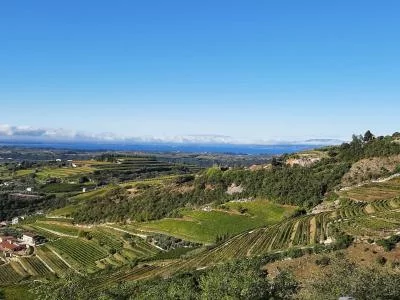
The geography of Valpolicella is defined by a series of valleys that run like fingers from the Lessini Mountains down toward Verona. To the west, the proximity of Lake Garda sends cooling breezes through the vineyards; to the north, the mountains protect the vines from harsh northern winds. The soil varies significantly, shifting from volcanic rock to calcareous limestone, which directly influences the texture of the wine.
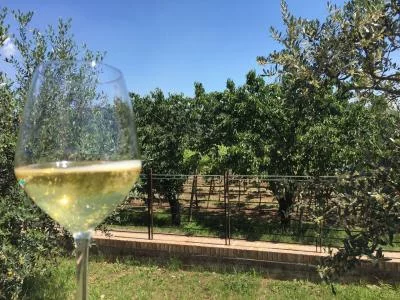
Limestone soils tend to produce wines with higher acidity and elegance, while volcanic soils often yield wines with more mineral depth and spice. This terrain supports more than just grapes. You will see olive trees with silver leaves growing on the same terraces, producing delicate olive oil that is a staple of the local diet. Cherry orchards thrive here as well, providing fruit that appears in jams and desserts. The cuisine relies on what the land provides: sturdy rice for risottos, wild herbs for sauces, and cattle raised in the nearby pastures.
The pairings you'll remember long after you leave Valpolicella
A great pairing creates a balance where neither the food nor the wine overpowers the other. In Valpolicella, this often means matching distinct intensity with intensity.
The wines here have personality. An Amarone DOCG, made from dried grapes, carries high alcohol and concentrated fruit flavors that would crush a delicate salad. Instead, it finds its partner in braised meats or aged cheeses. A Valpolicella Classico, lighter and fresher, works with appetizers and pasta. The local grapes—primarily Corvina, Corvinone, and Rondinella—offer a red fruit profile that naturally complements the savory, herbal notes of Veronese cooking.
Look for tours that explicitly mention "lunch" or "guided food pairing" to experience these combinations firsthand.
Cheese, cured meats, and artisan specialties you'll find in Valpolicella
The standard board, or tagliere, in this region is substantial. It acts as a map of the local agriculture.
- Monte Veronese Cheese: This is the king of local dairy. It comes in two main styles: fresh (milk-white, creamy, mild) and aged (hard, golden, piquant). The fresh version pairs well with lighter red wines, while the aged version stands up to the structure of an Amarone.
- Soppressa Veneta: A large, aged salami often containing garlic and spices. It has a soft, fatty texture that melts on the tongue, coating the palate in a way that softens the tannins of red wine.
- Mostarda: A candied fruit condiment with mustard essence. Its sweet-and-spicy profile cuts through the richness of cheese and meats.
Regional classics in Valpolicella that shine even more with the right glass alongside
If you sit down for a full meal, certain dishes are almost mandatory. Risotto all'Amarone is the most iconic. The rice is cooked with the wine itself, resulting in a purple, creamy dish that echoes the flavors in your glass. The acidity of the wine cuts through the butter and parmesan, making each bite savory rather than heavy.
Another staple is Pastissada de Caval (or beef braised in wine). This is a slow-cooked stew, rich with herbs and spices, traditionally served with soft polenta. The intense, savory sauce requires a wine with body and structure—typically an Amarone or a robust Ripasso—to stand up to it. For lighter palates or warmer days, bigoli pasta with a simple meat ragù pairs effortlessly with a fresh Valpolicella Superiore.
Shape your food and wine tour itinerary around the table in Valpolicella
The best way to plan your day in Valpolicella is to build it around your main meal. If you prefer a long, leisurely lunch, choose a winery that hosts a full dining experience and schedule a lighter tasting visit in the morning or late afternoon.
Consider your transportation. These wines are high in alcohol—Amarone often exceeds 15% ABV. Booking a tour with a driver or a guided small group allows you to enjoy the pairings without worrying about navigating winding roads. Most experiences last between 3 to 6 hours, depending on whether you include a full lunch.
Filter your search by "lunch included" or "private driver" to find the logistics that fit your comfort level.
The kind of meal you're dreaming about in Valpolicella, from rustic to refined
Dining settings in Valpolicella range from casual to luxurious. Many agriturismi (farm stays) offer a rustic experience: stone walls, wooden beams, and a menu written on a chalkboard. Here, the atmosphere is informal, and the food is home-style, often served by the family who cooked it.
On the other end of the spectrum, historic wine estates often have dedicated professional kitchens. These experiences are more structured, with multiple courses served at a set pace, white tablecloths, and panoramic views of the valley. Dietary requirements such as vegetarian or gluten-free options are widely available, provided you mention them when booking.
The wine styles to explore in Valpolicella: from icons to small producers
Valpolicella is unique because it produces four very different wines from the same blend of grapes (Corvina, Corvinone, Rondinella). You should expect to taste the full range.
Valpolicella DOC is fresh, fruity, and drunk young. Ripasso is more complex, created by passing the fresh wine over the skins of dried grapes. Amarone DOCG is the dry, powerful icon made from grapes dried for 3–4 months. Recioto is the sweet dessert wine, the historical ancestor of Amarone.
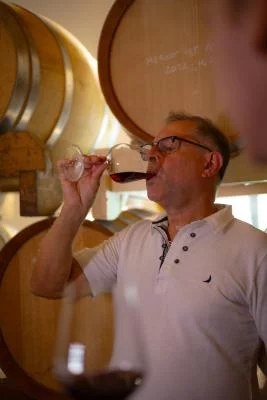
Tours here will take you to both historic "icon" estates that export globally and small boutique wineries producing limited bottles. The small producers often use traditional methods like large slavonian oak barrels for aging, focusing on elegance rather than raw power. Visiting a mix of both gives you the most complete picture of the region.
Small additions in Valpolicella that elevate everything, like a cooking class or walking among the vines
- Vineyard Walks: Many tours include a walk through the vines to see the "marogne"—the traditional dry-stone walls that terrace the hillsides. This adds context to the "terroir" you taste later.
- Cooking Classes: Learn to stir the perfect risotto or make fresh pasta. These classes usually take 3-4 hours and end with eating what you've created, paired with the estate's wines.
- Olive Oil Tasting: Since olive trees grow alongside the vines, many producers offer a taste of their oil on toasted bread. It is a simple, peppery palate cleanser.
What a food and wine tour in Valpolicella looks like, step by step
A typical day begins with a pickup or arrival at the estate in the morning light. The air is often crisp. You will meet your host and likely start with a walk to the vineyards to see the soil and training systems. This grounds the experience in agriculture.
Next, you move inside. In Valpolicella, this usually means visiting the fruttaio, the room where grapes are laid out on bamboo racks or crates to dry. This is a crucial step for understanding Amarone. Following the technical tour, you settle into the tasting room or restaurant.
The tasting is paced. You start with lighter wines and move to the heavyweights, accompanied by food pairings. The experience concludes with time to purchase bottles or simply enjoy the view before your transport departs.
Winery visits in Valpolicella, with guided pairings and storytelling
The welcome is generally warm and personal. Hosts in Valpolicella are proud of their unique production method—the Appassimento—and they want you to understand it. You won't just be told "this is red wine"; you will learn why the grapes lose 40% of their weight during drying and how that concentrates the sugars.
Tastings are seated and guided. You are not standing at a crowded bar. The host pours, explains the vintage conditions (hot year vs. rainy year), and suggests a bite of cheese or salami to unlock specific flavors in the wine. It is an educational dialogue, backed by the authority of the producer.
A meal in Valpolicella that goes beyond a simple stop
When a tour includes a meal, it becomes the centerpiece of the day. It is not a quick sandwich. Expect a 2- or 3-course menu featuring local ingredients. The pacing is Italian: slow and deliberate.
If you are at a winery restaurant, the wine pairing is often poured course by course. A fresh white or rosé might accompany the starter, a Ripasso with the pasta, and the Amarone reserved for the main meat course. This structure demonstrates the versatility of the region's wines.
Time to breathe in Valpolicella, with scenic routes and village strolls
Between winery visits, the drive itself is part of the experience. The road winds past cypress trees, cherry orchards, and stone villas. Drivers or guides often stop at panoramic points like the terrace near the church of San Giorgio di Valpolicella, which offers a view stretching all the way to Lake Garda.
Take these moments to walk through a small village square or simply breathe the fresh air. It is important not to rush. Leave a buffer of 30 minutes between appointments if you are driving yourself, or rely on your guide to manage the rhythm so you don't feel hurried.
Choose the right food and wine tour in Valpolicella for your pace
Your choice of tour should depend on how much time you have and your tolerance for robust red wines. If you only have a morning, a single winery visit with a light tasting is sufficient to get a sense of the region. However, to truly understand the food culture, a half-day or full-day tour with lunch is superior.
Consider the group size. Shared tours are social and cost-effective, often great for meeting other travelers. Private tours offer flexibility and the ability to ask deep technical questions without interruption. Check the availability calendar for real-time openings and transparent pricing.
Compare the duration and inclusions listed on the tour page, then book to secure your spot.
Short food and wine experiences in Valpolicella that still feel rich and complete
A "short" experience in Valpolicella typically lasts about 1.5 to 2 hours. This usually includes a tour of the cellar and drying room, followed by a tasting of 3 to 5 wines paired with snacks. It is an excellent option for those staying in Verona who want a quick excursion into the countryside.
Even in this brief format, the storytelling is robust. You will leave knowing the difference between Valpolicella Ripasso and Amarone. Look for experiences that confirm "guided tasting" to ensure you get the full narrative.
Food and wine weekends in Valpolicella for couples and friends
A weekend allows you to slow down. You can dedicate one day to the Classico zone—the historic heart of the region—and another to the Valpantena or Eastern valleys, where the wines can be spicier and more herbal. This pacing removes the pressure.
Evenings are for relaxing dinners in local trattorias where you can order from the wine list without needing to drive back to the city. It is a celebratory atmosphere, perfect for couples or small groups of friends who want to immerse themselves in the "dolce vita."
Overnight stays in Valpolicella that make the atmosphere part of the memory
Staying overnight changes the perspective. You see the vineyards in the golden hour before sunset and the mist in the valleys at sunrise. Many wineries offer accommodation in the form of "wine relais" or B&Bs.
These stays range from simple rooms in a farmhouse to elegant suites in renovated villas. Breakfast often includes homemade cakes and local jams. Staying on-site means you are just steps away from the cellar, allowing for a relaxed start to your touring day.
Gift a food and wine tour in Valpolicella that feel personal
Gifting a tour here is ideal for someone who appreciates bold red wines or Italian history. It is an experience, not just a product. You can choose a voucher for a specific tour—like a romantic lunch in the vineyards—or a flexible amount.
The recipient gets the joy of anticipation and the memory of the visit. Redemption is straightforward, and the pricing is transparent. It is a thoughtful way to offer a taste of Italy.
When to book a food and wine tour in Valpolicella?
Valpolicella is a year-round destination, but the experience changes with the seasons. Book well in advance for weekends and the harvest months, as these are the most popular times. Weekdays generally offer a quieter, more intimate atmosphere.
Check live availability for your preferred dates to see what is open.
Harvest season in Valpolicella, when the region comes alive
September and October are electric. You will see tractors on the roads and teams of pickers in the rows. This is the only time you can see the fresh grapes being laid out on the drying racks in real-time.
The energy in the wineries is high. Tastings might be punctuated by the sounds of the crush pad. The weather is usually mild, perfect for vineyard walks. Be aware that availability fills up fast, so booking weeks ahead is necessary.
Autumn and winter in Valpolicella, for deeper dishes and comforting wines
Winter is arguably the best season for the wine itself. Amarone is a "meditation wine," warming and powerful, suited to cold days. The cuisine shifts to polenta, mushrooms, and truffles.
Tasting rooms are cozy, often with fireplaces lit. The pace is slower, and winemakers have more time to chat. While the vines are dormant and bare, the hospitality is at its warmest. It is the perfect time for a long, indoor lunch.
Spring and summer in Valpolicella, for outdoor meals and lighter pairings
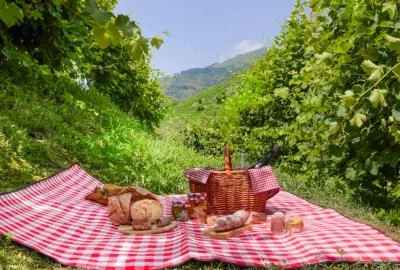
From April to August, the hills are vibrant green. This is the season for outdoor tastings on terraces and picnics in the vineyards. The days are long and bright.
While red wine is king, producers will serve lighter vintages of Valpolicella slightly chilled, which is refreshing in the heat. It is a busy time for tourism, so expect company. Bring a hat and sun protection if your tour includes a walk.
Food and wine events in Valpolicella, when the calendar adds extra magic
- Anteprima Amarone: Usually held in early in the year, this event presents the new vintage of Amarone to the world. It attracts journalists and enthusiasts.
- Vinitaly: Held in nearby Verona in April, this massive wine fair spills over into Valpolicella, with many wineries hosting special dinners and events.
- Cantine Aperte: "Open Cellars" is a nationwide event often held in late May, where wineries open their doors for casual visits and parties.
Amarone: Good to know
How much does a wine tasting with winery tour in Amarone cost?
The average price of a wine tasting with winery visit in Amarone is around €40. Depending on the experience, prices range from €25 to €55. Booking in advance ensures availability and the best prices.
Which wineries to visit in Amarone?
Where to do wine tastings in Amarone?
Here are the best wine tastings to book in Amarone:
- Amarone Experience at Fratelli Vogadori in Valpolicella
- Tour, tasting and light lunch at Farina Wines
- Light lunch & wine tasting at Corte Borghetti in Valpolicella
- Traditions from Valpolicella at La Dama Vini
- Valpolicella in a Glass – Wine Tasting at Montresor Winery
- Tour, Tasting & Wine Boutique at Farina winery
- Panoramic wine tasting at Corte San Mattia with the view of Verona
- Wine Tasting among the vineyards and peaches of Gianluca Fugolo's farm
Continue with a social account